
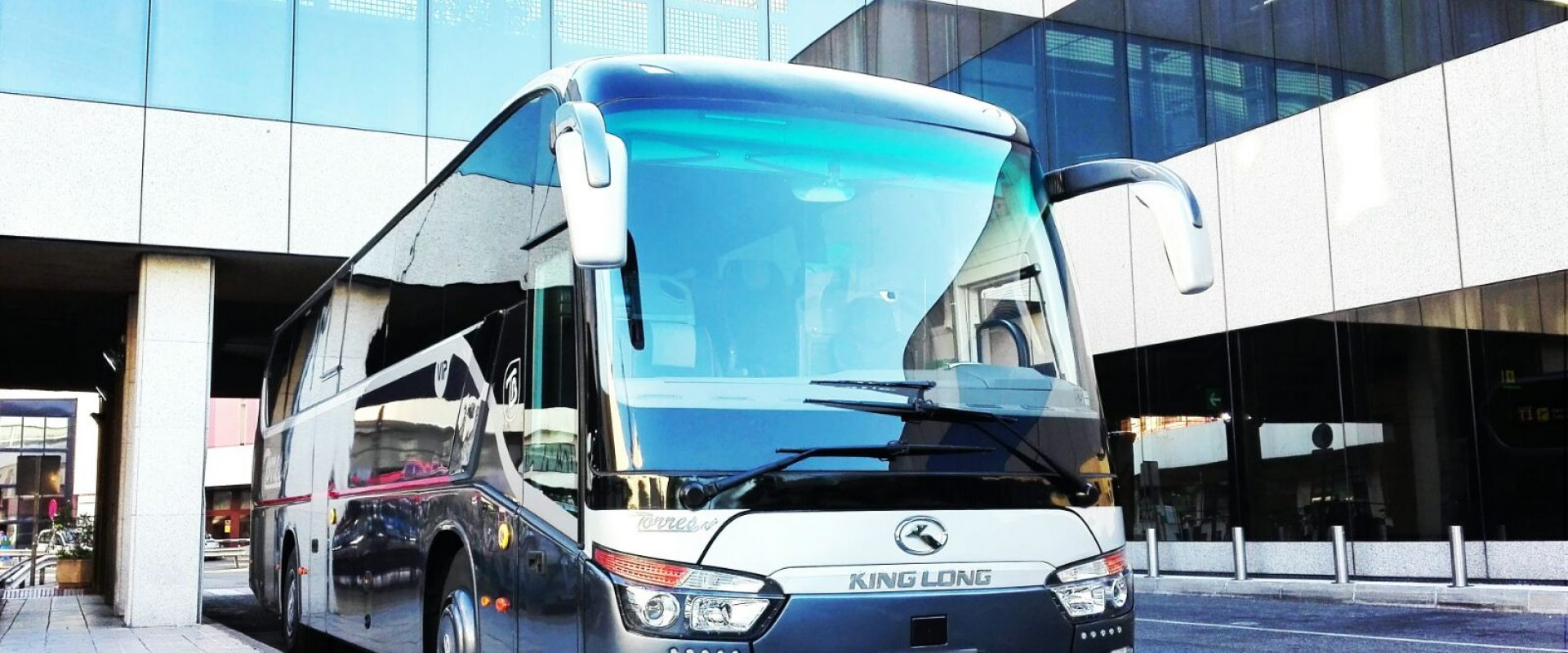

Picture this: you’re juggling a wedding guest list, a corporate off‑site, or a school field trip, and suddenly the question pops up—how much will the coach bus rental cost?
We’ve been fielding that exact dilemma for over three decades, and honestly, there’s no one‑size‑fits‑all answer. Prices wiggle depending on the size of the vehicle, the distance you travel, the season, and the little extras you ask for, like a Wi‑Fi hotspot or wheelchair‑friendly ramps.
So, why does “coach bus rental prices” feel like a moving target? Think about it like buying a pizza. A small 7‑seat minibus is the Margherita—simple, affordable, perfect for a tight group. A 50‑seat luxury coach is the deluxe supreme, loaded with leather seats, air‑conditioning, and a onboard TV. The toppings—premium driver, overnight insurance, or a custom itinerary—add to the final bill.
And here’s a quick reality check: a basic 12‑seat minibus for a day‑trip around Toledo can start around €150, while a full‑size coach for a multi‑day corporate tour across Spain might climb to €2,000 or more, especially if you need a driver who speaks English and a flexible cancellation policy.
Does that number surprise you? It’s easy to feel overwhelmed, but breaking it down into clear components makes it manageable. First, pinpoint the passenger count. Next, map out the mileage and any overnight stays. Finally, list the add‑ons that matter to you—like luxury interiors for a VIP transfer or accessibility features for a group with reduced mobility.
In our experience, the smartest planners start the conversation early, ask for a detailed quote, and compare a few options before committing. That way you avoid hidden fees and you get exactly the service you need without overpaying.
Ready to demystify coach bus rental prices and find the right ride for your next event? Let’s dive deeper into the factors that shape the cost, so you can plan with confidence and keep your budget on track.
TL;DR
Coach bus rental prices depend on size, distance, season and extras, ranging from about €150 for a small minibus day trip to over €2,000 for a luxury coach on a multi‑day corporate tour.
Set passenger numbers, mileage, required amenities, then get detailed quotes to ensure costs and the perfect coach.
Factors that Affect Coach Bus Rental Prices
When you start looking at coach bus rental prices, the first thing you notice is how many little levers can move the needle. It’s not just “big bus = big price”. There’s a whole ecosystem of choices that can either keep your budget happy or send it spiraling.
And it all begins with the vehicle size. A 12‑seat minibus for a school trip around Segovia will sit in a completely different price band than a 55‑seat luxury coach heading to a multi‑day corporate conference in Barcelona. In our experience, every extra seat adds not only weight but also fuel, insurance, and driver hours.
Distance and mileage
How far you’re traveling is the next big factor. A short hop to the airport might be priced per hour, while a cross‑country charter is usually quoted per kilometre. Think about it this way: the longer the route, the more you pay for fuel, tolls, and the driver’s overtime. If you’re planning a day‑trip to Toledo, you’ll see a flat day rate. Add an overnight stay in Valencia, and you’ll suddenly have accommodation and extra driver fees on the bill.
Seasonality also plays a role. Summer weddings, school outings in the spring, or Christmas corporate retreats each have their own demand spikes. During peak season, companies like Torres Bus often apply a seasonal surcharge because everyone’s booking at once.
Extras and add‑ons
Now, let’s talk about the “nice‑to‑haves”. Wi‑Fi, onboard entertainment, wheelchair ramps, or a premium leather interior aren’t free. Each amenity adds a line item. For a wedding transport, you might want a champagne‑cooling fridge and a driver who knows the venue’s back‑entrance – that’s an extra cost you should budget for.
One of our clients, a film production crew, needed a coach with a built‑in power outlet for equipment. That specific request bumped the price by about €150 a day. It’s those little details that can surprise you if you don’t ask up front.
Here’s a quick tip: ask the provider for a detailed quote that breaks down base fare, mileage, fuel surcharge, driver overtime, and each optional extra. Transparency prevents hidden fees later.
And don’t forget insurance. Standard coverage is usually included, but if you’re carrying valuable gear or need extra liability protection, that’s another line on the invoice.
Regulatory and operational costs
In Spain, coach operators must comply with strict safety and environmental regulations. Emissions‑friendly buses may cost more to rent, but they can save you money on city congestion charges. If you’re traveling through low‑emission zones in Madrid, a greener fleet might actually be the cheaper route.
Another hidden cost can be the driver’s language skills. An English‑speaking driver for an international delegation will carry a premium compared to a standard Spanish‑only driver.
For a deeper dive into how each of these variables stacks up, check out our charter bus pricing guide. It walks you through real‑world numbers and gives you a checklist to use when you request quotes.
So, what does this mean for you, the event planner or corporate travel manager? First, map out the basics: passenger count, route length, date, and any must‑have amenities. Then, layer on the extras you truly need, not every shiny option the provider offers. Finally, compare a few detailed quotes – the cheapest headline isn’t always the best value once you factor in hidden fees.
By the way, if you’re planning a wedding, you might also be scouting venues. A good place to start is Adelaide wedding venues, where you can compare costs for venues and transport side by side.
If budgeting feels overwhelming, remember that a solid credit score can give you leverage on financing or payment plans. Some transport companies even offer deferred payment options for clients with strong credit. For tips on improving your credit, see credit repair solutions.
Below is a short video that breaks down the main cost drivers and shows a real‑world quote example. It’s a handy visual if you prefer watching over reading.
After watching, you’ll see how each factor we discussed appears on the quote. It’s a great way to demystify those numbers before you pick up the phone.

Bottom line: coach bus rental prices are a puzzle made of many pieces – size, distance, season, extras, regulations, and driver specifics. Understanding each piece lets you assemble a cost‑effective solution that fits your event’s vibe and your wallet’s comfort zone.
Typical Price Ranges by Bus Size and Service Type
Ever looked at a quote and wondered why a 12‑seat minibus is €250 while a 50‑seat coach jumps to €1,400? You’re not alone. The truth is, coach bus rental prices swing with the size of the vehicle, the service you need, and the little details that most people overlook.
Let’s break it down so you can picture exactly what you’ll be paying for, whether you’re hauling a bridal party across Madrid or shuttling a conference crew to Valencia.
Mini‑buses (7‑16 seats)
These are the workhorses for tight‑knit groups. In Madrid, a 7‑seat VIP minibus (think a Mercedes Sprinter) typically runs €120‑€180 per day, fully inclusive of driver, fuel, and basic insurance. Add a Wi‑Fi hotspot or a small fridge and you’re looking at an extra €30‑€50.
Real‑world example: a wedding planner moved a 10‑person bridal party from Barajas airport to the ceremony venue. The quote came in at €155 for a full‑day hire, plus €20 for a portable speaker system. That’s a total of €175 – well within the range we see on the market industry benchmark data.
Mid‑size coaches (25‑35 seats)
When you’ve got a school field trip or a corporate off‑site, a 30‑seat coach becomes the sweet spot. Expect daily rates between €650 and €850. That price usually bundles driver, fuel, and standard amenities like air‑conditioning and onboard luggage racks.
One of our school clients booked a 30‑seat coach for a day trip to Segovia. The base rate was €720, but because the trip fell in September (off‑peak), we negotiated a 10 % discount, bringing it down to €648. The key was confirming the exact mileage (≈120 km round‑trip) and locking in the date early.
Full‑size luxury coaches (45‑70 seats)
These are the big players for multi‑day tours, conferences, or VIP delegations. Daily rates range from €1,200 to €1,600, and they often include premium leather seats, on‑board entertainment, and sometimes a mini‑bar.
Imagine a tech firm sending 55 employees from Madrid to a three‑day expo in Barcelona. The coach cost €1,350 per day, plus €150 per night for the driver’s accommodation. Adding a Wi‑Fi package added €80. Total? €4,560 for the whole trip – a figure that aligns with the upper end of the spectrum.
How service type shifts the price
Beyond size, the type of service you request can add or shave off euros. Here are the main levers:
- Airport transfers: Usually a flat fee per trip (€30‑€60) on top of the daily rate, but many operators bundle it if the hire is longer than 4 hours.
- Overnight stays: Driver lodging costs €80‑€120 per night, plus any night‑rate surcharge (often 15 % of the daily rate).
- Custom branding or décor: Adding wedding ribbons or corporate logos can run €100‑€200, depending on complexity.
Tip: ask for a “all‑in‑one” quote that lists fuel, driver, permits, and any extras. Transparency saves you from surprise line items later.
So, what should you do next?
1. Size it right. Count every passenger, then pick the smallest vehicle that meets that number. Filling 80 % of seats gives you the best per‑person cost.
2. Map mileage precisely. Use Google Maps or a GPS app to log the exact kilometres. Most companies charge €0.30‑€0.45 per km after a base distance.
3. Pick the season wisely. Off‑peak months (January, February, early July) can shave 10‑20 % off the base rate. Transparent pricing guides often highlight these discounts.
4. Bundle services. If you need both an airport pickup and a city tour, ask for a package. Operators love bundling because it reduces administrative overhead.
5. Negotiate driver accommodations. Some hotels offer free rooms for drivers when you book a certain number of rooms for your guests. It’s a small win that adds up.
Below is a quick reference table you can keep on your desk while you’re comparing quotes.
| Bus Size | Typical Daily Rate (EUR) | Best Use Case |
|---|---|---|
| 7‑seat minibus | €120‑€180 | Airport transfers, small wedding party |
| 16‑seat minibus | €200‑€300 | Corporate shuttle, school field trip |
| 30‑seat coach | €650‑€850 | Mid‑size events, regional tours |
| 50‑seat luxury coach | €1,200‑€1,600 | Full‑day multi‑city conferences |
And just for fun, here’s a quick video that walks you through how we calculate a quote step‑by‑step.
Remember, the numbers above are ranges – your exact price will depend on mileage, season, and any add‑ons you choose. Grab a few quotes, compare them side‑by‑side, and use the checklist above to make sure nothing slips through the cracks.
How to Compare Quotes and Choose the Best Provider
When you’ve collected three or four numbers on your screen, the real work begins – figuring out which quote actually gives you the most value, not just the lowest price.
First, strip the quote down to its bones. Pull out the base daily rate, the per‑kilometre charge, any driver‑overnight fees, and every optional extra. Write those line items into a simple spreadsheet; seeing the numbers side‑by‑side stops the “it looks cheap” illusion.
Step 1 – Map the exact itinerary
Use Google Maps or any GPS app to log every pick‑up, drop‑off and detour. Note the total kilometres and the expected travel time, because many providers add a mileage surcharge only after a “base distance” is exceeded.
For example, a corporate shuttle from Madrid to Valencia (≈350 km round‑trip) can swing the fuel component from €80 to €250 depending on whether the quote includes a per‑km rate or a flat fee. That swing alone can add €170 to the final bill.
Step 2 – Match vehicle size to passenger count
Count every adult, child and piece of equipment. If you need 28 seats, a 30‑seat coach usually fills 90 % of its capacity, delivering the best cost‑per‑person ratio. Oversizing to a 50‑seat coach inflates the daily rate by €400‑€600 while leaving many seats empty.
In our experience, event planners who size down by just one or two seats save roughly €50‑€80 per day without sacrificing comfort.
Step 3 – Scrutinise the “extras”
Wi‑Fi, power outlets, onboard entertainment, wheelchair ramps, or a mini‑bar – each looks nice, but ask yourself: do you really need it? A Wi‑Fi package might be €80 a day, but a short‑haul day trip could run without it, saving you a tidy chunk.
One real‑world quote example from a Texas charter company shows a 45‑passenger shuttle with Wi‑Fi and a driver tip ended up at $1,220, roughly $27 per passenger — a useful benchmark for cost‑per‑head calculations real‑world quote example.
Step 4 – Check hidden fees and permits
Ask for a line‑item for any tolls, low‑emission zone charges, or cross‑border permits. In Madrid, a low‑emission zone entry can be €15 per trip; forgetting it could surprise you on the final invoice.
Some providers bundle these into the base rate; others list them separately. The difference is whether you see the cost up front or later.
Step 5 – Validate driver costs and insurance
Driver accommodation, meals and overtime are often overlooked. A night‑rate surcharge can be 10‑15 % of the daily rate, and driver lodging typically runs €80‑€120 per night. If your trip spans two nights, that’s an extra €200‑€300 you need to budget.
Don’t forget insurance. Basic liability is usually included, but additional coverage for high‑value cargo or extended mileage can add €50‑€150 per day.
Step 6 – Negotiate with data
Armed with the broken‑down spreadsheet, you can approach each provider with specific questions: “Can we replace the €80 per‑km surcharge with a flat €150 mileage fee?” or “If we move the departure two weeks earlier, could you shave 10 % off the base rate?”
The industry pricing guide from CharterUP outlines typical ranges and shows how seasonality can swing rates by 10‑15 % — use that as leverage when you hear a quote that feels out of line industry pricing guide.
Quick checklist before you sign
- Base daily rate and minimum rental hours clearly stated.
- Per‑kilometre or flat mileage fee, with total km calculated.
- All driver‑related costs (overnight, meals, tip) listed.
- Every optional extra broken out with unit cost.
- Any permits, tolls, or environmental charges itemised.
- Cancellation policy, deposit amount and refund terms.
Run through that list with each quote. If a provider can’t give you a clean answer, it’s a red flag.
Finally, trust your gut. Numbers matter, but so does the feeling you get from the sales rep. Are they responsive? Do they seem genuinely interested in tailoring a solution for your wedding, corporate event, or school trip? A partner who listens will save you headaches later.
Take these steps, compare side‑by‑side, and you’ll walk away with a coach bus rental price that feels fair, transparent, and perfectly suited to your needs.
Hidden Costs and Additional Fees to Watch For
When you stare at a quote that looks clean, the real surprise often hides in the fine print. Coach bus rental prices can jump by a few hundred euros once you add the stuff you didn’t think to ask about.
In our experience with event planners and corporate roadshows, the most common culprits are fuel surcharges that shift from a flat fee to a per‑kilometre rate once the route exceeds a ‘base distance.’ If your itinerary is 320 km but the contract only covers 200 km, you could be looking at an extra €0.35 per kilometre – that’s another €42 you didn’t budget for.
Then there are the regulatory bits that many providers treat like an after‑thought. Low‑emission zone charges in Madrid, tolls on the A‑2, or a cross‑border permit for a quick hop into France can each add €10‑€50 per trip.
Parking fees are another sneaky line‑item. A city centre drop‑off in a historic district often requires a municipal permit that can cost €20‑€40, and if the driver has to stay overnight, you’ll also see a night‑rate surcharge of roughly 12 % of the daily rate.
Common hidden fees you might overlook
- Fuel surcharge that changes after a set kilometre threshold.
- Extra kilometres beyond the included mileage (often €0.30‑€0.45 per km).
- Low‑emission zone or environmental fees for city centre routes.
- Highway tolls and bridge fees that are billed separately.
- Parking permits or municipal charges for downtown drop‑offs.
- Driver overnight accommodation, meals, and night‑rate premiums.
- Insurance add‑ons for high‑value cargo or extended mileage.
- Administrative fees for itinerary changes or extra stops.
- Check the price tables from Rent‑AutoBus for typical ranges – they show a €0.30‑€0.45 per km charge after the first 200 km.
So how do you keep these from turning your budget upside‑down? The trick is to ask for a line‑item breakdown before you sign anything.
How to sniff out extra charges before you sign
Here’s a quick, five‑step routine you can run in 15 minutes.
- Ask the provider to list every mileage block – note where the flat rate ends and the per‑km charge begins.
- Request a separate line for tolls, parking permits and low‑emission zone fees; if they say “included,” get that in writing.
- Check the driver‑overnight clause – confirm the nightly rate, meals, and any night‑rate surcharge.
- Ask about insurance coverage – basic liability is standard, but extra cargo or extended mileage insurance should be itemised.
- Demand a final “all‑inclusive” total that bundles fuel, tolls, parking and driver costs so you can compare apples‑to‑apples across quotes.
A real‑world example from a midsize corporate tour illustrates why it matters. The client booked a 30‑seat coach for a two‑day Madrid‑Valencia itinerary. The initial quote was €1,200, but the contract omitted tolls for the AP‑7 and a €30 low‑emission fee for the Barcelona leg. When those items showed up on the final invoice, the total swelled to €1,340 – a 12 % jump that could have been avoided with a simple request for ‘tolls and zone charges included.’
Pro tip: ask the provider to lock in an ‘all‑inclusive’ mileage and toll package. Most operators will give you a flat rate that’s easier to compare across quotes.

By hunting down these hidden costs early, you keep coach bus rental prices predictable and protect your event budget from nasty surprises. You’ll walk away with confidence, knowing exactly what you’re paying for.
Seasonal and Location-Based Pricing Variations in Madrid
When the calendar decides the price
Ever booked a coach and felt the quote jump for no obvious reason? Most of that mystery comes from the time of year you’re traveling. In Madrid, the peak summer months – July and August – are a magnet for tourists, wedding parties, and corporate off‑sites. Operators typically add a 10‑15 % surcharge because every driver’s schedule is packed and fuel demand spikes.
But it’s not just the beach‑season that hurts your bottom line. Semana Santa (Easter) and the Christmas‑New Year stretch are also high‑demand windows. In our experience, a mid‑size 30‑seat coach that costs €750 per day in March can climb to €860 in early April – that’s roughly a 12 % bump.
So, what should you do if your wedding is set for June? Try nudging the ceremony a week earlier or later. A single‑week shift can shave €100‑€150 off the total, especially if you lock in the rate before the summer rush hits.
Where you go matters just as much as when
Madrid’s geography throws another layer of pricing onto coach bus rental prices. The city’s low‑emission zone (LEZ) charges €10‑€20 per entry for any vehicle that doesn’t meet Euro 6 standards. If your itinerary includes a downtown drop‑off, that fee shows up as a separate line item unless you ask for an all‑inclusive quote.
Then there are the toll roads that snake out of the capital. The AP‑7, A‑2, and A‑6 each charge roughly €5‑€7 per crossing. A corporate shuttle heading to Segovia via the A‑6 will see two tolls (≈€12), while the same trip using the scenic M‑601 avoids tolls but adds 15 km of fuel – about €5 extra. Those small differences add up quickly when you’re budgeting for a multi‑day tour.
Here’s a real‑world snapshot: a tech firm booked a 45‑seat coach for a three‑day retreat in the Sierra de Guadarrama. The initial quote was €1,420 per day, but the provider forgot to include the LEZ fee for the Madrid‑center pickup and two tolls on the way up the A‑1. The final invoice jumped to €1,527 – a 7 % surprise you could have avoided with a simple “include all city‑center and toll costs” request.
Actionable steps to keep seasonal and location spikes in check
1. Map the exact route. Pull up Google Maps, note every highway, toll, and city‑center segment. Write the kilometre total down – that’s your baseline for fuel negotiations.
2. Ask for a flat mileage and fee package. Many operators will give you a single figure that bundles fuel, tolls, and LEZ charges. It’s easier to compare than a spreadsheet of line items.
3. Check the calendar early. If you have flexibility, aim for off‑peak months (January, early February, or late October). A 10‑20 % discount is common during these lull periods.
4. Leverage contract language. Look at sample contract guidelines that spell out mileage vs. time billing – the clause that says you’ll be charged the greater of the two can protect you from hidden mileage spikes.
5. Bundle stops. If you need an airport drop‑off, a museum visit, and a final hotel transfer, ask the provider to roll those into one “city‑tour” package. Operators love bundling because it reduces paperwork, and you’ll see a cleaner total.
Pro tip: the “season‑location matrix” checklist
- Identify peak vs. off‑peak dates for your event.
- List every city‑center entry (LEZ) and toll road on your itinerary.
- Request an all‑inclusive quote that explicitly mentions LEZ and toll fees.
- Negotiate a flat per‑kilometre rate or a capped mileage fee.
- Confirm driver‑overnight costs if your route spans multiple days.
By treating season and location as two separate variables you can predict how coach bus rental prices will move, and you’ll have the ammunition to negotiate a fair, transparent rate. The next time you hear a quote that feels “too high,” run it through this matrix – you’ll often discover a simple line‑item you can ask to be removed or bundled.
Conclusion
We’ve walked through the moving target that is coach bus rental prices, from vehicle size and mileage to seasonal spikes and hidden fees.
So, what does that mean for you? It means you don’t have to guess – you can break the quote down, ask the right questions, and walk away with a number you actually understand.
In our experience, the most confident planners are the ones who map the exact route, match seats to guests, and lock in an all‑inclusive package before the summer rush hits.
Remember the season‑location matrix we built: identify peak dates, list every LEZ or toll, request a flat mileage fee, and confirm driver‑overnight costs. Apply that checklist and you’ll spot the line‑items that can be trimmed or bundled.
Whether you’re arranging a wedding convoy, a corporate roadshow, or a school field trip, the same principles apply – clarity, comparison, and a little negotiation never hurt.
Ready to put this into practice? Grab a few quotes, run them through the matrix, and choose the provider that gives you transparency and value. Your next coach bus rental will feel less like a mystery and more like a smooth, predictable part of your event plan.
And remember, a clear contract today saves you headaches tomorrow.
FAQ
How are coach bus rental prices calculated in Madrid?
We start with a base daily rate that reflects the vehicle size and comfort level – a 12‑seat minibus costs far less than a 50‑seat luxury coach. Then we add mileage: most operators give you a flat kilometre allowance and charge a per‑km fee once you exceed it. On top of that you’ll see line items for driver overnight stays, fuel surcharges, and any optional extras like Wi‑Fi or wheelchair ramps. Put those pieces together, and you can see exactly where every euro goes.
What factors cause the biggest spikes in coach bus rental prices?
Seasonality is the heavyweight champion – summer holidays, Easter and the festive December period usually add a 10‑15 % premium. Location matters too; entering Madrid’s low‑emission zone or crossing toll roads tacks on a few euros per trip. Finally, the length of hire matters – overnight driver accommodation and night‑rate surcharges can quickly push a quote upward if you’re not budgeting for them.
Can I get a flat rate for mileage, or are per‑kilometre charges the norm?
Both models exist, but many companies prefer a hybrid: a flat kilometre block (say 200 km) included in the base rate, then a per‑km charge beyond that. If you know your exact route, ask for a capped mileage fee – that way you won’t be surprised by a sudden per‑km hike once you hit a highway stretch. In our experience, a clear mileage cap saves you around 5‑10 % on longer trips.
Are there any hidden fees I should watch out for when budgeting for a coach bus?
Yes, the fine print can hide fuel surcharges that switch from flat to per‑km after a threshold, low‑emission zone fees (usually €10‑€20 per entry), tolls on highways like the A‑2 or AP‑7, and driver overnight expenses. Parking permits in historic city centres are another sneaky line‑item. The safest move is to request an all‑inclusive quote that itemises each of these costs before you sign.
How far in advance should I book to lock in the best coach bus rental prices?
Booking at least 4‑6 weeks ahead gives you the most negotiating power, especially for peak summer dates. If you can be flexible by a week or two, you often snag a 10‑20 % discount because operators are eager to fill gaps before the rush. Early booking also lets you lock in a flat mileage package before rates start to rise closer to the event.
Is it cheaper to rent a smaller minibus instead of a full‑size coach for a wedding?
Generally, yes – a 12‑seat minibus can be 30‑40 % cheaper than a 45‑seat coach. The trick is to match seats to guests: if you have 25 attendees, a 30‑seat coach fills about 80 % of capacity, giving you the best per‑person price. Oversizing wastes money, while undersizing forces you to rent a second vehicle, which adds extra driver fees.
What’s the best way to compare quotes and avoid surprise costs?
Break every quote down into the same categories: base daily rate, mileage allowance, fuel surcharge, driver overnight, tolls/LEZ fees, and any optional extras. Put those numbers into a simple spreadsheet side‑by‑side. Then ask each provider to confirm an “all‑inclusive” total that bundles fuel, tolls and driver costs. The provider who can give you a clean, itemised total is usually the safest bet.