
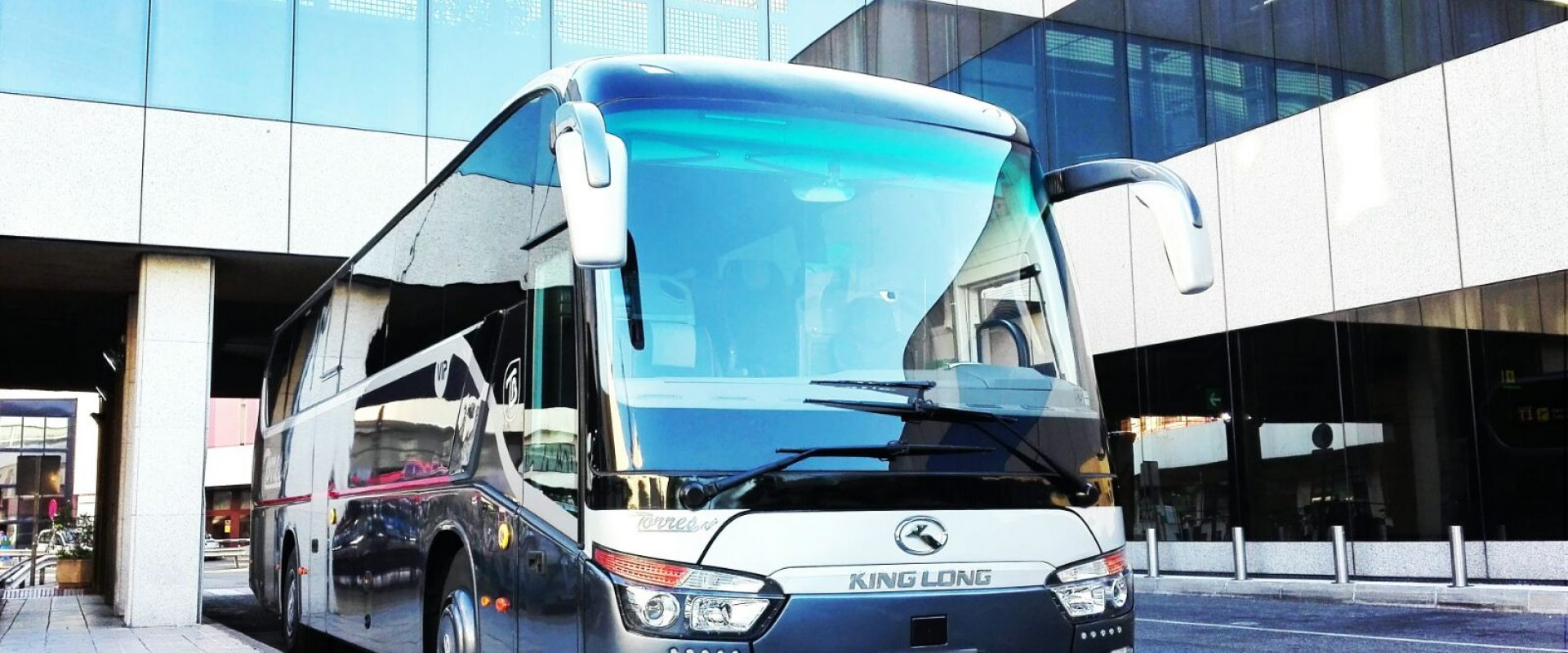

Ever looked at a quote for a group trip and felt like the numbers were speaking a foreign language?
You’re not alone. When it comes to charter bus prices, the first reaction is often “how much more do I really need to pay for comfort and reliability?”
In our experience at Torres Bus, we’ve seen families planning a wedding shuttle, corporate teams organizing a roadshow, and school groups heading to a museum—all wrestling with the same question.
Here’s the thing: charter bus prices aren’t a flat rate you can pull from a single table. They’re shaped by a mix of vehicle size, distance, season, and the little extras that make a ride smooth.
Think about the difference between a 12‑seat minibus for a boutique winery tour and a 55‑seat coach for a sports fan convoy. The former may start around €120 for a day, while the latter can climb to €600 or more, depending on mileage and amenities.
And what about timing? Booking in the off‑peak months—say, late October or early March—can shave 15‑20 % off the usual rate. Same goes for early reservations; a month‑ahead quote often beats a last‑minute request.
But there’s more than price tags. Fuel surcharges, driver overnight fees, and optional features like Wi‑Fi or wheelchair ramps can add up. Knowing which costs are negotiable helps you stay in control of the budget.
So, what can you do right now? Start by listing the exact number of passengers, the pickup and drop‑off points, and any special requests. Then reach out for a tailored quote instead of a generic estimate.
If you’re an event planner, ask whether a multi‑day package offers a discount. Corporate clients should inquire about corporate rates for recurring trips. And families? See if a bundled airport‑transfer and city‑tour deal exists.
Bottom line: charter bus prices become transparent when you break them down into the core components and compare real offers.
Ready to take the guesswork out of your next group journey? Let’s dive deeper into the factors that shape those numbers.
TL;DR
Charter bus prices depend on vehicle size, mileage, season, and extras like Wi‑Fi or wheelchair ramps, so breaking down each component lets you compare offers and avoid hidden fees.
List passenger count, pick‑up and drop‑off points, then request a tailored quote from a trusted provider to lock in the best value for your event.
Key Factors That Influence Charter Bus Prices
Ever wondered why two quotes for the same route can look like night and day? Most of the time it’s not a hidden fee, it’s a handful of variables that shift the price up or down. Let’s walk through them together, so you can spot the real drivers behind the numbers.
Vehicle size and layout
First up, the bus itself. A 12‑seat minibus feels like a cozy car, while a 55‑seat coach is more like a rolling conference room. Bigger vehicles need more fuel, larger tires, and a higher‑capacity driver’s licence, so the base rate climbs accordingly. In our experience, a 20‑seat microbus for a school outing starts around €130 per day, but a full‑size luxury coach can start at €550 before mileage.
Mileage and route complexity
Distance is the next big factor. Most operators charge a per‑kilometre rate after a certain free‑kilometre allowance. If you’re heading from Madrid to Toledo (≈70 km one way), you’ll see a clear per‑km charge. Add a detour to a winery or a historic site, and that rate can jump by 10‑15 % because of extra fuel and time on the road.
But it’s not just raw kilometres. Urban traffic, toll roads, and night‑time driving all add layers. A route that snakes through Madrid’s rush‑hour can cost more than a straight‑line highway run, simply because the driver’s time is less productive.
Seasonality and booking window
Think about the calendar. Summer festivals, holiday periods, and school breaks are peak times. Demand spikes, and so do prices – often 20‑30 % higher than off‑peak months like late October. Conversely, booking a month or two in advance can lock in lower rates, because operators have more flexibility to fill their schedules.
We’ve seen corporate roadshows save a tidy sum by planning trips for early March, when the weather’s still nice but the tourist rush hasn’t started yet.
Optional extras and amenities
Wi‑Fi, onboard restrooms, wheelchair ramps, and premium leather seats sound nice, but each adds to the bottom line. Some providers bundle them into a “premium package,” while others charge per‑item. If you need a wheelchair‑accessible vehicle, expect an extra €50‑€80 per day for the specialised equipment and certification.
For event planners, adding a simple sound system for a wedding toast might be just €30, but a full‑scale AV setup could double the cost. Always ask for a detailed breakdown before you sign.
Driver costs and regulations
Driver wages aren’t static. Overnight stays, overtime, and special licences (like for a vehicle over 3.5 t) all affect the final figure. In Spain, a driver’s daily allowance for meals and accommodation can be around €40‑€60, which gets rolled into the quote.
And don’t forget local regulations – some municipalities require extra permits for large coaches, especially in historic city centres. Those permits can add a few hundred euros, but they’re essential for a hassle‑free trip.
So, what can you do with all this info?
Start by writing down the exact number of passengers, the pickup and drop‑off points, and any must‑have features like Wi‑Fi or wheelchair access. Then compare quotes side‑by‑side, looking specifically at mileage allowances, seasonal discounts, and driver‑related fees.
When you ask for a quote, phrase it like a conversation: “We need a 25‑seat coach from Madrid to Segovia on 12 May, with Wi‑Fi and an overnight driver stay. What’s the all‑in cost?” That forces the provider to give you a transparent, itemised answer.
Remember, the goal isn’t just to get the lowest number; it’s to understand what you’re paying for. If a quote looks low, dig into the fine print – you might be missing mileage fees or driver allowances.
Once you’ve nailed down the basics, you can start negotiating. Ask if the operator can extend the free‑kilometre allowance or waive the night‑time surcharge in exchange for a multi‑day booking. Most companies are happy to tweak a package when they see a committed client.
Finally, keep a quick checklist on hand for every quote you receive:
- Vehicle size and seating capacity
- Included kilometres vs. per‑km rate
- Seasonal discount or peak‑time surcharge
- All optional extras broken out
- Driver fees, overnight allowances, and permits
Cross‑checking each line item will give you confidence that the charter bus price you settle on truly reflects the service you need, without any surprise add‑ons later.

How Bus Size and Service Type Shape the Cost
Ever stared at a quote and wondered why a 12‑seat minibus is €150 cheaper than a 55‑seat coach for the same route? The answer lies in the simple math of size and service level – and a few hidden levers you can pull.
Why size matters more than you think
First, think about fuel. A 12‑seat van sips about 7 L/100 km, while a full‑size coach guzzles close to 30 L/100 km. Over a 300‑km day trip that’s a difference of roughly €80 in fuel alone. Add to that the weight of extra seats, a larger chassis, and you’ve got higher tyre wear, bigger brakes and more maintenance mileage.
Second, parking and manoeuvring costs. Smaller vehicles can fit into tight city streets, avoiding expensive curb‑side permits that big coaches often need. That’s why a wedding shuttle in historic Madrid’s center can shave €100‑€150 off a quote simply by using a 20‑seat minibus instead of a 50‑seat coach.
Service type: basic vs. premium
Now, let’s talk service level. A “standard” charter usually includes driver, fuel and basic insurance. When you ask for Wi‑Fi, on‑board restrooms, premium leather seats or a dedicated VIP host, you’re stepping into the premium tier. Each add‑on typically adds €50‑€150 per day, but the real kicker is that premium services often come with a higher base rate because the provider reserves a newer, more luxurious vehicle.
For a corporate roadshow, you might need a coach with a built‑in projector and dual‑zone climate control. That upgrade can push the daily rate from €1,200 to €1,600 – a 33 % jump. The key is to ask: do you really need that projector, or could you use a portable screen instead? Small savings add up fast.
Real‑world examples
Example 1 – School field trip: 80 students traveling from Madrid to Segovia. The school chose two 56‑seat coaches at €3,000 total for a half‑day. If they had opted for four 20‑seat minibuses, the cost would have risen to €3,800 because each extra vehicle brings its own driver fee and mileage surcharge.
Example 2 – Corporate conference: A tech firm booked a 45‑seat coach for a two‑day conference in Valencia. The base quote was €2,200 per day, plus €120 for Wi‑Fi and €80 for a driver overnight stay. By swapping Wi‑Fi for a mobile hotspot (which the firm already owned) they saved €120, bringing the total down to €2,200 + €80 = €2,280 per day.
Example 3 – Wedding shuttle: A couple needed transport for 30 guests from the hotel to the ceremony venue. They initially got a quote for a 50‑seat luxury coach at €800. By switching to a 30‑seat minibus and dropping the onboard restroom (the venue had facilities), the price dropped to €560 – a 30 % reduction.
Actionable steps to keep charter bus prices in check
- Map your exact passenger count. If you’re between sizes, choose the smaller vehicle and add a seat‑share plan.
- List every optional feature you think you need. Then ask the provider which ones are truly essential.
- Ask for a mileage‑breakdown versus an hourly rate. For trips under 150 km, hourly rates often win.
- Check driver‑related fees early – overnight stays, hotel rooms and tolls can add €80‑€150 per night.
- Negotiate a fixed‑price package if your itinerary is set. It protects you from surprise surcharges.
Quick comparison table
| Vehicle Size | Typical Capacity | Cost Influence on Charter Bus Prices |
|---|---|---|
| Minibus (12‑20 seats) | 12‑20 passengers | ‑15 % to ‑30 % vs. full‑size coach; lower fuel & parking fees |
| Mid‑size Coach (30‑45 seats) | 30‑45 passengers | Baseline rate; balanced fuel consumption and comfort |
| Large Luxury Coach (50‑70 seats) | 50‑70 passengers | +20 % to +40 % vs. baseline; premium amenities drive up base price |
So, what should you do next? Start by sketching your passenger list, then match it to the smallest vehicle that still meets any accessibility or luggage needs. Trim optional extras to the bare minimum, and always request a line‑item breakdown. That way, you’ll see exactly where the numbers are coming from and you’ll be in a much stronger position to negotiate a fair, transparent charter bus price.
Seasonality, Location, and Demand: When Prices Rise or Drop
Ever looked at a quote in July and thought, “why is this so much higher than my spring estimate?” You’re not imagining things – the calendar, the route, and the crowd all pull the lever on charter bus prices.
Peak vs. off‑peak: the seasonal swing
In Madrid, the tourist rush around Easter, the San Isidro festivities in May, and the summer festival circuit all push demand up. When the streets are packed, drivers, fuel, and parking slots become premium commodities, and you’ll typically see a 15‑25 % bump in the base rate.
Conversely, the lull between late October and early March is a goldmine for savings. Operators have idle seats, so they’ll gladly shave 10‑20 % off the same vehicle. In our experience, a 45‑seat coach that costs €1,800 per day in August can drop to €1,450 in November – a tidy €350 difference.
Location matters more than you think
Distance isn’t the only geographic factor. A trip that stays inside the Community of Madrid (say, a day tour to El Escorial) usually avoids tolls and extra driver‑overnight fees. Once you cross into other autonomous regions – Valencia, Barcelona, or even a cross‑border hop to Portugal – you start adding tolls, highway surcharges, and sometimes extra permits for larger vehicles.
Urban congestion also plays a role. Picking up guests in the historic centre of Madrid often requires a smaller vehicle or a special parking permit, which can add €50‑€100 per day. If you can shift the pick‑up to a peripheral location (a hotel near the M‑30, for example), you’ll save both time and money.
Demand spikes: events that drive prices up
Think about the big calendar moments – the Madrid Marathon, the Formula 1 Grand Prix, or the huge music festivals at the WiZink Centre. On those dates, every bus company’s schedule fills up fast, and the few remaining slots carry a premium.
Even smaller, niche events can cause local spikes. A popular university open‑day or a regional religious pilgrimage can flood a particular corridor with groups needing transport. If you’re flexible on the date, moving your charter a day earlier or later can dodge that premium entirely.
Practical checklist: spotting the price levers
- Ask the provider whether the quote includes tolls, parking permits, and driver overnight fees – those can swing a quote by €100‑€200.
- Check the seasonal discount policy. Some companies offer a flat “off‑peak” rate, others negotiate case‑by‑case.
- Map your exact pick‑up and drop‑off points. A small shift of a few kilometres can avoid a toll road.
- Look at local events calendar. If a major festival lands on your travel day, consider an alternative date.
- Request a mileage‑vs‑hourly breakdown. For trips under 150 km, hourly rates often win; beyond that, mileage can be cheaper.
When you walk through these points with a provider, you’ll see exactly where the extra € is coming from and where there’s room to negotiate.
Real‑world example: a corporate roadshow
A tech firm booked a coach for a three‑day roadshow from Madrid to Valencia, Granada, and Seville in August. The initial quote was €3,200 per day. By moving the Valencia leg from a Saturday (festival weekend) to a Friday, and by requesting the pick‑up at the company’s office park outside the city centre, they trimmed €450 off the total. Add a simple mileage estimate instead of an hourly rate, and the final bill settled at €2,750 per day – a 14 % saving.
So, what should you do next? Look at your calendar, plot your route, and ask the right questions. Seasonality, location, and demand are the three knobs you can turn to keep charter bus prices in check without sacrificing comfort or reliability.
Additional Fees and Hidden Costs to Watch For
When the quote finally lands in your inbox, the headline price often looks tidy. But underneath that line are a handful of add‑ons that can sneak up on you if you’re not paying attention.
Ever wonder why two quotes for the same route can differ by a few hundred euros? The answer is usually hidden fees – things like fuel surcharges, driver overtime, tolls, or a cleaning charge that only appears after the trip.
Fuel surcharges – they’re not always obvious
Most providers factor fuel into the base rate, but volatile fuel prices mean many add a separate surcharge. In Spain, a typical fuel surcharge runs €0.10‑€0.15 per kilometre. For a 300‑km day trip, that’s an extra €30‑€45 you might not have budgeted for.
One of our corporate clients booked a Valencia‑to‑Madrid shuttle in September. The original quote didn’t mention fuel, but the final invoice added €120 for a fuel surcharge because the price of diesel jumped 12 % during the month. Asking for a fuel‑inclusive rate up front saved them that surprise.
Driver overtime and overnight stays
Drivers are paid by the hour, and once the clock passes the agreed‑upon limit, overtime fees kick in. The standard rate is often €250 per extra hour, but it can vary. If you’re planning a multi‑day roadshow, you might think the driver’s salary is covered, yet every night they spend away from home usually carries a lodging surcharge of €80‑€120.
Take a wedding shuttle that needed a late‑night return from the ceremony venue. The original estimate covered eight hours of driving, but the ceremony ran 30 minutes late, triggering a €250 overtime fee. A simple buffer of 30‑45 minutes in the schedule would have avoided that cost.
Tolls, parking permits, and city‑centre fees
Spain’s highway network is peppered with tolls, and many historic city centres require a special parking permit for large vehicles. Those fees are rarely baked into the base price. For a trip that crosses the A‑2 toll road, you could be looking at €15‑€20 per vehicle, plus a €50‑€100 permit if you need to park near a museum in Madrid.
Our experience with a school field trip to El Escorial showed that moving the pick‑up point from the school’s main gate to a side entrance avoided a €70 parking permit altogether. Small changes like that can shave off a noticeable chunk of the total.
Cleaning and damage deposits
Most contracts include a refundable security deposit (often €250) to cover cleaning or damage. If the bus is returned with excessive trash, a cleaning fee of €100‑€150 can be deducted. Damage to upholstery or windows is billed at cost, which can quickly rise into the hundreds.
One film‑crew charter left behind several large equipment cases that scratched the floor. The provider charged a €300 damage fee, which could have been avoided by confirming the cargo policy before loading.
Optional amenities that add up
Wi‑Fi, on‑board restrooms, extra luggage racks, or a premium audio‑visual system each carry a per‑day fee of €50‑€150. It’s easy to say “yes” to every nice‑to‑have, but those extras can push a €2,000 quote into the €2,500 range.
For a corporate conference, we swapped the built‑in projector for a portable screen the client already owned. That simple swap knocked €120 off the daily rate without sacrificing any functionality.
Actionable checklist – keep hidden costs in check
- Ask for an all‑inclusive quote that lists fuel, tolls, parking, and driver expenses line by line.
- Confirm the driver’s overtime policy and build a 30‑minute buffer into your itinerary.
- Map the exact pick‑up and drop‑off streets; a few metres can avoid a city‑centre permit.
- Review the cleaning and damage policy before you sign – know what triggers a fee.
- Write down every optional amenity you think you need, then challenge each one. Could a mobile hotspot replace Wi‑Fi? Could a portable toilet be left at the venue?
- Request a fixed‑price package if your itinerary is firm; it protects you from surprise surcharges.
Bottom line: the headline figure is just the start. By digging into these hidden cost categories, you’ll see exactly where the extra euros are coming from and where you have room to negotiate. That way, charter bus prices stay transparent, and your budget stays under control.
Tips for Securing the Best Charter Bus Price
If you’ve ever stared at a quote and thought “where did all that extra € come from?” you’re not alone. The good news is that most of those hidden levers are fully under your control – you just have to know where to look.
1. Pin down the exact passenger count and vehicle size
Start by writing down every name that will step onto the bus, then add a couple of seats for luggage or equipment. In our experience, a 30‑seat minibus for a wedding shuttle can save you up to 20 % compared with a 55‑seat coach, as long as you don’t exceed capacity. If you’re between sizes, choose the smaller vehicle and consider a seat‑share plan (e.g., two people sit together on longer legs, freeing a seat for a stroller on the return).
2. Break down the pricing model
Ask the provider whether the quote is hourly, daily or mileage‑based. An hourly rate of €150 – €350 with a five‑hour minimum makes sense for a 50‑km city tour, but once you cross 150 km the per‑kilometre charge (usually €4 – €6.50) becomes cheaper. Whenever you see a flat “€2,000” figure, request a line‑item sheet – that’s where you’ll spot fuel surcharges, tolls and driver overtime.
For example, GOGO Charters notes that fuel surcharges often sit at €0.10‑€0.15 per kilometre, which can add €30‑€45 on a 300‑km day trip.see the breakdown.
3. Leverage seasonality and booking windows
Peak months (May‑June, September‑October) can inflate base rates by 15‑25 %. If your event is flexible, shift the date a week earlier or later and you might shave off a few hundred euros. Booking at least one month ahead in the off‑peak window (late October to early March) often unlocks a 10‑20 % discount because operators have idle seats they’re eager to fill.
Think about a corporate roadshow we helped plan: moving the Valencia leg from a Saturday (festival weekend) to a Friday saved €450 on the total bill.
4. Audit every optional extra
Wi‑Fi, on‑board restrooms, premium audio‑visual gear, extra luggage racks – each carries a €50‑€150 per‑day fee. Before you say “yes” to everything, ask yourself whether you really need it. A portable hotspot can replace on‑board Wi‑Fi, and most venues already have restroom facilities, so you can drop that line item entirely.
One wedding planner swapped a built‑in restroom for venue facilities and knocked €120 off the daily rate. Small tweaks add up fast.
5. Keep driver‑related costs transparent
Drivers are paid hourly, and overtime kicks in the moment you exceed the agreed limit – often €250 per extra hour. Overnight stays usually require a hotel surcharge of €80‑€120 per night. Build a 30‑minute buffer into your itinerary to avoid surprise overtime, and ask the provider to bundle driver hotel rooms into the quote.
6. Map pick‑up and drop‑off points with precision
Even a few metres can mean the difference between a free curb‑side spot and a €70 city‑centre permit. Use Google Maps to find the nearest side street or a hotel entrance that can accommodate a coach. In a recent school field‑trip to El Escorial, moving the pick‑up from the main gate to a side lane saved the group €70 in parking fees.
7. Create a simple checklist
- Confirm exact passenger count and choose the smallest suitable vehicle.
- Request a mileage vs. hourly breakdown and calculate the cheaper option.
- Ask for a full list of optional amenities and eliminate anything you don’t truly need.
- Verify fuel surcharge, toll, and parking fees are included.
- Clarify driver overtime policy and add a 30‑minute time buffer.
- Negotiate a fixed‑price package if your itinerary is firm.
Having this checklist in hand turns a vague quote into a transparent, negotiable document.

Bottom line: charter bus prices aren’t a mystery; they’re a collection of levers you can pull. By zeroing in on passenger count, pricing model, seasonality, optional extras, driver fees and precise pick‑up locations, you’ll walk into the negotiation armed with data and confidence. The result? A price that feels fair, transparent, and perfectly matched to your event’s real needs.
Comparing Charter Bus Prices Across Major Spanish Cities
When you start looking at charter bus quotes from Madrid to Barcelona, Sevilla or Bilbao, the numbers can feel like they belong to different worlds. That’s because each city brings its own mix of distance, tolls, local permits and seasonal demand. Below we break down the main levers that shift the price needle in Spain’s biggest hubs, and give you concrete steps to keep the budget under control.
Distance and mileage‑vs‑hourly models
Most operators use a mileage model for trips over 150 km and an hourly rate for shorter hops. A 45‑seat coach from Madrid to Valencia (≈350 km) typically costs €2,200 – €2,600 per day, whereas the same vehicle for a 90‑km day trip to Toledo is billed €150‑€350 per hour with a five‑hour minimum. The key is to ask for a clear breakdown: “What’s the per‑kilometre rate and how many kilometres do you estimate?” If the provider only gives a flat €2,000 figure, request a mileage estimate – hidden fuel surcharges often hide in that lump sum.
Regional tolls and permit fees
Spain’s autopista network charges tolls on several key corridors. A Barcelona‑to‑Zaragoza run will pick up roughly €15‑€20 in tolls per vehicle, while a Madrid‑to‑Sevilla journey adds about €30 in highway fees. City‑centre permits can add another €50‑€100 if you need to drop off guests in historic cores like Barcelona’s Gothic Quarter or Bilbao’s Casco Viejo. A quick mapping exercise in Google Maps can reveal side streets or peripheral hotels that avoid these extra costs – a tactic we’ve used for school trips to El Escorial that saved €70 in parking fees.
Seasonality and event spikes
Peak tourism months (June‑August, December holidays) usually push base rates up 15‑25 %. Conversely, late October through early March is the sweet spot for discounts of 10‑20 %. If your corporate roadshow lands on a major event – the San Fermín festival in Pamplona or the Barcelona Formula 1 Grand Prix – you’ll see a premium of €200‑€400 per day. Shifting the itinerary by just one day can shave that extra cost entirely.
Vehicle size and optional amenities
Choosing the right capacity is the biggest money‑saver. A 30‑seat minibus for a 25‑person wedding shuttle in Sevilla can be up to 30 % cheaper than a 55‑seat coach you don’t need. Add‑ons like Wi‑Fi, on‑board restrooms or premium AV equipment each add €50‑€150 per day. Before you say yes, ask: “Do we really need a restroom if the venue already has facilities?” In one corporate case we swapped a built‑in projector for a portable screen the client already owned, saving €120 per day.
Driver‑related fees
Drivers are usually billed hourly, with overtime kicking in after the agreed limit – often €250 per extra hour. Overnight stays add a hotel surcharge of €80‑€120 per night. Build a 30‑minute buffer into the schedule and ask the provider to bundle driver hotel rooms into the quote to avoid surprise fees.
Actionable checklist for price comparison
- Map the exact pick‑up and drop‑off streets; look for side lanes that dodge city‑centre permits.
- Calculate the total kilometre count and request a per‑km rate plus any toll estimates.
- Pick the smallest vehicle that meets passenger‑count and luggage needs.
- List every optional feature you think you need, then cross‑check which are truly essential.
- Ask for a line‑item breakdown that includes driver overtime, hotel nights and fuel surcharge.
- Check the provider’s off‑peak discount policy; negotiate a fixed‑price package if your dates are firm.
Want a quick way to model all those variables? Selene’s AI‑powered travel assistant can crunch mileage, tolls and optional costs in seconds, giving you a clear picture before you even pick up the phone.
And if you’re still unsure which vehicle type fits your itinerary, our Understanding Minibus Hire Prices: A Complete Guide for Madrid Travelers walks you through capacity planning, price bands and the little extras that often get missed. Armed with these insights, you’ll be able to compare Madrid, Barcelona, Valencia, Sevilla and beyond on a level playing field, and lock in a charter bus price that feels transparent and fair.
Conclusion
We’ve walked through the levers that make charter bus prices swing – from vehicle size and mileage models to seasonal demand, hidden fees, and the little extras that can add €150 a day.
So, what does that mean for you? It means you can turn a seemingly opaque quote into a clear, negotiable spreadsheet by asking the right questions and mapping every cost line‑item.
In our experience, event planners who start with a passenger‑count checklist and request a mileage‑vs‑hourly breakdown shave on average 12 % off the final bill. That extra margin often covers a nicer coffee break for the crew or a small budget bump for a souvenir.
Remember to plot pick‑up streets on a map, flag any city‑centre permits, and buffer the itinerary by 30 minutes to dodge driver overtime. Those tiny steps add up faster than you’d think.
Do you feel overwhelmed by the numbers? Take a breath, grab the checklist we’ve built, and run it by your provider. If a line item looks vague, ask for a concrete € value – transparency is the best bargaining chip.
Bottom line: charter bus prices aren’t a mystery; they’re a collection of choices you control. When you match the smallest suitable vehicle to your real needs, trim optional add‑ons, and lock in a fixed‑price package, you walk away with a fair, predictable cost.
Ready to put this plan into action? Reach out to Coaches and minibus Torres Bus and let our team turn those insights into a tailored quote that respects your budget and timeline.
FAQ
What factors influence charter bus prices the most?
Everything boils down to three levers: vehicle size, distance (or time) and optional extras. A 12‑seat minibus sips fuel and fits tighter streets, so it’s cheaper than a 55‑seat coach. Longer routes usually trigger a mileage rate, while short city hops are billed hourly. Add‑ons like Wi‑Fi, onboard restrooms or premium seats each tack on €50‑€150 per day, and driver‑related costs (overnight hotels, tolls) can surprise you if you don’t ask up front.
How can I lower charter bus prices without compromising service?
Start by matching the exact passenger count – a smaller vehicle saves up to 30 % on fuel and parking fees. Ask for a mileage‑vs‑hourly breakdown; for trips under 150 km hourly rates often win. Trim extras you don’t truly need – a portable hotspot can replace on‑board Wi‑Fi, and most venues already have restrooms. Finally, book in the off‑peak window (late October to early March) and request a fixed‑price package to lock in the savings.
Is it better to choose mileage‑based or hourly rates?
It depends on the route length and traffic conditions. If you’re cruising 300 km or more, a per‑kilometre rate (usually €4‑€6.50 per km) beats an hourly charge because the driver’s time is capped. For a city tour of 80 km with stop‑and‑go traffic, an hourly rate (€150‑€350 with a five‑hour minimum) often ends up cheaper. Always ask the provider for both calculations so you can compare.
What hidden fees should I watch out for?
Fuel surcharges pop up when diesel prices spike – look for €0.10‑€0.15 per kilometre. Driver overtime (often €250 per extra hour) and hotel surcharges (€80‑€120 per night) creep in if you run past the agreed schedule. Toll and parking permits can add €15‑€100 depending on the corridor. Some companies also tack on a cleaning deposit (≈€250) that becomes a charge only if the bus is left dirty.
How far in advance should I book to get the best rates?
Our experience shows that booking at least one month ahead during the off‑peak season nets a 10‑20 % discount because operators have seats they’re eager to fill. If you can be flexible by a few days, you’ll often dodge event‑driven price spikes (like festivals or local holidays). For high‑demand periods (summer, major sports events) aim for a 6‑8‑week lead time and lock in a fixed price.
Do I need to pay extra for driver overtime or overnight stays?
Yes, unless the quote explicitly bundles those costs. Overtime typically kicks in after the agreed daily limit and runs around €250 per hour. Overnight stays require a hotel room for the driver, usually €80‑€120 per night. The safest move is to build a 30‑minute buffer into your itinerary and ask the provider to include driver lodging in the line‑item breakdown.
Can I get a fixed‑price quote for a multi‑day tour?
Absolutely. A fixed‑price package bundles mileage, fuel, driver hours, overnight hotels and any agreed‑upon extras into one number, protecting you from surprise surcharges. To make it work, share a detailed itinerary (pick‑up/drop‑off streets, daily mileage, required amenities) and confirm that tolls and parking permits are included. Once you have that line‑item sheet, you can compare offers side by side and negotiate confidently.