
Picture this: you’ve just booked a beautiful venue in Madrid for a wedding, the guest list is swelling, and suddenly the logistics start to feel like a maze.
Does the idea of coordinating dozens of cars, juggling parking permits, and hoping everyone arrives on time make your stomach do flips? You’re not alone. Many event planners and families hit that same wall when they think about moving a crowd.
Here’s the good news: you can skip the chaos by simply choosing to rent a bus Spain style, with a trusted local provider that handles the driver, the route, and the comfort.
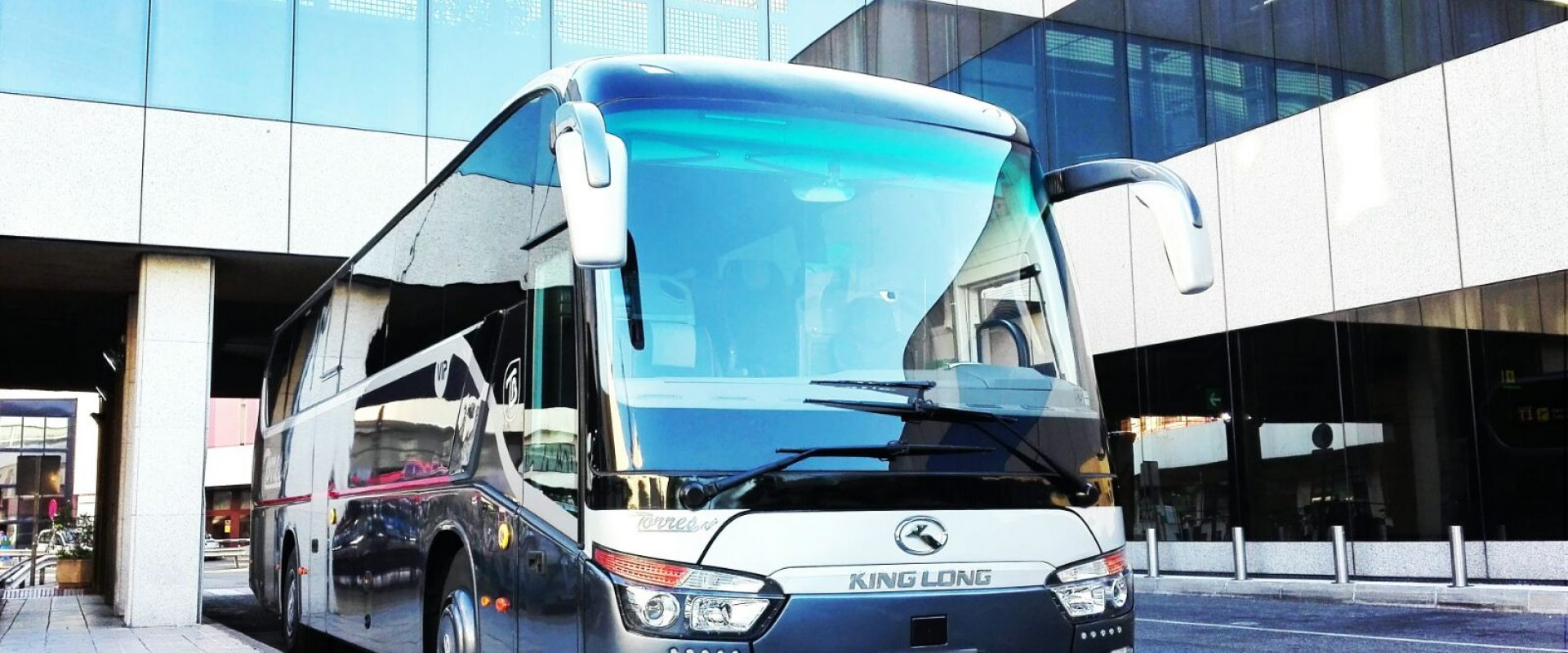
Think about the relief of loading your guests onto a sleek, climate‑controlled coach, watching the city glide by from a panoramic window, and knowing that every seat is reserved and every stop is timed. No more frantic text chains trying to herd people into taxis.
And it’s not just weddings. Whether you’re planning a corporate retreat, a school field trip to Toledo, or a group of friends heading to a music festival, a bus rental can turn a logistical nightmare into a smooth, social experience.
What makes the difference? A family‑owned company like Torres Bus brings 30 years of know‑how, a fleet that ranges from cozy minibuses for ten guests to full‑size coaches for seventy, plus options for wheelchair‑accessible travel. They take pride in punctuality, safety, and that personal touch that makes you feel like the driver is a friend rather than a stranger.
So, if you’ve ever imagined the stress of coordinating multiple rides, ask yourself: why not let a professional handle it? Renting a bus in Spain can free up your time, keep your budget predictable, and add a touch of luxury to any occasion.
Ready to turn that anxiety into confidence? Let’s dive into how you can rent a bus Spain and make your next group journey effortless.
TL;DR
When you rent a bus Spain for your wedding, corporate event, or school outing, you instantly swap frantic car‑hunting for a climate‑controlled coach that arrives on time and keeps everyone comfortable.
That peace of mind means you can focus on the celebration or agenda instead of logistics, knowing Torres Bus will handle the route, driver, and any special accessibility needs.
Step 1: Define Your Travel Needs and Budget
Before you even think about picking a vehicle, pause for a second and ask yourself: what exactly am I moving? Is it a wedding party of 60 guests, a corporate team heading to a conference, or a school class eager for a day trip to Toledo?
That question is the compass for the whole rental process. Your answer tells you how many seats you truly need, whether you require wheelchair‑accessible ramps, and if extra luggage space is a must.
Start by writing a quick checklist. Jot down the date, the start and end locations, the approximate number of passengers, any special equipment (like a speaker system or a portable projector), and whether you’ll need a driver who speaks English.
Do you have a hard deadline for booking? Many groups discover that securing a bus just a few weeks before a popular event can lead to limited availability and higher prices.
Size matters – pick the right vehicle
If you’re moving 10‑15 people, a 16‑seat minibus does the trick. For groups of 30‑40, a 45‑seat coach offers comfort without feeling cramped. And when you’re looking at 60‑70 guests, the full‑size luxury coach with climate‑controlled cabins becomes essential.
Remember, it’s cheaper to book the exact size you need rather than over‑loading a larger bus and paying for unused seats.
Budget basics – what’s really in the price?
Most bus companies in Spain quote a flat day rate, but hidden costs can sneak in. Fuel surcharges, tolls, driver overtime, and cleaning fees are the usual culprits.
Ask for a detailed breakdown up front. A transparent quote will list mileage limits, any extra stops, and whether insurance is included. Torres Bus, for instance, builds its pricing around clear, all‑inclusive packages.
Do you have a flexible budget? If so, consider booking during off‑peak seasons (late autumn or early spring). You’ll often snag a better rate and a larger selection of vehicles.
Timing is everything
Once you know the size and budget, lock in the date. The earlier you confirm, the more likely you’ll get the exact model you want – especially for premium coaches with Wi‑Fi, USB charging ports, and panoramic windows.
Some clients wait until the last minute, only to discover the only buses left are older models without air‑conditioning. That’s a comfort nightmare in summer Madrid.
Here’s a quick three‑step timeline you can follow:
- 12‑8 weeks out: Define travel needs, passenger count, and any special requirements.
- 8‑4 weeks out: Request detailed quotes from at least two providers and compare all‑in costs.
- 4‑2 weeks out: Confirm the booking, lock in the price, and share the itinerary with your group.
Need a deeper dive on pricing and service options? Check out our Comprehensive Guide to Bus Rental Spain for a step‑by‑step breakdown.
Now, let’s bring a little visual flair into the mix. Imagine a sleek, white coach gliding past the Royal Palace, sunlight streaming through its large windows. That’s the vibe you’re aiming for.
And because seeing is believing, watch the short video below where we walk through a typical booking journey – from the first phone call to the moment the bus pulls up at your venue.
Finally, give yourself a reality check. Does your budget allow for a buffer? Unexpected costs like extra stops or late‑night returns can add up. Adding a 10‑15% contingency ensures you won’t be caught off guard.
When you finish this step, you’ll have a crystal‑clear picture of what you need, how much it will cost, and exactly when to lock it in. The rest of the process – selecting the perfect route, confirming driver details, and adding those little extras – becomes a breeze.
Step 2: Choose the Right Bus Size and Type
Alright, you’ve nailed down how many people are coming and how much you can spend. Now comes the fun part – picking the vehicle that feels just right, like choosing the perfect pair of shoes for a night out.
Count heads, then add a safety margin
Start with a simple list: total guests, plus the driver, plus anyone who might bring an extra suitcase or a musical instrument. If you’re moving 55 guests, a 60‑seat coach gives you a breathing room of five seats – enough for a stroller or that last‑minute plus‑one.
For smaller crews (10‑15 people) a 16‑seat minibus feels cozy and easy to board. Anything over 30 usually needs a 45‑seat coach; over 60? Think about the 70‑seat luxury coach that Torres Bus keeps climate‑controlled and Wi‑Fi‑ready.
Match the bus type to the event vibe
Weddings love the “luxury coach” look: plush seats, ambient lighting, maybe a mini‑bar. Corporate roadshows appreciate a coach with power outlets and a speaker system for presentations. School trips? You’ll want sturdy seat belts, easy‑exit doors, and maybe a wheelchair‑accessible ramp if any student needs it.
Torres Bus offers everything from minibuses to fully accessible coaches, so you can align the vehicle with the mood of your event without compromising safety.
What about amenities?
Think about the little things that keep people comfortable on a two‑hour ride to Toledo or a six‑hour trek to a conference in Valencia. Wi‑Fi, USB ports, air‑conditioning, and panoramic windows are now standard on most of Torres Bus’s fleet.
If you need on‑board restrooms, that’s usually a feature of the larger 70‑seat coaches. For a short city hop, a minibus with a simple climate‑control system is enough.
Budget‑friendly tips
Here’s a quick cheat sheet:
- Minibus (7‑16 seats): best for intimate groups, lowest per‑day rate.
- Mid‑size coach (30‑45 seats): sweet spot for most weddings and corporate outings.
- Full‑size luxury coach (60‑70 seats): worth the extra cost when you need premium comfort or a lot of luggage.
Ask for an all‑inclusive quote that lists fuel surcharge, tolls, driver overtime, and cleaning fees. Transparent pricing helps you avoid surprise charges later. As one charter‑bus provider notes, flexible scheduling and transparent charter bus pricing make the whole process smoother.
Check the accessibility checklist
Do you have guests with reduced mobility? Make sure the bus has a ramp or lift, low‑floor entry, and enough space for a wheelchair. Torres Bus’s PMR‑adapted coaches tick those boxes, and they’re priced the same as a standard coach of the same size.
Final quick decision matrix
Grab a pen and fill this out:
| Passengers | Recommended Size | Key Amenities |
|---|---|---|
| 5‑15 | 7‑16‑seat minibus | Air‑con, USB, easy boarding |
| 16‑40 | 30‑45‑seat coach | Wi‑Fi, power outlets, extra luggage space |
| 41‑70 | 60‑70‑seat luxury coach | Panoramic windows, mini‑bar, on‑board restroom |
Once you’ve checked the box that fits your group, give Torres Bus a call, lock in the model, and move on to the next step – mapping the route and confirming driver details.
Remember, the right size and type not only saves money, it also guarantees that everyone arrives refreshed, on‑time, and maybe even a little impressed with the ride.
A quick sanity check before you sign anything: ask the provider for recent photos of the exact bus model, confirm that the driver holds a valid Spanish commercial licence, and verify insurance coverage. Those few minutes now save you from a last‑minute scramble, and they let you relax knowing you’ve chosen the perfect ride for your group.
Step 3: Compare Service Providers and Prices
Okay, you’ve settled on a 45‑seat coach for that corporate retreat, and you know you need Wi‑Fi, a restroom, and a driver who speaks English. The next move is the part most people dread: comparing bus companies without getting lost in a sea of vague quotes.
Does the idea of a spreadsheet sound boring? Trust me, it’s the shortcut that turns “maybe” into “got it”. Below is a step‑by‑step cheat sheet that lets you see exactly what you’re paying for, and why one provider might be a better fit than another.
1. Gather the basics – request a standardized quote
Send the same brief to at least three providers. Include:
- Event date and pick‑up / drop‑off locations
- Number of passengers (including driver)
- Must‑have amenities (Wi‑Fi, USB, wheelchair ramp, on‑board toilet)
- Any extra stops or overnight stays
- Desired insurance coverage level
Ask them to break down every line item: base day rate, fuel surcharge, tolls, driver overtime, cleaning fee, and taxes. When the numbers come in the same format, you can compare apples to apples.
2. Build a comparison table (the “quick decision matrix”)
Copy the data into a simple table. Here’s a minimal example you can paste into Excel or Google Sheets:
| Provider | Base Day Rate | Fuel & Toll Surcharge | Extras (Wi‑Fi, restroom) | Total Estimated Cost |
|---|---|---|---|---|
| Torres Bus | €850 | €120 | Wi‑Fi + restroom (€80) | €1,050 |
| Company A | €800 | €150 | Wi‑Fi only (€60) | €1,010 |
| Company B | €900 | €100 | Restroom only (€70) | €1,070 |
Feel free to add columns for “Driver Language”, “Insurance”, or “Customer Rating”. The goal is to see where hidden fees hide.
3. Weight what matters most
Not every line item is equal. If you’re planning a wedding, comfort and on‑board amenities might outweigh a few euros saved on fuel. Create a simple scoring system – for example, give 3 points for Wi‑Fi, 2 points for a wheelchair‑accessible ramp, and 1 point for a bilingual driver. Add the points to the table and rank the providers.
Does this feel a bit “business‑schooly”? That’s the point. A quick score tells you whether the cheapest option also meets your must‑haves.
4. Check reputation and safety credentials
Numbers are only half the story. A provider that’s €200 cheaper but has a spotty safety record can end up costing you far more in stress. Do a fast Google search for recent reviews, ask for the company’s safety certificate, and verify that the driver holds a valid Spanish commercial licence.
Ask the provider for recent photos of the exact bus model you’ll get. A reputable company will gladly share them; a shady one will hesitate.
5. Run a “what‑if” scenario
Imagine the trip runs two hours longer than planned. Will the driver need overtime? Does the quote already include a 2‑hour buffer? Write down the extra cost for each provider and add it to your total. This exercise often reveals that the “cheapest” quote balloons once you factor in realistic variables.
Here’s a quick example: Company A’s base price looks great, but their driver overtime rate is €35 per hour versus Torres Bus’s €25. If you end up needing one extra hour, Torres Bus saves you €10 right there.
6. Make the final call
Once you have the scored table, the reputation notes, and the what‑if adjustments, you should have a single provider that consistently tops the list. Give them a quick confirmation call, ask for a written contract that mirrors the quote, and lock in the date with a deposit.
And don’t forget to request a copy of the insurance policy and the driver’s licence before the day of the event – it’s a tiny step that gives you huge peace of mind.
By turning the comparison into a visual, score‑driven exercise, you eliminate guesswork and protect your budget. You’ll walk into the booking conversation knowing exactly what you’re paying for, and you’ll be able to say “yes, that’s the right price for the service I need” with confidence.
Step 4: Book Your Bus and Confirm Details
Now that you’ve narrowed the fleet, it’s time to lock the date and the wheels. You’ve already sized the coach, compared prices, and even checked a few driver bios – the next move feels a bit like sealing an envelope you’ve been drafting for weeks.
First thing: pull out the quote you received and give it a quick sanity‑check. Does the base day rate match what you saw in the spreadsheet? Are the fuel surcharge, toll allowance and overtime fees spelled out line‑by‑line? If anything looks fuzzy, fire off a short email or a WhatsApp message to the provider and ask for a clean, itemised breakdown.
Secure the booking with a deposit
Most reputable companies, including Torres Bus, will ask for a 20‑30 % deposit to hold the vehicle. Treat that deposit like a reservation fee at a restaurant – you’re paying for the guarantee that the exact model you want will be yours on the day.
Ask whether the deposit is refundable if you need to shift the date by a week or two. A flexible policy can save you a headache later, especially if you’re coordinating a wedding that might move a few days because of venue availability.
Get a written contract
Never rely on a verbal handshake alone. Request a PDF contract that mirrors the quote, includes the vehicle registration, and lists every extra you asked for – Wi‑Fi, a minibar, a wheelchair‑ramp, or a portable restroom.
Read the fine print. Look for clauses about “force majeure” (unforeseen events) and see who bears the cost if the bus breaks down a day before the trip. A clear cancellation policy, written in plain language, is worth its weight in gold when the unexpected pops up.
Confirm driver credentials and insurance
Ask for the driver’s full name, licence number, and a copy of the Spanish commercial driver’s licence. A quick Google search of the licence number (or a request for the driver’s photo ID) can give you peace of mind that you’re not hiring someone who’s still learning the routes.
Insurance is non‑negotiable. The contract should state that the operator carries at least €1 million third‑party liability, plus coverage for passenger injury and cargo. If you’re transporting valuable equipment (camera gear, musical instruments, or a wedding cake), make sure the policy also includes “goods in transit” coverage.
Lock in the itinerary
Send a concise itinerary email that lists every pick‑up point, the exact time window, and the drop‑off location. Include a map link for each stop – Google Maps works fine – so the driver can double‑check traffic patterns a day before.
Ask the provider to confirm the route in writing and to note any “no‑stop” zones (like restricted city centres or pedestrian‑only streets). That way you avoid surprise detours that could eat into your schedule.
Ask about on‑board amenities
Do you need power outlets for laptops? A Bluetooth speaker for a pre‑wedding playlist? Some coaches come with climate‑controlled restrooms, while others only have a portable toilet. Confirm the exact amenities and ask for a quick photo of the interior so you can reassure nervous guests.
If you’re planning a multi‑hour journey, request a few extra blankets and bottled water. It sounds trivial, but a cold passenger is a noisy passenger, and that can ruin the vibe of a corporate roadshow or a family celebration.
Finalize the payment schedule
Most operators split the total into a deposit, a mid‑way payment (usually 50 % of the balance), and the final settlement on the day of the event. Write those milestones into the contract and set calendar reminders so you never miss a due date.
Pay by bank transfer or credit card whenever possible – that leaves an electronic trail you can reference if a dispute ever arises. Avoid cash payments unless you get a signed receipt on the spot.
Do a pre‑trip walk‑through
One or two days before the event, ask the driver to meet you at the depot for a quick inspection. Check the tyre pressure, verify the cleanliness, and make sure the seat count matches what you booked.
Take a selfie with the bus, snap the odometer, and ask the driver to show you the emergency kit (first‑aid box, fire extinguisher, warning triangle). A short walk‑through can turn a potential nightmare into a smooth‑running day.
Finally, send a friendly confirmation email 24 hours before the trip. Restate the pick‑up time, the contact phone number, and the name of the on‑site contact person (maybe the wedding planner or the conference coordinator). A quick “All set?” message often prompts the driver to double‑check everything on their side.
When the day arrives, you’ll see the bus pulling up right on schedule, the driver smiling, and the passengers climbing aboard with confidence. That’s the payoff of a meticulous booking process – you get to focus on the celebration, the presentation, or the team‑building activity, instead of chasing paperwork.
Step 5: Prepare for the Day of Travel
The night before the big day, you might feel that mix of excitement and a tiny knot of worry. That’s normal it means you care about making the ride smooth for everyone.
First thing to do is double‑check the itinerary you sent to Torres Bus. Pull it up on your phone, glance at the pick‑up windows, and make sure the on‑site contact name is correct. A quick “All good?” text to the driver can catch a typo before it turns into a delay.
Pack a tiny “day‑of‑travel” kit
We all know the panic of forgetting the charger or a bottle of water. Keep a small bag with these essentials:
- Printed itinerary and a digital copy.
- Contact numbers for the driver, the venue, and a backup planner.
- One spare power bank and a few USB‑C cables – the coach usually has ports, but a backup never hurts.
- Snacks for kids or seniors who might need a quick bite.
Does that feel like overkill? Not really. Those few items save you from scrambling mid‑journey.
Confirm the bus layout and amenities
Remember the walk‑through you did a day earlier? Now is the time to remind yourself what you saw. Is the Wi‑Fi signal strong enough for your presentation? Are the seat belts all working? If you booked a wheelchair‑accessible coach, check that the ramp is still in place and the space isn’t cluttered.
A quick call to the driver, “Hey, can you confirm the onboard restroom is stocked?” can prevent an awkward stop later.
Communicate with your guests
Send a short reminder email or group chat message about the meeting point, exact time, and any dress code (especially for a wedding where shoes matter). Add a line like, “If you’re running a few minutes late, just give me a buzz – we’ll hold the bus for you.” That simple note reduces stress for everyone.
And ask them to bring a small bag for personal items, not a full suitcase, if the coach’s luggage compartment is limited.
Weather check and contingency plan
Madrid can surprise you – a sudden summer shower or an unexpected chill. Look at the forecast the morning of the trip and have a backup plan: a few blankets in the cabin, a portable umbrella for the pick‑up area, or an alternate route if traffic is jammed. A quick reference to a travel planning guide can help you spot those hidden weather traps.
Does this sound like a lot? Think of it as a safety net. One extra minute of preparation stops an hour of chaos.
Final pre‑departure checklist
Tick these boxes about 30 minutes before the bus arrives:
- Phone fully charged, with the driver’s number saved.
- All guest names matched to seat assignments (if you printed a seating chart).
- Emergency contact list ready in case someone feels unwell.
- Any special equipment (microphone, projector) loaded and tested.
- Refreshments and waste bags placed in an easy‑reach bin.
When the coach rolls up, take a deep breath, greet the driver with a smile, and let the passengers see that you’ve got everything under control.
On the road: stay flexible
Even the best‑planned route can hit a surprise roadwork sign. Keep the driver’s phone handy and be ready to adjust the schedule by a few minutes. If you’ve shared the itinerary with the venue, they’ll usually understand a slight shift.
And if you’re traveling with a group that likes to chat, use the downtime for a quick ice‑breaker – “What’s the one thing you’re most excited about today?” – that keeps the vibe upbeat.
In short, preparing for the day of travel is less about rigid checklists and more about creating a calm, confident environment. When you’ve covered the basics – itinerary, kit, guest communication, weather, and a final run‑through – the bus experience turns from a logistical hurdle into a pleasant part of the event.
Ready to enjoy the ride? Just follow these steps, and you’ll arrive at your destination with a smile and a story to tell.
Conclusion and Next Steps
We’ve walked through everything you need to feel confident when you rent a bus Spain—from sizing the coach to locking in the contract and doing a quick pre‑trip walk‑through.
So, what’s the next move? Grab that checklist you built in Step 1, pull up the quote from Torres Bus, and confirm the driver’s licence and insurance details. A short email now saves you a frantic phone call on the day of the event.
Remember the little “day‑of‑travel kit” you packed: itinerary, spare chargers, snacks, and a backup contact number. Slip it into your bag the night before, and you’ll be ready for anything the road throws at you.
And don’t forget to give the driver a quick “all set?” text the morning of the trip. It’s a tiny gesture that often catches last‑minute changes before they become problems.
When the bus pulls up, take a breath, smile, and let your guests see the calm you’ve created. The journey will feel less like logistics and more like a shared adventure.
Ready to turn the planning stress into smooth sailing? Your next step is simple: hit “confirm” on the contract, lock in the deposit, and start counting down to the day you’ll all enjoy the ride together.
FAQ
What’s the first thing I should check before I rent a bus Spain?
Before you even pick a date, look at the passenger count and any special needs – wheelchair ramps, extra luggage, Wi‑Fi, or a mini‑bar. Write those down in a quick checklist, then match them to the fleet options Torres Bus offers, from 7‑seat minibuses to 70‑seat luxury coaches. A clear list saves you from back‑and‑forth emails later and keeps the whole planning chain moving.
How do I compare quotes without getting lost in the details?
Ask every provider for an itemised quote that breaks down the base day rate, fuel surcharge, tolls, driver overtime, cleaning fee and any optional extras. Paste the numbers into a simple spreadsheet and add a column for “must‑have” items like Wi‑Fi or an onboard restroom. The provider with the highest score on your must‑haves, not just the lowest price, is usually the safest bet.
Is insurance really necessary when I rent a bus Spain?
Yes – the law requires the operator to carry at least €1 million third‑party liability, plus coverage for passenger injury. If you’re transporting valuable gear – cameras, musical instruments or a wedding cake – ask for “goods in transit” coverage too. Having the policy in writing before the day of travel protects both you and your guests from unexpected costs.
Can I change the itinerary after I’ve signed the contract?
Most reputable companies, including Torres Bus, allow minor tweaks up to 48 hours before departure, usually without a fee. Bigger changes – like adding an extra stop or extending the route by several hours – may trigger a small surcharge for driver overtime or extra fuel. Always confirm the change‑policy in the contract so you’re not caught off guard.
What amenities come standard on a typical Spanish coach?
Today’s coaches in Spain usually include air‑conditioning, USB charging ports, power outlets, and Wi‑Fi on the larger models. Seats are padded and recline a few inches, and the driver’s cabin is separated for safety. Restrooms are only on the 60‑70‑seat luxury coaches; everything else – mini‑bars, on‑board entertainment systems – is an optional add‑on you can request.
How far in advance should I book to get the best rates?
Ideally, lock in your bus 8‑12 weeks before a major event. Early booking secures the exact model you want and often nets a 5‑10 % discount, especially in the off‑peak months of late autumn or early spring. If you wait until the last two weeks, you’ll still get a bus, but you may have to settle for an older vehicle or pay a premium.
Do you have any day‑of‑travel tips to keep everything smooth?
Pack a tiny “travel kit” with the itinerary, a spare power bank, snacks and a list of emergency contacts. Send a quick “all set?” text to the driver the morning of the trip and confirm the exact pick‑up window. Arrive 10 minutes early, greet the driver with a smile, and do a fast visual check of the bus – seats, Wi‑Fi, restroom supplies – before the guests board.