
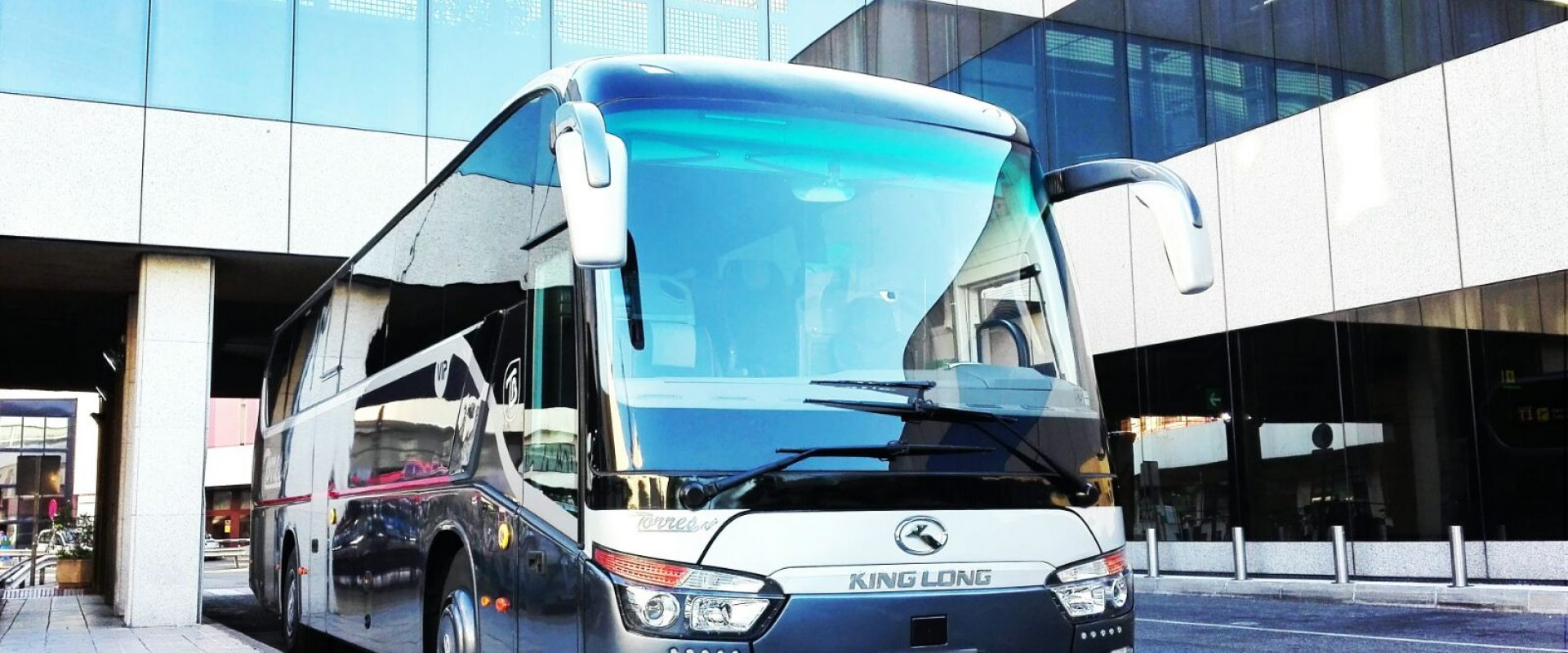

Imagine you’re standing at the airport in Madrid, the sun just peeking over the rooftops, and you’ve got a group of friends or colleagues waiting to whisk you away to a wedding, a corporate off‑site, or a day trip to Toledo. The last thing you want to worry about is how to get everyone there together, on time, and comfortably.
That feeling of relief is exactly what a reliable bus rental Spain service can give you. Whether you need a sleek mini‑bus for a dozen guests or a full‑size coach for a fifty‑person conference, the right provider turns a logistical headache into a smooth, stress‑free ride.
At Torres Bus we’ve been doing this for more than three decades, so we know the little details that matter: a driver who greets you by name, seats that recline just enough for a nap, Wi‑Fi that actually works, and wheelchair‑accessible ramps for anyone who needs them.
But why does that matter to you? Because planning an event is already a juggling act – venues, catering, schedules. Adding transport that might break down, arrive late, or feel cramped only adds chaos. A trustworthy bus rental Spain partner lets you focus on the fun parts, like choosing the perfect playlist for the road.
Think about the last time you tried to coordinate a group trip with multiple taxis or rideshares. You probably ended up with scattered arrivals, confused drivers, and a lot of phone calls. A single coach eliminates those headaches: one point of contact, one bill, and a clear itinerary that everyone can follow.
And it’s not just about size. Different occasions call for different vibes. A wedding convoy deserves polished, climate‑controlled interiors and a driver who knows the best scenic routes to the ceremony. A corporate roadshow needs reliable timing, onboard power outlets, and perhaps a space for a quick presentation.
So, if you’re staring at a spreadsheet of numbers and wondering how to get your team from Madrid to Seville without losing a single colleague, remember that a seasoned bus rental Spain service is the shortcut you’ve been looking for. Let’s dive into how to choose the perfect vehicle, what questions to ask, and how to lock in a price that respects your budget.
TL;DR
If you’re juggling venues, catering, and schedules, a reliable bus rental Spain can turn chaos into a smooth ride, freeing you to enjoy the playlist and the journey.
We’ll show you how to pick the right vehicle, ask the right questions, and lock in a price that respects your budget, so every passenger arrives happy.
Understanding Bus Rental Options in Spain
When you start thinking about moving a group from a Madrid airport to a seaside resort, the first question that pops up is usually “what size bus do I actually need?”
It’s easy to imagine three broad buckets: a compact minibus for ten‑plus friends, a mid‑size coach for a corporate off‑site, and a full‑length luxury bus for a wedding convoy.
Mini‑buses: intimate and agile
Mini‑buses typically seat 7‑16 passengers and are perfect for tight schedules or narrow streets in historic centres like Toledo or Ávila. Because they’re smaller, they can slip into alleyways where a 50‑seat coach would be blocked, saving you time and parking fees.
Real‑world tip: if you’re planning a university field trip to the Alcázar, book a 12‑seat Sprinter‑type minibus. You’ll have enough room for a guide, a few backpacks, and still feel cozy enough for a quick photo stop.
Mid‑size coaches: the workhorse of corporate travel
Most companies opt for a 25‑35 seat coach when shuttling teams between conference venues or airport hubs. These buses often come with Wi‑Fi, power outlets, and a small lounge area for pre‑meeting prep.
According to industry data, standard coach buses offer anywhere from 49+1 to 59+1 seats, but the 25‑35 seat segment strikes a balance between capacity and fuel efficiency as outlined in a recent seating‑capacity guide. That means you’re not overpaying for empty seats, and you stay under many city‑centre emission limits.
Actionable step: make a quick spreadsheet listing the total number of attendees, plus any extra luggage (cameras, sports gear). Then match that total to the nearest bus size—don’t forget to add one or two seats for the driver and a possible tour guide.
Full‑size luxury coaches: the star‑studded option
When the event calls for wow‑factor—think a wedding party of 60, a film crew, or a VIP corporate rally—a 50‑70 seat coach with climate control, onboard restrooms, and premium leather seats becomes the go‑to.
One provider lists a range of luxury coaches that can accommodate up to 70 passengers, complete with optional wheelchair‑accessible ramps for PMR guests on their fleet page. While that site is US‑based, the vehicle categories are the same ones you’ll find in Spain, giving you a concrete sense of what’s possible.
Practical tip: ask the driver whether the coach has a “quiet zone”—a few rows with extra padding that are perfect for executives needing a quick nap before a presentation.
Choosing the right option: a quick checklist
- Count heads (including drivers and guides).
- Factor in baggage weight and special equipment.
- Match the route: narrow historic streets → mini‑bus; long highway stretch → coach.
- Identify must‑have amenities (Wi‑Fi, restroom, wheelchair access).
- Request a sample seat‑map before you sign the contract.
Once you’ve ticked those boxes, reach out to a local provider—like Torres Bus—who can tailor the vehicle to your exact itinerary.
Real‑world examples
Example 1: A tech startup in Madrid booked three 16‑seat minibusses to shuttle 45 employees from Barajas Airport to a co‑working space in Getafe. Because the minibusses could park right at the terminal’s “quick‑drop” zone, the team was inside the office within 15 minutes of landing.
Example 2: A wedding planner arranged a 60‑seat VIP coach for a ceremony in Segovia. The coach’s on‑board sound system played the couple’s playlist, and the driver took the scenic route along the river, turning the transfer into a pre‑wedding celebration.
Example 3: A university’s archaeology department rented a 30‑seat coach for a day‑trip to the Roman ruins of Mérida. The coach’s built‑in restroom meant the group didn’t have to stop for bathroom breaks, keeping the schedule tight and the students focused.
Final thoughts
Understanding the spectrum of bus rental Spain options empowers you to pick a vehicle that feels right, not just “big enough.” By aligning capacity, route, and amenities, you’ll avoid hidden costs, reduce emissions, and give your passengers a ride they actually enjoy.
Ready to turn those logistics headaches into a smooth journey? Start by listing your group’s exact numbers, then reach out for a tailored quote.
Choosing the Right Bus Size and Type for Your Needs
Imagine you’re looking at a spreadsheet of 47 guests, a few suitcases, and a tight schedule that leaves no room for guesswork. The biggest mistake most planners make is assuming bigger automatically means better – you end up paying for empty seats, extra fuel, and sometimes a vehicle that can’t even fit through the historic streets of Toledo. Let’s break down how to match the perfect bus size and type to your specific needs, so every euro and every minute works for you.
Assess capacity vs. comfort
First, count every human that will be on board – passengers, driver, and any guides or photographers. Then add a buffer of one or two seats for unexpected guests or oversized luggage. For groups up to 15, a 12‑ to 16‑seat minibus gives you agility and lower running costs. If you’re moving 20‑40 people, a 25‑35 seat mid‑size coach strikes the sweet spot between space and fuel efficiency. Anything above 45 heads usually calls for a full‑size coach with a restroom, because you’ll save time by avoiding unscheduled pit stops.
Match vehicle to route and venue
Next, look at the streets you’ll travel. Narrow medieval alleys in Ávila or the tight parking zones at smaller airports favor a minibus that can slip in where a 50‑seat coach would be blocked. Conversely, long highway stretches between Madrid and Seville reward a coach with higher cruise comfort and onboard amenities like Wi‑Fi and power outlets. A quick way to decide is to plot the first and last drop‑off on Google Maps, then check the recommended vehicle clearance in the route details.
Take the case of a tech conference in Valencia. The organizer booked three 16‑seat minibusses for 45 attendees coming from Barajas. Because each minibus could pull into the airport’s quick‑drop zone, the whole team was in the conference hall within ten minutes – a speed boost you simply can’t get with a single 50‑seat coach stuck in traffic while trying to find a suitable parking lot.
For a wedding in Segovia, the bride‑to‑be chose a 60‑seat VIP coach. The coach’s built‑in sound system played their curated playlist while the driver took a scenic river route, turning the ride into an early celebration. The extra space also meant a designated “quiet zone” where grandparents could relax, something a cramped minibus could never provide.
An archaeology department from a Madrid university rented a 30‑seat coach for a day‑trip to Mérida’s Roman ruins. The on‑board restroom eliminated the need for a mid‑day stop, keeping the lecture schedule tight and the students focused on the site rather than searching for a bathroom.
Actionable checklist
- List every passenger by name and note any special equipment (wheelchairs, camera rigs, sport gear).
- Calculate total seats needed + 1‑2 extra.
- Map the start and end points; note any narrow streets or low bridges.
- Decide on must‑have amenities: Wi‑Fi, restroom, wheelchair ramp, climate control.
- Request a seat‑map and vehicle dimensions from the provider before signing.
Expert tip: ask the driver whether the coach has a separate “executive lounge” area – it’s a game‑changer for corporate roadshows where a quick PowerPoint can be rehearsed on the go. When you’re ready to compare options, our detailed coach bus and minibus guide walks you through capacity charts, fuel consumption figures, and accessibility features, making the selection process almost painless.
Finally, run a quick cost‑benefit test: divide the total rental price by the number of passengers and add estimated fuel per kilometer. If the per‑person cost of a larger coach is less than two minibusses, you’ve found a savings opportunity. Otherwise, stick with the smaller vehicle and enjoy the flexibility of easier parking and quicker loading.

How to Book a Bus Rental in Spain (Video Guide)
Picture this: you’ve just landed at Barajas, the sun’s a little brighter than you expected, and you’ve got a group of 30 colleagues waiting to be shuttled to a conference in Valencia. The panic button is practically flashing, right? Let’s walk through the exact steps you’d follow on the screen – the same steps the video on this page shows – so you can hit “confirm” with confidence.
Step 1 – Gather the basics before you even click “search”
Start by listing every passenger, any heavy equipment, and the dates you’ll be on the road. A quick spreadsheet works wonders: column A for names, B for luggage weight, C for special needs (wheelchair, camera rig, sports gear). Add one or two extra seats for a driver and a possible guide. This tiny habit saves you from a last‑minute “we’re short a seat” scramble.
Real‑world example: A wedding planner in Seville once forgot to note two grandparents with walkers. The provider had a 12‑seat minibus ready, but the extra wheelchair ramp wasn’t booked – a 30‑minute delay that could have been avoided with that simple list.
Step 2 – Map the route and spot any choke points
Open Google Maps, plot the pickup and drop‑off, then hit “details” for distance and estimated travel time. Look for narrow streets in historic towns (Ávila, Toledo) or low bridges on the coastal road to Cádiz. If any segment looks tight, flag it – you’ll know whether a minibus or a full‑size coach is the only sensible option.
Pro tip: write down the exact address of the airport’s “quick‑drop” zone. Many providers, including Torres Bus, let the driver pull right up to the arrivals hall, shaving minutes off your schedule.
Step 3 – Choose the right vehicle size
Now that you know heads and hurdles, match them to a vehicle. Here’s a quick rule‑of‑thumb:
- 7‑16 seats → minibus (ideal for tight city cores or small groups).
- 25‑35 seats → mid‑size coach (perfect for corporate trips, offers Wi‑Fi and power).
- 50‑70 seats → luxury coach (best for weddings, festivals, or multi‑day tours).
In the video you’ll see a side‑by‑side comparison of interior layouts, so you can spot things like a separate “executive lounge” or a built‑in restroom – features that can turn a long ride into a mobile office.
Step 4 – Request a seat‑map and vehicle specs
Before you sign anything, ask the provider for a PDF seat‑map and the vehicle’s exact dimensions. This prevents the classic “the bus won’t fit in the garage” nightmare. The video demonstrates how to ask for these documents in a single email – keep it short, list your route, and request the map.
Example: A tech startup in Madrid needed three 16‑seat minibusses for a hackathon. By asking for seat‑maps ahead of time, they discovered two of the minibusses had a rear door that opened onto a steep ramp – not ideal for their heavy equipment. They swapped those two for models with side doors, saving a day of loading headaches.
Step 5 – Confirm amenities and extra services
Make a checklist of must‑haves: Wi‑Fi, power outlets, climate control, wheelchair ramp, onboard restroom, or a sound system for a wedding playlist. In the video you’ll see a live chat with a Torres Bus representative where they walk through each option. If you need a “quiet zone” for executives, ask explicitly – many coaches have a few rows with extra padding.
Don’t forget insurance and driver qualifications. A good provider will give you a copy of the driver’s licence and a brief on their safety record.
Step 6 – Lock in the price with a transparent quote
Once you have the vehicle, seat‑map, and amenities list, request a written quote that breaks down base rental, fuel surcharge, mileage limit, and any optional extras. Compare the per‑person cost against a “two‑minibus” alternative – if the coach’s per‑head price is lower, you’ve got a win.
Pro tip from a seasoned fleet manager: ask for a “fuel‑cap” clause. It caps the fuel surcharge at a fixed amount, so you won’t be surprised by a sudden price jump if traffic is heavier than expected.
Step 7 – Finalize the booking
When everything checks out, hit the “Confirm Booking” button in the video’s on‑screen demo. You’ll receive an email with a PDF contract – read the cancellation policy carefully; many providers allow a free change up to 48 hours before departure.
Finally, set a calendar reminder for the day before the trip to reconfirm the driver’s arrival time. A quick “Hey, are we still on for 9 am?” can save you from a missed slot.
So, what should you do next? Grab that spreadsheet, pull up the route on Google Maps, and follow the seven steps we just walked through. In just a few minutes you’ll have a solid bus rental Spain plan, a driver who knows the best coffee stop on the A‑4, and a smooth ride that feels less like logistics and more like a shared adventure.
Key Factors: Pricing, Insurance, and Licensing
When you’re staring at a quote from a bus rental Spain provider, the numbers can feel like a foreign language. Let’s break it down so you actually know what you’re paying for and why it matters.
Understanding the price breakdown
First off, most quotes are a mix of three core elements: the base rental fee, the fuel surcharge, and any optional extras.
The base fee covers the vehicle, the driver’s time, and basic amenities like seats and climate control. It’s usually calculated per day or per kilometre, depending on how far you’re travelling.
Fuel surcharges can swing wildly – a sudden traffic jam or an extra detour can push the cost up. That’s why many savvy planners ask for a “fuel‑cap” clause, which caps the surcharge at a pre‑agreed amount.
Optional extras range from Wi‑Fi and power outlets to wheelchair‑accessible ramps or a portable restroom. Each add‑on adds a line‑item, so keep an eye on what you truly need.
Does it ever feel like you’re paying for things you’ll never use? You’re not alone. Travelers on the Rick Steves forum often mention that regional bus tickets can be hard to purchase, which sometimes leads them to over‑budget just to guarantee a seat.
Insurance you can count on
Insurance isn’t just a legal checkbox; it’s peace of mind for you, your passengers, and the driver.
Look for a policy that covers third‑party liability, passenger injury, and vehicle damage. In Spain, commercial bus operators are required to have at least €1 million in third‑party coverage, but many reputable companies like Torres Bus go well beyond that.
Ask for a copy of the insurance certificate before you sign. A transparent provider will show you the limits, deductible, and what’s excluded – no hidden “storm‑damage” clauses that could leave you stranded.
Licensing and safety checks
Every driver must hold a Spanish «Conductor de Vehículos de Transporte de Pasajeros» licence (C1 or D depending on vehicle size). The vehicle itself needs a valid ITV (Inspección Técnica de Vehículos) certificate, which is Spain’s equivalent of an MOT.
Ask to see both the driver’s licence and the latest ITV report. If the bus is a newer model, you’ll often get extra safety tech – electronic stability control, lane‑keeping assist, and even dash‑cams that record incidents.
And don’t forget the passenger‑capacity label inside the vehicle. Overloading is not just illegal; it can void insurance and compromise ride comfort.
Checklist before you sign the contract
- Confirm the total per‑day or per‑km rate, and ask for a detailed cost‑sheet.
- Request a fuel‑cap clause or a fixed fuel surcharge.
- Verify insurance coverage limits and request a copy of the certificate.
- Check the driver’s licence category and years of experience.
- Ask for the latest ITV (vehicle inspection) report.
- Make sure any optional extras you need are listed as line items.
- Look for a clear cancellation policy – many providers allow a free change up to 48 hours before departure.
Once you’ve ticked those boxes, you can breathe easy knowing you’ve avoided hidden fees, uninsured risks, and illegal paperwork.
So, what’s the next step? Grab the quote, run it through this checklist, and call the provider with any questions. A quick “Hey, can you send me the insurance certificate?” can save you hours of back‑and‑forth later.
Remember, the cheapest option on paper isn’t always the best value in practice. A transparent, fully insured, and properly licensed bus rental Spain service turns a potential nightmare into a smooth ride.
Comparing Top Bus Rental Services in Spain
Ever stared at three quotes and felt the headache already kicking in? You’re not alone – the first thing most planners notice is that every company talks about «comfort» and «safety» in the same breath, but the details differ wildly.
Let’s break it down together so you can see which bus rental Spain provider actually lines up with your event, budget, and peace‑of‑mind checklist.
What to measure before you pick a provider
Think of it like a dating profile. You want to know age, interests, and whether they’re good at showing up on time.
- Fleet age & technology: Newer coaches often have electronic stability control, on‑board Wi‑Fi, and climate‑control zones.
- Transparency of pricing: A clear per‑kilometre rate, a capped fuel surcharge, and an itemised list of extras.
- Driver qualifications: C‑category licence, years of experience, and a clean safety record.
- Accessibility: Ramps or lifts for wheelchair users, low‑floor entry, and compliant seating layouts.
- Geographic reach: Can they cover airport pick‑ups, multi‑day tours across Andalusia, and last‑minute changes?
When you line these up, the differences between providers become obvious.
Real‑world snapshots
1. Torres Bus – the all‑rounder. A family‑owned fleet of 7‑70 seat vehicles, they specialize in VIP and corporate rides. A wedding convoy from Madrid to Segovia used their 60‑seat luxury coach with a built‑in sound system, turning the transfer into a pre‑reception party. The driver even suggested a scenic river route that saved ten minutes on traffic.
2. Regional specialist – “Coastal Coach Co.” Focuses on the Mediterranean strip. Their midsize 30‑seat coaches are equipped with extra fuel tanks for long day trips to Valencia or Alicante. A tech startup booked three of these for a hackathon roadshow; the extra fuel capacity meant they never had to refuel mid‑route, keeping the schedule tight.
3. Budget operator – “Euro‑Mini Rentals”. Offers 12‑seat minibusses at the lowest daily rate. A university archaeology department used one for a day‑trip to Mérida; the only downside was a lack of on‑board restroom, so they had to schedule a quick stop. Still, the price saved them 30% compared to a larger coach.
How to compare side‑by‑side
Grab a spreadsheet and create a simple matrix. List the providers you’re considering, then fill in the criteria above. Here’s a quick example you can copy‑paste:
| Provider | Typical fleet size | Key strengths | Best fit |
|---|---|---|---|
| Torres Bus | 7‑70 seats | Full‑service contracts, VIP amenities, driver expertise | Weddings, corporate roadshows, accessible groups |
| Coastal Coach Co. | 20‑35 seats | Extra fuel range, coastal route knowledge | Day trips, regional tours, sport team travel |
| Euro‑Mini Rentals | 9‑16 seats | Lowest price, quick‑drop airport service | Small groups, budget‑tight school trips |
Now look at the numbers. If the per‑person cost of a 30‑seat coach is €12 and a minibuss trio costs €15 each, you’ve just spotted a savings opportunity.
Actionable steps to lock in the right service
1. Request a seat‑map and vehicle dimensions. A quick email that says “Can you send the PDF seat‑map for the 60‑seat coach?” often reveals whether the driver’s door will fit your hotel’s loading dock.
2. Ask for a fuel‑cap clause. Without it, a traffic jam could add €200 to the bill. Most reputable firms will agree to a fixed surcharge.
3. Verify insurance and ITV. Ask for a copy of the €1 million third‑party coverage and the latest ITV certificate. If they hesitate, walk away.
4. Test the driver’s communication. Send a brief question about Wi‑Fi speed. A prompt, friendly reply usually predicts a smooth day‑of experience.
5. Read recent reviews. Look for comments about punctuality and how the driver handled unexpected detours. Real‑world anecdotes beat marketing copy every time.
6. Run a cost‑per‑seat test. Divide the total quoted price by the number of passengers, then add an estimate for fuel per kilometre. Compare that figure across providers; the lowest number often points to the best value.
When you’ve ticked these boxes, you’ll feel confident that the bus you’ve chosen won’t turn your event into a logistical nightmare.
Bottom line: don’t let glossy brochures dictate your decision. Use the criteria, the real‑world snapshots, and the comparison table to pick the bus rental Spain service that actually matches your needs. Your group will thank you when the coach rolls up on time, the Wi‑Fi works, and everyone enjoys the ride.
Conclusion
By now you’ve seen how a well‑chosen bus rental Spain partner can turn a chaotic shuffle of arrivals into a smooth, almost enjoyable ride.
Remember the checklist: match capacity to heads, verify insurance and ITV, ask for a fuel‑cap clause, and test the driver’s communication. When those boxes are ticked, the odds of a late or uncomfortable trip drop dramatically.
Think about the last time you juggled multiple taxis for a wedding party – the missed calls, the frantic re‑routing. With Torres Bus you get one driver, one vehicle, and a personalized route that respects both schedule and scenery.
So, what’s the next move? Pull out that spreadsheet, plug in your group size, and reach out for a detailed quote that includes a seat‑map and fuel‑cap guarantee. A quick email today can save you hours of stress tomorrow.
And if you’re still on the fence, picture your guests stepping off a clean, climate‑controlled coach, Wi‑Fi humming, kids already chatting about the sights ahead. That’s the kind of impression that turns a good event into a great memory.
Ready to lock in the ride? Let’s get your bus rental Spain booked and make the journey part of the experience.
Travel smart, travel happy.
FAQ
How do I pick the right bus size for my group?
First, count every head – guests, drivers, guides, even that extra‑large camera rig. Then add one or two buffer seats for unexpected arrivals or bulky luggage. If you end up under 15 people, a 12‑ to 16‑seat minibus usually gives you agility in narrow streets like Toledo. Between 20 and 40 heads, a 25‑35 seat coach hits the sweet spot for comfort and fuel‑efficiency. Anything above 45? Think a full‑size coach with a restroom so you don’t have to schedule unscheduled pit stops.
Quick tip: sketch a simple spreadsheet, match the total to the nearest vehicle class, and you’ll instantly see whether you’re over‑paying for empty seats or risking a cramped ride.
What should I verify about the driver’s licence and insurance?
Spanish bus drivers need a C1 or D licence depending on the vehicle’s weight. Ask to see a copy of the licence and a brief safety record – a driver with five‑plus years on the road is a good sign. Insurance should cover at least €1 million in third‑party liability; reputable firms like Torres Bus usually go well beyond that. Request the certificate before you sign; a transparent provider will email you the PDF without hesitation.
Remember, a solid insurance policy isn’t just paperwork – it’s peace of mind for you, your passengers, and the driver in case of a minor fender‑bender or unexpected delay.
Are there hidden fees I need to watch out for?
Fuel surcharges are the usual surprise. Ask for a “fuel‑cap” clause that locks the surcharge at a fixed amount, so a traffic jam won’t add €200 to the bill. Also check for extra charges for overtime, tolls, or a last‑minute change of itinerary. Most reputable companies list these line‑items up front, but a quick email asking “What’s not included in the base price?” can save you a lot of guesswork.
And don’t forget cleaning fees if you’re planning a wedding with lots of decorations – a brief note in the contract clarifies who handles post‑event cleanup.
Can I request Wi‑Fi, wheelchair access, or other special amenities?
Absolutely. When you request a quote, list every must‑have: Wi‑Fi, power outlets, climate‑control zones, or a wheelchair‑accessible ramp. Most modern Spanish coaches come with low‑floor entry and a built‑in lift, but it’s worth confirming the exact model. If you need a quiet zone for executives or a sound system for a wedding playlist, ask the provider to note those as line‑items so there’s no last‑minute surprise.
It’s a good habit to get a seat‑map PDF before you sign – you’ll instantly see where the wheelchair space or the Wi‑Fi router sits.
How far ahead should I book a bus for a wedding or corporate roadshow?
Peak seasons – summer weddings, big conferences, festivals – fill up fast. Aim to lock in your bus at least four to six weeks in advance. If you’re coordinating multiple pick‑ups or a multi‑day itinerary, reaching out eight weeks ahead gives the provider time to secure the exact vehicle you need and to arrange any custom branding or onboard equipment.
For smaller, off‑peak events a two‑week window often works, but a quick confirmation call a week before the date never hurts.
What’s the best way to confirm the itinerary and seat‑map?
Send a concise email that repeats the pickup address, drop‑off locations, dates, and any special stops. Attach the spreadsheet you used for headcount – it helps the driver double‑check the numbers. Request a PDF seat‑map and vehicle dimensions; a quick glance will tell you if the bus fits the hotel’s loading dock or the historic town’s tight streets.
Once you get the documents, reply with a short “All good, please confirm” – that single line creates a clear paper trail and ensures everyone’s on the same page the day of travel.