

Picture this: you’ve just landed at Barajas, the sun is setting, and a group of friends or colleagues is waiting, bags in hand, scanning the arrivals hall for that promised ride.
That moment of uncertainty—‘Will the bus be on time? Will it feel comfortable enough for our long journey?’—is all too familiar, especially when you need alquiler autocar con conductor Madrid for a smooth start.
Honestly, we’ve been there. A few years back I organized a weekend getaway to Toledo for a mix of senior executives and a few interns, and the last thing we wanted was to scramble for transport at the last minute.
What I learned is simple: a reliable, driver‑included coach turns a chaotic arrival into a seamless transition, letting you focus on the real excitement—whether it’s a corporate retreat, a wedding party, or a cultural tour.
So, why does having a professional driver matter? First, you get a local expert who knows the fastest lanes around Madrid, the best parking spots near historic sites, and the quirks of traffic during rush hour. Second, you eliminate the stress of navigating unfamiliar roads while juggling luggage and schedules.
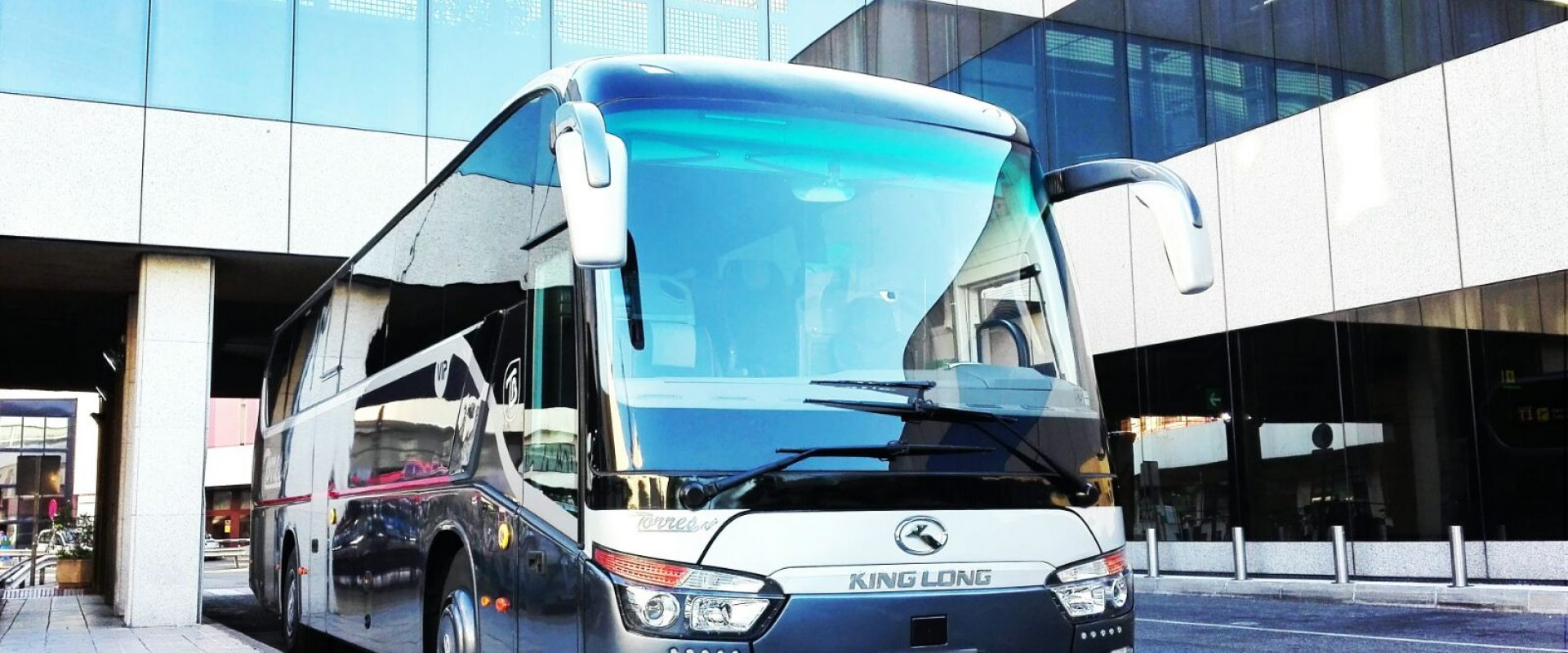
And here’s the kicker: a modern fleet—like the one Torres Bus offers—means you’re not just getting a vehicle, you’re getting comfort, safety features, and even options for reduced‑mobility passengers, all wrapped in a punctual service.
Think about the peace of mind that comes from knowing your group will arrive at the hotel or venue right on schedule, with the driver handling everything from door‑to‑door assistance to a quick coffee stop if you need a breather.
Does this sound like the kind of hassle‑free experience you’ve been searching for? If so, stay with us. We’ll walk you through the key factors to consider, the common pitfalls to avoid, and the simple steps to secure the perfect alquiler autocar con conductor Madrid for any occasion.
Let’s dive in and make your next group journey as effortless as a conversation over coffee.
TL;DR
Want a stress‑free group ride in Madrid—corporate, wedding, or tour? Choose alquiler autocar con conductor Madrid for a local driver and modern, comfortable fleet today.
We’ll guide you through key factors, common pitfalls, and simple booking steps so you can relax and enjoy the journey without any traffic worries peacefully.
Understanding alquiler autocar con conductor Madrid: Services and Benefits
When you’re juggling a corporate off‑site, a wedding party, or a school field trip, the last thing you want is a transport nightmare. That’s where alquiler autocar con conductor Madrid steps in – a full‑service coach that brings a professional driver, a comfortable vehicle, and peace of mind all in one package.
What exactly is included?
First off, you get a licensed, Madrid‑savvy driver who knows the shortcuts around the Gran Vía, the best drop‑off points near historic sites, and the timing of rush‑hour bottlenecks. The driver isn’t just a wheel‑turner; they handle door‑to‑door assistance, luggage loading, and even a quick coffee stop if the group needs a breather.
The coach itself can range from a 7‑seat luxury van for an executive team to a 70‑seat coach for a university excursion. All vehicles come equipped with seat belts, climate control, and optional Wi‑Fi – a must for a day of presentations on the road. Some models even offer wheelchair‑accessible ramps, meeting the needs of PMR passengers without extra hassle.
Real‑world scenarios
Imagine you’re planning a corporate retreat to Segovia. You book a 25‑seat coach, the driver meets you at Barajas, and by the time you roll out of the city centre you’ve already settled in, checked the agenda on the onboard Wi‑Fi, and enjoyed a panoramic view of the Aqueduct. No one worries about parking, and the team arrives refreshed and ready to dive into strategy sessions.
Or picture a wedding party of 40 guests heading to the historic Palacio Real. The driver knows the best route to avoid the Saturday evening traffic, and the coach’s plush seats keep everyone comfortable for the short but important ride to the ceremony. The bride’s mother even gets a small glass of sparkling water offered by the driver – a personal touch that turns a simple transfer into a memorable part of the day.
For a school trip to Toledo, the coach’s large luggage compartment holds all the backpacks, while the driver, trained in child safety protocols, ensures the group stays together and the itinerary runs on time. The teacher can focus on the history lesson instead of navigating the road.
Actionable steps to secure the right service
1. Define your group size and needs. Count passengers, note any accessibility requirements, and decide on amenities (Wi‑Fi, onboard restroom, audio‑visual equipment).
2. Map your itinerary. List pick‑up points, stops, and final destination. This helps the provider suggest the optimal vehicle.
3. Request a detailed quote. Ask for a breakdown: vehicle type, driver hours, fuel surcharge, and any extra services like a guide or refreshments.
4. Verify driver credentials and insurance. A reputable company will provide proof of a valid commercial driver’s license and comprehensive liability coverage.
5. Confirm accessibility. If you have reduced‑mobility guests, double‑check that the coach has a ramp or lift and enough space for wheelchairs.
6. Lock in the booking at least two weeks in advance. This gives the provider time to assign the perfect coach and allows you to request a vehicle walk‑around before the day.
Expert tip
Ask the company for a Choosing the Right alquiler autocar con conductor Madrid checklist. It usually includes a quick pre‑trip inspection, a review of the driver’s route plan, and a confirmation of any on‑board amenities you’ve requested.
According to Spain’s Ministry of Transport, group travel by coach reduces carbon emissions per passenger by up to 70% compared to private cars, making it an eco‑friendly choice for corporate sustainability goals. The official Madrid tourism site also highlights that many popular attractions provide dedicated coach parking, cutting down on city‑center congestion.

Choosing the Right Vehicle Size for Your Group
Ever stared at a spreadsheet of guest numbers and thought, “Do I need a tiny van or a full‑blown coach?” You’re not alone. Picking the right vehicle size is the sweet spot between comfort, cost, and that feeling of “we’ve got this” the moment the doors close.
Microbus: the intimate‑group hero (7‑12 seats)
If you’re shuffling a handful of executives, a small wedding party, or a family outing, a microbus feels like a luxury car on wheels. With a length of about 4‑5 m, you can zip through narrow Madrid streets and park closer to historic sites. The downside? You won’t have room for a large luggage stash, so keep the suitcases light.
Think of it as the “cozy couch” of group transport – you get privacy, a personal driver, and the ability to stop for a quick espresso without blocking traffic.
Minibus: the versatile workhorse (13‑25 seats)
When your headcount grows past a dozen, the minibus bridges the gap. At roughly 6‑8 m long, it still maneuvers easily but adds enough space for a few extra bags, a portable Wi‑Fi router, or even a small presentation screen for a corporate briefing.
Many event planners love this size because it feels like a “mini‑coach” without the higher fuel surcharge of a full‑size bus. Plus, a minibus can often fit into standard parking bays near museums or conference centers.
Midibus or Coach: the grand‑scale solution (26‑70 seats)
For school trips, large corporate roadshows, or wedding entourages that could fill a banquet hall, you’ll want a midibus or full coach. These vehicles range from 8‑11 m (midibus) up to 13‑14 m for a 70‑seat coach. They come with climate control, onboard restrooms, and sometimes even a speaker system.
The trade‑off is price and the need for a dedicated parking space, but the comfort payoff is massive – especially on longer routes to places like Toledo or Segovia.
How to match size to need
1️⃣ Count every seat. Include the driver, any staff, and even the occasional “plus‑one.”
2️⃣ Measure luggage volume. A rule of thumb: one large suitcase per passenger plus a 20 % buffer for gifts or equipment.
3️⃣ Consider accessibility. If you have wheelchair users, request a ramp‑compatible coach – most 25‑seat and larger models have this built in.
4️⃣ Factor in itinerary length. For trips under two hours, a microbus or minibus is fine. Anything longer, especially with meals on board, deserves the extra space of a coach.
5️⃣ Check local regulations. Madrid’s traffic zones sometimes restrict vehicle length in historic districts. A smaller vehicle can save you a detour fee.
Real‑world snapshot
Last month, a tech conference organizer booked a 25‑seat minibus for 22 attendees plus a speaker. The driver slipped through the narrow Calle Mayor, dropped them off at the conference center, and even helped set up a portable charger. The group saved about 15 % on fuel compared to a 50‑seat coach, and everyone felt “roomy enough” for a quick power‑nap.
Contrast that with a university field trip of 60 students. The university chose a 70‑seat coach, which meant everyone could sit together, store backpacks, and still have space for a guide’s audio equipment. The trip ran smoothly, and the faculty praised the “spacious, quiet ride.”
Quick checklist before you book
- Exact headcount (including driver)
- Luggage per person
- Accessibility needs
- Parking constraints at pick‑up/drop‑off
- Trip duration and amenities required
Once you’ve ticked those boxes, you’ll know whether a microbus, minibus, or coach fits your scenario best. And remember, the right size isn’t just about seats – it’s about creating a stress‑free experience for everyone on board.
For a deeper dive into vehicle classifications, Wikipedia breaks down the differences between microbus, minibus, and midibus. Meanwhile, Spain’s Ministry of Transport confirms that larger coaches dramatically cut per‑passenger emissions, making the coach option a greener choice for big groups according to official data.
Step‑by‑Step Booking Process for an Autocar with Driver
So you’ve decided that an alquiler autocar con conductor Madrid is the smoothest way to move your group. Great choice – you’re already one step ahead of the traffic nightmare.
Step 1 – Pin down the numbers
Start with a quick headcount. Include every passenger, the driver, and any extra staff like a guide. Then ask yourself: how much luggage will each person bring? A good rule of thumb is one large suitcase plus a small bag per guest. Jot these figures down; they’ll be the backbone of your quote.
Does anyone need a wheelchair ramp or a special seat? If you’re not sure, a quick email to your attendees clears up any doubt before you call the provider.
Step 2 – Sketch the itinerary
Map out every pick‑up and drop‑off point, even the coffee break in between. Note any low‑clearance streets or historic zones where vehicle size matters. This helps the company suggest the perfect size – a minibus for a tight city tour, or a full‑size coach for a day‑trip to Segovia.
Tip: pull up Google Maps and drop a pin for each location. You’ll spot potential parking constraints without leaving your desk.
Step 3 – Reach out for a detailed quote
Contact Torres Bus with the numbers and itinerary. Ask for a line‑item breakdown: vehicle type, driver hours, fuel surcharge, any extra services like Wi‑Fi or on‑board refreshments.
When the quote arrives, compare it against at least one other provider – not to poach, but to make sure you’re getting fair pricing. Coach specifications on Wikipedia give you a quick reference for seat counts and typical fuel consumption.
Step 4 – Verify driver credentials
Ask for proof of a valid commercial driver’s licence and insurance coverage. A reputable company will gladly email you the documents. If they hesitate, that’s a red flag.
Also, confirm the driver speaks enough English (or the language your group needs). A friendly driver can turn a simple transfer into a mini‑tour.
Step 5 – Confirm accessibility and amenities
Double‑check that the coach has a ramp or lift if required, and that there’s enough space for luggage, a stroller, or any equipment you plan to bring. If you need on‑board Wi‑Fi, a power outlet, or a portable charger, lock those in now.
According to Spain’s Ministry of Transport, coaches that meet accessibility standards also tend to have lower emissions per passenger, a nice bonus for sustainability‑focused events.
Step 6 – Lock in the booking
Once everything checks out, sign the contract and pay the deposit (usually 30 %). Ask for a written confirmation that includes the vehicle’s registration, driver’s name, and a contact number for the day of the trip.
Schedule a pre‑trip walk‑around if you can. Seeing the interior and confirming the amenities in person saves surprises on the day.
Step 7 – Final checklist the day before
Send a reminder email to the driver with the exact pick‑up times, contact numbers, and any last‑minute changes. Share the passenger list so the driver can greet everyone by name.
Pack a small kit with extra water bottles, a few snacks, and a printed copy of the itinerary – just in case the phone dies.
Quick reference table
| Step | Action | Pro tip |
|---|---|---|
| 1 | Count passengers & luggage | Add 10 % buffer for unexpected bags |
| 3 | Request detailed quote | Compare seat‑to‑fuel ratio on Wikipedia |
| 6 | Sign contract & pay deposit | Ask for a pre‑trip vehicle walk‑around |
There you have it – a clear, human‑friendly roadmap from “I need a bus” to “We’re on the road, coffee in hand.” Follow these steps, and you’ll avoid the common pitfalls that turn a simple transfer into a logistical nightmare. Ready to hit send on that email?
Cost Factors and How to Get the Best Price
When you start looking at alquiler autocar con conductor Madrid, the price tag can feel like a mystery box. One minute you see a low figure, the next you’re hit with hidden surcharges and you wonder, «Did I miss something?» Let’s pull back the curtain and talk about the real cost drivers, then give you a cheat‑sheet for squeezing the best value without compromising comfort.
1. Base Rate: Vehicle Size and Age
At the core, providers charge per vehicle class. A microbus (7‑12 seats) will cost roughly 30‑40 % less than a full‑size coach (25‑70 seats). The reason? Smaller engines, lower fuel consumption, and a lighter chassis. If the fleet is newer – say a 2022 model – you’ll pay a premium for the latest safety tech and cleaner emissions. Older buses can be cheaper, but they might lack Wi‑Fi or air‑conditioning upgrades that your group expects.
For example, a tech conference in Madrid hired a 20‑seat minibus from Torres Bus for €850 per day. A comparable coach for the same route would have been around €1,200. The savings came from a lower fuel‑to‑seat ratio and a reduced driver‑hours surcharge.
2. Fuel Surcharge & Distance
Fuel isn’t static, and most companies add a daily fuel surcharge that tracks the Euro‑zone diesel price. According to the European Commission’s road vehicle fuel statistics, diesel prices in Spain have hovered between €1.40 and €1.70 per litre over the past year. A typical 300‑km round‑trip will add €50‑€80 to the invoice, depending on the vehicle’s fuel efficiency.
Tip: ask for a transparent fuel‑surcharge formula (e.g., €0.12 per litre above the baseline) so you can calculate the exact amount before you sign.
3. Driver Hours and Overtime
Spanish regulations limit driver work to 9 hours per day, with mandatory rest periods. If your itinerary pushes beyond that, you’ll pay overtime or need a second driver. That can add €100‑€150 per extra shift. A real‑world case: a wedding party in Toledo required a late‑night return, so the company added a second driver for €130, which the couple considered worthwhile for safety and peace of mind.
4. Extras That Add Up
Wi‑Fi, bottled water, on‑board toilets, and climate‑control are often listed as “optional”. Each can be €20‑€50 per day. If you need a wheelchair‑compatible ramp, expect an additional €30‑€60, but it’s a small price for accessibility.
Pro tip: bundle extras into a single package (e.g., “Premium Comfort Package”) – providers often discount the bundle versus a la carte pricing.
5. Seasonal & Location Factors
Peak tourism months (May‑September) and major holidays drive prices up by 10‑15 %. Conversely, mid‑week bookings in the off‑season can shave 5‑10 % off the base rate. Also, if you’re traveling to low‑emission zones in central Madrid, some companies charge a small city‑entry fee.
How to Get the Best Price – Actionable Checklist
Step 1: Define the exact itinerary. Write down every pick‑up, drop‑off, and estimated mileage. The clearer you are, the fewer surprise kilometers the provider will add.
Step 2: Request a line‑item quote. Insist on separate rows for base rate, fuel surcharge, driver hours, and each extra. Compare at least two vendors – even if you plan to book with Torres Bus, a side‑by‑side quote gives you leverage.
Step 3: Negotiate the fuel surcharge. Explain that you’ll monitor diesel prices and ask for a cap (e.g., “no higher than €0.15 per litre above the baseline”).
Step 4: Bundle and lock in early. Early‑bird discounts of 5‑7 % are common if you confirm the booking 4‑6 weeks ahead.
Step 5: Verify insurance and permits. Make sure the company’s liability coverage is included; a hidden insurance fee can pop up later. The Spanish Ministry of Transport’s site outlines the mandatory insurance levels for passenger transport.
Finally, ask for a “price‑lock” clause in the contract. It guarantees that the quoted amount won’t change unless your itinerary does.
By breaking down each cost element and following the checklist, you turn a vague quote into a transparent, negotiable offer. The result? You get the right vehicle, the right driver, and a price that feels fair – all without sacrificing the premium experience you expect from a family‑owned operator like Torres Bus.
Ready to put these steps into action? Grab a pen, sketch your route, and start those phone calls. You’ll be surprised how quickly the numbers line up in your favor.
Top Use Cases: Weddings, Airport Transfers, Corporate Events, and Day Trips
1. Weddings – Arriving in Style
Imagine the bride stepping out of a sleek 20‑seat minibus, veil fluttering, while guests are already settled with a glass of cava. That’s the kind of seamless entrance that turns a wedding from “nice” to unforgettable. In Madrid, couples often choose a luxury coach because it eliminates the chaos of multiple cars and parking hassles.
Real‑world example: a recent ceremony in the historic center of Segovia hired a 12‑seat microbus from Torres Bus. The driver arrived 30 minutes early, opened the ramp for grandparents with mobility aids, and even helped unload the wedding cake box. The couple saved €200 by bundling the ride with a complimentary bottle of sparkling water – a typical “wedding perk” many operators offer.
Action steps:
• List every guest’s arrival time and any special needs.
• Ask the provider for a “Wedding Package” that includes a driver in formal attire and onboard refreshments.
• Confirm a contingency plan for rain‑day pick‑ups (e.g., covered loading zones).
2. Airport Transfers – Stress‑Free Door‑to‑Gate
Airport transfers are the bread‑and‑butter of alquiler autocar con conductor Madrid services. Travelers hate juggling luggage, taxis, and unpredictable traffic. A single coach that picks up the whole group at a hotel, drops them at Barajas, and returns with the same driver eliminates that anxiety.
Consider the tech conference in Madrid last spring: 80 attendees needed shuttles from the hotel to the airport at three different times. By booking two 40‑seat coaches in advance, the organizer avoided a €1,200 penalty that the airport imposes for missed check‑in windows. The provider even supplied live flight‑track updates via a tablet on board, keeping everyone informed.
Practical checklist:
• Share flight numbers at least 48 hours before arrival.
• Request a fuel‑surcharge cap (e.g., no more than €0.12 per litre above the baseline).
• Verify that the driver knows the exact terminal and can handle oversized luggage.
3. Corporate Events – Professional Image Meets Comfort
When you’re hosting a board‑room retreat or a product launch, the way you transport your guests says a lot about your brand. A polished coach with Wi‑Fi, power outlets, and a climate‑control system turns a 2‑hour drive into a mobile office.
Case in point: a multinational firm organized a roadshow across three Spanish cities. They booked a 30‑seat executive coach equipped with a mini‑conference setup – a flip‑down screen and speaker system. The driver, fluent in English and German, acted as a “tour guide,” pointing out local landmarks during breaks. The client reported a 15 % boost in post‑event satisfaction scores, citing the comfortable travel experience as a key factor.
Tips for a smooth corporate ride:
• Insist on a “Premium Comfort Package” that bundles Wi‑Fi, USB ports, and on‑board refreshments.
• Schedule a pre‑trip walk‑around to verify seat configuration and AV equipment.
• Include a “price‑lock” clause so any itinerary change won’t inflate the bill.
4. Day Trips – Turning a Simple Outing into an Experience
From Toledo’s medieval streets to the vineyards of Ribera del Duero, day trips are the perfect way to showcase Spain’s diversity. A coach lets you move a group of 25‑50 people without the headache of coordinating multiple cars.
One tourism operator booked a 45‑seat coach for a sunrise tour of El Escorial. The driver started the engine at 6 am, allowing passengers to enjoy a warm coffee while the bus climbed the hill. Because the route was pre‑planned with scenic pull‑overs, the guide could stop for a brief history lesson without worrying about traffic delays.
Actionable steps:
• Map out every stop and share it with the driver a week ahead.
• Ask for a “Scenic Package” that includes a portable PA system for the guide.
• Verify that the vehicle meets the latest emissions standards – the European Commission notes lower emissions per passenger for modern coaches.
So, whether you’re planning a fairy‑tale wedding, a punctual airport shuttle, a polished corporate gathering, or an unforgettable day trip, alquilar un autocar con conductor in Madrid becomes the backbone of a flawless event. By defining your exact needs, negotiating clear line‑item pricing, and leveraging the little perks that providers often hide, you’ll turn a logistical challenge into a smooth, memorable experience.
Conclusion
After walking through pricing tricks, checklist steps, and real‑world stories, you probably feel a bit more confident about hiring a coach in Madrid.
Remember, the magic happens when you turn a vague idea into a concrete, line‑item quote –that’s the difference between a surprise bill and a smooth ride.
So, what’s the next move? Grab a notebook, sketch your itinerary, and reach out to a trusted family‑owned operator like Torres Bus. Ask for a “price‑lock” clause and a clear list of extras –you’ll know exactly what you’re paying for.
Think about the moments you’ve imagined: guests stepping off a polished bus at a wedding, a group watching the sunrise over El Escorial, or executives reviewing slides while the coach cruises to the airport. All of those become reality when you define your needs up front.
One final tip: schedule a quick pre‑trip walk‑around. Verify seat layout, Wi‑Fi, and any accessibility features. A few minutes now saves headaches later.
If you’re ready to transform logistics into a memorable part of your event, the door is already open. Let’s make that alquiler autocar con conductor Madrid experience effortless and enjoyable.
Don’t wait for the perfect moment; the perfect ride is just an email away. Reach out today and lock in your dates before peak season drives prices up.
FAQ
What does «alquiler autocar con conductor Madrid» actually include?
When you hire a coach with a driver in Madrid, you’re getting the vehicle, a licensed professional behind the wheel, and usually fuel, insurance, and basic amenities like Wi‑Fi or air‑conditioning. Some operators also bundle a short welcome drink or bottled water, especially for weddings or corporate trips. The key is that everything is packaged together so you don’t end up paying for hidden mileage or overtime later.
How can I get a transparent, line‑item quote from a Madrid coach company?
Start by sending a detailed itinerary – pick‑up points, drop‑off locations, expected departure times, and any stops you want. Ask the provider to break down the quote into rows: base rate, fuel surcharge, driver hours, extra services (e.g., onboard Wi‑Fi, wheelchair lift). Compare at least two operators; the side‑by‑side spreadsheet will reveal who’s really offering value.
Are there extra fees I should watch out for when hiring a bus in Madrid?
Yes, a few common ones pop up if you’re not careful. Look for city‑entry fees for low‑emission zones, night‑time surcharges, and extra charges for exceeding the agreed mileage. Some companies add a “clean‑up” fee for excessive litter inside the coach. Asking for a written list of all possible add‑ons up front lets you negotiate them away or at least budget for them.
What size vehicle should I choose for a wedding versus a corporate event?
For a wedding, you usually want a comfortable ride for guests plus a little extra room for décor or a cake box – a 12‑ to 20‑seat minibus works well. Corporate events often need space for laptops, power outlets, and maybe a small screen, so a 30‑seat executive coach is the sweet spot. Always map out how many seats you need for passengers and how much equipment you’ll bring.
Can I request a price‑lock clause and how does it work?
Absolutely. A price‑lock means the quoted amount stays fixed as long as your itinerary doesn’t change. It protects you from fuel‑price spikes or sudden seasonal hikes. Get the clause in writing, and double‑check that it covers fuel surcharge caps, driver overtime, and any optional extras you’ve already approved.
How do I verify accessibility and safety features before the trip?
Ask the operator for photos of the exact coach you’ll get, focusing on the wheelchair ramp, handrails, and seatbelts. If possible, schedule a quick walk‑around a day before the departure – check that the emergency exits aren’t blocked and that the driver’s licence is up to date. Many companies also provide a safety checklist you can review in advance.
What’s the best way to book last‑minute but still avoid price spikes?
If you’re close to the event date, call the provider directly instead of relying on online forms – you can negotiate on the spot. Ask if they have any “last‑minute availability” discounts or if they can bundle a short‑term price‑lock. Booking during the weekday, rather than a weekend, often yields a lower rate, and confirming the exact route helps prevent surprise mileage fees.