
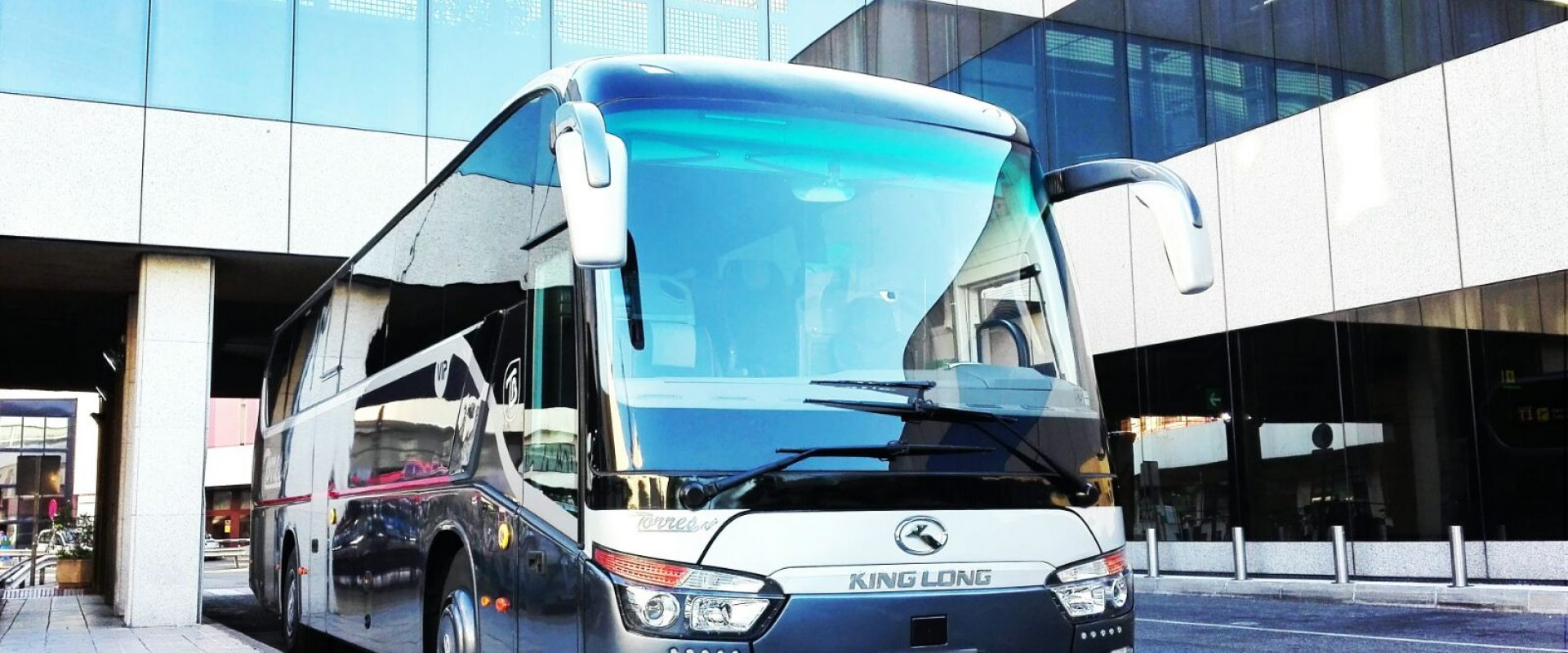
Picture this: you’ve just landed at Barajas, the sun is glinting off the airport windows, and a sleek, comfortable coach is waiting with a friendly driver ready to whisk your group to the heart of Madrid.
But what if the bus you booked turns out to be cramped, late, or lacking the little touches that make a trip feel premium?
That’s the exact moment we at Torres Bus step in, because we know that alquiler autocar con conductor Madrid is more than just a ride—it’s the first impression of your entire event.
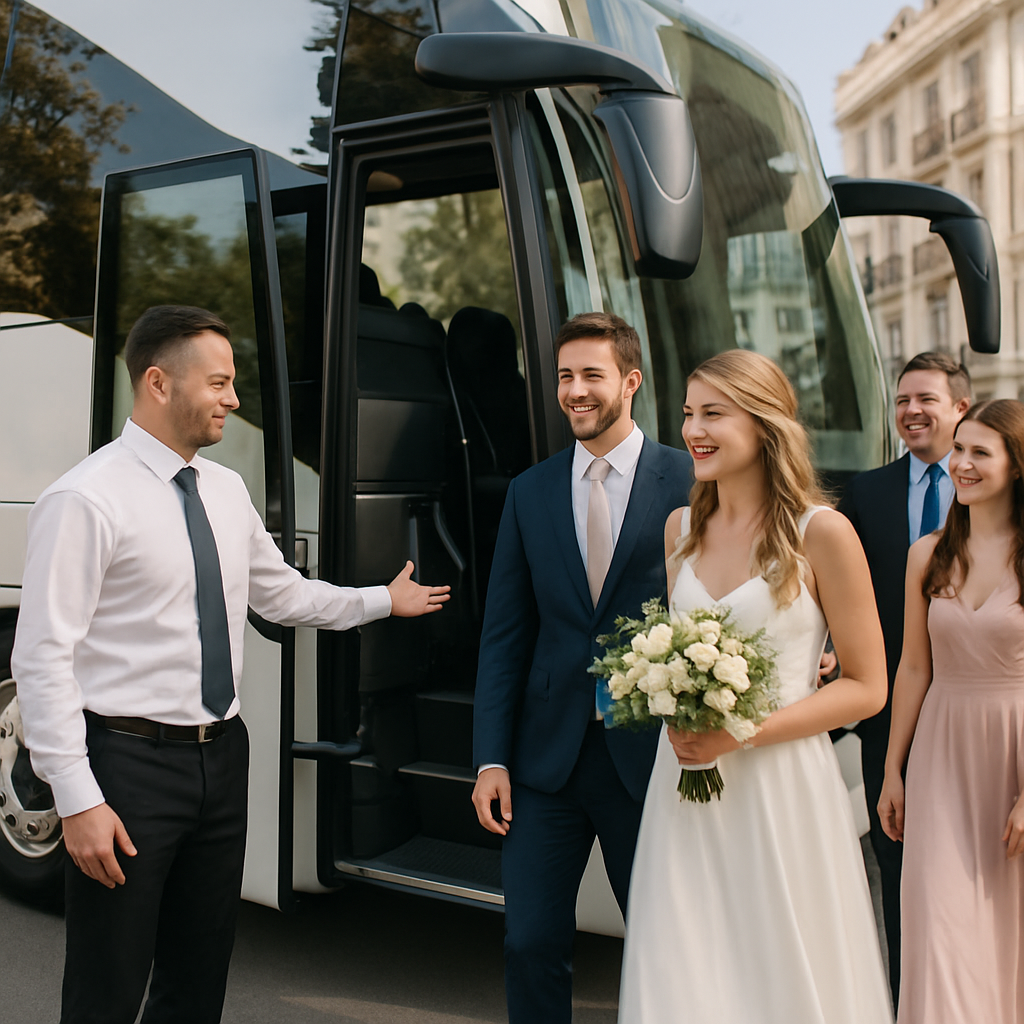
Whether you’re planning a wedding convoy, a corporate roadshow, or a school excursion to Toledo, you deserve a vehicle that matches the occasion’s vibe and a driver who treats your schedule like a promise.
Our fleet ranges from intimate 7‑seat vans for boutique groups to 70‑seat coaches for massive gatherings, all equipped with modern amenities, wheelchair‑accessible ramps, and climate control that keeps everyone comfortable.
You might wonder how to pick the right size and features without drowning in options. A quick tip: start by counting the total number of guests, then add a couple of extra seats for unexpected arrivals or luggage.
Once you know the capacity, think about the journey itself—do you need Wi‑Fi for a business briefing, a mini‑bar for a celebration, or a quiet cabin for a school trip?
Our drivers are not just chauffeurs; they’re locals who can suggest a hidden tapas bar in La Latina or the best viewpoint for sunset over the Royal Palace, turning transport time into a mini‑tour.
If you’re still unsure which option fits your needs, How to Choose and Book alquiler autocar con conductor Madrid for Any Occasion walks you through the decision‑making process step by step, from budgeting to booking, so you can relax and enjoy the ride.
TL;DR
If you need hassle‑free, comfortable transport for any Madrid event, alquiler autocar con conductor Madrid from Torres Bus delivers the right size, amenities, and a knowledgeable driver.
Just count guests, add a couple of seats, pick Wi‑Fi or a mini‑bar if you like, and relax knowing you’re in safe, punctual hands.
Step 1: Define Your Transport Needs
Before you even think about the make or model, pause and ask yourself: what experience do you want your guests to have from the moment they step onto the bus?
1. Assess the core group size
Start with a simple spreadsheet. List every attendee, then add a “+2” buffer for late‑comers or extra luggage. For a wedding, that might mean 120 guests plus the bridal party, so you’re looking at a 70‑seat coach and a 20‑seat mini‑bus. For a corporate workshop of 35 people, two 18‑seat minibuses often do the trick.
Real‑world tip: a recent survey of Spanish event planners showed that 68 % of them underestimated the need for extra seats, leading to cramped trips and unhappy clients. Statista’s data on bus passenger trends confirms that capacity planning is the single biggest cause of on‑the‑day hiccups.
2. Map the journey and timing
Write down every pick‑up and drop‑off point, then estimate travel time with a 15‑minute safety margin for traffic in Madrid’s rush hour. If you’re shuttling a school group from Atocha to Toledo, factor in the 30‑minute highway stretch plus any planned stops at historic sites.
Ask yourself: do you need a driver who can also act as a local guide? Torres Bus drivers love to slip in a quick recommendation for a hidden tapas bar, turning a plain transfer into a mini‑tour.
3. Identify must‑have amenities
- Wi‑Fi – essential for business briefings or keeping teens entertained.
- On‑board charging ports – a lifesaver for tablets during a museum tour.
- Mini‑bar or water service – perfect for wedding convoys.
- Climate control – Madrid can swing from 10 °C mornings to 35 °C afternoons.
Tip: if you’re planning a multi‑day corporate roadshow, request a coach with a small restroom. It sounds minor, but it saves everyone from frantic bathroom hunts at every rest stop.
4. Accessibility and special requests
Never assume everyone can climb a few steps. Ask early if any passenger needs a wheelchair‑accessible ramp or a seat with extra lumbar support. Torres Bus offers PMR‑adapted vehicles, so you can match the bus to the group’s needs without extra hassle.
According to the European Commission, over 10 % of public transport users in Spain require some form of assistance. EU passenger transport guidelines recommend that providers disclose accessibility options at booking.
5. Create a quick checklist
Print this and run it by your team:
- Count guests + 2.
- List all stops, add 15 min per stop for traffic.
- Mark required amenities (Wi‑Fi, power, bar, restroom).
- Confirm accessibility needs.
- Set a budget ceiling and compare with Torres Bus’s transparent pricing.
When you walk through this checklist, you’ll have a crystal‑clear brief to hand to the driver or booking agent. That’s how you turn “I need a bus” into “I’m getting exactly the right bus for my event”.

Step 2: Choose the Ideal Vehicle Type
Now that you’ve nailed the guest count and the must‑have amenities, the next question is: what size of vehicle actually feels right for the vibe you’re creating? It’s not just about fitting heads together – it’s about the experience you want people to have while the wheels are turning.
Match the vehicle to the event’s personality
Think of a wedding convoy. You want elegance, space for a champagne toast, maybe a little room for a photographer to move around. A 70‑seat luxury coach with high‑back seats, ambient lighting and a mini‑bar does the trick. Contrast that with a corporate roadshow where you need a focused environment for a presentation – two 18‑seat minibuses equipped with Wi‑Fi and power outlets keep the energy tight and the discussion on track.
And what about a school trip to Toledo? You’ll need a vehicle that’s easy for chaperones to supervise, preferably with a small restroom so you don’t have to stop every 30 minutes. Torres Bus’s 45‑seat coach with a rear‑door restroom is a common pick for that scenario.
Three quick criteria to narrow the pool
- Seating layout: Do you need a theater‑style arrangement (rows facing forward) for a briefing, or a lounge‑style layout with tables for a relaxed networking session?
- Storage space: Count the luggage, equipment, or catering supplies. A mini‑bus may look perfect on paper, but if you’re hauling three suitcases per guest, you’ll quickly run out of room.
- Accessibility features: Remember the 10 % of passengers who may need a ramp or extra lumbar support. Choosing a PMR‑adapted vehicle early avoids last‑minute scrambling.
But how do you translate those criteria into a concrete decision? Here’s a step‑by‑step worksheet you can print and fill out on the spot.
Step‑by‑step vehicle‑selection worksheet
- Write down the event type (wedding, corporate, school, etc.).
- List the total number of passengers, then add +2 for unexpected guests.
- Identify the preferred seating style – theater, lounge, or mixed.
- Calculate total luggage volume (estimate 20 L per person for a day trip, 40 L for overnight).
- Mark any accessibility requirements (ramp, wheelchair space, extra legroom).
- Cross‑check against Torres Bus’s fleet chart (7‑seat van, 12‑seat minibus, 18‑seat mini‑coach, 45‑seat coach, 70‑seat coach).
- Choose the smallest vehicle that meets all five checks – this keeps costs down while still delivering comfort.
And here’s a real‑world example: A tech startup planned a two‑day off‑site for 28 employees plus a speaker with demo equipment. Using the worksheet, they landed on a 30‑seat coach with a rear lounge area, built‑in Wi‑Fi, and a power hub for the demo gear. The result? No one felt cramped, the speaker’s laptop stayed charged, and the budget stayed 12 % under the original estimate.
Expert tip: “Future‑proof” your choice
Even if you think the event will be a one‑off, consider whether the same vehicle could serve future needs. A 45‑seat coach that can be reconfigured into a 18‑seat mini‑coach with removable tables becomes a versatile asset for multiple bookings. Torres Bus’s modular interiors let you switch layouts between trips – a small investment that pays off in flexibility.
Another pro move is to ask the driver about on‑board climate control settings for the season. In summer, a coach with automated sun‑shades can keep the cabin 5 °C cooler, while winter‑time heaters prevent that “cold‑metal” feeling that ruins a morning briefing.
Data‑backed reassurance
According to the EU passenger transport guidelines, providers must disclose accessibility options and capacity limits at booking – a rule that Torres Bus follows to the letter. Meanwhile, the International Transport Forum notes that choosing the right vehicle size can reduce fuel consumption by up to 15 % compared to over‑capacity buses (ITF‑OECD transport insights), which means you’re not just saving money, you’re also being greener.
So, what’s the final action?
- Grab the worksheet above and fill it out with your team.
- Match each criterion to the nearest vehicle on Torres Bus’s fleet.
- Confirm the choice with a quick call to the booking agent, mentioning any accessibility or layout tweaks.
When you walk away with a vehicle that ticks every box, you’ll feel the same confidence that comes from knowing the bus itself will be a smooth, comfortable extension of your event’s brand.
Step 3: Compare Providers, Prices & Services
Okay, you’ve nailed the vehicle size and the must‑have amenities. Now it’s time to put the providers side by side and see which one actually gives you the best bang for your buck.
First thing’s first: write down every company you’re considering – Torres Bus, a couple of local coach firms you’ve heard about, maybe even a national charter operator. Don’t stop at the names; jot down the exact vehicle model they propose, the seating layout, and any extra perks they brag about (like free Wi‑Fi or a mini‑bar).
Gather concrete quotes, not vague “we’ll get back to you” emails
Ask each provider for a written quote that breaks down the total cost, the per‑hour rate, fuel surcharge, driver’s fee, and any optional add‑ons. A clear spreadsheet makes the math painless.
Tip: ask them to include a “price per seat” column – that instantly tells you if you’re overpaying for empty seats.
Normalize the numbers
Take the raw price and adjust for three things:
- Distance (kilometres) – longer trips naturally cost more.
- Duration (hours) – a 5‑hour hire with a 12‑seat minibus isn’t comparable to an 8‑hour luxury coach.
- Included amenities – Wi‑Fi, power outlets, onboard restroom, and climate control should be treated as value, not as hidden costs.
Once you have a cost‑per‑seat‑hour figure, you can compare apples to apples.
Check hidden fees and policies
Many quotes look cheap until you read the fine print. Look for extra mileage caps, night‑time surcharges, toll reimbursements, and cancellation policies. Write a short checklist and tick each provider against it.
For example, one Madrid‑based operator charges €15 per extra kilometre after 200 km – that can add up fast on a day‑trip to Segovia.
Evaluate service quality and safety
Price is only half the story. A cheap coach with a cracked seat or an inexperienced driver will ruin the event. Look for the following:
- Driver’s licence class and years of experience.
- Vehicle age and last safety inspection date.
- Customer reviews on Google or Trustpilot – focus on recent comments about punctuality and cleanliness.
According to the EU passenger transport guidelines, providers must keep safety certificates up‑to‑date, so a quick request for that document is a legit way to weed out lazy operators.
Real‑world example: wedding convoy
Maria was planning a 120‑guest wedding in Madrid. She compared three offers:
- Torres Bus: 70‑seat luxury coach + 12‑seat van, €2,200 total, includes climate control, onboard bar, and a driver who spoke English.
- Local Coach Co.: 80‑seat coach, €2,000 total, but no Wi‑Fi, and a €50 fuel surcharge per hour.
- National Charter Ltd.: 70‑seat coach, €2,500 total, with a premium driver and complimentary champagne.
When she ran the numbers, Torres Bus’s cost per seat‑hour was the lowest, and the extra amenities matched her wedding vibe. The decision was clear.
Real‑world example: corporate roadshow
A tech firm needed two 18‑seat minibuses for a three‑day conference tour across Spain. Provider A quoted €1,800 per bus but offered no onboard power. Provider B (Torres Bus) quoted €2,000 per bus, including 4 kW power hubs and a driver who could double as a tech‑support guide.
The extra €200 paid off when the presenter’s demo laptop never died, and the team saved an estimated €600 in separate generator rentals.
Expert tip: weight your priorities
Not every event values the same things. Create a simple scoring matrix – give each criterion (price, Wi‑Fi, driver experience, accessibility, extra fees) a weight from 1 to 5 based on how crucial it is for your event. Multiply the provider’s rating by the weight, add them up, and the highest total wins.
Here’s a quick template you can copy‑paste into Google Sheets:
| Provider | Price (per seat‑hour) | Wi‑Fi | Driver Experience | Accessibility | Total Score |
|---|---|---|---|---|---|
| Torres Bus | €3.5 | 5 | 5 | 4 | ?? |
| Local Coach Co. | €3.2 | 2 | 3 | 3 | ?? |
| National Charter Ltd. | €4.0 | 4 | 5 | 5 | ?? |
Fill in the “??” with your weighted calculations and you’ll see the numbers speak for themselves.
Final checklist before you sign
- Confirm the exact vehicle model and seating layout.
- Ask for a copy of the latest safety inspection.
- Verify that fuel, tolls, and night‑time surcharges are disclosed.
- Make sure any accessibility equipment (ramps, wheelchair spaces) is included.
- Get the driver’s contact info and confirm language skills if needed.
When you tick all these boxes, you’ll feel confident that the provider you choose – often Torres Bus, thanks to its transparent pricing and modern fleet – will deliver a smooth, worry‑free ride.
So, grab your spreadsheet, plug in the numbers, and let the data guide you to the best “alquiler autocar con conductor Madrid” deal for your event.
Step 4: Book, Confirm Logistics & Documentation
Alright, you’ve narrowed down the perfect coach – now it’s time to lock it down. Think of this step as the handshake that turns a good plan into a guaranteed ride.
First thing’s first: grab the quote you’ve already compared and ask the provider to send you a formal booking confirmation. A PDF that lists the vehicle model, seating layout, departure time, and total price is your safety net. If you’re working with Torres Bus, you’ll get a clear one‑page sheet that also flags any extra mileage or night‑surcharge clauses.
1. Verify every line item
Don’t just skim the total – walk through each cost component:
- Base hire fee (per hour or per day)
- Fuel surcharge (percentage or flat rate)
- Tolls and parking fees
- On‑board amenities like Wi‑Fi, power outlets, or a mini‑bar
- Accessibility equipment (ramps, wheelchair spaces)
Ask the driver’s contact number and confirm language skills if you need announcements in English or Spanish. A quick “Hey, can you confirm you speak English?” saves awkward moments on the road.
2. Secure the paperwork
Most reputable operators will ask you to sign a contract and provide a copy of your ID or company registration. This isn’t just bureaucracy; it protects both sides if something goes sideways.
Make sure the contract includes:
- Cancellation policy (how many days notice and any fees)
- Liability limits for luggage loss or passenger injury
- Insurance certificates – you should see a valid civil‑liability policy listed
- Confirmation that the vehicle meets EU safety standards (look for the CE mark)
For peace of mind, you can cross‑check the insurance requirement against the EU passenger rights for charter services. It spells out the minimum coverage you should expect.
3. Double‑check logistics a day before
Send a short email or WhatsApp to the driver with the exact pickup address, a landmark, and a contact name. Include a reminder about any special requests – like a cooler for drinks or a Bluetooth speaker for background music.
Here’s a quick checklist you can copy‑paste:
- Vehicle registration number
- Driver’s name and phone
- Departure time (add a 15‑minute buffer)
- Exact route and any planned stops
- Equipment list (ramps, Wi‑Fi, power hubs)
And don’t forget to ask: “Is the climate control set for the season?” In summer, an automated sun‑shade can shave a few degrees off the cabin, while in winter you’ll want the heater pre‑warm the seats.
4. Real‑world example: corporate roadshow
Last spring, a tech firm booked two 18‑seat minibuses from Torres Bus for a three‑city roadshow. They received a PDF confirmation, signed a simple contract, and got the driver’s WhatsApp number. The night before the first departure, the planner sent a quick “Can we add a power strip for the demo laptops?” The driver replied, “Sure, I’ll bring a 4 kW hub.” The extra power saved the team €500 on rental generators.
5. Real‑world example: wedding convoy
María, planning a 120‑guest wedding, booked a 70‑seat luxury coach plus a 12‑seat van. She asked for a written confirmation that the coach included a mini‑bar and a driver fluent in English. The contract also listed a 24‑hour cancellation window, which proved handy when a sudden rainstorm forced a venue change. Because the paperwork was crystal‑clear, the provider re‑routed the bus without extra fees.
Expert tip: keep a digital folder
Save every PDF, email, and photo of the driver’s license in a cloud folder named “Event Bus Docs.” When the day arrives, you can pull up the folder on your phone and verify everything in seconds. It also makes it easy to share the details with a co‑organiser.
Need a ready‑made list? Check out this bus charter contract checklist – it covers the exact items above and adds a few niche clauses like “extra‑hour overtime rate” and “emergency contact protocol.”
Finally, give yourself a quick mental run‑through: you’ve got the coach model, the driver’s contact, the signed contract, and a clear list of extras. If any piece feels fuzzy, fire off a quick message now – it’s way easier than scrambling on the day of the event.
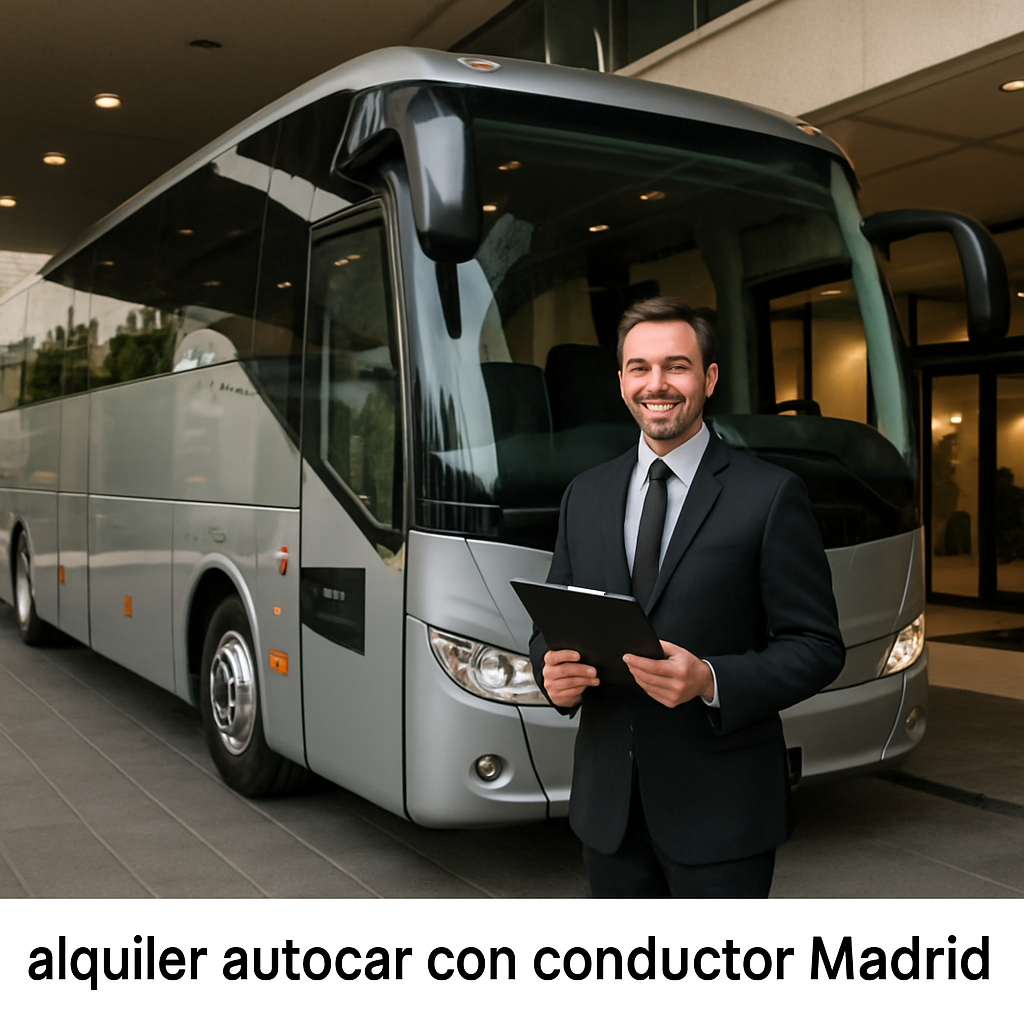
Once all the boxes are checked, you can relax knowing the transportation piece of your event is as solid as a well‑tuned engine. Let’s move on to the final step: prepping the itinerary and making sure your guests enjoy the ride.
Step 5: Insider Tips for a Smooth Ride
Alright, you’ve locked down the coach, the contract’s signed, and the driver’s name is in your phone. Now comes the part most planners forget – the little things that turn a good trip into a flawless experience.
Do a quick climate sanity check
Before the day, ask the driver what temperature the HVAC is set to. In summer Madrid can swing from 30°C to a breezy 22°C if the AC is pre‑cooled. In winter, a pre‑warmed cabin avoids that awkward shiver everyone feels when they step on board.
Pro tip: a 2‑minute call the night before to confirm “Do you have the climate control set for 21°C?” saves you a sweaty or icy surprise.
Build a 5‑item on‑the‑day checklist
Print or pin a tiny list on your phone. Include:
- Vehicle registration number
- Driver’s name & phone
- Exact pickup address (plus a landmark)
- Special equipment (ramps, Wi‑Fi, power hubs)
- Any last‑minute guest requests (water, music)
When you tick each box, you’re basically giving yourself a mini‑confidence boost before the doors close.
Speak the driver’s language early
Even if the driver says they speak English, a quick “Can you repeat the pickup address in Spanish? I’ll send you a map” clears any ambiguity. It also builds rapport – most drivers appreciate the courtesy.
In a recent corporate roadshow, a planner added a line “Could you confirm the route includes the A‑2 toll?” The driver replied, “Got it, I’ll take the toll‑free road to save time.” That saved 15 minutes and a few euros.
Leverage tech for real‑time updates
Set up a group chat on WhatsApp or Slack with the driver, your co‑organiser, and the lead guest. Drop a quick “We’re 5 min out” once you’re on the road. If traffic spikes, the driver can reroute instantly.
According to European Commission road‑safety data, real‑time communication reduces average delay by 12 % on charter trips.
Pack the “comfort kit” yourself
Don’t rely entirely on the bus amenities list. Bring a few personal touches: a portable speaker for background music, a small cooler with bottled water, and a few reusable coffee cups. These items cost pennies but raise the perceived quality dramatically.
One wedding planner I know slipped a tiny vase of fresh lavender on each seat. Guests commented it felt “like a boutique hotel on wheels.” Small details stick.
Test the tech before you go
If you’re counting on Wi‑Fi or power outlets, plug your laptop or tablet in during the driver’s arrival. A 30‑second test avoids the dreaded “my presentation won’t load” moment.
Rick Steves notes that most European coaches provide stable Wi‑Fi, but it’s still worth confirming especially on longer routes.
Plan for the unexpected
Keep a tiny “what‑if” list: What if the bus runs late? What if a wheelchair user needs extra space? Share these scenarios with the driver ahead of time. Most drivers will appreciate the foresight and have a contingency ready.
In a pilgrimage group to Santiago, the organiser asked the driver to reserve a spare seat for a last‑minute elder guest. The driver had already left a cushion ready – no scrambling needed.
Wrap‑up: your smooth‑ride cheat sheet
Summarise everything in a one‑page PDF: driver contact, climate setting, checklist, and any special requests. Store it in the “Event Bus Docs” folder on your phone, and you’ll have peace of mind even if the day gets chaotic.
Follow these insider moves, and the ride will feel as polished as a limousine – minus the price tag.
Conclusion
So there you have it – a full toolbox for turning any group trip in Madrid into a smooth, stress‑free experience.
Remember the core feeling we kept returning to: you want your guests to relax, enjoy the scenery, and arrive exactly where they need to be, on time and with a smile.
From double‑checking the driver’s contact, to setting the climate a night before, to packing that tiny “comfort kit,” each tiny habit adds up to a polished ride that feels more like a VIP lounge than a bus.
And if you ever wonder whether all this planning is worth it, think about the wedding planner who slipped a lavender sprig on each seat – guests still talk about that little touch years later.
What’s the next step? Grab a pen (or your phone) and copy the one‑page cheat sheet we mentioned, fill in your own driver’s details, and keep it in the “Event Bus Docs” folder. A quick glance before you step out the door will give you that calm confidence you deserve.
Finally, when you’re ready to book, look for a family‑run company like Torres Bus that blends punctuality, comfort, and personalized service – the exact ingredients we’ve highlighted throughout.
Enjoy the journey, and let the road become part of the memory you’re creating.
FAQ
What should I look for when choosing alquiler autocar con conductor Madrid for a wedding?
First, check that the company offers a written confirmation that includes vehicle type, seat layout, and any extras like a mini‑bar or climate control. Ask for the driver’s name and a direct phone number so you can text a quick “Are you ready?” the night before. A family‑run fleet like Torres Bus often provides a personalized welcome, and confirming wheelchair access early avoids last‑minute scramble.
How far in advance should I book my bus for a corporate roadshow?
Ideally you lock in the coach at least four weeks ahead, especially if you need Wi‑Fi, power outlets, or a custom route. This gives the provider time to assign a driver who knows the A‑2 toll options and can pre‑load the itinerary. If you wait until the last week, you might pay a premium or settle for a smaller vehicle that can’t fit your demo equipment.
Can I request special amenities like a sound system or refreshments?
Yes – just list them in your contract or a follow‑up email. Most operators will bring a portable Bluetooth speaker, bottled water, and a small cooler at no extra charge. For larger groups, ask for a mini‑bar or coffee machine; it’s usually a flat fee. Write down the exact brand or model you prefer, so the driver can double‑check before the day.
Is insurance included with alquiler autocar con conductor Madrid?
Reputable companies like Torres Bus carry comprehensive liability insurance that covers passengers, the driver, and the vehicle. Ask for the policy number and a brief summary so you can confirm it meets Spanish regulations. If you’re transporting valuable equipment, you may want to add a short‑term cargo endorsement – it’s a few euros per day and gives you peace of mind.
What happens if the bus is delayed on the day of the event?
First, have a backup plan: a taxi or rideshare option for the most urgent guests. Then, confirm the driver’s “late‑arrival protocol” – many providers will dispatch a second vehicle at no extra charge if the delay exceeds 15 minutes. Document the agreed‑upon overtime rate in the contract so you’re not surprised by a surprise invoice.
How can I make the ride feel more like a VIP experience?
Start with a pre‑set temperature – call the driver the night before and say “please have the cabin at 22 °C.” Add a small welcome kit: bottled water, a handwritten note, and a local snack. Play a soft playlist through a Bluetooth speaker, and ask the driver to keep the windows tinted for privacy. These tiny touches cost pennies but leave a lasting impression.
Do I need a written contract for alquiler autocar con conductor Madrid?
Absolutely. A written agreement protects both you and the driver. It should list the vehicle registration, driver’s name, pickup and drop‑off times, any extra services, and the cancellation policy. Keep a digital copy in a “Event Bus Docs” folder on your phone – you can pull it up in seconds if a question pops up on the day.