
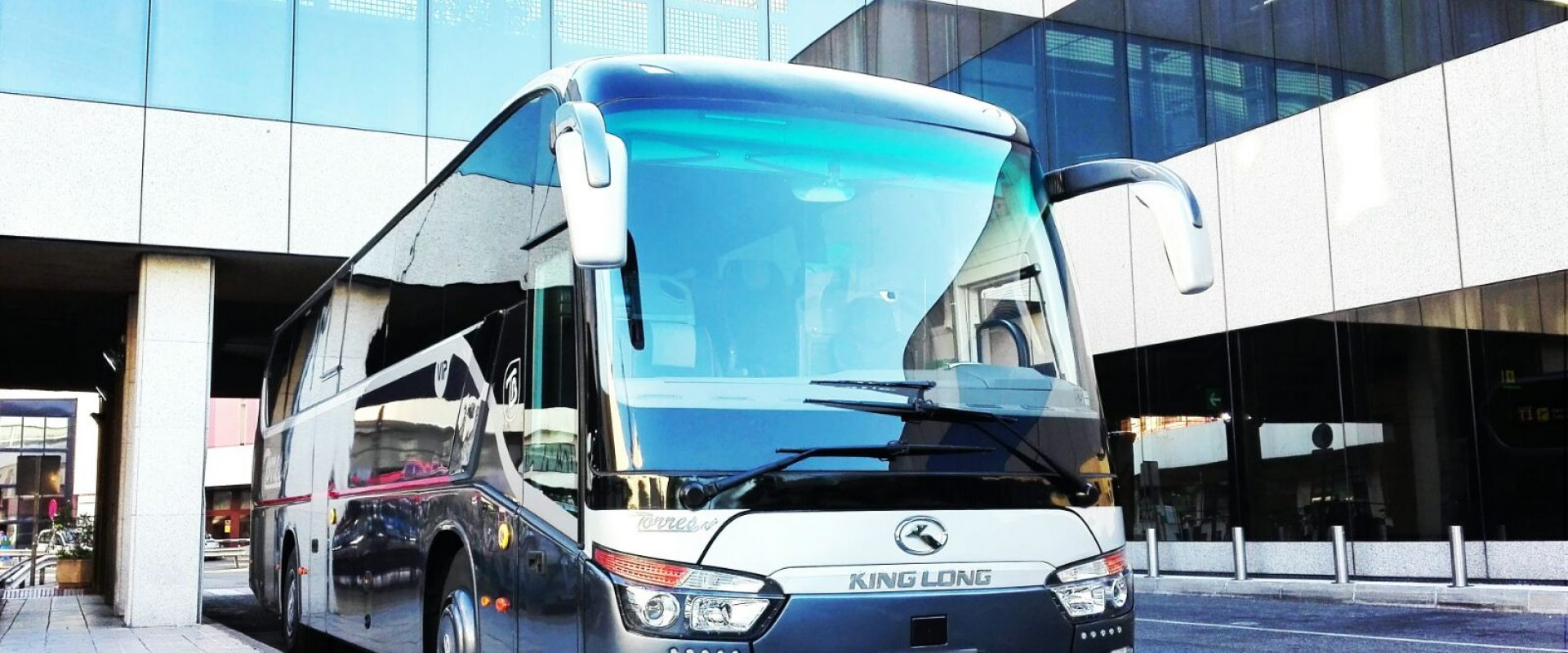

Picture this: you’ve just landed at Barajas, the luggage is a mess, and a group of friends or colleagues is waiting for a ride that feels more like a cramped taxi than the comfortable start you imagined.
Does that scenario sound familiar? You’re not alone. Many travelers and event planners in Madrid hit the same snag when they underestimate how “minibus hire prices” can vary and what they actually get for their money.
Here’s the thing – a minibus isn’t just a bigger van; it’s a mobile lounge that can turn a hectic airport shuffle into a relaxed, chat‑filled ride. Whether you’re heading to a wedding, a corporate off‑site, or a day trip to Toledo, the right vehicle can set the tone for the whole event.
But how do you know you’re paying a fair rate? The answer lies in a few simple factors: the size of the bus, the distance you travel, the time of day, and the level of service you expect (driver, amenities, door‑to‑door pickup, etc.). Most companies, including Torres Bus, break down their pricing into a base kilometre fee plus any extra services, so the headline “minibus hire prices” you see online is often just the starting point.
Think about it way: if you’re moving a group of 12 people for a corporate conference, a 16‑seat minibus might cost €150 for a half‑day, while a 30‑seat coach could jump to €300 for the same slot. Add a premium for a luxury interior or a driver who speaks English, and the price adjusts accordingly. It’s not magic – it’s transparent cost components.
Now, imagine you’ve already booked that perfect minibus but you’re still wondering whether you’ve squeezed every euro out of the deal. A quick tip: always ask for a detailed quote that lists mileage, waiting time, and any optional extras. That way you can compare apples‑to‑apples across providers.
So, what’s the next step? Start by listing your exact needs – number of passengers, pick‑up location, desired comforts – and then reach out for a customized quote. You’ll see how the numbers line up and feel confident that the “minibus hire prices” you’re seeing truly reflect the service you’ll get.
Ready to turn those airport hassles into smooth sailing? Let’s dive in and explore the key elements that shape minibus hire prices in Madrid.
TL;DR
Minibus hire prices in Madrid break down into vehicle size, distance, time of day and extra services, so you can predict costs and avoid surprises.
By listing your group’s needs, requesting a detailed quote and comparing options, you’ll secure the right bus at a fair price and travel with confidence.
How Prices Are Calculated: Factors That Influence Minibus Hire Prices
Ever wondered why two quotes for the same route can look so different? It’s not magic – it’s a handful of variables that shift the numbers up or down.
Vehicle size and capacity
A 12‑seat minibuss will cost less than a 30‑seat coach, simply because you’re paying for fewer seats, a smaller engine, and less fuel. But it’s also about comfort: a luxury interior, climate control, or a wheelchair‑friendly ramp adds a premium.
Think of it like ordering a coffee – a small latte costs less than a grande, but if you ask for oat milk and extra syrup, the price climbs.
Distance and mileage
Most providers, including Torres Bus, charge a base kilometre rate. Short hops around the city might be a flat fee, while a day‑trip to Toledo adds per‑kilometre charges. If you’re planning multiple stops, ask for a mileage cap; otherwise you could see a surprise on the final invoice.
Tip: map your route in advance and compare the kilometre total with the provider’s estimate – it’s a quick sanity check.
Time of day and waiting time
Peak‑hour traffic, late‑night pickups, or weekend service usually carries a surcharge. Some companies also bill for driver waiting time, especially if you need a few extra hours for a conference break.
Ask: “What’s the hourly waiting rate?” before you sign the contract – it saves you from unexpected hourly fees later.
Extra services and amenities
Wi‑Fi, onboard refreshments, a professional driver who speaks English, or a custom‑branded interior are all add‑ons that shift the price. For corporate roadshows, a USB charging hub can be worth the extra €20.
When you’re budgeting, list every comfort you actually need – you might realize a basic model suffices for a school trip, while a wedding party would appreciate the extra flair.
Seeing the numbers in action helps you negotiate. Use a tool like AI‑powered trip planner Selene to model total costs, compare routes, and see how a small detour might affect your budget.

Now, let’s bring it all together with a quick checklist:
- Vehicle size & comfort level
- Exact kilometre count (include return trips)
- Time of day, expected traffic, and waiting fees
- Desired extras (Wi‑Fi, driver language, refreshments)
- Any seasonal surcharges (holiday periods)
Once you’ve filled in those blanks, request a detailed quote that breaks down each line item. If a provider lumps everything into a single “total price”, ask for a breakdown – that’s where you’ll spot hidden fees.
For a deeper dive into how each factor plays out in real‑world scenarios, check out our guide How Much Does Minibus Hire Cost Madrid Airport Transfer: A Step‑by‑Step Guide. It walks you through a typical corporate booking from start to finish.
And if you want to add a touch of ambiance to your ride, consider subtle scented accessories – a small vial of handcrafted scented wax from Eliora can make the interior feel cozy without overwhelming passengers.
Bottom line: the more granular you get with your requirements, the clearer the price picture becomes. You’ll walk away confident that the “minibus hire prices” you see truly reflect the service you’ll get.
Comparing Vehicle Sizes and Capacities: What You Pay for 7‑Seat vs 16‑Seat Minibuses
Ever stared at a quote and wondered why a 7‑seat van feels cheap, but the next line for a 16‑seat minibus jumps up like a startled cat? You’re not imagining it – the size of the vehicle drives a cascade of costs you’ll see in the numbers below.
Think about the last time you booked a ride for a small team. You probably imagined a snug V‑Class, a few bags, and a quick hop‑on. Now picture a mid‑size corporate outing with 12‑15 people, a couple of laptops, and a need for a bit more legroom. The difference isn’t just seats; it’s weight, fuel, driver hours, and the amenities you can actually fit inside.
So, how does that translate into minibus hire prices? Let’s break it down with two concrete scenarios you might run into in Madrid.
Why size matters – the hidden cost drivers
First, the vehicle’s gross weight climbs with every extra seat. A 7‑seat Mercedes V‑Class typically weighs around 2.2 t, while a 16‑seat Sprinter nudges past 3 t. More weight means higher fuel consumption – roughly €0.05–€0.08 extra per kilometre in a city with stop‑and‑go traffic.
Second, licensing and insurance premiums scale with capacity. In Spain, the driver’s licence class for a 16‑seat vehicle carries a modest surcharge, and the insurer adds a per‑seat risk factor. That’s why you’ll see a base‑fee bump of 20‑30 % when you jump from 7 to 16 seats.
Real‑world cost breakdown
Imagine a half‑day airport transfer (4 hours, 30 km round‑trip) for a team of 6. Using a 7‑seat minibus, the quote might look like:
- Base fee: €90
- Km rate (0.50 €/km): €15
- Driver language premium (English): €25
- Wi‑Fi & bottled water: €15
- Waiting buffer (30 min): €10
Total: €155.
Now upsize to a 16‑seat Sprinter for the same route, but with 12 passengers and two suitcases each. The line‑items shift:
- Base fee: €120 (≈+33 %)
- Km rate (0.58 €/km – fuel impact): €17.40
- Driver language premium: €25
- Wi‑Fi & bottled water: €15
- Additional luggage handling fee: €12
- Waiting buffer (30 min): €10
Total: €199.40 – about €44 more, but you’ve just avoided two separate trips and gained space for equipment.
Those numbers echo the price tables you’ll find on 8Rental’s price guide, which also notes the typical 0.08 €/km uplift for the larger chassis.
Actionable checklist – what to ask before you sign
When you’re comparing a 7‑seat vs a 16‑seat option, run this quick audit:
- Count passengers plus luggage. One extra suitcase can push a 7‑seat vehicle over its limit.
- Calculate the per‑kilometre uplift (usually €0.05‑€0.08) for the heavier bus.
- Ask for a separate line‑item for driver language or special amenities – they’re easy to negotiate.
- Check waiting‑time fees; a 30‑minute buffer is common, but you can often trim it if you confirm exact pick‑up times.
- Request a “price per kilometre” breakdown so you can adjust the route on the fly.
By ticking these boxes, you’ll know exactly whether the extra seats are worth the extra € per hour.
Side‑by‑side comparison
| Feature | 7‑Seat Minibus | 16‑Seat Minibus |
|---|---|---|
| Typical base fee (4‑hour hire) | ≈ €90 | ≈ €120 |
| Km rate | €0.50 / km | €0.58 / km |
| Maximum luggage | ~4‑6 suitcases | ~12‑14 suitcases |
| Passenger comfort | Compact, tighter legroom | Spacious, extra legroom, optional climate control |
| Typical use‑case | Small teams, airport transfers, VIP shuttles | Mid‑size corporate groups, school trips, wedding guests |
Bottom line: if your headcount stays under eight and you value agility, the 7‑seat option keeps the bill lean. If you’re juggling more people, gear, or need a bit of breathing space, the 16‑seat minibus adds cost but saves you the headache of splitting groups.
Take a moment now: list your exact passenger count, luggage load, and any must‑have amenities. Then ask your provider for a line‑item quote that mirrors the table above. You’ll walk away with a clear picture of what you really pay for.
Seasonal and Destination Impacts on Minibus Hire Prices
Picture this: you’re planning a summer wedding in Segovia and the quote you get for a 16‑seat minibus suddenly jumps higher than you expected. It’s not magic – it’s the season and the route talking to the price.
Why the calendar matters
In Madrid, the tourist calendar is a roller‑coaster. June through August is peak season for city tours, beach trips to Valencia, and pilgrimages to Santiago. During those months, demand for minibuses spikes, and operators often add a 10‑20 % surcharge to cover higher fuel usage, extra driver hours, and the simple fact that every vehicle is booked solid.
Conversely, November or early March can feel like a quiet lull. Fewer groups mean providers are happy to shave a few euros off the base fee, especially if you’re flexible with pick‑up times. That’s the sweet spot for corporate roadshows or school trips that can shift a week earlier or later.
Does this mean you should avoid peak months altogether? Not necessarily. If the event date is fixed, you can still negotiate by bundling services – for example, lock in a full‑day hire that includes a return trip to the airport, and ask the driver to stay on standby for a short window. That often neutralises the peak‑season markup.
Destination‑driven price shifts
Where you’re going matters just as much as when. A straight‑line airport transfer from Barajas to the city centre is usually the cheapest route because it’s short, well‑known, and doesn’t involve tolls. Add a detour to a historic town like Ávila or a mountain resort in the Sierra de Guadarrama, and you’ll see the kilometre rate climb – sometimes by €0.05‑€0.08 per km – to cover extra fuel and potential toll fees.
Coastal trips to the Mediterranean, for instance, often cross toll highways (A‑2, AP‑7). Those tolls are usually passed straight through to you, so ask for a transparent “toll‑pass‑through” line item in the quote. It’s a tiny detail, but it stops surprise charges at the end of the month.
And here’s a little insider tip: if you’re heading to a destination that’s a popular festival spot – think San Fermín in Pamplona or the Feria de Abril in Seville – the same route can cost more simply because local authorities may impose temporary congestion charges or require additional permits for larger vehicles.
Practical checklist for seasonal & destination budgeting
- Mark your calendar: note if your dates fall in peak tourist months or during local festivals.
- Map the exact route: include any toll roads, low‑emission zones, or known congestion hotspots.
- Ask for a “price per kilometre” breakdown plus a separate line for tolls or congestion fees.
- Consider flexibility: shifting the pick‑up time by an hour or moving the day by a few days can shave 5‑15 % off the total.
- Bundle extras: combine airport drop‑off, city tour, and waiting time into one contract to avoid per‑item mark‑ups.
Think about it this way: you wouldn’t buy a concert ticket without checking if it’s a weekend or a weekday, right? The same logic applies to minibus hire prices. The more you know about the seasonal rhythm and the quirks of your destination, the better you can steer the quote in your favour.
So, what’s the next step? Pull up your event calendar, sketch a quick route on Google Maps, and reach out to the provider with those exact details. When you ask for a line‑item quote that separates base fee, kilometre rate, tolls, and any seasonal surcharge, you’ll walk away with a crystal‑clear picture of what you’re really paying for – and you’ll avoid that nasty surprise when the invoice arrives.
Additional Fees and Optional Services: Understanding Extra Costs
Ever get a quote that looks clean, then stare at the fine print and wonder where the extra € slipped in? You’re not alone – most of us have been there, and the culprit is usually a handful of optional fees that hide behind the headline “minibus hire prices”.
First off, think about tolls and congestion charges. If your route takes you on the M‑30, the A‑2 or any toll highway, the operator will often add a separate line item for those costs. It’s not a secret fee; it’s a pass‑through expense, but you’ll see it pop up as “toll‑pass‑through” or “congestion surcharge” on the invoice.
Waiting time and standby fees
Imagine you’ve booked a minibus for a wedding ceremony that starts at 4 pm, but the ceremony runs late and you need the vehicle until 7 pm. Many companies charge a waiting fee per hour, sometimes with a minimum block of 30‑minutes. The rate can range from €10 to €30 per hour, depending on the fleet and the driver’s overtime policy.
Tip: ask for a “free waiting window” in the contract. A 15‑minute grace period is common and can save you a few euros without sacrificing flexibility.
Driver language and specialty premiums
If you need a driver who speaks English, French or German for a corporate delegation, expect a flat premium – usually €20‑€30 per day. The same goes for drivers with special licences for larger vehicles or for those who can provide on‑board assistance for passengers with reduced mobility.
We’ve seen planners save money by confirming whether the driver’s bilingual skill is truly needed for the whole trip, or just for the airport hand‑over. Sometimes a short briefing in Spanish is enough, and you can drop the premium altogether.
On‑board amenities
Wi‑Fi, bottled water, USB charging ports, a mini‑fridge or a full entertainment kit – each of these goodies comes with its own line item. A basic Wi‑Fi package might be €15 for a half‑day, while a full entertainment system (screens, headphones, movies) can add €30‑€50.
Ask the provider to itemise each amenity. If you’re only after Wi‑Fi, you can politely decline the pricey entertainment bundle and keep the cost lean.
Cleaning and sanitisation fees
Post‑COVID, many operators include a mandatory cleaning surcharge, especially for larger minibuses that carry a lot of luggage. The fee is often a flat €5‑€10 per trip, but some companies charge per passenger. Clarify whether the fee is refundable if you return the vehicle in good condition.
Pro tip: schedule the cleaning at the end of the day rather than after each stop – you’ll avoid multiple charges.
Fuel surcharges and mileage buffers
Most quotes include a per‑kilometre rate, but providers sometimes add a “fuel surcharge” if fuel prices spike or if the journey involves heavy traffic. This is usually expressed as a percentage (5‑10 %) of the base fare.
To keep this under control, ask for a mileage buffer that reflects realistic traffic conditions, and request that any fuel surcharge be capped at a specific amount.
Putting it all together – a quick checklist
- Ask for a separate line item for tolls and congestion fees.
- Clarify waiting‑time policy and negotiate a free grace period.
- Confirm driver language or special licence premiums only if truly needed.
- Itemise on‑board amenities and drop any you don’t use.
- Check cleaning/sanitisation fees and see if they’re refundable.
- Request a clear mileage buffer and a cap on fuel surcharges.
When you walk through this checklist with your minibus provider, you’ll turn vague “extra costs” into concrete numbers you can compare and negotiate. That way, the final “minibus hire prices” you pay match the experience you expect – no nasty surprise when the invoice lands in your inbox.
How to Get the Best Deal: Booking Tips and Negotiation Strategies
We’ve walked through the nitty‑gritty of mileage buffers and waiting‑time fees, and you might be thinking, «Okay, but how do I actually squeeze a better price out of the quote?»
Honestly, most of us have stared at a spreadsheet of line items and felt a little panic creep in – you see a €30 driver premium and wonder if you really need it.
Here’s a simple way to turn that nervous energy into a confident negotiation: start with a clear baseline, then peel back each extra layer until you’re left with only what you truly need.
1. Know Your baseline cost
Before you pick up the phone, calculate the minimum you’d expect to pay. Take the base kilometre rate, add a realistic fuel surcharge (say 5 % of the base), and include a modest waiting fee (maybe €10 per hour).
Write those numbers down. When the provider’s quote lands in your inbox, you’ll have a quick reference point to spot inflated items.
2. Request a fully itemised quote
Ask the company to break every charge into its own line – base fee, per‑kilometre rate, driver language premium, Wi‑Fi, tolls, cleaning, etc. If anything is bundled, politely request it be separated.
Seeing each component laid out makes it easier to say, «I don’t need the entertainment kit, can we drop that €30?» and the provider usually complies.
3. Leverage timing and flexibility
Do you have wiggle room on the pick‑up date or time? Shifting a booking by an hour or moving it to a mid‑week slot can shave 5‑15 % off the total.
When you propose the change, frame it as a win‑win: «If we move the start to 10 am instead of 9 am, could we get a better rate?» Most operators are happy to reward flexibility.
4. Bundle services strategically
If you need both an airport transfer and a city tour on the same day, ask whether the provider can combine them into one contract. Bundling often eliminates duplicate driver standby fees.
In practice, you might say, «We’ll need the minibus from Barajas to the hotel, then a half‑day tour of Segovia. Can we lock in a single price for the whole day?» That usually results in a lower per‑hour charge.
5. Negotiate the waiting‑time grace period
Many companies include a free 15‑minute grace period, then charge per hour. If your itinerary is tight, request an extended grace period – 30 minutes is reasonable – and see if they can waive the extra fee.
It’s a small ask, but it can save you €10‑€20 on a long event where delays are common.
6. Play the “compare and confirm” card
Get quotes from two or three reputable operators (Torres Bus, plus a couple of local firms). When you have them side by side, point out the lower‑priced line items and ask the higher‑priced provider to match or beat them.
Most will either drop a fee or add a complimentary perk, like free bottled water, just to win your business.
Quick negotiation checklist
- Calculate your baseline cost (base fee + km rate + modest fuel surcharge).
- Ask for a line‑item breakdown of every charge.
- Identify any optional extras you can drop.
- Propose a flexible pick‑up time or date.
- Bundle multiple trips into a single day contract.
- Request an extended waiting‑time grace period.
- Compare at least three quotes and use them as leverage.
And remember, the tone you use matters. Approach the conversation as a partnership – “We want to make this work for both of us” – rather than an adversarial haggling session. People respond better when they feel respected.

Once you’ve walked through this checklist, you’ll end up with a transparent quote that matches the service you need, without hidden surprises when the invoice arrives. That’s the sweet spot of smart booking: confidence, clarity, and a price that feels right.
So, what’s the next move? Pull out your spreadsheet, call your favourite provider, and start ticking those items off. You’ll be surprised how much room there is to negotiate when you come prepared.
Conclusion
We’ve covered the nuts and bolts of minibus hire prices, from vehicle size and distance to seasonal surcharges and hidden fees.
At the end of the day, the most powerful tool is a clear, itemised quote that lets you see exactly where each euro goes.
So, what should you do next? Pull up your spreadsheet, list every passenger, luggage piece and amenity you truly need, then ask your provider for a line‑item breakdown.
If the driver language premium or extra waiting time feels optional, politely ask to drop it – most companies will accommodate when you show the numbers.
Remember, flexibility is a secret weapon: shifting pick‑up time by an hour or moving the date a few days can shave 5‑15 % off the total.
Finally, treat the negotiation as a partnership. Tell the driver or planner, «We want a smooth ride that fits our budget and our guests’ comfort.» That collaborative tone often unlocks complimentary perks like bottled water or a free Wi‑Fi upgrade.
Ready to lock in a price that feels right? Give Torres Bus a call, share your checklist, and watch the quote transform from a mystery into a transparent, confidence‑boosting plan.
When you walk away with that clear price, you’ll sleep easier knowing the ride will arrive on time and within budget.
FAQ
What factors influence minibus hire prices in Madrid?
Minibus hire prices are shaped by a handful of concrete elements. First, the vehicle size – a 7‑seat van costs less than a 16‑seat coach because of fuel, insurance and driver licence requirements. Distance matters too; providers usually charge a per‑kilometre rate plus a buffer for traffic‑heavy zones. Time of day and day of week add surcharges during peak hours. Finally, any extras – Wi‑Fi, bottled water, multilingual drivers – appear as flat fees that stack on top of the base rate.
How can I get a transparent, itemised quote for minibus hire prices?
Start by writing down every detail of your trip: passenger count, luggage volume, exact pick‑up and drop‑off points, and any amenities you want. Then email or call the provider and ask for a line‑item breakdown that lists the base fee, kilometre rate, waiting time, tolls, and each optional service separately. When everything is spelled out, you can compare quotes side‑by‑side and spot any hidden mark‑ups before you sign.
Are there hidden fees I should watch out for when hiring a minibus?
Yes, a few common ones tend to sneak into the fine print. Toll‑pass‑through charges appear if your route uses toll highways, and congestion surcharges may apply in busy zones like the M‑30. Waiting or standby fees can balloon if the driver is kept idle for long periods. Some companies also add cleaning or sanitisation fees after each trip. Asking for each of these as separate line items keeps the total honest.
Can I negotiate the price of a minibus hire, and if so, how?
Absolutely – the key is preparation. Show the provider your spreadsheet with a baseline cost (base fee + km rate + modest fuel surcharge). Point out any optional items you can live without, like an entertainment kit you won’t use. Offer flexibility on pick‑up time or date; shifting an hour or moving to a mid‑week slot often trims 5‑15 % off the total. Finally, use competing quotes as leverage to ask for a match or a free perk.
Do peak seasons or special events affect minibus hire prices?
They do. During summer, holidays or major festivals like San Fermín, demand spikes and many operators add a 10‑20 % seasonal surcharge. Conversely, quieter months such as November or early March can bring discounts, especially if you’re open to adjusting the date by a few days. Always ask whether a seasonal markup is applied and whether it can be reduced by bundling services or moving the booking slightly.
What amenities are optional and how do they impact the total cost?
Typical add‑ons include Wi‑Fi, bottled water, USB charging ports, on‑board entertainment systems and multilingual drivers. Each shows up as a flat fee – for example, Wi‑Fi might be €15 for a half‑day, while a full entertainment kit can add €30‑€50. If you only need one or two of these, tell the provider to strip out the rest. Dropping unnecessary perks can shave a tidy amount off the final invoice.
How far in advance should I book to lock in the best minibus hire prices?
Booking at least two to three weeks ahead gives you the most breathing room to compare quotes and negotiate. For peak‑season events, aim for a month or more, because the best‑priced vehicles fill up quickly. Early booking also lets you lock in the current kilometre rate before any seasonal adjustments kick in, ensuring the price you’re quoted today stays valid when the day arrives.