
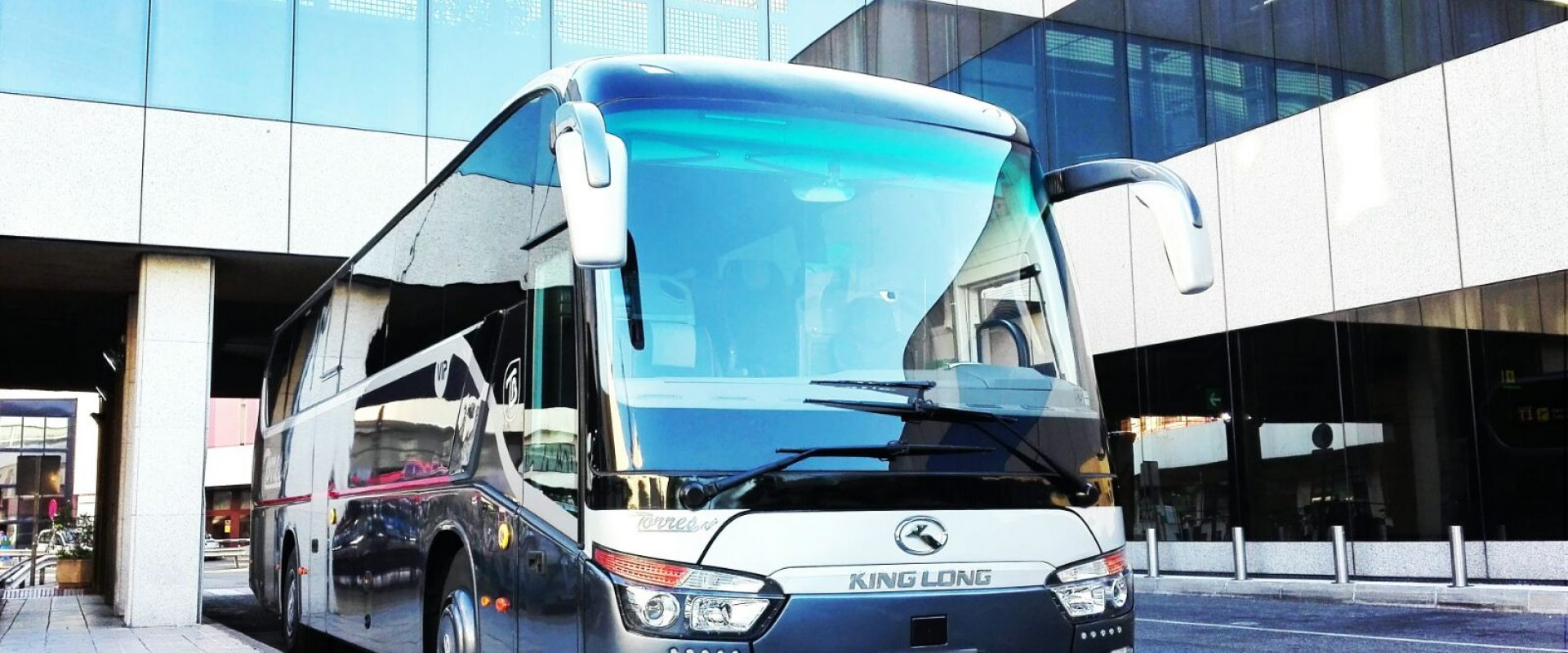
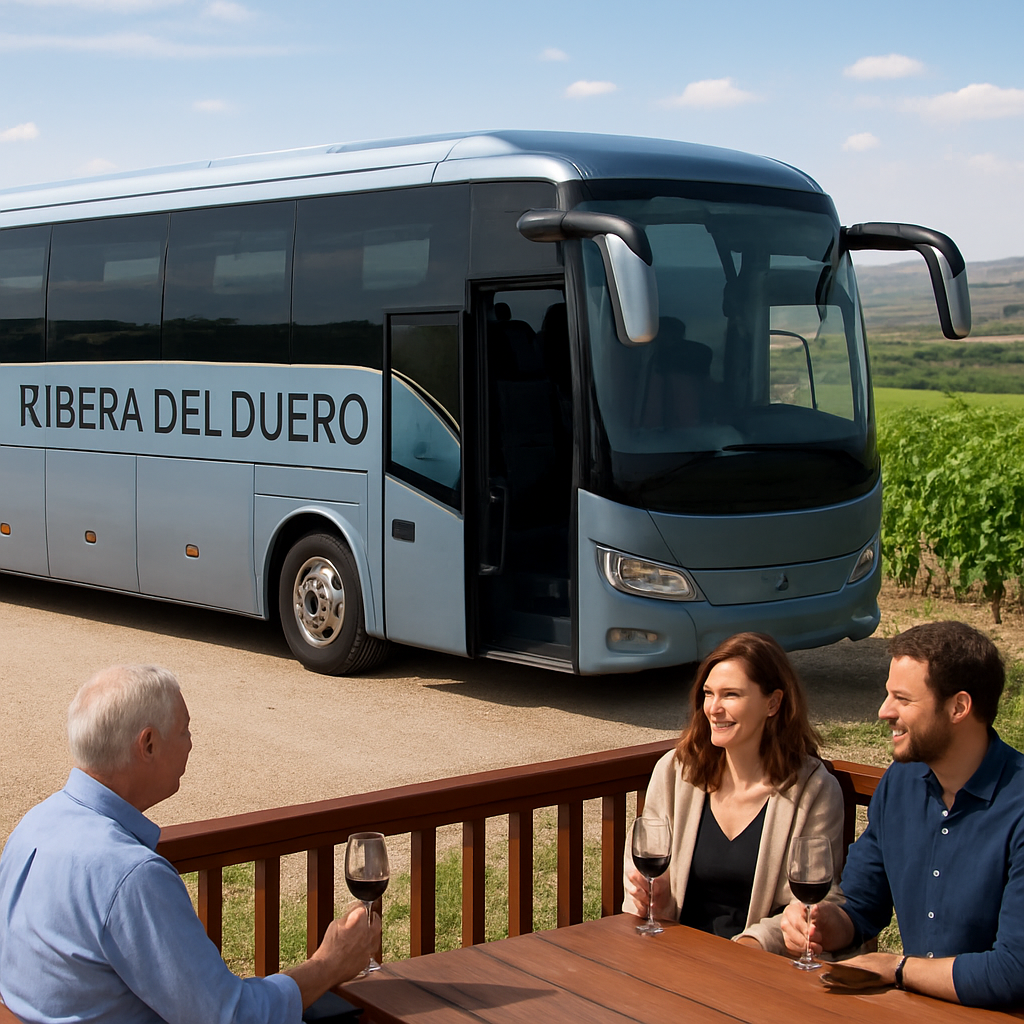
Picture this: you step off the bustling Plaza de Cibeles, the sun is just starting to paint the sky, and a comfortable coach is already waiting to whisk you and your group toward the rolling vineyards of Ribera del Duero.
In our experience, the magic of a wine tour isn’t just about the tasting notes; it’s the journey itself. The road from Madrid to the Duero valley is a tapestry of golden wheat fields, medieval stone towns and the occasional wind‑mill silhouette that makes you feel like you’ve traveled back in time. That’s why choosing the right transport matters – you want to arrive relaxed, not cramped.
Take the example of a recent corporate retreat we organized for a tech startup. Twenty‑seven employees wanted a blend of team‑building and fine wine. We rolled out a luxury 30‑seat coach, equipped with Wi‑Fi for a quick debrief on the way, and a climate‑controlled cabin so the reds stayed at the perfect temperature. By the time they reached the Bodegas Protos estate, the team was already buzzing with excitement, not jet‑lagged from a long bus ride.
Or think about a group of wedding guests who need a reliable, stylish ride from the ceremony venue in Madrid to a celebratory dinner among the vines. A private coach ensures everyone arrives together, on schedule, and with plenty of space for those extra dresses or suits. It also gives the couple peace of mind that their loved ones are in safe hands.
So, what should you look for when planning your Ribera del Duero wine tour from Madrid? First, decide on the size of the group – a minibus for ten friends versus a full‑size coach for thirty or more. Second, check that the vehicle has enough luggage space for wine bottles and personal bags. Third, ask about driver expertise; a local driver who knows the best tasting stops can turn a simple route into a curated experience.
Finally, book early, especially during harvest season (late September to early October) when demand spikes. A quick tip: ask your transport partner for a “wine‑tour package” that includes a short stop at a boutique winery en route – it adds a surprise element that guests love.
When you’re ready to lock in the perfect ride, our coach travel and transport Service Coaches Hire Spain – Madrid can tailor the itinerary to your exact needs, whether you’re a corporate planner, a wedding coordinator, or a group of friends chasing the perfect Rioja‑style red.
TL;DR
Planning a Ribera del Duero wine tour from Madrid is effortless when you pick the right coach size, luggage space, and a knowledgeable driver who can weave in hidden boutique wineries.
Book early, ask for a wine‑tour package, and let Torres Bus handle the details so you can focus on sipping, chatting, and enjoying the countryside without a hitch.
Step 1: Choosing the Right Transport from Madrid
So you’ve dreamed of sipping a tempranillo under the Duero sun, but the first hurdle is getting there without feeling like you’ve been squeezed into a sardine can. The truth is, the right coach can turn a long drive into a relaxing pre‑wine warm‑up.
First thing’s first: how many people are you moving? A brunch‑crew of eight will feel cramped in a 30‑seat coach, while a corporate group of thirty‑plus will appreciate the extra legroom of a full‑size bus. In our experience, we start by matching the headcount to a vehicle class – minibuses for up to 12, mid‑size coaches for 13‑25, and large coaches for anything bigger.
Assess Your Group Size
Ask yourself: will anyone need extra space for wheelchairs or large suitcases? If you’ve got a few guests with special mobility needs, a PMR‑adapted van can save a lot of hassle later. It’s also worth checking whether your itinerary includes a stop at a boutique winery that encourages a quick stroll – you’ll want enough room for everyone to step out comfortably.
Next, think about luggage. A Ribera del Duero wine tour isn’t just about the bottles you’ll taste; many groups love to bring a few bottles back home. A coach with dedicated luggage racks or a separate storage compartment means you won’t be tripping over bags while the driver navigates the A‑2 highway.
Check Luggage & Wine Storage
Look for features like climate‑controlled storage bays – they keep the reds at the right temperature even before you reach the cellar. Some of our larger coaches even have a small refrigerated section for the most delicate vintages.
Don’t forget the little things: USB ports for charging phones, onboard Wi‑Fi for those quick itinerary tweaks, and a restroom if you’re heading out for a full‑day tasting marathon.
And here’s a tip most planners overlook: ask the driver about “wine‑tour packages.” A knowledgeable driver who knows a hidden gem like Bodega de los Picos can add an unforgettable surprise stop, turning a standard route into a curated experience.
Pick the Right Coach Features
Comfort is king on a two‑hour drive. Adjustable seats, air‑conditioning that doesn’t blast, and large panoramic windows let the scenery become part of the story. If you’re planning a sunset arrival at a vineyard, consider a coach with tinted glass so the light doesn’t glare into the cabin.
Safety-wise, make sure the vehicle has seat belts for every passenger – it’s a legal requirement in Spain and gives peace of mind, especially if you’re traveling with a mixed‑age group.
One thing we’ve learned from years of shuttling wedding parties: a “quiet zone” near the front can be a lifesaver for guests who need a moment of calm before the reception.
Ask About Driver Knowledge
A driver who simply follows the GPS won’t do justice to a wine tour. Look for someone who can share anecdotes about the region, point out historic windmills, or suggest the best place to stop for a quick tapas bite. It’s the little stories that turn a ride into an experience.
When you’re vetting potential drivers, ask: “Can you recommend a boutique winery off the main route?” If they can name at least one, you’re likely in good hands.
Finally, lock in your booking early – especially during harvest season. The best coaches fill up fast, and you don’t want to end up compromising on space or comfort.
Ready to see a coach in action? Check out this quick video that walks you through the typical layout and amenities you can expect on a Ribera del Duero wine tour from Madrid.
Notice how the seating can be reconfigured for a more social atmosphere, perfect for group toasts once you arrive at the first winery.
Step 2: Planning Your Itinerary – Which Wineries to Visit
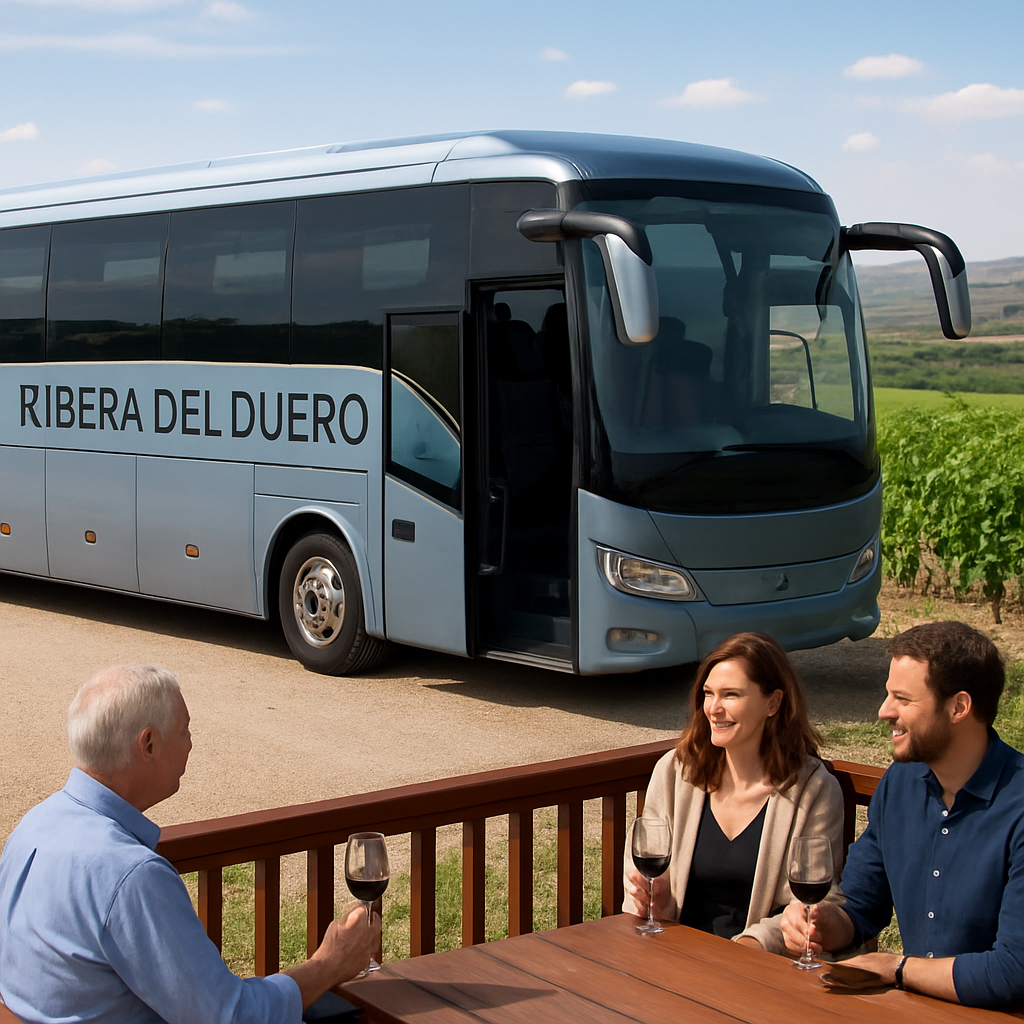
Now that your coach is locked in, the real adventure begins: deciding which vineyards will shape your Ribera del Duero wine tour from Madrid.
You might be picturing rows of Tempranillo grapes stretching to the horizon, but the magic lives in the stories each bodega tells.
Here’s a quick way to turn that vague image into a concrete, day‑long schedule.
Start with Your Group’s Preferences
Ask yourself (or your event planner) three simple questions: what level of wine knowledge does the group have, how much time do you want to spend tasting versus strolling, and are you craving a historic cellar or a sleek, modern facility?
In our experience, groups that mix novices and connoisseurs love a “starter” winery with an easy‑going tasting, followed by a “deep‑dive” estate where the guide can unpack terroir, oak influence and aging tunnels.
So, what should you put on the shortlist?
Map the Route First
Grab a blank sheet or a simple spreadsheet and plot the wineries from north to south, or vice‑versa, depending on where your coach will enter the valley.
A linear route saves fuel, cuts travel time and keeps the group’s energy steady – no back‑tracking that leaves you stuck in traffic while the wine is already cooling.
For a classic half‑day experience, many guides start at Bodegas Protos (just 120 km from Madrid), then swing east to a boutique cellar such as Bodegas Valbuena, and finish with a historic underground winery like Bodegas Pago de los Capellanes.
If you prefer a tighter schedule, swap the middle stop for a modern facility that offers a quick tasting and a short walk through the vines – it keeps the pace lively without sacrificing depth.
Balance Tasting Quantity and Quality
The Gourmet Madrid itinerary lists three wineries, each with at least three wines and a snack board, stretching the day to about eleven hours.
That’s a solid benchmark: if you book a 30‑seat coach, plan roughly two hours per stop – 45 minutes for the tour, 30 minutes for tasting, and a 15‑minute buffer for travel or a quick photo pause.
Remember, the goal isn’t to drink the whole cellar; it’s to give each guest a memorable sip, a story, and enough headroom for the next stop.
Add a Flexible Lunch Window
Most groups appreciate a free‑choice lunch around the halfway mark – it lets people refuel, stretch their legs, and soak up the local atmosphere.
Give your driver a 30‑minute window to drop you off at a village tavern; you’ll return to the bus feeling relaxed and ready for the final tasting.
If you’re traveling with a corporate team, consider a quick catered platter on the bus instead – it saves time and keeps the agenda tight.
Create a Simple Checklist
Before you hit the road, run through this quick list:
- Confirm opening hours for each winery (most close by 5 pm).
- Ask if they provide on‑site bottle shipping – it saves you lugging cases back to Madrid.
- Verify wheelchair access if you have guests with reduced mobility.
- Lock in the tasting menu (3 wines + cheese) so the guide can pace the group.
- Share the final itinerary with the driver and the wine guide at least 24 hours ahead.
Cross‑checking these details with your coach provider (like Torres Bus) ensures nobody gets stuck waiting and the day flows like a well‑aged Rioja – smooth, predictable, and enjoyable.
With the route mapped, the tasting rhythm set, and a lunch buffer in place, you’ve turned the vague idea of a Ribera del Duero wine tour from Madrid into a concrete agenda that your guests can actually picture. The next step? Hand the plan to your driver, confirm the winery contacts, and get ready to raise a glass at the first stop.
Step 3: Wine Tasting Etiquette and What to Expect
You’ve just settled into the coach, the vineyards are rolling past, and the first winery is on the horizon. Before you swirl that first glass, a few simple etiquette habits can turn a good tasting into a memorable experience for everyone.
Show up on time (but not too early)
Most bodegas in Ribera del Duero open their tasting rooms at a set hour and run on a tight schedule. Arriving 5‑10 minutes before your slot shows respect for the winemaker and keeps the day flowing. If you’re running late, give the guide a quick heads‑up – a brief text or call is fine, but try to avoid a full‑blown panic.
Dress for the cellar
Think smart‑casual: a light jacket for cool underground rooms, closed‑toed shoes for safety, and something that won’t stain easily. A crisp shirt or blouse also makes it easier for the staff to offer you a spare coat if the cellar gets chilly.
Mind the glass
Hold the stem, not the bowl, so your hand doesn’t warm the wine. When you’re done with a pour, place the glass on the saucer or on the table – never on the edge of the barrel. If you’re unsure how many glasses you’ll get, a polite “May I have a glass for each wine, please?” works every time.
Take a sniff, then a sip
Start with the aroma: give the wine a gentle swirl, bring it to your nose, and note the first scents. Then take a small sip, let it coat your palate, and think about acidity, fruit, and tannin. It sounds formal, but it’s just a way to get the most pleasure out of each pour.
Ask questions, but keep it light
Winemakers love to share stories – the vintage’s weather, the family tradition, the oak barrel’s origin. Feel free to ask, “What’s the story behind this label?” or “How long did this wine age?” Just steer clear of overly technical jargon unless the group is made up of sommeliers.
Respect the pacing
Most tours allocate about 30‑45 minutes per stop. If you’re a fast drinker, sip slowly; if you’re a slower sipper, enjoy the conversation. The guide will usually signal when it’s time to move on, so try to follow that rhythm – it keeps the schedule on track for the next winery.
Phone etiquette
Keep your phone on silent and resist the urge to scroll through Instagram during the tasting. A quick photo of the label is fine, but the real picture is the story you’ll remember later. If you need to take a call, step outside the tasting area and keep it brief.
Food pairings and snacks
Many Ribera del Duero estates serve a small cheese or charcuterie board. Treat it as part of the experience – it’s meant to enhance the wine, not distract from it. If you have dietary restrictions, let the host know in advance; they’re usually happy to accommodate.
Shipping your bottles
If you fall in love with a vintage, ask whether the winery offers on‑site bottle shipping. It saves you the hassle of lugging heavy cases back to Madrid. Most places will pack the bottles securely and arrange a courier for you.
Tip the guide (optional)
Guides often work on a flat fee, but a small tip for exceptional service is always appreciated. A few euros per person is enough to show gratitude without feeling extravagant.
In our experience, groups that follow these simple cues enjoy a smoother, more immersive Ribera del Duero wine tour from Madrid, and the winemakers remember them fondly for future visits. For a concrete example of a typical itinerary, you can check out a sample schedule on Winerist – it outlines the timing, stops, and tasting flow you can expect.
So, ready to raise your glass with confidence? Keep these etiquette basics in mind, and you’ll spend less time worrying about “what‑to‑do” and more time soaking up the flavors, the stories, and the stunning Duero landscape.
Step 4: Food Pairings and Lunch Options
Now that you’ve nailed transport and the tasting schedule, the real magic happens when food meets the wine. A well‑chosen bite can turn a good sip into a memory you’ll replay for years.
Why food matters on a Ribera del Duero wine tour from Madrid
Think about the last time you tried a bold Tempranillo on its own – maybe it felt a little too tannic or intense. Pair it with a salty, smoky cheese, and suddenly the fruit flavors open up. That contrast is exactly what we want to recreate for your group.
In our experience, groups that schedule a proper lunch break report higher energy, better conversation, and more appreciation for the nuances in each glass.
Choosing the right pairing style
There are three reliable ways to match food with the reds you’ll be tasting:
- Classic Spanish tapas. Small plates let people sample several flavors without filling up too fast.
- Chef‑curated set menus. A multi‑course lunch at a winery’s restaurant ensures every dish is designed around the house wine.
- DIY picnic. Pack local charcuterie, olives, and crusty bread for a relaxed stop in a vineyard clearing.
Which one feels right for your crowd? If you’re planning a corporate outing, the set‑menu often feels most polished. For a laid‑back friends’ trip, tapas or a picnic can keep the vibe casual.
Sample lunch itinerary
Here’s a quick three‑hour lunch flow that fits neatly between two tasting stops:
- 30 minutes – arrival at the winery’s dining room, welcome drink and brief intro.
- 90 minutes – three courses: starter (cured jamón and Manchego), main (roast lamb or grilled sea bass with a rosemary‑infused Ribera del Duero), and dessert (dark chocolate with a splash of aged Reserva).
- 30 minutes – free time to stroll the vines, snap photos, or ask the winemaker a follow‑up question.
That rhythm gives you enough time to enjoy the food without feeling rushed, and it leaves a natural gap for the next tasting.
Practical tips for event planners
- Ask each winery ahead of time whether they can accommodate dietary restrictions – most will gladly switch cheese or offer a vegetarian option.
- Confirm whether the venue provides on‑site bottle shipping; it saves you a truckload of cases later.
- Coordinate with your coach driver so the lunch stop fits the itinerary without extending travel time.
- Consider a light wine‑paired cheese board on the coach if the winery’s kitchen closes early.
Quick comparison of popular lunch formats
| Format | Pros | Cons |
|---|---|---|
| Tapas bar at a local tavern | Casual, easy to book, variety of small plates | Less control over wine‑food match |
| Set‑menu at the winery | Chef designs dishes around the wine, seamless service | Higher cost, needs advance reservation |
| Picnic in the vineyard | Scenic, flexible timing, great for groups with kids | Requires packing, weather dependent |
One winery that consistently delivers a five‑star food experience is highlighted by Cellar Tours’ luxury itinerary. They pair their private tastings with a gourmet lunch featuring wild boar carpaccio, piquillo peppers, and a perfectly roasted lamb chop – all designed to amplify the structure of a Reserva.
So, how do you turn these ideas into a concrete plan?
- List the wineries you’ll visit and note each one’s dining options.
- Match each stop with the pairing style that best fits your group’s vibe.
- Send a short questionnaire to participants asking about allergies, preferences, and whether they’d like a sit‑down meal or a picnic.
- Confirm the lunch reservation at least two weeks before the tour and share the final menu with your driver.
- On the day, brief the guide on any special requests so they can coordinate with the kitchen.
When everything lines up, the lunch becomes more than fuel – it’s a shared moment that deepens the conversation about terroir, tradition, and taste.
Remember, the goal isn’t to eat a five‑course feast at every stop, but to create a rhythm where food and wine lift each other. With a thoughtful pairing strategy, your Ribera del Duero wine tour from Madrid will feel like a well‑orchestrated symphony, not a rushed buffet.
Step 5: Booking Tips and Seasonal Considerations
Alright, you’ve nailed the transport and the food pairings – now it’s time to lock everything down so the day runs like a well‑aged Reserva. Booking a Ribera del Duero wine tour from Madrid isn’t just about clicking ‘confirm’; it’s about timing, flexibility, and a few little habits that keep the whole crew happy.
1. Start the clock early (but not too early)
In our experience, the sweet spot for securing a coach and winery slots is 6‑8 weeks before your desired date. The harvest months – late September through early October – are especially competitive because everyone wants a front‑row seat to the grape‑picking drama. If you wait until the last minute, you’ll either pay a premium or have to settle for a smaller bus that can’t fit all the wine cases you’ve promised.
Pro tip: as soon as the itinerary is sketched, send a quick “hold” request to your coach provider and the first two wineries. Most will keep a slot for you for 48 hours while you confirm the guest list.
2. Confirm the details with your driver
Every good tour runs on a shared spreadsheet, but the real magic happens when the driver gets a copy at least two weeks out. Include pickup time, exact addresses (remember some wineries have narrow country roads), any special loading instructions for wine cases, and a brief note about dietary restrictions for the lunch stop.
Ask the driver whether the coach has climate control set for the summer heat or the autumn chill – a stable temperature keeps the reds ready to drink as soon as you arrive.
3. Seasonal considerations – know when the vines are speaking
The harvest season in Ribera del Duero is a sensory overload: vines turning golden, the scent of crushed grapes, and a buzz of activity in every cellar. If you’re aiming for that vibe, book for late September. Just be ready for crowds and higher demand on accommodations.
On the flip side, the spring months (April‑June) give you milder weather, fewer tourists, and the chance to see buds opening. It’s also when wineries often schedule special “vine‑watch” tours that let you stroll among newly leafed vines – a quieter, more intimate experience.
4. Pack for the weather (and the wine)
Ribera del Duero is a land of extremes. Summer temps can hit 35 °C, while autumn evenings dip below 10 °C. Bring layered clothing, a light waterproof jacket (just in case the October rain decides to join the party), and sturdy shoes for vineyard walks.
Don’t forget a small cooler or insulated bag for the wine you’ll bring back to Madrid. Most coaches have a luggage compartment, but a separate insulated tote protects the bottles from temperature swings during the drive.
5. Group size and flexibility
If you’re planning for a corporate retreat, a 30‑seat coach is usually the sweet spot – enough room for a mini‑conference area, wine cases, and a few extra seats for a surprise guest. For weddings or smaller friend groups, a 12‑seat minibus feels cozier and can slip into tighter vineyard lanes.
Always ask the winery if they can accommodate a last‑minute addition (one or two extra guests). A flexible booking clause can save you a scramble on the day.
6. Payment, deposits, and cancellation policies
Most coach operators ask for a 30 % deposit when you lock in the vehicle, with the balance due 7 days before the tour. Wineries often require a similar deposit for private tastings. Keep an eye on the cancellation windows – many offer free cancellation up to 48 hours before the event, but after that you might lose the deposit.
If you’re working with a travel platform, you can usually manage all of this in one place. The booking your transport online lets you see real‑time availability and adjust dates without juggling multiple emails.
7. Final checklist (quick copy‑and‑paste)
- Set a booking deadline – 6‑8 weeks ahead.
- Hold coach and winery slots with a 48‑hour reservation.
- Send driver the full itinerary, including lunch timing and wine‑case loading instructions.
- Choose season: harvest (Sept‑Oct) for buzz, spring (Apr‑Jun) for calm.
- Pack layered clothing, waterproof jacket, and insulated wine tote.
- Confirm deposits, payment schedule, and cancellation terms.
- Double‑check accessibility needs and any dietary restrictions.
Follow these steps and you’ll walk onto the vineyard feeling confident, not frantic. The Ribera del Duero wine tour from Madrid will then become the story you’ll tell over and over – the one where every detail was handled before you even left Madrid.
Step 6: Packing Essentials for a Day‑Trip Wine Tour
You’ve mapped the route, booked the coach, and now the only thing standing between you and a flawless day is what you stuff into that luggage compartment.
So, what should you actually pack for a day‑trip wine tour? Let’s break it down step by step.
First off, think temperature control. A bottle of young Tempranillo can turn warm in a hot September sun, and a prized Reserva can get shy if the coach cabin swings from 30 °C outside to a chilly draft inside.
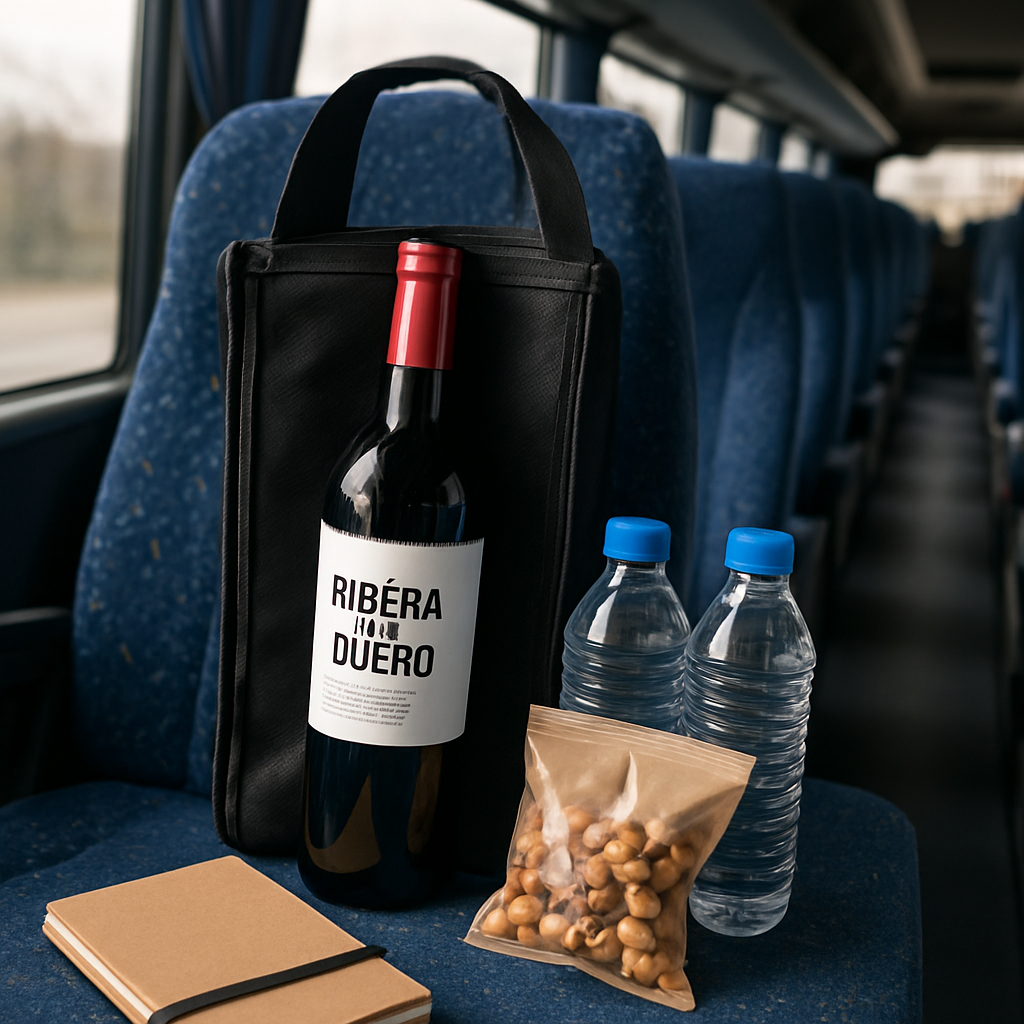
What we always recommend is a small insulated wine tote – something that fits in the rear luggage bay but still keeps the bottles at a steady 12‑14 °C.
You can grab a cheap cooler from a local supermarket, but a purpose‑built wine cooler bag has a tighter seal and a padded interior that cushions those heavy glass bottles.
Next, clothing. The Duero valley is a master of micro‑climates: sunny vineyards in the morning, a breezy riverbank at lunch, and maybe a drizzle as you head back to Madrid.
Pack layers: a breathable shirt, a light sweater, and a waterproof jacket that folds flat enough to slip into an overhead bin.
Don’t forget comfortable shoes – you’ll be strolling through historic cellars, hopping over stone steps, and maybe chasing a quick photo of a castle on a hill.
A quick tip: bring a pair of slip‑on shoes for the coach ride itself, then swap to sturdier boots or sneakers for the vineyard.
Now, the inevitable question: how much water and snacks should you bring?
Even though most wineries offer a cheese board, it’s wise to pack a few personal snacks – think mixed nuts, a granola bar, and a reusable water bottle.
Hydration is key, especially if you’re tasting three wines in a row. A 500 ml bottle of water per person keeps the palate fresh.
If you’re traveling with a group that includes kids or guests with dietary restrictions, label your snacks clearly so nobody reaches for the olives by mistake.
Technology can be a lifesaver on the road. A portable charger (or two) keeps phones alive for navigation, photo‑ops, and those last‑minute winery confirmations.
And don’t underestimate a small notebook or a notes app on your phone – jotting down tasting notes right after each sip helps you remember which vintage you fell in love with.
Speaking of notes, bring a pen that writes in low light. Some cellar rooms are dim, and you don’t want to fumble for a pencil.
Let’s talk about paperwork. A printed copy of the itinerary, winery contacts, and any special requests (like wheelchair access) should sit on the seat pocket in front of you.
While most drivers will have a digital copy, having a hard copy means you’re covered if the network drops.
If you’ve arranged bottle shipping, pack a few sturdy cardboard boxes and some bubble wrap – the driver can help load them at the last winery.
Here’s a quick checklist you can copy‑and‑paste into your planning doc:
- Insulated wine tote
- Layered clothing (shirt, sweater, waterproof jacket)
- Comfortable shoes + slip‑ons
- Reusable water bottle
- Snacks (nuts, granola, etc.)
- Portable charger
- Pen and notebook
- Printed itinerary & contacts
- Box & bubble wrap for shipping
- Sunscreen and hat
Anything else? A small first‑aid kit. A couple of band‑aids and some pain reliever go a long way if someone gets a blister from hiking up a steep vineyard slope.
And a hat. The sun can be fierce on the open vines, especially in late summer.
Don’t forget sunglasses – they protect your eyes and make those panoramic views of the Duero river even more enjoyable.
If you’re bringing a pet on a private tour (some boutique wineries allow it), a travel carrier and a portable water bowl keep the furry friend comfortable.
Finally, think about the return trip. Pack a small cooler with a couple of water bottles and a light snack for the drive back to Madrid – you’ll appreciate it when the coach hits the highway and the conversation slows down.
A lot of this may feel like over‑packing, but trust me, you’ll thank yourself when you’re not scrambling for a jacket or a charger halfway through the day.
One more thing: keep the coach driver in the loop about any heavy items you’re loading. A quick heads‑up lets them balance the load and keep the ride smooth.
If you need a real‑world example of how a balanced itinerary looks, check out a sample itinerary from Winerist that shows the timing of tastings, lunch, and travel windows.
That outline illustrates why you need both a cooler for the wine and a snack stash to keep energy levels steady.
When the day ends and you’re loading the cases back onto the coach, you’ll have everything you need to transport the bottles safely and still feel fresh for the after‑tour dinner back in Madrid.
So, to recap: temperature control, layered clothing, comfortable shoes, hydration, snacks, tech, paperwork, shipping prep, and a few comfort items. Pack them in, and you’ll spend the day enjoying the vines instead of worrying about a missing sweater.
Now grab your checklist, load the coach, and get ready for a Ribera del Duero wine tour from Madrid that feels as smooth as the wine you’ll be sipping.
Conclusion
We’ve walked through everything you need to pull off a seamless Ribera del Duero wine tour from Madrid – from the perfect coach, to the tasting rhythm, to the lunch pairings.
So, what does it all mean for you? It means you can spend the day sipping, not stressing, because the details are already mapped out.
Key takeaways
- Choose a climate‑controlled coach that fits your group size and offers easy luggage access.
- Build a linear itinerary with 2‑hour stops, a flexible lunch window, and a short buffer for photos.
- Pack insulated wine totes, layered clothing, water, snacks, and a charger – the little comforts that keep energy up.
- Confirm driver instructions and winery contacts at least two weeks ahead; a quick spreadsheet saves headaches.
In our experience, event planners who follow this checklist arrive at the vineyards feeling relaxed, and their guests leave talking about the wine, not the logistics.
And remember, the best tours feel effortless because you’ve planned the small stuff ahead of time. A quick tip: label each wine case with the winery name and a simple “keep cool” sticker, so the driver knows exactly where to store them.
Ready to turn your plan into reality? Grab your checklist, give us a call, and let our seasoned drivers handle the road while you focus on the toast.
Enjoy the vines, the conversation, and the memories – the journey is part of the story.
FAQ
What’s the best time of year for a Ribera del Duero wine tour from Madrid?
Most groups love the harvest buzz in late September to early October – the vines are turning gold, the cellar doors are open, and you can even see the grapes being pressed. If you prefer milder weather and fewer crowds, aim for late spring (April‑June) when the leaves are just unfurling and many bodegas run special “vine‑watch” tours. Both periods give you great tasting conditions, just choose the vibe that fits your schedule.
How many wineries can we realistically visit in a single day?
In practice, two to three wineries feels comfortable for a full‑day itinerary. Allocate roughly two hours per stop – 45 minutes for the tour, 30 minutes for tasting, and a 15‑minute buffer for travel or a quick photo break. Trying to squeeze more than three places usually means you’re rushing, the coach spends extra time on the road, and the tasting experience suffers. A linear route that moves north‑to‑south (or vice‑versa) keeps travel time low and energy high.
Do I need to book the coach far ahead, and what’s a safe lead time?
Yes, especially for groups of 12 people or more. In our experience, a 6‑8‑week window gives you the best selection of climate‑controlled coaches and lets you lock in a 48‑hour hold while you confirm guest numbers. Send a quick “hold” request to your driver and the first two wineries as soon as the itinerary is sketched – most providers will keep the slot for two days without a deposit.
Can the coach accommodate dietary restrictions or accessibility needs?
Absolutely. Our fleet includes vehicles with wheelchair‑ramps and extra space for mobility aides. When you share any dietary requirements with the wineries early, they can prepare a cheese board or a vegan snack that fits the tasting. On the coach you can bring a small cooler with allergy‑safe snacks, and the driver can help store them in the luggage compartment so everyone stays comfortable throughout the day.
What should I pack to keep both guests and wine safe?
Start with an insulated wine tote – it keeps bottles at 12‑14 °C even if the coach heats up. Layered clothing is a must: a breathable shirt, a light sweater, and a waterproof jacket for the occasional drizzle. Bring reusable water bottles, a handful of nuts or granola, a portable charger, and a small notebook for tasting notes. A pen that writes in low light is handy for those dim cellar rooms.
Is it possible to ship the bottles home after the tour?
Most Ribera del Duero estates offer on‑site shipping. Ask the winemaker before you arrive whether they can pack the cases in a courier box and arrange delivery to your Madrid address. Having the shipping form ready saves you a back‑haul on the coach and lets guests take their favorite vintage home without lugging heavy bottles.
How can I keep the group on schedule without stressing the driver?
Share a simple spreadsheet with the driver at least two weeks ahead. Include pick‑up time, exact winery addresses, a 30‑minute lunch window, and any loading instructions for wine cases. Build in a 10‑minute buffer between stops for photos or unexpected delays. A quick “text‑once‑we‑arrive” check‑in keeps everyone informed, and the driver can adjust on the fly without breaking the flow.