

Ever found yourself juggling a wedding guest list, a corporate itinerary, and a tight budget, all while trying to figure out how to get a dozen people from the airport to the venue without a hitch? Yeah, we’ve been there too, and it’s the kind of puzzle that can turn a celebration into a stress fest in seconds.
That’s where the idea of a reliable minibus rental madrid service steps in like a friendly neighbour offering a spare chair. Imagine a sleek, air‑conditioned minibuss pulling up at Barajas, the driver greeting you by name, luggage already loaded, and the whole group settling in without a single frantic phone call.
We’ve spent three decades moving families, corporate teams, and festival crews across Spain, and one pattern keeps showing up: people crave simplicity. They want a vehicle that fits the right number of seats—whether it’s seven for a private tour of Toledo or twenty‑five for a tech conference breakout—plus a driver who knows the shortcuts through Madrid’s bustling streets.
So, what does a smooth minibus experience actually look like? First, it starts with a quick chat about your schedule and any special needs—maybe a wheelchair‑accessible ramp or a few extra suitcases for a sports team. Then, we match you with the perfect bus size, confirm the pick‑up point, and lock in a price that’s transparent—no hidden fees lurking in the fine print.
Does this sound like a lot to manage? Not at all. Because when you work with a seasoned provider, the logistics become invisible. You can focus on rehearsing your speech, snapping photos, or just enjoying the ride while the city scenery rolls by.
Ready to take the guesswork out of group travel? Let’s dive deeper into how you can choose the right minibus, what to look for in a driver, and a few insider tips that will keep your journey on time and on budget.
TL;DR
In short, minibus rental Madrid simplifies group travel by offering right‑sized, fully serviced vehicles and knowledgeable drivers, so you can focus on your event, tour, or wedding without logistics headaches.
Whether you’re an event planner, corporate organizer, or couple planning a special day, our 30‑year experience guarantees punctual, comfortable, and customizable transport that turns a chaotic itinerary into a smooth, enjoyable ride.
Step 1: Determine Your Transport Needs
Picture this: you’ve just confirmed the guest list for a wedding, or you’ve nailed down the agenda for a corporate retreat, and now the biggest question looms—how are we actually getting everyone from point A to point B? That moment of realization is exactly why we start with a solid needs assessment. It’s the foundation that keeps the whole plan from collapsing under its own weight.
First thing’s first: write down the number of passengers. It sounds obvious, but we’ve seen planners underestimate by a few seats and end up cramming people onto a minibus that feels more like a sardine can. Count the adults, kids, any extra luggage, and remember any special equipment—maybe a folding stage for a band, or a wheelchair for a senior guest.
Next, think about the itinerary. Are you hopping between airport, hotel, and conference rooms? Or is it a single‑day sightseeing tour of Toledo? The more stops you have, the more you’ll want a driver who knows the shortcuts and parking restrictions around each venue. In our experience, a clear schedule lets the driver plan fuel stops and rest breaks, keeping everyone on time.
Assess Accessibility and Comfort Needs
If any of your travelers have reduced mobility, you’ll need a PMR‑adapted minibus. It’s not just a nice‑to‑have; it’s a legal requirement in many cases, and it shows you care about every guest’s experience. A quick chat with your group about any mobility concerns will save you a scramble later on.
Don’t forget the little comforts that make a ride feel premium: air‑conditioning for a July heatwave, Wi‑Fi for a team that needs to stay connected, or even a small refrigerator for bottled water on a long road trip. Jot these down before you even look at the fleet options.
Now that you’ve got a list, it’s time to match it with the right vehicle. Our fleet ranges from 7‑seat luxury vans to 70‑seat coaches, so there’s always a fit. If you’re unsure which size works best, check out our complete guide to choosing and booking a minibus in Madrid – it walks you through capacity, price tiers, and the perks of each class.
Budgeting Without Surprise Fees
Take a look at your budget and separate the hard costs (vehicle rental, driver’s fee, fuel) from the soft costs (tolls, parking, extra mileage). A common mistake is forgetting to ask about “night‑time surcharge” or “airport handling fees.” Ask the provider for a line‑item quote; transparency now prevents a nasty surprise later.
And here’s a tip that many overlook: printed itineraries and tickets can streamline the check‑in process at the airport or venue. A partner like JiffyPrintOnline offers custom forms and tickets that you can hand out to guests, keeping everything tidy and professional.
Once you’ve nailed down the numbers, the schedule, and the budget, you’ll have a crystal‑clear picture of exactly what you need. That clarity makes the next step—booking—feel almost effortless.
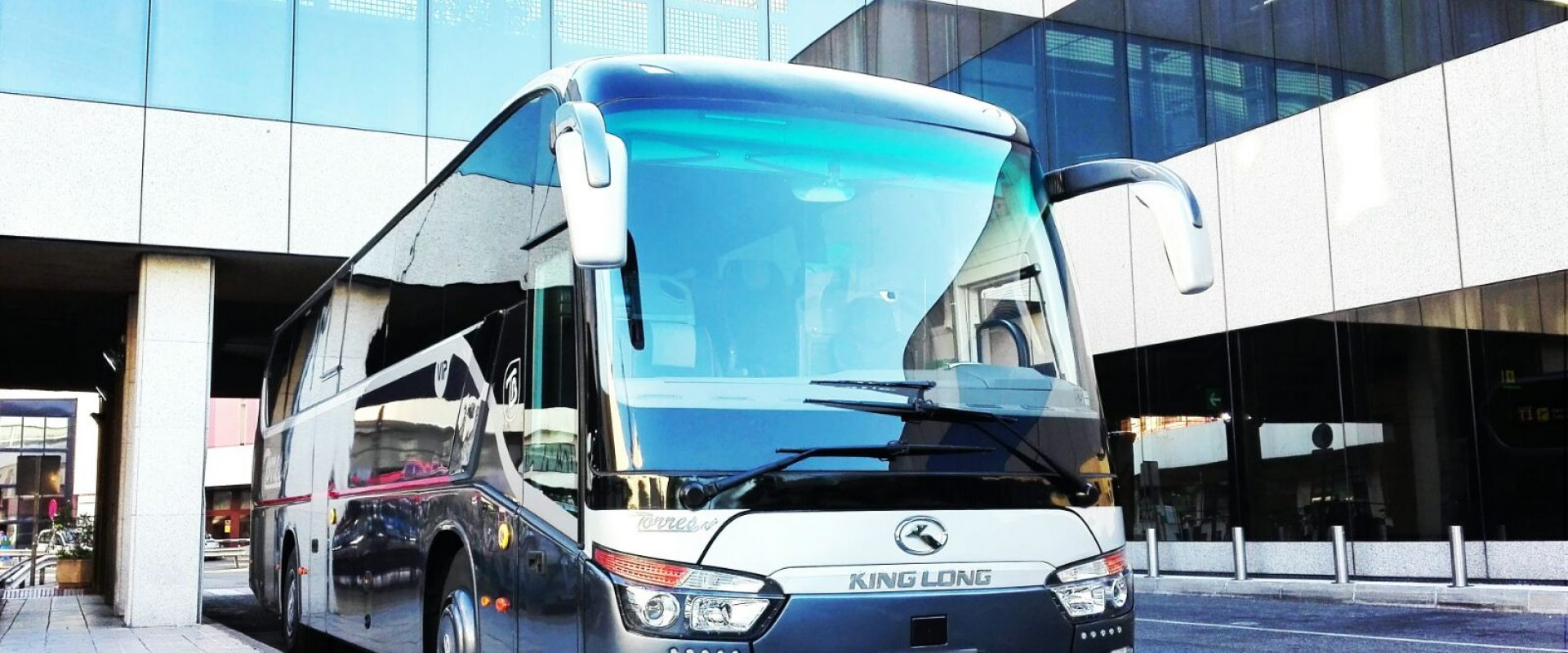
Seeing a real minibus in action can help you visualise the space. Notice how the seats fold down for extra luggage, and how the driver’s cabin is set up for easy communication with the group.
Don’t forget the visual side of your event. Great photos capture the vibe and give you marketing material for next year. Partnering with a specialist photographer, such as Alfapics, ensures you have high‑end images of your guests enjoying the ride and the destination.

Finally, write everything down in one place—a shared Google Doc, a project management board, or even a printed checklist. When every detail is documented, you can hand it off to the driver or the event coordinator without worrying that something falls through the cracks.
So, to recap: count heads, map the route, note accessibility, budget transparently, and lock in the right vehicle. When you follow these steps, the rest of the minibus rental process becomes a smooth ride rather than a frantic scramble.
Step 2: Choose the Right Minibus Size & Type
Okay, you’ve already counted heads and packed the luggage list – now the real question is: how big should the vehicle be? Picking the wrong size is the fastest way to turn a smooth ride into a cramped, stressful scramble.
1. Know your capacity sweet spot
Minibusses in Madrid typically come in 12‑seat, 16‑seat, 20‑seat and 25‑seat variants. A good rule of thumb is to add a 10‑15 % buffer for luggage, strollers or that extra coat nobody wants to leave behind. So a wedding party of 18 guests really needs a 20‑seat bus, not a 16‑seat one.
Data from passenger‑van operators show that grouping a group of 12‑15 people in a single 15‑seat van saves up to 30 % on fuel and reduces coordination headaches compared with using two smaller cars Auto Europe explains the cost‑efficiency of larger passenger vans. The same logic applies to minibusses – the bigger the single vehicle that comfortably fits everyone, the smoother the logistics.
2. Match size to the event type
Corporate road‑show. You’ll likely have laptops, presentation kits and maybe a few coffee makers. A 20‑seat minibus with a rear storage compartment works best. Add a quick stop for a coffee break and you’ve avoided the “where do we put the projector?” dilemma.
Wedding shuttle. Think dresses, suits and a flower‑arranged luggage rack. A 16‑seat minibus gives you room to spread out, plus a small bathroom on board if the ceremony stretches into the evening.
School field trip. Safety is non‑negotiable. Choose a vehicle with reinforced seats and seat‑belts for every passenger. For younger kids, a 12‑seat minibus that can fit a couple of wheel‑chairs or a stroller is ideal.
3. Decide on the type – standard, VIP or PMR
If you’re handling a high‑profile client or a VIP delegation, consider a luxury‑trim minibus. These come with leather upholstery, individual reading lights and sometimes Wi‑Fi. Uber’s luxury rental page notes that premium vehicles add extra polish for business or special occasions Uber lists luxury options for Madrid travelers. While we don’t rent through Uber, the idea is the same – you’re paying for comfort, privacy and a driver who knows the city’s shortcuts.
For accessibility, our fleet includes PMR‑adapted minibusses with ramps and secure wheelchair straps. If any guest uses a mobility aid, book the PMR model even if you could technically fit everyone in a standard bus. It avoids last‑minute panic and shows you care about every passenger.
4. Actionable checklist
- Write down total headcount and add 10 % extra seats.
- List luggage types – suitcases, equipment, strollers.
- Identify any accessibility needs.
- Choose a vehicle class (standard, VIP, PMR) based on event vibe.
- Confirm the minibus’s storage layout matches your cargo.
- Ask the driver about door height and boarding ramps at your pickup point.
In our experience, the moment you cross‑check this list with the driver, you eliminate most surprises. The driver can also suggest a nearby drop‑off point if your venue’s entrance is too tight for a 25‑seat bus.
5. Quick tip: the “two‑trip rule”
If you’re still unsure, plan for two short trips instead of one crowded ride. It costs a bit more, but the peace of mind of everyone sitting comfortably often outweighs the extra €‑few. Plus, it gives you a natural buffer for unexpected traffic around Madrid’s busy plazas.
So, grab that checklist, compare the numbers, and pick the size that lets your guests breathe, laugh and enjoy the ride. The right minibus size and type is the foundation for a stress‑free journey – and the first real step toward a flawless event.
Step 3: Compare Pricing & Service Packages
Okay, you’ve nailed the size and the type – now the money talk. This is where most planners feel the knot tighten: “Is this really worth what they’re asking?” Let’s break it down so you can see exactly what you’re paying for and why.
Why price isn’t a flat number
Minibus rental madrid prices swing based on three main levers: seat count, extra amenities, and the length of the hire. A plain 12‑seat vehicle might sit around €120 a day, but add Wi‑Fi, a mini‑fridge, or a driver who speaks English and you’re looking at €200‑€250.
Think about it like ordering a coffee. A plain espresso is cheap; a latte with oat milk and a fancy latte art swirl costs more because you’re getting extra ingredients and a bit of showmanship. The same principle applies to minibuses.
In our experience, clients who skip the “nice‑to‑have” options often end up paying hidden fees later – like extra mileage or last‑minute driver changes. So it pays to compare the whole package, not just the headline price.
How to stack‑up the numbers
Grab a spreadsheet or a notebook and line up the options you’re considering. Create three columns: Seats, Base Rate, and Extras. Then fill in the rows for every quote you’ve received.
Here’s a quick cheat‑sheet you can copy‑paste:
| Package | Seats | Price Range (€/day) | Included Services |
|---|---|---|---|
| Standard | 12‑16 | 120‑150 | Driver, basic insurance, luggage compartment |
| VIP | 20‑25 | 200‑250 | Wi‑Fi, bottled water, premium leather seats, English‑speaking driver |
| PMR‑Adapted | 16‑20 | 180‑220 | Ramp, wheelchair straps, extra staff for assistance |
Use this table as a decision matrix. If you’re planning a corporate road‑show, the VIP row probably makes the most sense. For a wedding where a few grandparents need a ramp, the PMR‑Adapted option saves you a scramble on the day of.
Real‑world price snapshots
Last month a tech conference in Madrid booked three 20‑seat VIP minibusses for a three‑day expo. They paid €225 per day per bus, which included a driver who knew the shortcut lanes around the Gran Vía and a Wi‑Fi hotspot that could handle 30 simultaneous connections. Compare that to a competitor’s quote of €260 per day for the same seats but without Wi‑Fi – the €35 difference turned into a smoother live‑stream for the keynote.
Another example: a wedding planner in Alcobendas needed two 16‑seat buses with wheelchair access for the bride’s grandparents. The package they chose was €190 per day, ramp included, and the driver arrived 15 minutes early to help with luggage loading. The next day they got a call from a rival company offering €175 per day but no ramp – the planner chose the higher price for peace of mind.
Quick checklist before you sign
- Confirm the exact seat count you need, plus a 10 % buffer.
- List every extra you want: Wi‑Fi, refreshments, onboard toilet, multilingual driver.
- Ask about mileage limits – unlimited is usually worth the extra €20‑€30.
- Check if insurance covers passenger injuries and cargo.
- Get a clear breakdown of taxes, airport surcharges, and any “fuel‑up‑on‑return” fees.
Once you have that list, call each provider and ask them to quote the package line‑by‑line. If a quote looks too good to be true, probe: “What’s excluded?” You’ll often uncover hidden costs before they bite.
External price references
For a broader sense of how daily rates compare across vehicle types, you can glance at SIXT’s pricing guide – it shows typical car‑rental daily rates in Spain, which helps you gauge whether a minibus quote is in the right ballpark. Similarly, Booking.com’s car‑rental overview lists average prices for larger vehicles, giving you a benchmark for “premium” vs. “standard” pricing.
Bottom line: don’t just chase the lowest number. Look at the full package, weigh the extras that matter to your event, and use the table above to visualise which option gives you the best value for the experience you promise your guests.
Step 4: Book, Confirm & Prepare for Your Trip
Alright, you’ve picked the right size, you’ve scoped the price – now it’s time to lock everything down so you can actually sleep the night before the big day. Booking a minibus in Madrid isn’t just about clicking “confirm”; it’s a mini‑project that, if you treat it right, removes a massive chunk of stress.
1. Get a written quote that reads like a checklist
Ask the provider to send you a PDF or email that lists every line item – seats, driver, fuel surcharge, mileage, insurance, any extra amenities. When you see a single lump‑sum number, it’s easy to miss hidden fees later.
Copy that quote into a simple table on your phone or laptop. Add a column for “confirmed?” and tick each item as you get a verbal or email confirmation. It feels a bit old‑school, but it works.
2. Double‑check the fine print
Look for clauses about cancellation, late‑return penalties, and what happens if the driver calls in sick. A common surprise is a “fuel‑up‑on‑return” fee that can add €30‑€50 if the tank isn’t full.
One tip we’ve learned: ask for a “no‑surprise” guarantee in writing. It’s a short sentence that says the price you’ve signed is the price you’ll pay, barring extraordinary circumstances.
3. Secure the driver and the vehicle details
Ask for the driver’s full name, phone number, and a photo of the vehicle (license plate included). Knowing exactly who will pull up at Barajas or Atocha saves you from playing “who’s that guy in the white van?”
For VIP or corporate clients, request a driver who speaks English or the language of your guests. It’s a tiny detail that makes a big impression.
4. Confirm the pickup & drop‑off logistics
Write down the exact address, any gate codes, and the preferred loading zone. If you’re meeting at a hotel with a tight lobby, ask the driver to park a short walk away and meet you at the entrance.
Map the route in advance using your favourite navigation app. Share the live link with the driver so you both see traffic updates in real time.
5. Add the extras you actually need
Wi‑Fi? Mini‑fridge? On‑board toilet? List them, then ask the provider to confirm which are included in the base price and which cost extra. It’s easy to assume “Wi‑Fi is standard” and end up paying €20 per hour later.
For weddings, a small cooler for water and a portable speaker can be lifesavers. For corporate road‑shows, a power outlet strip and a whiteboard pad keep the team productive.
6. Do a quick “what‑if” test
Imagine the worst‑case scenario: the driver runs into a traffic jam, the bus arrives 20 minutes late, or a guest spills coffee on the seat. Who contacts whom? Write down a short escalation plan – a phone number for the driver, a backup contact at your venue, and a contingency budget for a last‑minute taxi.
Having that plan written down feels a bit paranoid, but it’s the kind of preparedness that turns a potential disaster into a footnote.
7. Use a pricing reference to sanity‑check your numbers
If you’re unsure whether the daily rate is fair, a quick glance at the SIXT long‑term car rental pricing guide gives you a ballpark for premium vehicles in Madrid. While Sixt rents cars, not minibusses, the price ranges for larger models can help you spot outliers.
Remember, the cheapest quote isn’t always the best value. Look at what’s bundled – insurance, driver, mileage – and weigh that against any hidden costs you uncovered earlier.
8. Final confirmation call – the 24‑hour rule
Give the provider a quick call 24 hours before the pickup. Verify the driver’s name, vehicle plate, and that all extras are still on board. Ask, “If anything changes on our end, how do we let you know?” This simple question often reveals whether the company has a real‑time support line.
That call also gives you a chance to say, “We’re excited to work with you,” which builds rapport and can smooth over any hiccups.
Once you’ve ticked every box, breathe. You’ve turned a chaotic to‑do list into a clear, actionable plan. The minibus is now booked, confirmed, and ready to roll – all that’s left is to enjoy the ride.

Step 5: Tips for a Smooth Journey & After‑Care
You’ve just watched the minibus pull away from the airport, the doors close behind the last guest, and you feel that mix of relief and excitement. But the real work starts once the wheels stop turning.
Here’s how you keep that feeling alive, dodge the little things that can turn a perfect day into a scramble, and make sure every future minibus rental madrid experience feels just as seamless.
Post‑trip quick‑check
When the bus is back at the depot, take a five‑minute walk around it. Look for stray luggage, spilled coffee, or a seat belt that didn’t lock. A quick visual scan catches most issues before they become a bill.
Ask the driver a simple question: “Anything that felt off today?” Their on‑the‑ground view often spots things you miss from the passenger side.
Document what worked (and what didn’t)
Grab a notebook or a notes app right after the trip and jot down two bullet points: one thing that ran flawlessly and one hiccup you’d tweak next time. Maybe the Wi‑Fi router performed perfectly, but the drop‑off sign at the venue was hard to read.
These tiny notes become a cheat‑sheet for the next event planner, wedding coordinator, or corporate client you work with.
Gather feedback without sounding salesy
Send a short, friendly email the day after the ride. Something like, “Hope the journey was smooth—did anything feel missing?” Keep it to one line and a quick “reply with yes or no.” People love a painless way to share thoughts.
If you get a “yes, the driver was fantastic” reply, you’ve got a genuine testimonial you can later use with permission. If you hear “the air‑conditioning was a bit warm,” you’ve identified a fix before the next booking.
Maintain the vehicle
Regular cleaning isn’t just about appearance; it’s a safety habit. Schedule a deep clean after every three trips or any trip that involved food, drinks, or outdoor gear.
Check tire pressure, fluid levels, and the battery at the same time. A well‑maintained bus reduces the chance of a breakdown on a future Madrid road‑show.
Update your internal checklist
Take the original booking checklist you used in Step 4 and add a new section called “After‑Care.” Include items like:
- Vehicle inspection completed
- Driver debrief logged
- Passenger feedback collected
- Cleaning schedule booked
- Any incident reported to insurance
This turns a one‑off after‑trip thought process into a repeatable routine.
Communicate next steps with your client
Close the loop with a short summary: “Your minibus rental madrid was completed, no incidents, and we’ve logged your feedback. Let us know if you need a follow‑up quote for next month’s conference.” It reinforces professionalism and keeps the door open for repeat business.
Sometimes a client will ask for a copy of the inspection report. Having it ready to attach shows transparency and builds trust.
Plan for the unexpected
Even with perfect planning, traffic jams or sudden weather changes happen. Keep a “contingency card” in the driver’s pocket with two phone numbers: a backup driver and the local garage that can tow a bus if needed.
Share that card with the client after the trip so they know you’ve thought ahead. It’s a tiny gesture that feels huge when something goes awry.
Final thought
After‑care isn’t an afterthought; it’s the secret sauce that turns a one‑time hire into a long‑term partnership. By doing a quick check, noting feedback, keeping the bus spotless, and looping back with your client, you make every minibus rental madrid experience feel like a well‑orchestrated dance rather than a chaotic shuffle.
So, after the last passenger steps off, take a breath, run through the checklist, and let the smooth ride become the new standard.
Conclusion
We’ve walked through every step, from sizing the vehicle to locking down the price, so you can breathe easy when the day arrives.
Think about the last time a transport hiccup stole the spotlight – now picture the opposite: a smooth, on‑time minibus rental madrid that lets your guests chat, relax, and enjoy the ride.
In our experience, a quick post‑trip debrief and a tidy feedback email are the secret sauce that turn a one‑off hire into a long‑term partnership.
So, what’s the next move? Grab your checklist, confirm the driver’s contact, and send that friendly “thank you” note with the inspection report attached. It shows you care and keeps the door open for the next conference, wedding, or school trip.
Remember, the little gestures – a contingency card, a spotless bus, a prompt follow‑up – are what make the difference between a good service and a great one.
If you feel ready to book your next minibus rental madrid, give us a shout. We’ll match the right vehicle, handle the details, and let you focus on the event that matters most.
A final tip: keep a one‑page summary of your transport needs for every future event – it saves time, avoids confusion, and makes each minibus rental madrid feel like a seamless extension of your planning process.
FAQ
What should I look for when choosing a minibus rental madrid provider?
First, make sure the fleet has the exact seat count you need – we usually add a 10 % buffer for luggage and extra comfort. Next, verify that the driver knows Madrid’s shortcuts, especially around busy districts like Chamartín and Atocha. Finally, ask about the basics: full insurance, recent vehicle inspection, air‑conditioning, Wi‑Fi and, if you have guests with reduced mobility, a PMR‑adapted ramp.
How far in advance should I book a minibus rental madrid for a wedding?
Ideally you lock in your bus at least four weeks before the big day. That gives the company enough time to allocate the right vehicle, confirm the driver’s schedule and iron out any special requests – like a champagne cooler or extra seating for grandparents. If you’re planning a summer wedding in Madrid, booking even earlier helps you avoid the peak‑season scramble.
Can I get a driver who speaks English for a corporate road‑show?
Absolutely. Most reputable firms, including Torres Bus, keep a roster of bilingual drivers who can guide you through airport pickups, hotel drops and city traffic while answering quick questions in English. Let them know your itinerary ahead of time so they can prep any route‑specific notes or language cues you might need during the event.
What’s the difference between a standard minibus and a VIP minibus?
A standard minibus gives you the basics: comfortable seats, luggage space and a courteous driver. A VIP minibus adds luxury touches – leather upholstery, individual reading lights, onboard Wi‑Fi, bottled water and sometimes a small refreshment bar. If you’re transporting senior executives or a wedding party that expects a touch of glamour, the VIP upgrade pays off in comfort and impression.
Are there any hidden fees I should watch out for?
Watch for fuel‑up‑on‑return charges, mileage caps and extra‑hour rates if the trip runs longer than planned. Some companies also add airport surcharges or toll reimbursements as separate line items. The safest move is to ask for a detailed quote that breaks down each cost – base rate, driver fee, insurance, fuel policy and any optional extras.
How do I handle last‑minute changes or cancellations?
Most operators have a 24‑hour notice policy for free changes; after that you might pay a modest re‑booking fee. Keep a contingency card in the driver’s pocket with a backup contact number and a quick‑response email template. If you know a change is coming, call the provider ASAP – the earlier you speak, the more flexibility you’ll get.
Is it worth adding extra insurance for passenger belongings?
If you’re moving valuable equipment – think camera gear for a film crew or musical instruments for a concert tour – the extra coverage is a smart safety net. It usually covers loss, theft or damage beyond the standard passenger liability. Ask the rental company for a clear summary of what’s included and what the optional add‑on actually protects.