
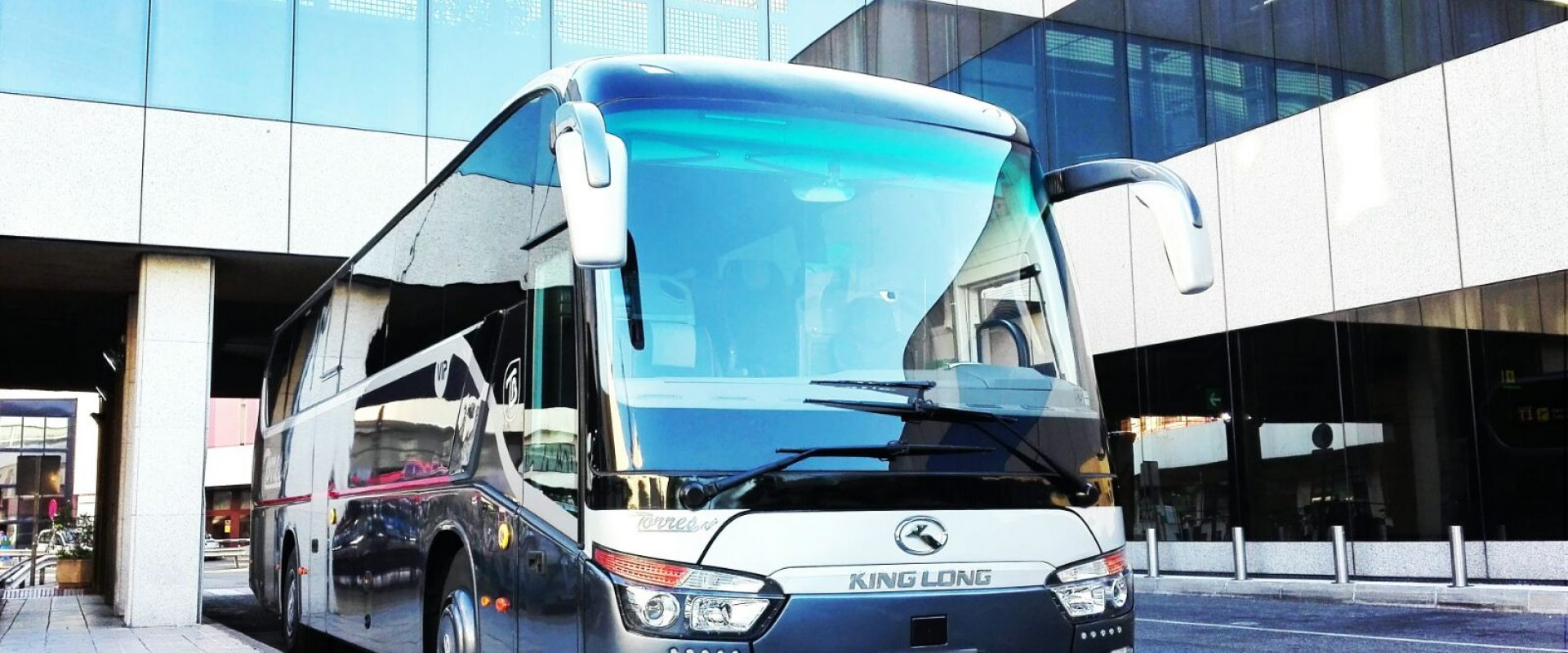

Picture this: you step off the plane at Barajas, the luggage carousel is humming, and you’re already juggling a spreadsheet of meeting times, a kids’ snack schedule, and that one souvenir you forgot to buy.
Does the thought of corralling eight colleagues, a couple of grandparents, or a whole wedding party into a single ride make your stomach do flips? You’re not alone. That nervous feeling is exactly why a smooth minibus hire madrid airport experience feels like a lifeline.
In our three decades of shuttling families, executives, and film crews across Spain, we’ve learned that the little details make the biggest difference. A friendly driver who greets you by name, a vehicle that fits everyone’s luggage without a Tetris session, and a punctual departure that respects your itinerary – that’s the sweet spot.
So, what should you look for before you click “book now”? First, check the vehicle size. A 12‑seat minibus is perfect for a small corporate team, while a 25‑seat coach handles a school excursion to Toledo without anyone feeling cramped.
Second, ask about accessibility. Many groups include passengers with reduced mobility, and a PMR‑adapted minibus means no one gets left behind.
Third, think about the service style. Do you need a luxury interior for a VIP client meeting, or a simple, clean ride for a day‑trip to Segovia? Knowing the vibe helps you match the right bus to the occasion.
And here’s a tip most travelers miss: confirm the driver’s knowledge of the airport’s traffic patterns. Barajas can be a maze, especially during rush hour, but a seasoned local driver can shave off precious minutes.
Imagine arriving at your hotel with everyone still fresh, the kids asleep, and the business partner already impressed by your flawless logistics. That’s the power of a well‑planned minibus hire madrid airport solution.
Ready to turn that chaotic arrival into a smooth start? Let’s dive deeper into how you can pick the perfect ride, lock in a reliable driver, and keep your schedule on track from the moment you land.
TL;DR
Choosing the right minibus hire madrid airport means matching vehicle size, accessibility, and driver expertise. With Torres Bus you get a punctual, comfortable ride that keeps everyone fresh, saves time, and turns chaotic arrivals into a smooth start for corporate trips, family outings, or weddings and memorable experiences for you.
Step 1: Define Your Group’s Needs and Choose the Right Vehicle Size
Picture this: you’ve just landed at Barajas, the luggage carousel is humming, and you glance at the passenger list on your phone. Eight colleagues, two grandparents, a handful of kids – each with their own suitcase, stroller, or wheelchair. Does the idea of squeezing everyone into the wrong vehicle make you cringe? It’s a common gut‑check, and it’s the first sign you need to pause and really map out the group’s needs before you click “book”.
First, ask yourself three quick questions:
- How many seats do we actually need, including space for luggage?
- Are any passengers travelling with reduced mobility or special equipment?
- What vibe are we aiming for – business‑formal, relaxed family‑fun, or a wedding‑day sparkle?
Answering these gives you a clear capacity target. In our experience, a 12‑seat minibus is a sweet spot for a small corporate team plus a couple of suitcases, while a 25‑seat coach comfortably handles a school outing or a wedding party without turning the interior into a game of Tetris.
Next, think about the shape of the load. A typical 12‑seat van can stash about 1.5 m³ of baggage – enough for two large suitcases per passenger. If you’re moving camera gear for a film crew or a mountain‑bike rack for a sports group, you’ll want a larger vehicle or a dedicated luggage compartment. It’s not just about seats; it’s about keeping everyone’s belongings safe and out of the way.
Accessibility is another non‑negotiable. If even one guest uses a wheelchair, you’ll need a PMR‑adapted minibus with a ramp and a secure tie‑down system. Skipping this step often leads to last‑minute scramble at the terminal, which defeats the whole purpose of a smooth transfer.
Now, match the vehicle size to the journey’s length. For a quick airport‑to‑hotel hop, comfort seats with extra legroom make a big difference – especially if the flight arrived late and everyone’s exhausted. For a full‑day excursion to Toledo, you might prefer a coach with reclining seats, climate control, and a small refreshment bar. The right size ensures the group stays refreshed, not cramped.
Here’s a quick checklist you can print or save on your phone:
- Count the total passengers, including infants (count them as a seat if you need a car seat).
- Add one extra seat for the driver and any on‑board staff.
- Calculate total luggage volume – roughly 0.5 m³ per suitcase.
- Identify any mobility requirements – wheelchairs, walkers, or large equipment.
- Decide on comfort level: standard, executive, or event‑specific.
Once you’ve ticked those boxes, you’ll know whether a 7‑seat van, a 16‑seat microbus, or a 30‑seat coach is the right fit. And because every minute counts at the airport, confirming the vehicle’s exact dimensions with the provider prevents unpleasant surprises.
In practice, we often see event planners who initially book a 12‑seat minibus for a wedding reception, only to discover they need extra space for a bridal party photo shoot and a portable sound system. A quick phone call to the driver’s office can upgrade the vehicle on the spot, saving you from a last‑minute scramble.
After you’ve settled on size, the next step is to verify the driver’s experience with Barajas traffic patterns. A seasoned local knows the shortcuts that shave five to ten minutes off the journey – a tiny edge that can mean the difference between a punctual start and a rushed, stressful morning.
Finally, keep a copy of the vehicle’s specifications handy. Most providers, including ours, will send a PDF with seat layout, luggage capacity, and accessibility features. Having that on your tablet lets you double‑check everything before the driver arrives.
When you walk away from the airport with the group comfortably settled, the kids already napping, the executives reviewing their agenda, and the wedding guests chatting about the ceremony, you’ll know you made the right call on vehicle size. That’s the feeling we aim for with every minibus hire madrid airport booking.
Ready to run the numbers? Grab a pen, pull up the checklist, and start visualising the perfect ride for your crew.

Step 2: Compare Service Types and Pricing Models
Now that you know how many seats you need, the next puzzle is figuring out which service style fits your budget and vibe. Do you want a no‑frills shuttle, a premium VIP cabin, or something in‑between?
1. Plain‑Van Shuttle vs. Luxury Executive Minibus
A plain‑van shuttle is the workhorse of airport transfers – think basic seats, standard luggage rack, and a driver who gets you from Barajas to the hotel on time. It’s perfect for a school trip or a budget‑conscious corporate team.
By contrast, a luxury executive minibus adds leather upholstery, climate‑control zones, onboard Wi‑Fi, and sometimes a small refreshment bar. The price jumps 20‑30 % but the experience feels like a moving boardroom, which can impress high‑value clients.
In our experience, event planners who host international delegates often choose the executive option because the extra comfort translates into better networking on the road.
2. Fixed‑Rate vs. Hourly‑Rate Models
Fixed‑rate packages are simple: you pay one price for a round‑trip or a full‑day itinerary, no surprises. They work best when your itinerary is set – for example, a wedding shuttle that runs from the airport to the ceremony, then to the reception.
Hourly rates give you flexibility. If your group plans to stop at a tapas bar, visit a museum, or wait for a late flight, you pay for the actual time the driver is on the clock. Just remember to add a buffer for traffic around rush hour.
Tip: ask the provider for a “capped‑hourly” quote – a maximum you won’t exceed even if the day runs longer than expected.
3. Inclusive Packages vs. A‑la‑Carte Add‑Ons
Some companies bundle driver gratuity, fuel, insurance, and even a welcome bottle of water into one price. Others list each item separately, which can look cheaper at first glance but adds up quickly.
When you compare quotes, line up the items side by side. A €150 fixed rate that includes fuel and insurance is often more transparent than a €120 base price plus €15 for fuel and €10 for insurance.
We’ve seen tour operators save up to 12 % by switching to an all‑inclusive package after a quick spreadsheet check.
4. Real‑World Scenarios
Corporate off‑site – 20 people, multiple stops: Choose an executive minibus on a capped‑hourly model (e.g., €80 / hour, max €600). The extra comfort keeps the team productive between stops, and the cap protects you from traffic‑induced overruns.
Family wedding – 15 guests, luggage heavy: A plain‑van shuttle with a fixed‑rate round‑trip (€180) covers airport pickup, luggage handling, and a short ride to the venue. Add a small “extra‑luggage” surcharge only if you exceed the standard rack capacity.
School field trip – 25 students, day‑long itinerary: A 25‑seat coach on a full‑day fixed rate (€350) that includes a driver, fuel, and insurance. The fixed price simplifies budgeting for school administrators.
5. How to Compare Offers in Five Minutes
- Write down the service type you need (shuttle, executive, coach).
- Note the pricing model each provider uses (fixed, hourly, capped‑hourly, inclusive).
- List every included item – fuel, insurance, driver tip, Wi‑Fi, refreshments.
- Calculate the total cost for your exact scenario (multiply hourly rate by estimated hours, add buffers).
- Pick the option with the best value‑to‑experience ratio, not just the lowest price.
Quick sanity check: if two quotes differ by less than 5 % but one offers Wi‑Fi and a climate‑control zone, the higher‑priced option usually wins on passenger satisfaction.
6. Expert Tip – Ask for a Sample Itinerary
Before you sign, request a sample itinerary that shows pick‑up times, estimated travel durations, and any planned stops. Seeing the numbers laid out helps you spot hidden fees and confirms the provider’s knowledge of Barajas traffic patterns.
And remember, a reliable partner like Torres Bus can adjust the vehicle size up to 48 hours before departure at no extra cost, giving you a safety net if your headcount changes.
By breaking down service types, pricing models, and the little details that matter, you’ll walk away with a clear picture of what you’re really paying for – and you’ll avoid nasty surprises on the day of travel.
Step 3: Book Your Minibus – What to Look for in a Provider
Alright, you’ve sized the vehicle and you’ve scoped the pricing model. Now the real question is: who do you actually hand your group’s safe‑arrival to? Picking the right provider is less about flashy ads and more about a few practical checkpoints that keep the whole trip from turning into a nightmare.
First off, ask yourself: does the company treat every booking like a one‑off, or do they have a repeat‑client mindset? When a provider knows you’ve booked before, they’ll remember that one senior guest needs a ramp or that the coffee cart takes an extra seat. It’s the little memory tricks that save you time on the day of travel.
Check the license and insurance details
It sounds boring, but you’d be shocked how many “budget” operators cut corners on paperwork. Verify that the fleet is registered for commercial use, that every driver holds a valid professional licence, and that the company carries full passenger liability insurance. A quick request for a PDF copy of their insurance certificate should be met without hesitation.
If they hesitate, that’s a red flag – you deserve a partner who’s proud of the paperwork.
Driver expertise matters more than the vehicle’s polish
Barajas can feel like a labyrinth, especially during rush hour. Ask the provider how many years their drivers have been navigating the airport’s exit routes, roadworks, and peak‑hour traffic. In our experience, drivers with at least three years of local airport experience cut average travel time by 10‑15 minutes.
Don’t forget to probe their language skills if you have an international group. A driver who can greet you in English, Spanish, and maybe a bit of French adds that extra layer of hospitality.
Transparency in pricing – no hidden fees
Look for a clear breakdown: base rate, fuel surcharge, driver gratuity, tolls, and any optional extras like Wi‑Fi or onboard refreshments. The best providers will give you a single line‑item quote that already includes everything you asked for.
Beware of “low‑ball” quotes that suddenly pop a “airport handling fee” after you’ve signed. If the provider can walk you through the entire cost sheet in plain language, you’re on the right track.
Flexibility and contingency policies
Flights get delayed, weather changes, or a last‑minute guest decides to join. Does the company let you adjust the headcount up to 48 hours before departure without penalty? Can you shift the pick‑up time by an hour if your flight lands late?
Torres Bus, for example, offers a free size upgrade up to two days before the trip – a small perk that can save you from scrambling for a second vehicle.
Now, let’s talk about the actual booking process. Most reputable firms have an online portal or a dedicated booking email where you can paste your itinerary, passenger list, and any special requests. If you get a personalized PDF itinerary back – complete with pick‑up coordinates, estimated travel times, and driver contact – you know they’ve taken the time to map out your journey.
Here’s a quick checklist you can copy‑paste into a note app:
- Company licence number and insurance certificate confirmed.
- Driver’s local airport experience (≥3 years) and language proficiency.
- Full cost breakdown – no “extra fees” lurking.
- Flexibility clause for headcount or timing changes.
- Sample itinerary with driver contact and vehicle details.
Does that feel like a lot? It’s actually a handful of questions that keep you from a stressful day at the terminal.
And if you’re a wedding planner or corporate event manager, ask whether they can provide a “concierge” point of contact who can handle last‑minute changes on the fly. That single person becomes your safety net.
One final tip: request a short video call or virtual walk‑through of the minibus interior. Seeing the seats, luggage racks, and wheelchair ramp in real time beats a static photo any day.
When you’ve ticked all those boxes, you can hit “confirm” with confidence, knowing the provider will get you from Barajas to your hotel, venue, or next stop without a hitch.
Take a breath, review the checklist, and lock in that booking. In a few clicks you’ll have turned a potential logistics nightmare into a smooth, predictable ride for everyone on board.
Step 4: Evaluate Extras and Compare Key Features
Now that you know what size vehicle fits your crew, it’s time to dig into the little things that can turn a decent ride into a flawless experience. Extras and key features are where the rubber meets the road – literally – and they’re often the reason a group arrives relaxed instead of frazzled.
Why extras matter
Think about the last time you booked a hotel room without checking if it had a coffee maker. You probably showed up, yawned, and wished someone had thought of that tiny convenience. The same principle applies to minibus hire madrid airport. A few well‑chosen add‑ons can shave minutes off your travel time, keep kids entertained, and keep senior passengers comfortable.
And if you’re juggling a wedding schedule or a corporate agenda, those minutes add up fast. Let’s walk through the most common extras, why they matter, and how to compare them.
Common extras and how to evaluate them
On‑board Wi‑Fi. For a tech‑savvy team, a stable connection means you can keep working while the bus is stuck in traffic. Ask the provider how many devices can connect simultaneously and whether the network is encrypted. In our experience, a 5‑GHz hotspot that supports at least 12 devices is the sweet spot for a 12‑seat executive minibus.
Climate control zones. Madrid can swing from a chilly morning to a scorching afternoon. Vehicles with separate driver and passenger climate zones let you keep the driver comfortable while passengers stay cool. Look for a digital thermostat that lets you set two different temperatures.
Accessibility ramps and wheelchair locks. If your group includes anyone with reduced mobility, a PMR‑adapted minibus isn’t a nice‑to‑have – it’s mandatory. Verify that the ramp folds away cleanly and that the wheelchair securing system meets EU safety standards.
Refreshment kits. A simple water bottle and a few snack packs can keep morale high on a long day trip. Some providers bundle these for free; others charge per passenger. Compare the per‑person cost against the convenience of not having to source snacks yourself.
Extra driver or backup vehicle. Flight delays happen. Having a standby driver on call or a backup minibus ready to roll can save you from a cascade of schedule changes. Ask whether the provider offers a “contingency package” and what the lead time is for activation.
Real‑world scenarios
Scenario 1 – Corporate roadshow. A marketing team needs to visit three venues in one day. They choose a 20‑seat executive minibus with Wi‑Fi, dual‑zone climate control, and an extra driver. The Wi‑Fi lets them upload presentation edits on the go, while the second driver handles paperwork at the first stop, keeping the schedule tight.
Scenario 2 – Wedding shuttle. A bride wants a stress‑free transfer for grandparents in wheelchairs. She selects a 14‑seat PMR‑adapted vehicle, adds a refreshment kit (sparkling water and pastries), and opts for a contingency driver. On the day, a late flight pushes the pickup back 30 minutes, but the backup driver arrives early, so the bride never has to explain a delay to her family.
Scenario 3 – School field trip. A teacher books a 25‑seat coach with a built‑in PA system for the guide’s commentary, climate control, and a snack pack for each student. The PA system eliminates the need for the guide to shout over traffic noise, making the educational experience smoother.
Quick comparison table
| Feature | Standard Option | Premium Option | What to look for |
|---|---|---|---|
| Wi‑Fi | Basic hotspot (up to 4 devices) | Enterprise‑grade (12+ devices, encrypted) | Device limit, security protocol |
| Climate Control | Single zone | Dual zone with digital thermostat | Separate driver/passenger settings |
| Accessibility | Optional ramp (extra fee) | PMR‑adapted, ramp included | EU safety compliance, lock system |
Actionable checklist
- List every extra you think your group might need – Wi‑Fi, snacks, wheelchair access, extra driver.
- Rate each item on a scale of “must‑have,” “nice‑to‑have,” or “skip.”
- Contact your minibus hire madrid airport provider and ask for a detailed quote that breaks each extra into a line item.
- Compare the line‑item totals against your budget. If the premium Wi‑Fi costs €15 extra per hour, decide whether the productivity gain outweighs the price.
- Ask for a written contingency policy – how quickly can a backup vehicle be dispatched?
- Before you sign, request a short video walk‑through that shows the climate controls, Wi‑Fi router placement, and accessibility ramp in action.
By treating extras like a checklist rather than an afterthought, you turn “just a ride” into a tailored service that matches the vibe of your event, whether that’s a high‑stakes corporate summit or a sentimental family wedding.
So, take a moment now to write down those little details. When you see them on the provider’s quote, you’ll know exactly what you’re paying for – and you’ll feel confident that nothing important has been left behind.
Step 5: Confirm Booking Details and Prepare for the Day of Travel
Now that you’ve nailed the vehicle size and the pricing model, it’s time to lock everything down so the day of travel feels like a well‑rehearsed dance, not a chaotic scramble.
Does the thought of a missed pickup or a forgotten extra keep you up at night? Trust me, you’re not alone. A few minutes of double‑checking can save you hours of headache later.
1. Double‑check the reservation
Pull up the confirmation email you received from your minibus hire madrid airport provider. Look for these five golden details:
- Vehicle type and seat count – does it match the 12‑seat, 20‑seat, or PMR‑adapted model you asked for?
- Pick‑up location – is it the exact terminal (T1, T2, T3) at Barajas? Note the gate number if you have it.
- Pick‑up time – add a 15‑minute buffer for possible flight delays.
- Driver’s name and contact number – you’ll want to call or text if your flight lands early or late.
- All listed extras – Wi‑Fi, climate zones, wheelchair ramp, refreshment kit, extra driver, etc.
If anything looks off, fire off a quick email or WhatsApp to the provider now. In our experience, a polite “just confirming the ramp is included for the grandparents” gets a swift reply.
2. Create a day‑of‑travel checklist
Write it down, print it, or stick it on your phone’s notes app. A checklist turns “maybe I forgot the water bottles” into a no‑brainer.
- Flight number, arrival time, and terminal.
- Passenger list with any special needs (wheelchair, infant seat, large luggage).
- Extra items you’ve ordered – Wi‑Fi password, snack packs, bottled water.
- Contact info for the driver and a backup driver (if you booked one).
- Parking or drop‑off instructions for the venue (hotel, wedding hall, school).
Check each line off as you verify it. When the list is green, you can breathe easier.
3. Communicate with your driver
Give the driver a heads‑up a day before departure. A short message like, “Hey Carlos, our flight TL123 lands at 09:45 am, terminal T2. We have two grandparents in wheelchairs and a coffee trolley. Anything you need from us?” does wonders.
Most seasoned drivers appreciate knowing the luggage load and passenger mix; they can adjust the load‑plan, secure the ramp, and even pre‑heat the cabin if the day’s forecast calls for heat.
4. Prepare passengers and luggage
Ask each traveler to label their bags with a colored sticker – blue for executives, pink for kids, green for equipment. It speeds up the loading process and prevents the classic “which suitcase is mine?” moment.
For groups with kids, pack a small “travel kit” (snacks, wipes, a favorite toy). For corporate teams, a USB drive with the agenda or a printed itinerary can be slipped into the seat pocket while the driver is still loading the trunk.
And remember: the driver is not your personal valet. Load the luggage yourself or assign a trusted colleague, then step back and let the driver focus on safety.
5. Final safety and contingency steps
Three quick safety checks before you close the door:
- Confirm the seat belt latch works for every passenger, especially the wheelchair‑secured spot.
- Make sure the climate control is set to a comfortable temperature for both driver and passengers.
- Verify the Wi‑Fi hotspot is broadcasting and that the password is written on a card for easy sharing.
Now, what if something goes sideways? Have a backup plan ready:
- Know the nearest alternative pick‑up point at the airport in case traffic forces the driver to reroute.
- Keep a copy of the provider’s emergency contact number handy – most companies, including Torres Bus, offer 24/7 support.
- If you’ve booked a contingency driver, confirm the hand‑over location (usually the hotel lobby).
With these steps, the day of travel becomes a smooth, predictable flow rather than a series of “oh‑no” moments.
And when you finally slide into those comfortable seats, you’ll see why a thorough confirmation process feels like a secret weapon for any event planner, corporate manager, or wedding coordinator.

Conclusion
By now you’ve seen how a well‑planned minibus hire madrid airport can turn a chaotic arrival into a smooth start. You’ve got the vehicle‑size checklist, the pricing models, the provider vetting steps, and the day‑of‑travel safety routine all laid out.
So, what’s the next move? Grab that quick checklist we just walked through, match your headcount to the right bus tier, and fire off a confirmation email to your driver. A short “hey, flight TL123 lands at 09:45, we need the ramp ready for two wheelchairs” can save minutes – and nerves.
Remember the three safety checks: seat belts, climate control, and Wi‑Fi hotspot. They sound simple, but they’re the difference between a relaxed ride and a scramble at the terminal.
If anything feels fuzzy – like whether the driver knows the fastest Barajas exit – give them a quick call a day before. In our experience a 30‑second chat clears up most last‑minute doubts.
And don’t forget the backup plan. Knowing the nearest alternative pick‑up point or having a standby driver on standby means you’re covered even if traffic throws a curveball.
When everything’s confirmed, you can sit back, enjoy the ride, and let the driver handle the road. Your guests will notice the extra comfort, and you’ll feel the relief of a job well done.
Ready to put this into action? Reach out to a trusted provider like Torres Bus and lock in your minibus hire madrid airport today – the peace of mind is priceless.
FAQ
How far in advance should I book minibus hire madrid airport?
Most of our clients lock in their minibus hire madrid airport at least 48 hours before departure, and we recommend a week if you can. That window gives us time to match the right vehicle size, arrange any accessibility ramps, and confirm the driver’s schedule. Booking earlier also protects you from last‑minute price spikes, especially during peak travel seasons.
Plus, early confirmation gives you the flexibility to adjust headcount up to two days before the trip without extra cost.
What documents do I need to provide when reserving a minibus for airport transfers?
To get your reservation rolling, we usually ask for a copy of the flight itinerary, the exact terminal and gate, and a list of passengers with any special needs (wheelchairs, infant seats, extra luggage). We also need a valid ID or company registration number for billing, and a signed agreement that outlines the service terms. Sending these details via email at least a day before departure keeps everything on track.
Can I request a wheelchair‑accessible vehicle for my group?
Absolutely – we have a fleet of PMR‑adapted minibuses equipped with fold‑down ramps and secure wheelchair locks that meet EU safety standards. When you tell us early that you need an accessible vehicle, we reserve the appropriate model and double‑check the ramp operation before you arrive. On the day of travel, the driver will meet you at the designated gate, unfold the ramp, and ensure the wheelchair is safely locked in place.
How is pricing calculated for minibus hire madrid airport – fixed vs hourly?
Pricing for minibus hire madrid airport can be either a fixed‑rate package or an hourly tariff, depending on how you plan to use the vehicle. A fixed rate covers a round‑trip from Barajas to your hotel with a set number of stops – great for weddings or school trips where the itinerary is set in stone. An hourly model adds flexibility for corporate roadshows or sightseeing tours; just be sure to add a buffer for traffic peaks and ask for a capped‑hourly quote so the bill never surprises you.
What if my flight is delayed or arrives early?
If your flight lands later than expected, simply drop a quick text or call the driver with the new arrival time – we’ve built a 24/7 support line for exactly this scenario. The driver can hold the pick‑up spot for up to 30 minutes without extra charge, and if the delay stretches beyond that we’ll dispatch a standby vehicle at no additional cost. Keeping the communication line open saves you from scrambling and keeps the whole group relaxed.
Are there any hidden fees I should watch out for?
There are no surprise surcharges hidden in the fine print when you book with us – the quote you receive lists fuel, driver gratuity, tolls, and any optional extras like Wi‑Fi or a refreshment kit. What you don’t see are the typical “airport handling” fees that some operators tack on after the fact. To stay safe, always ask for an itemised invoice before you sign, and double‑check that the total matches the agreed‑upon price.
Do you offer any extra services like Wi‑Fi or on‑board refreshments?
We can equip your minibus with a range of add‑ons to suit the occasion. On‑board Wi‑Fi is standard on our executive fleet and works for up to twelve devices, perfect for corporate teams who need to stay connected. For longer journeys we stock complimentary water bottles and light snacks, and we can arrange a small coffee trolley for wedding parties. Just let us know which extras you’d like when you confirm the booking, and we’ll bundle them into the final price.
Additional Tips: Seasonal Discounts and Group Travel Hacks
Ever noticed how travel prices seem to spike right before a big holiday? That’s no accident – it’s pure supply‑and‑demand math. The good news? You can beat the rush and still get a top‑notch minibus hire madrid airport experience.
Plan around off‑peak windows
Think about booking your airport transfer in late October or early November. We’ve seen groups save up to 20 % because airlines and transport firms alike have a quieter calendar. And if your event falls on a weekday rather than a weekend, you’ll often lock in a better rate without sacrificing service quality.
Does that mean you have to compromise on timing? Not at all. A little flexibility in pick‑up hour – say, 30 minutes later than the scheduled flight arrival – can open the door to discounted slots that many operators hold for “flex‑travel” customers.
Leverage group‑size thresholds
Most providers, including Torres Bus, offer tiered pricing: once you cross a certain passenger count (usually 12 or 20 seats), the per‑seat cost drops. So if you’re coordinating a wedding shuttle, ask whether adding a few extra guests to the same vehicle could shave a few euros off each ticket.
And here’s a tiny hack: combine two small groups that are heading to the same venue. You’ll get the group discount, and the driver can still keep the itinerary tight.
Seasonal promos and loyalty perks
Keep an eye on the company newsletter or social feeds. During spring or autumn festivals, Torres Bus often rolls out “early‑bird” codes that shave a flat €15‑€30 from any minibus hire madrid airport booking. If you’ve worked with them before, mention your past trips – they love rewarding repeat customers with a free extra service, like a refreshment kit or a standby driver.
Does it feel like a lot to track? Set a simple reminder in your calendar a month before the event to check for any new promos. It’s a quick step that can pay off big time.
Quick checklist for discount hunting
- Mark off‑peak months (Oct‑Nov, Jan‑Feb) on your planning board.
- Ask about tiered pricing once you hit 12/20 seats.
- Subscribe to the provider’s newsletter for flash promos.
- Bundle nearby groups heading to the same stop.
- Confirm any loyalty perks you’ve earned from past hires.
By weaving these simple strategies into your booking routine, you’ll snag the best price on minibus hire madrid airport without compromising on comfort or reliability. And the peace of mind? That’s priceless.