
Ever found yourself juggling conference schedules, exhibition floor plans, and the endless question of how to get your attendees from the airport to IFEMA without a hitch?
If you’re planning to showcase at Madrid’s biggest trade fair, the answer usually boils down to one phrase: ifema shuttle bus hire madrid.
Think about the last time you tried to coordinate a group of twenty‑plus people on public transport – the missed trains, the packed metros, the frantic phone calls. It’s exhausting, right?
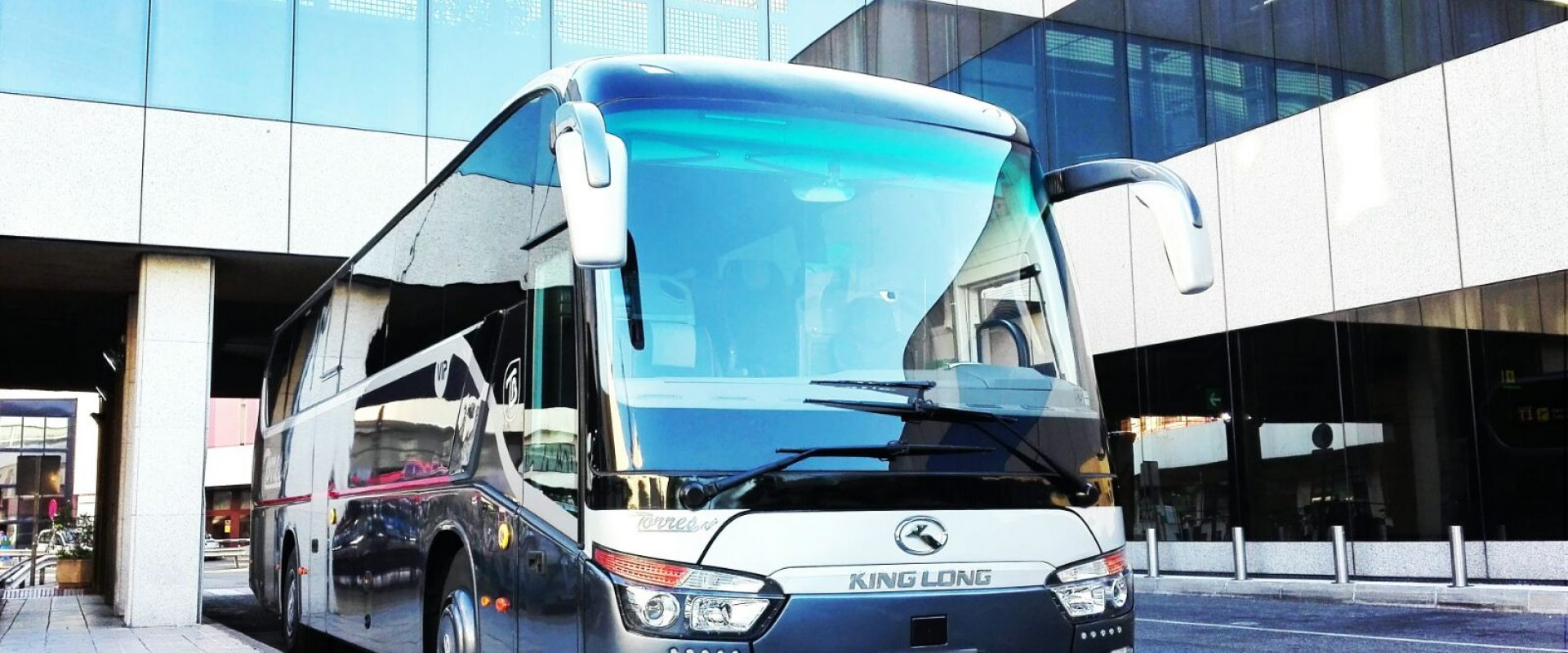
That’s where Torres Bus steps in. With more than three decades of experience, they run a fleet that ranges from cozy 7‑seat vans to spacious 70‑seat coaches, all equipped for comfort, punctuality, and even reduced‑mobility needs.
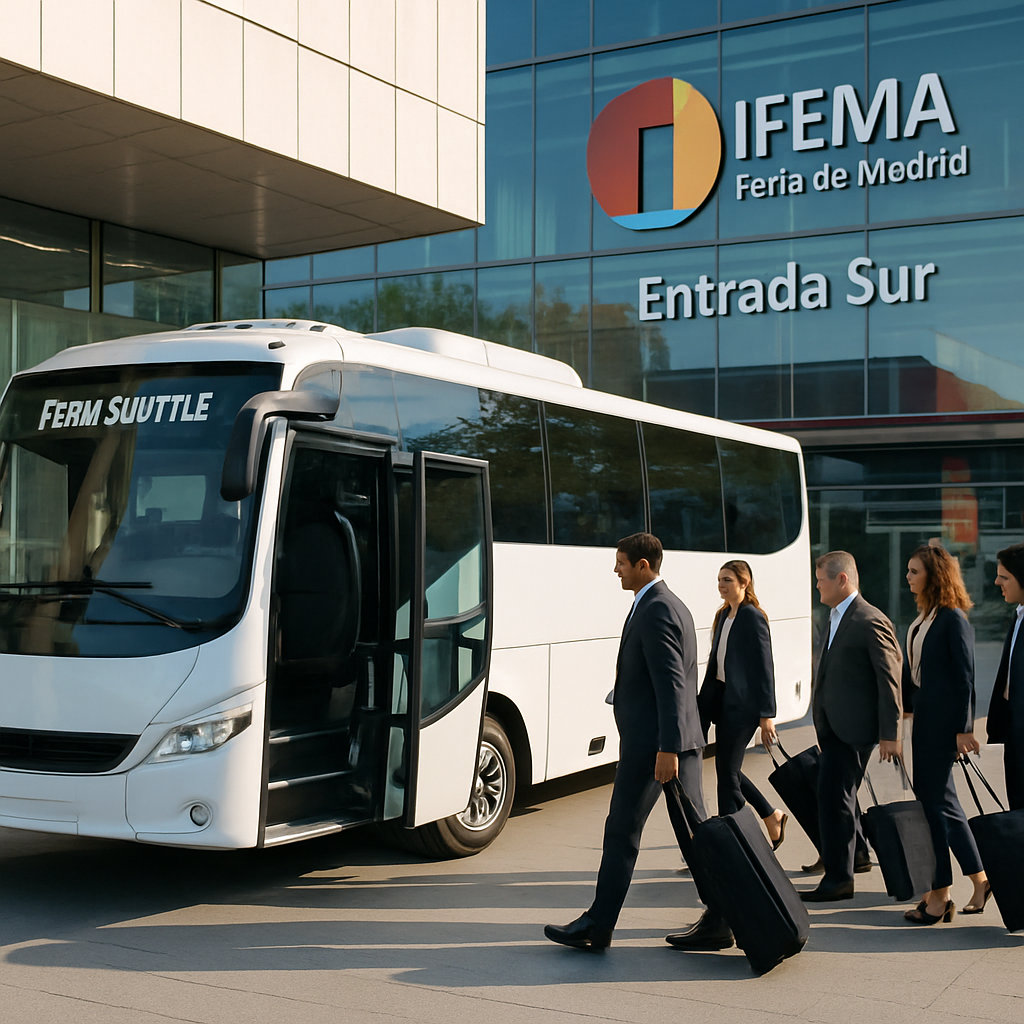
Imagine your guests stepping off a sleek, air‑conditioned shuttle at the IFEMA entrance, greeted by a professional driver who already knows the exact booth number you’re heading to. No waiting, no confusion, just a smooth glide from point A to point B.
And you don’t have to be a large corporation to benefit. Whether you’re a boutique event planner, a trade association organizing a regional summit, or a startup looking to impress investors, a dedicated shuttle can turn logistics into a selling point.
What makes a good shuttle service? Reliability, transparent pricing, and flexibility. Torres Bus offers real‑time tracking, the option to customize routes on the fly, and clear, upfront quotes – so you never get a surprise bill after the exhibition ends.
Plus, the peace of mind that comes with a local, family‑owned company is priceless. They know the Madrid traffic patterns, the best shortcuts to avoid rush hour, and the exact drop‑off zones that keep your guests moving.
So, before you spend hours hunting for a generic bus rental, ask yourself: do I want a hassle‑free experience that lets me focus on the exhibition itself?
Let’s dive in and explore how to choose the right IFEMA shuttle bus hire in Madrid, what to look for in a contract, and the little tricks that make every ride feel like a VIP experience.
TL;DR
If you’re tired of chaotic transport at IFEMA, our ifema shuttle bus hire madrid service guarantees punctual, comfortable rides that let you focus on showcasing.
Choose Torres Bus for real‑time tracking, flexible routes, and friendly drivers—your hassle‑free shortcut to a successful exhibition experience and peace of mind for every attendee.
Step 1: Determine Your Transport Needs
Imagine you’ve just booked a prime booth at IFEMA and the clock is ticking. You know the exhibition will draw hundreds, maybe thousands, of visitors, but you haven’t yet cracked the puzzle of getting them from the airport, train station, or hotels to your stand on time. That moment of «what‑if» is where we start – by figuring out exactly what kind of shuttle you need.
Map the attendee flow
First, list the major arrival points for your crowd. Is the majority flying into Barajas Airport? Are you expecting a wave of delegates from Atocha train station? Maybe you’ve partnered with a nearby hotel chain. Write these down, then ask yourself:
- How many people will arrive at each point?
- What time windows will they need transport?
- Do any of them have reduced‑mobility requirements?
For a typical tech expo, you might see 200‑300 attendees from the airport, 150 from the train station, and another 100 staying at a partner hotel. That split tells you you’ll likely need at least two separate shuttles running in parallel, plus a smaller vehicle for VIP guests.
Choose the right vehicle size
Torres Bus offers everything from 7‑seat luxury vans to 70‑seat coaches. The rule of thumb? Aim for a vehicle that’s about 80 % full at peak times – you want enough seats to avoid crowding, but not so many that you waste space and money.
Example: If you have 250 airport arrivals spread over a 3‑hour window, a 50‑seat coach running every 30 minutes will comfortably accommodate the flow (10 × 30 = 300 seats total, leaving a buffer). For smaller groups, a 16‑seat minibus works great for hotel‑to‑IFEMA transfers.
Factor in special needs
IFEMA’s venue is fully accessible, but you still need a vehicle that can handle wheelchairs or travelers with limited mobility. Torres Bus’s PMR‑adapted minibuses are equipped with ramps and secure straps. Ignoring this can cause delays and frustrate guests who rely on those accommodations.
Pro tip: ask your sponsor or speaker list which attendees might need assistance – a quick email can save you a logistical nightmare on the day of the event.
Timing is everything
Look at the exhibition schedule. If the opening ceremony is at 9 am, aim to have the first shuttle arrive at the venue by 8:30 am. Build in a 10‑minute buffer for traffic – Madrid rush hour can add 20‑30 minutes of delay, especially on the M‑30 ring road.
Use a simple spreadsheet:
Location | Arrival Time | # Guests | Vehicle Type | Departure Interval
Airport  | 07:00‑10:00   | 250      | 50‑seat coach| 30 min
Train     | 08:00‑11:00   | 150      | 30‑seat bus | 45 min
Hotel     | 09:00‑12:00   | 100      | 16‑seat minibus | 60 min
Seeing the numbers laid out makes it obvious where you can trim or add capacity.
Budget sanity check
Transport costs can balloon if you over‑book. Ask the provider for a clear per‑kilometre rate and any fixed fees for driver overtime or extra stops. Torres Bus is known for transparent pricing, so you’ll get an itemised quote before you sign.
Real‑world example: A fashion trade show in 2023 booked three 40‑seat coaches for a 2‑day event, budgeting €1,200 per coach per day. The final bill was €3,720 – well within the €4,000 ceiling they’d set.
When you compare that to a generic city‑taxi solution, the shuttle wins on cost, comfort, and brand perception.
Get expert input
Don’t go it alone. Talk to a transport specialist who knows IFEMA’s logistics inside out. They can suggest optimal routes, parking spots for coaches, and real‑time tracking options that keep you in the loop.
For a deeper dive into corporate transport planning, check out Corporate Event Bus Rental in Madrid: Transportation Solutions for Your Business Events. The guide walks you through the same decision‑making steps we’ve just outlined, but with extra case studies from finance conferences and product launches.
And remember, IFEMA itself offers a suite of services to help you coordinate on‑site logistics. Their comprehensive event services include dedicated transport coordination, which can be a lifesaver if you’re juggling multiple shuttles.
Now, let’s bring a visual break.
Take a moment to watch the short video – it shows how a well‑planned shuttle schedule keeps attendees smiling and on time.
So, what’s your next move? Grab that spreadsheet, plug in your numbers, and reach out to Torres Bus for a tailored quote. You’ll turn the “what‑if” into a confident, concrete plan, and your attendees will thank you for the smooth ride.
Step 2: Choose the Right Bus Size and Features
Now that you’ve mapped out where your guests are coming from, the next puzzle piece is figuring out exactly which bus will get them there without a hitch.
It sounds simple – just pick the biggest coach you can find – but the sweet spot is a vehicle that stays comfortably filled, not half‑empty or bursting at the seams.
Match Capacity to Flow
Start by taking the numbers from your spreadsheet: total guests, peak‑time windows, and how many pick‑up points you have.
If you have 250 people arriving at the airport over a three‑hour stretch, a 50‑seat coach every 30 minutes gives you 300 seats, leaving a healthy buffer for last‑minute registrations.
For smaller clusters – say a hotel shuttle of 80 visitors spread across two hours – a 16‑seat minibus running every 20 minutes usually does the trick.
Pick the Right Seat Layout
Torres Bus offers several interior configurations: standard coach, VIP‑style with plush leather, and even a “business” layout with small tables for laptops.
Ask yourself how you want the journey to feel. If you’re hosting a product launch, a few rows of comfortable seats and a speaker‑ready area can turn travel time into a mini‑presentation.
Conversely, for a quick airport‑to‑IFEMA hop, you probably just need sturdy seats and easy access to luggage racks – no need to over‑engineer.
Accessibility Matters
Madrid’s IFEMA is fully accessible, but your bus still needs to be.
Torres Bus’s PMR‑adapted minibuses come with low‑floor entry, ramps, and secure straps, so wheelchair users can board without assistance from staff.
A quick email to your speaker list asking who might need that support can save you a scramble on the day of the event.
Tech and Comfort Extras
Think about Wi‑Fi, USB charging ports, and climate control – especially if you’re shuttling attendees during a summer expo.
A coach equipped with real‑time GPS tracking lets you and your guests see exactly where the bus is, which cuts anxiety and reduces missed connections.
If you’re catering to VIP guests, consider adding a mini‑bar or a small infotainment screen that loops your brand video while they travel.
Check the Fine Print
Before you sign, verify the per‑kilometre rate, any overtime charges, and the policy for extra stops.
Torres Bus is known for transparent pricing, so ask for an itemised quote that breaks down driver fees, fuel, and any optional accessories.
Also, confirm the driver’s language skills – a bilingual driver can make announcements in both Spanish and English, which smooths the experience for international delegations.
Finally, run a quick scenario: take your peak‑time passenger count, add a 10 % safety margin, and see which vehicle size fits best. If the numbers land between two options, go with the slightly larger bus; the extra seat is cheaper than the headache of a packed, unhappy crowd.
So, what’s your next move? Grab that capacity table, compare it to Torres Bus’s fleet list, and pick the model that gives you comfort, accessibility, and the right tech touches without overpaying.
When the day arrives, you’ll watch the shuttle pull up, doors open automatically, and your guests glide onto the exhibition floor feeling like they’ve just stepped off a private jet – and you’ll know you chose the right bus size and features from the start.
Step 3: Compare Pricing and Service Packages
Now that you know what size bus fits your flow, it’s time to stare at the numbers and decide which package actually gives you the best bang for your buck.
Break down the cost buckets
Most shuttle providers, including Torres Bus, split the price into three main buckets: a base vehicle fee, a per‑kilometre rate, and any optional add‑ons. The base fee covers the driver, the vehicle’s depreciation and basic insurance. The kilometre rate kicks in once you start moving – think of it as fuel and wear‑and‑tear.
Optional add‑ons can be anything from extra stops, bilingual drivers, Wi‑Fi, or a mini‑bar for VIPs. That’s where the “service package” part comes in – some companies bundle these extras into a higher‑tier package, while others let you pick them à la carte.
What to look for in a transparent quote
Ask for an itemised quote that clearly labels each bucket. A good sign is a table that shows:
- Vehicle type and capacity
- Base daily rate
- Per‑kilometre cost
- Included services (driver, GPS, insurance)
- Optional extras with their individual price
If anything looks vague – like “additional fees may apply” – pause and request clarification before you sign.
Simple comparison table
| Package | What’s Included | Typical Cost (per day) |
|---|---|---|
| Basic Shuttle | Driver, standard seats, per‑km rate, basic insurance | €900‑€1,100 |
| Premium Comfort | All Basic plus Wi‑Fi, USB charging, climate control, bilingual driver | €1,300‑€1,600 |
| VIP Executive | All Premium plus leather upholstery, mini‑bar, onboard infotainment screen | €2,000‑€2,400 |
Those figures are ball‑park numbers based on recent bookings at IFEMA. Your exact total will depend on distance, hours, and any special requests you throw in.
Do the math – a quick sanity check
Grab your spreadsheet from Step 1 and plug in the estimated kilometres you’ll travel each day. For example, a round‑trip from Barajas Airport to IFEMA is roughly 25 km. At a €0.35 per‑km rate, that adds €8.75 per trip – hardly anything compared to the base fee.
Now multiply the daily base fee by the number of days you need the shuttle. If you’re running a three‑day expo and you choose the Premium Comfort package at €1,450 per day, you’re looking at €4,350 total. Add the kilometre surcharge (say 6 trips × €8.75 = €52.50) and you end up around €4,400.
Compare that to the Basic Shuttle at €1,000 per day: €3,000 plus the same €52.50 mileage gives you €3,052.50. The price gap is roughly €1,350 for the extra comfort features. Ask yourself: will those upgrades actually improve the attendee experience enough to justify the cost?
When a higher package makes sense
If you’re hosting high‑profile investors, a VIP Executive bus can turn the ride into a mobile networking lounge. The mini‑bar and infotainment screen let you showcase product demos or play a short brand video while the crowd settles in. That kind of branding exposure often pays for itself.
On the other hand, if most of your guests are simply looking for a reliable ride between the hotel and the exhibition floor, the Basic Shuttle does the job without the extra fluff.
Tip: negotiate the “extras”
Even if you start with a Basic package, you can usually tack on Wi‑Fi or a bilingual driver for a modest fee. It’s often cheaper than jumping straight to a Premium bundle. Mention the specific add‑on you need and see if they can give you a la carte price.
And remember, Torres Bus is known for flexibility. They’ll work with you to tweak the package so you don’t overpay for features you’ll never use.
Final checklist before you sign
- Itemised quote with clear base fee, per‑km rate, and list of inclusions
- Understanding of which optional extras you actually need
- Comparison of at least two packages side‑by‑side
- Confirmation of driver language skills and any accessibility equipment
- Agreement on how overtime or extra stops are billed
Cross those items off, and you’ll walk into the contract feeling confident that you’ve squeezed the best value out of your ifema shuttle bus hire madrid.
Step 4: Book Your Shuttle and Confirm Details
Alright, you’ve mapped the flow, picked the right size, and compared the numbers. Now it’s time to lock the shuttle down so you can stop worrying about the ride and start polishing your exhibition booth.
1. Gather the exact details you’ll need to feed the provider
Write down every pick‑up point, the number of guests at each location, and the windows you expect them to arrive. Include any special requests – wheelchair access, bilingual driver, on‑board Wi‑Fi, or a mini‑bar for VIPs. Having this checklist ready makes the phone call feel like a quick chat instead of a negotiation marathon.
2. Choose your booking channel
Torres Bus lets you book via three easy routes: a short online form, a quick phone call, or a dedicated email to their sales desk. If you’re juggling multiple events, the online portal is handy because you can duplicate a previous order, tweak the dates, and hit “submit” in under five minutes.
Pro tip: ask for a PDF quote that breaks out the base fee, per‑kilometre charge, and every optional extra. That way you can compare it side‑by‑side with any other offer you might have collected.
3. Confirm the vehicle and driver credentials
Before you sign, double‑check that the coach matches the capacity you calculated (e.g., a 50‑seat coach for a 250‑person airport wave). Ask for the driver’s licence class and language fluency – a bilingual driver can announce stops in both Spanish and English, which saves a lot of “¿Dónde está el bus?” moments.
When you’re booking a PMR‑adapted minibus, request a photo of the ramp mechanism. It sounds nit‑picky, but a quick visual can prevent a last‑minute scramble for accessibility equipment.
4. Review the contract clauses
Look for three clauses that often catch planners off guard:
- Overtime policy: Does the driver get paid after a certain hour? How is it calculated?
- Extra stop fees: If a speaker runs late and you need to add a stop, what’s the charge?
- Cancellation window: Most providers, including Torres Bus, offer free cancellation up to 48 hours before the first pick‑up, but the fine print can vary.
Ask them to spell out any “may apply” language before you click “accept.”
5. Make the payment and lock the reservation
Payments are typically accepted via credit card, bank transfer, or PayPal. If you have a corporate travel budget, request an invoice with the company’s tax ID – Torres Bus is happy to accommodate that.
Once the payment is processed, you’ll receive a confirmation email with a reference number, the final itinerary, and a direct line to your account manager. Save that email in a shared folder so your on‑site team can pull it up in seconds if a driver asks for proof.
Real‑world examples
Tech Expo 2024: The organizer booked two 50‑seat coaches for a three‑day event. By confirming the driver’s bilingual ability and adding Wi‑Fi as an à la carte extra, they turned the shuttle ride into a live demo arena – the brand video played on the onboard screen and generated 120 extra booth visits.
Wedding in Madrid: A couple needed a seamless transfer from the airport to their ceremony venue and then to a reception hall. They chose a luxury van with a mini‑bar, confirmed the driver’s familiarity with the wedding route, and locked the booking two weeks ahead. The result? No traffic surprises and a happy couple who could actually enjoy their day.
Corporate training session: A multinational firm moved 80 employees from a hotel to IFEMA each morning. They booked a 16‑seat minibus with a wheelchair ramp for two team members with reduced mobility. By asking for a printed route map and a 10‑minute buffer, they avoided the usual rush‑hour bottleneck on the M‑30.
Expert tip: Use a “soft‑confirm” call the day before
Even after you get the email confirmation, give the account manager a quick 2‑minute call 24 hours before the first pick‑up. Verify the driver’s name, confirm the vehicle licence plate, and double‑check the exact pick‑up times. A short call can catch a typo that would otherwise mean a stranded group.
And if you’re still debating whether to add Wi‑Fi, remember the numbers from a recent market overview: budget‑friendly public transport from the airport to IFEMA costs €3‑€6 per passenger, while a private shuttle with Wi‑Fi often just adds €1‑€2 per seat, a tiny price for a smoother, more productive ride according to a comparative guide on airport‑to‑IFEMA transfers.
So, what’s the next move? Pull out that spreadsheet, copy the final numbers into the online booking form, tick the boxes for any extras you need, and hit confirm. Within a day you’ll have a solid reservation, a clear contract, and the peace of mind to focus on the exhibition itself.
Step 5: Tips for a Smooth Day of Transport
Picture this: you arrive at the airport, the sun’s just rising, and the shuttle you booked with Torres Bus pulls up on time. No frantic searching, no awkward “is this the right bus?” moment. That smooth feeling isn’t luck – it’s the result of a few simple habits you can start today.
1️⃣ Confirm the driver and vehicle the night before. A quick 2‑minute call to your account manager lets you verify the driver’s name, licence plate, and any special equipment (like a wheelchair ramp). It feels a bit like a “soft‑confirm,” but it saves you from a last‑minute scramble.
2️⃣ Create a pocket‑sized itinerary for each pick‑up point. Jot down the address, expected arrival window, and a contact number for the on‑site host. Slip that sheet into the driver’s dashboard and hand a copy to your venue liaison. When everyone has the same page, mis‑communications disappear.
3️⃣ Leverage real‑time GPS tracking. Torres Bus equips every coach with a live‑track link you can open on your phone or laptop. Keep an eye on traffic jams and tell the driver a better route before you even hit the M‑30. It’s like having a co‑pilot who talks to the city.
4️⃣ Plan a 10‑minute buffer for each leg. Even with the best driver, rush‑hour can add 20‑30 minutes. Adding a small cushion means the shuttle still arrives before the opening ceremony, and your guests won’t feel the pressure of a ticking clock.
5️⃣ Use IFEMA’s own transport coordination tools. The venue offers a transport services catalogue that lets you book extra loading bays or request on‑site signage for your shuttle. Syncing your schedule with their system keeps the whole operation in sync.
6️⃣ Assign a “shuttle champion” on the ground. This person checks the bus doors, greets the driver, and makes sure luggage is stowed safely. A friendly face also reassures attendees who might be nervous about navigating a new city.
7️⃣ Communicate Wi‑Fi and charging options ahead of time. If you’ve added those extras, send a short email or WhatsApp message the evening before: “Your shuttle will have free Wi‑Fi and two USB ports – feel free to plug in your laptop.” Small details like that turn a plain ride into a mini‑office.
8️⃣ Run a quick “test run” if you have a VIP group. Ask the driver to do a short circuit around the hotel or train station a day prior. It confirms the route, checks the ramp operation, and gives you a chance to tweak any timing issues.
9️⃣ Keep a backup plan in the pocket. Know the nearest public‑transport hub or a taxi company’s contact just in case the bus hits an unexpected snag. Having that safety net reduces panic and keeps your reputation intact.
Finally, do a brief debrief after the first day. Gather feedback from the driver, the venue staff, and a few attendees. Ask what went well and what felt clunky. Adjust the schedule for day two, and you’ll watch the whole process become smoother with each passing hour.
By treating the shuttle like any other critical piece of your event puzzle – planning, confirming, tracking, and iterating – you turn transport from a stress point into a silent hero that lets your attendees focus on the exhibition itself.
Conclusion
We’ve walked through everything you need to turn a chaotic shuttle operation into a smooth, stress‑free part of your IFEMA event. From sizing the right bus, checking accessibility, negotiating transparent pricing, to confirming the driver and doing a quick soft‑confirm the day before, each step builds confidence. If you follow this roadmap, your attendees will barely notice the logistics and focus on the exhibition itself.
So, what does that mean for you right now? It means you can stop worrying about missed pickups and start thinking about the conversations your guests will have once they step off the bus.
Key takeaways
- Map attendee flow early and match it to a vehicle that stays around 80 % full.
- Insist on an itemised quote – base fee, per‑km rate, and any add‑ons.
- Verify driver credentials, language skills, and accessibility equipment before you sign.
- Do a soft‑confirm call 24 hours ahead; a two‑minute chat can save a day.
When you book your ifema shuttle bus hire madrid with Torres Bus, you’re not just getting a vehicle – you’re getting a partner who knows Madrid’s traffic quirks, the IFEMA loading bays, and how to make a ride feel like a VIP experience. Ready to lock in the perfect shuttle? Reach out today, grab that final quote, and let the smooth ride begin.
FAQ
What exactly is covered by ifema shuttle bus hire madrid?
When you book a shuttle with Torres Bus you get a modern, air‑conditioned vehicle, a professional driver who knows the IFEMA loading bays, and the paperwork that makes the whole thing legal. The price usually includes fuel, insurance, and basic amenities like luggage racks. Anything extra – Wi‑Fi, a bilingual driver, or a mini‑bar – is added on a‑la‑carte so you only pay for what you truly need.
How do I pick the right bus size for my IFEMA event?
Start by mapping your attendee flow: count how many people will arrive from the airport, train station, or hotels and spread them over the time windows you’ve set. Aim for about 80 % occupancy at peak – that gives you a cushion for late registrations without wasting seats. Torres Bus offers everything from 7‑seat vans to 70‑seat coaches, so you can match capacity to the numbers you’ve crunched.
Can I request a bilingual driver and on‑board Wi‑Fi?
Absolutely. A bilingual driver can announce stops in both Spanish and English, which saves a lot of “¿Dónde está el bus?” moments for international guests. Wi‑Fi is a popular add‑on for conference shuttles – it turns travel time into a mini‑working session. Just flag those extras when you request your quote, and Torres Bus will list the exact cost per day.
What pricing components should I watch out for?
Typical quotes break down into three buckets: a base vehicle fee (covers driver, depreciation, basic insurance), a per‑kilometre rate (fuel and wear‑and‑tear), and optional extras (Wi‑Fi, extra stops, bilingual driver). Make sure you get an itemised table so you can see each line. If something looks vague – like “additional fees may apply” – ask for clarification before you sign.
How far in advance should I book the shuttle for a large conference?
For a big show at IFEMA, we recommend locking in your buses at least four to six weeks ahead. That gives the fleet manager time to allocate the right vehicle, confirm driver availability, and fine‑tune the route. If you’re on a tighter timeline, a two‑week notice can still work, but expect a narrower choice of bus sizes and maybe a small premium.
What if my event schedule shifts at the last minute?
Changes happen – speakers run late, registrations spike, or traffic snarls force a tweak. Torres Bus is flexible: they’ll usually accommodate a revised pickup time or an extra stop with a short notice fee. The key is a “soft‑confirm” call 24 hours before the first run – that’s when you lock the driver’s name, vehicle plate, and any new timings.
Are the shuttles accessible for guests with reduced mobility?
Yes. Torres Bus runs PMR‑adapted minibuses equipped with low‑floor entry, ramps, and secure straps for wheelchairs. When you book, ask for a photo of the ramp mechanism so you can double‑check it fits your guests’ needs. Having that visual before the day arrives prevents any awkward scrambling at the loading dock and keeps everyone moving smoothly.
Additional Resources
Essential reads
When you’re booking ifema shuttle bus hire madrid, it’s smart to pair your transport plan with the venue’s rules and on-site procedures.
Want a single, authoritative reference for loading bays, access times, and exhibitor responsibilities? Check the IFEMA general participation rules.
IFEMA general participation rules explains coordination points that directly affect coach arrivals, parking permissions, and when vehicles can enter service areas.
Practical tools
Make a one-page “shuttle brief” for drivers and stewards: pickup addresses, contact numbers, arrival windows, and contingency taxis.
Need an on-site backup? Keep the nearest taxi rank and a hotel shuttle contact in that brief so you’re never improvising.
Quick checklist
Confirm loading bay slots with IFEMA and your coach provider.
Photo of any PMR ramp mechanism for adapted minibuses.
Soft‑confirm driver and plate 24 hours before first run.
So, what should you do next?
Print the brief, email it to your account manager at Torres Bus, and give IFEMA’s participation rules a quick skim — then relax, because the hardest planning choices are already behind you.
If you want more detail on crew passes, vehicle dimensions, or on-site times, tie your questions to IFEMA’s rules and your booking contact — they’ll save you time on the day.
Want a printable template? Make a two-column sheet: left side guest pickup, right side driver instructions. Keep one copy with the driver and one with your event desk.