
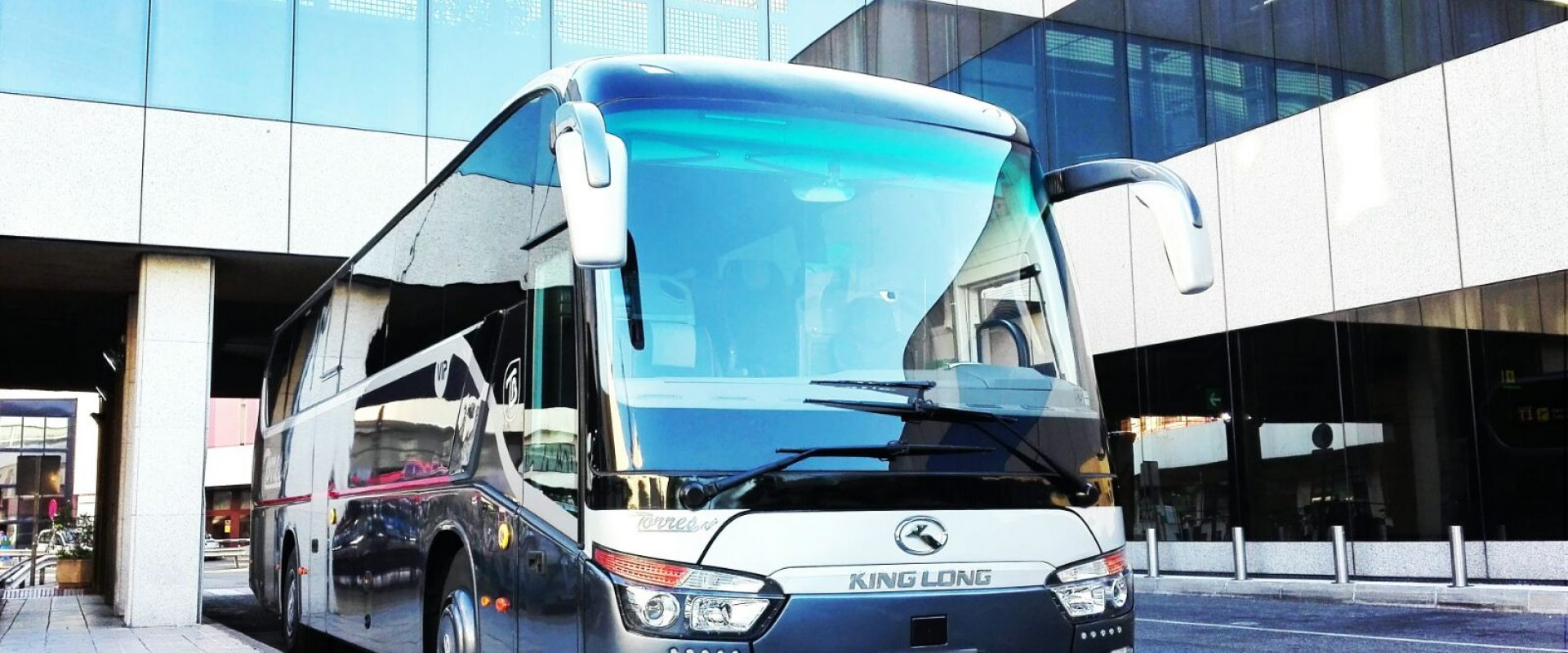

Picture this: you’ve just booked a venue for a wedding in Seville, and a handful of guests are still asking how they’ll get there without turning the journey into a logistical nightmare.
That feeling of juggling minibuses, coaches, and endless phone calls? We’ve lived it many times at Torres Bus, and we know the relief that comes when everything clicks into place.
When you decide to rent a bus Spain, you’re not just hiring a vehicle – you’re gaining a mobile hub for comfort, punctuality, and peace of mind. Whether it’s a corporate roadshow hopping between Madrid and Barcelona, a school trip to the historic streets of Toledo, or a group of friends heading to a music festival in Valencia, the right bus makes the whole experience feel effortless.
So, why does the whole process feel overwhelming? First, the sheer variety of options – from 7‑seat luxury vans to 70‑seat coaches equipped for reduced‑mobility travelers – can leave anyone scratching their head. Then there’s the question of pricing, insurance, and making sure the driver knows the best routes.
But here’s the good news: you don’t have to become an expert overnight. By focusing on a few key decisions – the size of your group, the type of event, and any special accessibility needs – you can narrow down the perfect match in minutes.
Think about the last time you tried to coordinate a group outing without a dedicated transport partner. Maybe you ended up with a cramped minibus, missed the train, or spent the day worrying about parking. Now imagine swapping that stress for a sleek, climate‑controlled coach with a professional driver who knows the shortcuts around Madrid’s traffic.
In our experience, the most successful trips start with a clear picture of who’s riding, where they’re going, and what comforts matter most – like Wi‑Fi for a corporate team or a wheelchair‑accessible ramp for a senior‑focused tour.
Ready to turn the “rent a bus Spain” idea from a vague notion into a concrete plan? Let’s walk through the essentials together, so you can focus on the fun part of your event while we handle the road.
TL;DR
If you need hassle‑free group travel in Spain—whether it’s a wedding, corporate roadshow, or school trip—renting a bus lets you skip parking woes, enjoy on‑board comforts, and keep everyone on schedule. We’ll show you how to choose the right size, compare pricing, and book the perfect coach in minutes, so you can focus on the event and leave the road to us.
Step 1: Identify Your Travel Purpose and Group Size
First thing’s first – why are you gathering a crew in the first place? Are you planning a wedding in Seville, a corporate roadshow hopping between Madrid and Barcelona, or a school field trip to historic Toledo? Pinning down the purpose helps you decide what kind of ride feels right.
Think about the vibe. A wedding party wants a sleek, climate‑controlled coach with a mini‑bar, while a university group might need a few extra seats for backpacks and a sturdy handrail for younger students. When the goal is crystal‑clear, the rest of the decisions fall into place.
Now, count the heads. It sounds simple, but you’ll be surprised how quickly numbers swell when you factor in grandparents, staff, or even a last‑minute guest list. Write down three scenarios: a minimum headcount, a likely headcount, and a worst‑case headcount. This range gives you flexibility when you talk to a provider.
Here’s a quick cheat‑sheet you can print out:
- Small gatherings (7‑12 seats): luxury vans or minibuses – perfect for intimate trips.
- Medium groups (13‑30 seats): mid‑size coaches – enough room for luggage and a little extra comfort.
- Large parties (31‑70 seats): full‑size coaches – the best choice for festivals, conferences, or big family reunions.
And don’t forget special needs. If you have wheelchair users, ask for a PMR‑adapted bus. If you need on‑board Wi‑Fi for a corporate team, make that a must‑have. In our experience, planning these details up front saves you a lot of back‑and‑forth later.
Once you have purpose and size, it’s time to match them to a vehicle type. A good rule of thumb: choose the smallest bus that comfortably fits the high‑end of your headcount range. That way you avoid paying for empty seats while still keeping everyone comfy.
Need a deeper dive? Our step‑by‑step guide on how to rent a bus Spain for any occasion walks you through the whole sizing process, from initial estimate to final booking.
Now, imagine you’re setting up a music‑themed corporate retreat. You’ve nailed the bus size, but you also want live entertainment. Pairing a reliable coach with a talented act can turn a routine trip into a memorable experience. For inspiration, check out this list of vibrant Cuban singers for your event. It’s a handy resource for any planner looking to add a cultural spark.
Below is a short video that shows how we help clients decide on the right bus based on purpose and group size. It gives you a visual feel for the decision‑making flow.
Take a moment to watch – you’ll see real examples of wedding parties, school trips, and corporate teams choosing the perfect ride.

Before you move on, ask yourself these quick questions: Does the vehicle size match the high‑end headcount? Have you accounted for any accessibility or tech needs? Is the purpose reflected in the amenities you’re requesting? If you can answer “yes” to all three, you’re ready for the next step – comparing providers and pricing.
Bottom line: nailing down why you’re traveling and how many people are coming along is the foundation of a smooth, stress‑free bus rental. It’s the difference between a cramped, noisy ride and a relaxed, enjoyable journey where everyone arrives happy and on time.
Step 2: Select the Appropriate Bus Type and Amenities
Now that you’ve nailed down why you’re traveling and how many people are coming, the next question is: what kind of vehicle actually feels right on the road? The answer isn’t “the biggest coach you can find,” but “the bus that matches the vibe of your event and the comfort level your guests expect.”
Match the event vibe to the vehicle class
If you’re planning a wedding in Seville, picture a sleek luxury coach with reclining seats, soft lighting, and maybe a mini‑bar for a toast on the way. For a corporate roadshow, you’ll want a coach with on‑board Wi‑Fi, power outlets, and a conference‑style layout where teams can brainstorm between meetings. A school excursion, on the other hand, calls for a low‑floor bus with a high‑visibility safety system and a wheelchair‑accessible ramp.
In our experience at Torres Bus, the rule of thumb is simple: “the bus should amplify the purpose, not compete with it.” That’s why we always start the selection by asking yourself three quick questions:
- Do my passengers need to work or relax during the journey?
- Is accessibility a non‑negotiable requirement?
- How much luggage or equipment will we be loading?
Answering these gives you a clear shortlist – a 35‑seat luxury coach, a 20‑seat premium van, or a 12‑seat accessible minibus.
Key amenities to consider
Here’s a quick checklist you can copy‑paste into your planning sheet:
- Climate control: A must for summer trips to the Costa del Sol and winter tours of the Pyrenees.
- On‑board Wi‑Fi & USB ports: Essential for corporate teams and teenage travelers who can’t survive a dead battery.
- Reclining seats or lounge layout: Makes a long Madrid‑Barcelona leg feel like a first‑class flight.
- Audio‑visual system: Perfect for presentations, wedding playlists, or a mini‑cinema for a school field trip.
- Accessibility features: Ramps, handrails, and designated wheelchair spaces – required by law for many public‑sector trips.
- Refreshment options: Mini‑bar, coffee machine, or simple water dispenser, depending on the event’s formality.
Want proof that these features are standard across Spain? 8Rental’s modern fleet lists air‑conditioning, onboard Wi‑Fi, reclining seats and generous luggage space as baseline amenities, which aligns closely with what we offer at Torres Bus.
Size matters, but so does configuration
Don’t let seat count be the only metric. A 30‑seat coach with a conference layout can feel more spacious than a 35‑seat van packed with fixed seats. Think about how the space will be used: will you need a small galley for a wedding brunch, a standing area for a music‑festival crew, or extra floor space for sports equipment?
One trick we love is to sketch a simple floor plan on paper. Mark where the driver sits, where the power outlets go, and where the luggage will be stored. If the drawing feels cramped, bump up the vehicle class by one size – the extra cost is usually offset by the smoother experience.
Budget‑friendly upgrades
Not every group can splurge on a VIP coach, but many providers, including us, let you add “a la carte” amenities. A Wi‑Fi package, extra luggage racks, or a portable sound system often costs a fraction of upgrading to a larger vehicle. Ask your quote provider for an itemised list so you can pick only what you truly need.
So, which bus type are you leaning toward? Write down your top three must‑haves, then compare them against the fleet options you see on the provider’s website. You’ll quickly see which model ticks all the boxes without blowing the budget.
Watching a quick walkthrough can help you visualise the space before you even step inside. That’s why we’ve included a short video that walks you through a typical luxury coach layout.
If the video shows a feature you didn’t know existed – like a built‑in charging hub tucked under each seat – make a note to ask your driver about it. Those little details often turn a good trip into a great one.
Once you’ve locked in the vehicle, the next step is to fine‑tune the itinerary and driver instructions – but that’s a story for the following section. For now, feel confident that you’ve chosen a bus that fits the purpose, the people, and the budget, turning your “rent a bus spain” search into a smooth, worry‑free ride.
Step 3: Compare Prices, Contracts, and Insurance
Now that you’ve zeroed in on the perfect coach, the next hurdle is making sure the price, the contract terms, and the insurance coverage all line up with your budget and peace‑of‑mind expectations.
It’s easy to get dazzled by a low headline rate, only to discover hidden fees later. Here’s how we keep the process transparent.
Break down the headline rate
Ask your quote provider for a clear breakdown: daily hire fee, kilometre allowance, and any inclusive amenities (Wi‑Fi, air‑conditioning, wheelchair ramp). A typical coach in Madrid might show €120 per day plus €0.45 per kilometre. If you’re planning a 300‑km day trip, that works out to €255 total – and you can compare that number side‑by‑side with other operators.
Tip: request an itemised spreadsheet so you can swap columns in and out without re‑doing the math.
Spot the hidden extras
Hidden costs are the real deal‑breakers. Look for fuel surcharges (often tied to the national average price of €1.50 per litre in 2025fuel prices in Spain), toll fees, driver overtime, cleaning after a night‑time event, and optional equipment like extra luggage racks.
Here’s a quick cheat‑sheet you can paste into your planning doc:
- Fuel surcharge – usually €0.10‑€0.15 per litre above the base price.
- Electronic tolls – some routes charge €2‑€5 per passage; ask if a toll‑pass can be bundled.
- Driver allowance – night shifts or holiday dates often add a 15‑20% premium.
- Cleaning fee – a flat €30‑€50 for post‑event deep clean, sometimes waived for longer hires.
Read the contract like a story
A solid contract reads like a short story: introduction, rising action (payment schedule), climax (cancellation policy), and resolution (dispute process). Key clauses to hunt down:
- Deposit amount and when it’s refundable.
- Payment milestones – does the provider ask for 50% up‑front, the rest on the day?
- Cancellation window – a 48‑hour free cancellation is ideal; anything tighter can bite you if the weather changes.
- Amendment fees – adding an extra stop or extending hours should have a flat rate, not a surprise percentage.
If any clause feels vague, ask for it in writing before you sign.
Insurance – what really matters?
Spanish law requires at least third‑party liability, but most groups benefit from a Collision Damage Waiver (CDW) and passenger accident cover. In our experience, a comprehensive package for a 35‑seat coach costs around €8‑€12 per day, which is roughly 20‑30% cheaper than the same coverage in Franceinsurance costs in Spain. Make sure the policy lists:
- Coverage limit for passenger injury – €1 million is a common baseline.
- Deductible amount – lower deductibles mean a higher daily rate, but they protect you from unexpected out‑of‑pocket bills.
- Inclusion of reduced‑mobility passengers – some insurers charge extra for wheelchair‑adapted buses.
Ask whether the provider’s insurance is backed by a Spanish insurer or a European partner; the latter often offers quicker claims processing.
Actionable checklist
Grab a pen and run through these steps before you hit “confirm” on any quote:
- Write down the base rate, kilometre allowance, and inclusive amenities.
- List every potential extra (fuel, tolls, driver night premium, cleaning) and attach a cost estimate.
- Read the contract line‑by‑line; highlight any clause that mentions “subject to change” or “additional fees may apply”.
- Request a copy of the insurance certificate; verify coverage limits, deductible, and whether it includes wheelchair‑adapted vehicles.
- Do a quick spreadsheet comparison with at least two other providers – the cheapest headline price often isn’t the cheapest total price.
When you’ve ticked all the boxes, you’ll know exactly how much you’re paying and why – no surprise invoices on the day of the event.
By treating the price, contract, and insurance as three parts of the same puzzle, you turn a potentially stressful negotiation into a smooth, confidence‑boosting part of your bus‑rental journey.
| Cost Item | Typical Inclusion | What to Verify |
|---|---|---|
| Base Rate | Daily hire + kilometre allowance | Exact per‑day price, included amenities, mileage cap |
| Fuel Surcharge | Added cost if fuel price exceeds agreed baseline | Current national fuel price (€1.50/L in 2025) and surcharge per litre |
| Insurance | Third‑party liability, optional CDW, passenger cover | Coverage limits, deductible amount, wheelchair‑adapted rider clause |
Step 4: Book the Bus and Confirm Logistics
Okay, you’ve sized your group, picked the perfect coach, and broken down the price. Now comes the moment that makes most planners break into a sweat: actually locking the bus in and making sure every logistic detail is ironed out.
Lock the date with a clear reservation
First thing’s first – get a written confirmation. A quick email that repeats the date, pick‑up location, departure time, and vehicle type is your safety net. In our experience, the best providers will also attach a PDF of the contract so you can scroll through it later without hunting for the original attachment.
Ask them to include a reservation code. That little string of numbers becomes your go‑to reference when you call to tweak a stop or when the driver shows up and needs to prove he’s the right one.
Double‑check the route and timing
Pull up a map (Google Maps works fine) and plot every pick‑up and drop‑off. Then add a 10‑15 % buffer for traffic, especially if you’re traveling around Madrid during rush hour or on a holiday weekend.
Here’s a quick checklist:
- Exact addresses for every stop.
- Estimated travel time plus buffer.
- Designated meeting point for the driver (e.g., “front of the main entrance, badge visible”).
- Any required permits for road closures or special vehicle access.
When you run the numbers, you’ll often spot a hidden extra – like a toll that suddenly appears on the A‑2. Write it down now so it doesn’t surprise you later.
Confirm driver credentials and on‑board amenities
Ask for the driver’s name, license number, and a brief bio. Knowing that Juan has 12 years of experience with wheelchair‑adapted coaches can calm a nervous family member.
Make a note of every amenity you asked for: Wi‑Fi, charging ports, onboard restroom, mini‑bar, or a climate‑control setting for a summer wedding in Seville. If the provider says “Wi‑Fi included”, request the network name and password ahead of time.
Secure the payment method that works for you
Most bus operators still ask for a credit‑card deposit, but some now accept bank transfers or even PayPal. If you’re a corporate client with a purchase‑order system, clarify whether they can invoice you after the trip.
Need inspiration? SIXT outlines how to handle rentals without a credit card, showing you can negotiate alternative payment routes for vehicle bookings alternative payment options for vehicle bookings. The same logic applies to bus contracts – just ask.
Lock in insurance and extra coverage
Even if you’ve already compared insurance in the previous step, a final confirmation email should list the coverage limits, deductible, and whether the policy includes reduced‑mobility passengers. Keep that document handy; you’ll need it if an accident happens – and you’ll thank yourself for having it when the driver calls to report a minor fender‑bender.
Send a “day‑of‑timeline” to everyone
One of the easiest ways to avoid chaos is to share a one‑page itinerary with the group. Include:
- Pick‑up time (with a 15‑minute window).
- Driver’s contact number.
- Bus registration plate (helps guests spot the coach).
- Any “no‑phone‑zone” rules you’ve set for safety.
When the group sees the same schedule, you’ll notice fewer late arrivals and fewer frantic text chains.
Do a final “pre‑trip” call
Give the provider a quick call 24‑48 hours before the event. Confirm the reservation code, re‑state the pick‑up address, and ask if the driver needs anything from you (like a copy of the passenger list for security checks).
That short call usually uncovers any last‑minute changes – maybe a roadwork detour or a new parking restriction – and gives you a chance to adjust without panic.
Checklist you can print
Print or screenshot this list and tick each box:
- Reservation email with contract PDF and code.
- Route map with 10‑15 % time buffer.
- Driver name, license, and contact.
- Amenity confirmation (Wi‑Fi, charging, climate control).
- Payment method agreed and deposit paid.
- Insurance certificate attached.
- Day‑of timeline shared with group.
- Pre‑trip confirmation call completed.
Cross every item off and you’ll walk onto the day feeling like you’ve already won the logistics battle. The bus will arrive on time, the driver will know exactly where to go, and you can focus on what really matters – enjoying the journey.
Step 5: Prepare for the Day – Tips for a Smooth Journey
Start the morning calm, not chaotic
Let’s be honest, the day of the trip is where plans either sing or unravel. You’ve already ticked off bookings and insurance; this is the last mile.
Ready for the kind of calm that makes everyone relax? Do these simple checks first thing.
Day‑of checklist (do this one hour before pick‑up)
Call the driver to confirm arrival time, vehicle registration and any last‑minute access notes. A 2–3 minute call saves 20 frantic texts later.
Confirm the meeting point exactly — not “outside the station,” but “Platform 4 exit, under the blue clock.”
- Have reservation email, contract PDF, and insurance certificate on your phone and printed copy.
- Check the bus registration plate and driver name match your itinerary.
- Assign two point people in the group: one at the front, one at the rear for headcounts.
- Keep a physical passenger list and note any mobility needs or medications.
Why two point people? If someone’s late, the rear person can flag it while the front person liaises with the driver. It splits the load.
Packing and luggage protocol
Label every bag. That sounds trivial, but at larger events — weddings, festivals, sports fixtures — a single unlabeled suitcase creates a 10‑minute bottleneck.
Decide luggage order before the bus arrives: heaviest and largest into hold first, small carry‑on last. That way you avoid a “re‑stack” while people watch the clock tick.
Boarding and timing: small rituals, big impact
Ask everyone to be at the meeting point 15 minutes early. Tell them the bus arrives 15 minutes before departure; we recommend you aim to be fully boarded 10 minutes before the scheduled leave time.
Staggered boarding works: start with people who need extra time (wheelchairs, strollers), then luggage‑heavy passengers, then the rest.
What to say to your group — a quick script
Send a short message two hours before departure: pick‑up point, 15‑minute early reminder, driver name, and vehicle plate. Keep it sync‑friendly: one paragraph, one call to action.
Need to draft it now? Try: “Pickup 09:00 (arrive 08:45). Bus plate ABC‑123. Driver: Miguel (phone 6XX‑XXX‑XXX). If you can’t find us, call the front point person Lidia.”
Driver handover and quick vehicle check
Meet the driver five minutes before boarding. Show the contract, point out any accessibility needs, and confirm the route and any planned stops. If you’ve requested Wi‑Fi or charging, confirm where sockets are located.
Do a five‑minute perimeter check of the coach together: lights, restroom supply, and a quick look under the luggage hold. It builds trust and prevents surprises.
Emergency plan and backup options
Agree on a protocol for delays: who texts the group, who calls the provider, and how long you wait before activating a backup plan. Keep local taxi numbers and the nearest station details in your notes.
What if traffic swallows your schedule? Reconfirm must‑arrive times for your key stops and let the driver choose alternate routes — they know local patterns best.
Last tips from our experience
In our experience at Torres Bus, clear, tiny rituals — a printed passenger list, two point people, and a 10‑minute boarding buffer — cut stress dramatically.
Treat the day like a small production: roles, timing, and a calm leader at the front. It turns “rent a bus spain” logistics into a pleasant start rather than a frantic scramble.

Deep Dive: Special Services – Weddings, Airport Transfers, and VIP Packages
Ever stared at a wedding guest list and thought, “How am I going to get everyone from the hotel to the church without a traffic nightmare?” Same feeling pops up when you’re juggling airport pickups for a conference crew or a VIP entourage that expects a little extra sparkle. That’s where the truly special side of renting a bus in Spain shines.
Weddings: turning travel into part of the celebration
Imagine the bride’s mother stepping off a sleek, climate‑controlled coach in Seville, her dress still fresh, a glass of cava waiting on a small onboard bar. The magic starts before the ceremony, and a well‑chosen bus can set that tone.
Here’s a quick checklist you can copy into your planning sheet:
- Seat style – recliners or lounge‑style seats for a relaxed vibe.
- Onboard amenities – mini‑bar, soft lighting, maybe a Bluetooth speaker for the wedding playlist.
- Accessibility – low‑floor entry and a wheelchair‑secure space if you have guests with reduced mobility.
- Decoration – a few fresh flowers or a discreet “Torres Bus” banner keeps the brand subtle but present.
Actionable tip: schedule a 15‑minute walk‑through with the driver a day before the event. Ask where the power sockets are, confirm the Wi‑Fi name, and point out the exact drop‑off spot at the venue. That quick chat saves a scramble on the big day.
Airport Transfers: the smooth‑operator’s secret weapon
Corporate delegations love the predictability of a dedicated airport coach. No one wants to chase a taxi through the Madrid‑Barajas rush hour. When you rent a bus spain for airport transfers, you gain three hidden benefits:
- Dedicated driver who knows the fastest lanes and toll‑pass options.
- Realtime flight monitoring – many providers sync with airline feeds to adjust for early arrivals or delays.
- On‑board workspace – power outlets and Wi‑Fi let executives catch up on emails while the wheels turn.
Real‑world example: A tech conference in Barcelona needed 40 attendees shuttled from the airport to the hotel on a Saturday morning. By booking a 45‑seat coach with a live‑flight integration, the organizer avoided a single late arrival, even though three flights were delayed by 30 minutes.
Step‑by‑step for flawless airport shuttles:
- Collect flight numbers at registration and share them with the bus operator.
- Ask for a driver contact card to distribute to travelers.
- Set a clear hand‑off point – e.g., “meet us at the arrivals hall, near the information desk, bus plate XYZ‑789.”
VIP Packages: when ordinary isn’t enough
Luxury isn’t just about leather seats; it’s about anticipation. A VIP package might include a private driver who greets guests by name, a custom climate setting, and a curated snack menu. For a film crew shooting in Valencia, Torres Bus can outfit a 20‑seat coach with a portable sound‑proof partition, allowing the director to review dailies on the go.
Pro tip: ask the provider to pre‑load a QR code on the seat‑back screen that links to a welcome video or itinerary. It feels high‑touch without extra cost.
To pull together a VIP experience, follow these three actions:
- Define the “wow” moments – is it a champagne toast at the 30‑minute mark? Is it a personalized playlist?
- Map the amenities to the bus model – not every coach has a mini‑galley, so pick a vehicle that matches.
- Confirm the driver’s briefing – they should know the schedule, any special greetings, and the exact route for any road‑work detours.
Bottom line? Whether it’s a wedding party, a corporate flight crew, or an elite guest list, the right special‑service bus turns logistics into an extension of the event itself. Take a moment now to list the “must‑have” experiences for your group, match them to a vehicle class, and lock in the driver’s briefing. When the day arrives, you’ll be the one who made the journey feel like a part of the celebration, not just a means to an end.
Conclusion
So you’ve walked through every step – from sizing your group to locking in the perfect coach – and now the only thing left is to hit that “confirm” button and breathe easy.
Remember the moment you imagined the bride’s mother stepping off a climate‑controlled bus in Seville, or the executive checking emails on Wi‑Fi en route to a Barcelona meeting? That vision is the real payoff of taking the time to rent a bus spain the right way.
Here’s a quick cheat‑sheet you can paste into your notes: write down the must‑have amenities, double‑check the driver’s contact, add a 10 % time buffer, and keep the reservation code handy. If anything feels fuzzy, give the provider a quick call – a five‑minute chat now saves an hour of chaos later.
Assign two point people, label every bag, and send a one‑line reminder with the bus plate and driver name. Those tiny rituals turn a logistical headache into a smooth, memorable journey.
Does this feel doable? Absolutely. You’ve got the checklist, the know‑how, and the confidence to turn any group travel need into a celebration on wheels. When you’re ready, reach out to a trusted partner and make your next event travel‑perfect.
And if you ever need a second opinion, just recall how many happy groups we’ve helped across Madrid and beyond – the proof is in the smooth rides.
FAQ
How do I start the process to rent a bus Spain for a wedding?
First, write down the date, guest count and any special needs – wheelchair access, mini‑bar, climate control. Next, contact a reputable provider and share those details; they’ll usually reply with a clear quote that separates the daily hire fee, kilometre allowance and included amenities. Keep the reservation code handy, verify the driver’s name and vehicle plate, and do a quick confirmation call 24–48 hours before the ceremony to lock everything in.
What amenities are essential for corporate road‑show trips when I rent a bus Spain?
When you rent a bus Spain for a corporate road‑show, reliable Wi‑Fi and plenty of USB ports are non‑negotiable – teams can’t afford dead batteries between meetings. Power outlets at each seat, reclining chairs for longer legs, and a climate‑controlled cabin keep everyone comfortable. If you need on‑board presentations, ask for an audio‑visual system or a portable projector that plugs into the bus’s power grid. A quiet lounge area also helps quick huddles without disturbing other passengers.
Are there any hidden fees I should watch out for when booking a bus in Spain?
Hidden costs can creep in if you’re not watching the fine print. Common extras include a fuel surcharge tied to the national litre price, toll fees for motorways such as the A‑2, night‑time driver premiums and a post‑event cleaning fee. Ask the provider for an itemised breakdown before you sign – a spreadsheet with each line item makes it easy to compare offers and avoid surprise invoices on the day of your trip.
How can I make sure the bus is accessible for passengers with reduced mobility?
Accessibility isn’t an afterthought – it’s a legal requirement for many public‑sector trips in Spain. Look for a low‑floor coach with a certified wheelchair ramp and designated secure spaces, usually marked with the international wheelchair symbol. Verify that the ramp’s weight capacity matches your guests’ equipment, and ask the driver to do a brief safety walk‑through before boarding. A quick checklist (ramp, handrails, tie‑down straps) saves last‑minute hassle and keeps everyone safe.
What’s the best way to confirm the driver’s credentials and insurance?
Before you hand over any payment, request the driver’s full name, licence number and a short bio – it’s normal to know who’s behind the wheel, especially for VIP or school groups. Then ask for a copy of the insurance certificate; it should list at least third‑party liability, a Collision Damage Waiver and passenger accident cover, with clear limits and deductible amounts. Keep both documents on your phone and printed copy for quick reference on the day.
Can I adjust the itinerary after I’ve already booked the bus?
If you need to tweak the route or add a stop after you’ve signed the contract, most providers will accommodate changes for a flat amendment fee – usually a small percentage of the daily rate. Contact the booking manager as soon as the new requirement pops up, and ask for an updated quote that lists the additional kilometres or extra time. Get the revised agreement in writing before the driver departs; that way you avoid any surprise charges.
How far in advance should I book a bus for a large group event in Spain?
For a large group – think 30 plus seats or a special event – booking 6‑8 weeks ahead gives you enough breathing room to compare quotes, lock in the best vehicle class and secure the driver’s schedule. If you’re traveling during peak tourism months or around major festivals in Madrid, push that window to 10 weeks to avoid limited availability. An early reservation also lets you negotiate any extra amenities, like a mini‑bar or on‑board entertainment, at a lower marginal cost.