
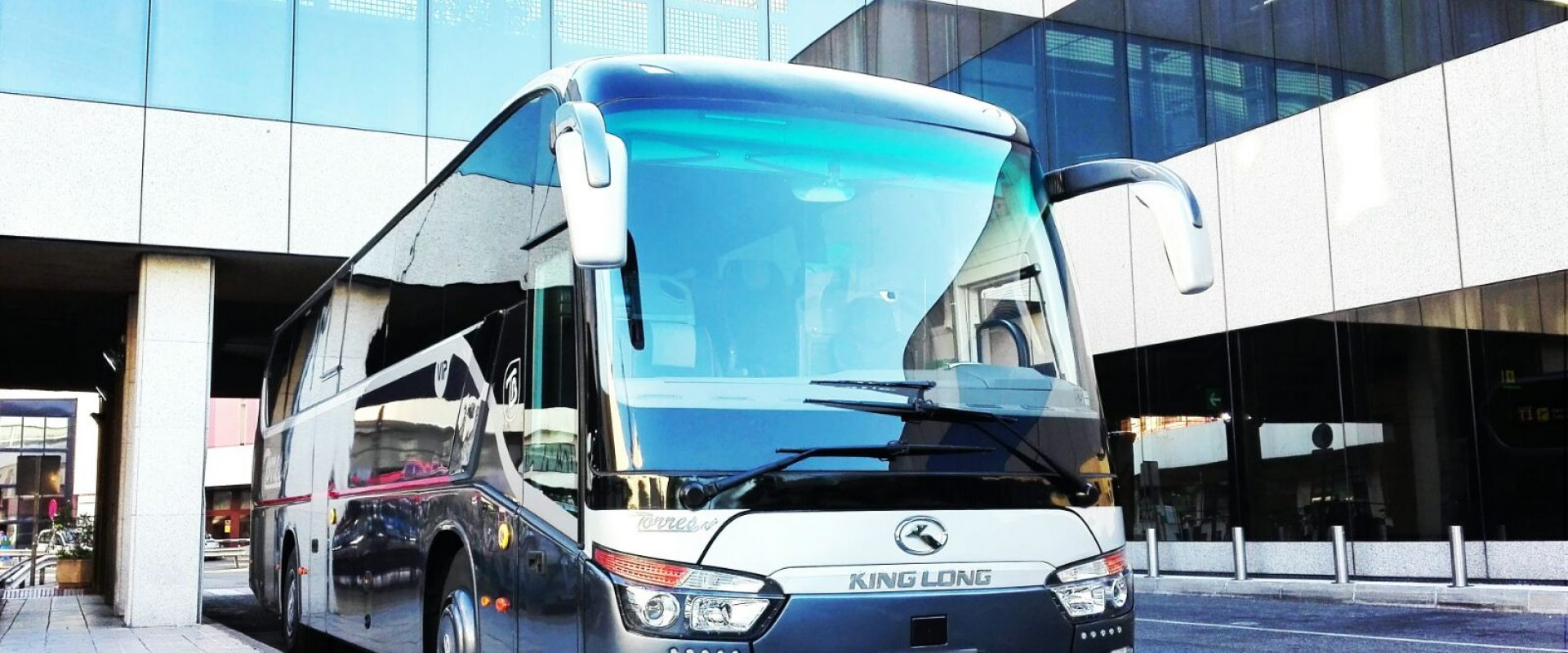

Picture this: you’ve just finished coordinating a wedding reception in central Madrid, the playlist is set, the guests are buzzing with excitement, and then you realize you still need to get half the party from the hotel to the ceremony on time.
That tight‑rope feeling is exactly why more event planners, corporate travel managers, and tour operators are turning to professional bus hire with a driver – it takes the logistics nightmare off their plates.
When you hire a bus with driver, you’re not just renting a vehicle; you’re getting a mobile concierge who knows Madrid’s traffic quirks, the fastest route to Barajas, and how to handle a last‑minute seat change without breaking a sweat.
In our experience at Torres Bus, we’ve seen everything from a school field trip to Toledo that suddenly needed an extra seat for a chaperone, to a tech conference shuttle that required Wi‑Fi and power outlets for presenters.
That kind of flexibility is hard to get when you’re juggling multiple vendors, and it’s exactly the peace of mind that makes “hire a bus with driver” a top‑of‑mind phrase for anyone handling group travel.
Think about the little things that matter: the driver opens the door for elderly guests, keeps the climate just right for a summer outing, and even offers a quick route suggestion when the main highway is jammed.
And you don’t have to be a logistics expert to benefit. A simple phone call or online request can set you up with a vehicle that matches the group size – whether it’s a seven‑seat van for a boutique wine tour or a 70‑seat coach for a corporate roadshow.
So, if you’re staring at a spreadsheet full of arrival times and wondering how to stitch everything together, remember that hiring a bus with driver isn’t a luxury – it’s a practical shortcut that saves time, reduces stress, and keeps everyone smiling.
TL;DR
When you hire a bus with driver, you instantly trade spreadsheet chaos for a smooth, worry‑free ride that handles everything from door‑to‑door pickups to on‑the‑fly route tweaks. That means event planners, wedding crews, or corporate teams can focus on the fun and the business, while we take care of punctuality, comfort, and that extra personal touch that makes every trip memorable.
Step 1: Determine Your Transport Needs
Picture this: you’ve just booked the perfect venue, the guest list is solid, but the moment you think about getting everyone from the hotel to the ceremony you feel a knot in your stomach. That little knot? It’s the classic “how many seats do we actually need?” question.
First thing you should do is take a quick head‑count. Write down the total number of adults, children, and any special guests like grandparents who might need extra room. Don’t forget the staff – photographers, caterers, and the DJ often need a seat too. In our experience, a simple spreadsheet (or even a pen‑and‑paper list) can save you from squeezing too many people onto a minibus or, worse, hiring a coach that’s half empty.
Now ask yourself: what’s the main purpose of the trip? Is it a wedding shuttle, a corporate conference breakout, or a day‑long sightseeing tour of Toledo? The answer will steer you toward the right vehicle size. A 12‑seat minibus feels cosy for an intimate wedding party, while a 50‑seat coach is a no‑brainer for a large corporate roadshow.
Next, think about timing. Do you need multiple pick‑ups spread across the morning, or a single door‑to‑door service? Mapping out the schedule on a wall calendar helps you see gaps where a driver can optimise routes. If you’re juggling airport transfers and a venue drop‑off, a driver who knows Madrid’s rush‑hour patterns can shave off precious minutes.
Accessibility is another piece of the puzzle. Are any of your guests using a wheelchair or have reduced mobility? Torres Bus offers PMR‑adapted vehicles, but you have to flag that need early so the right bus is on standby. A quick note in your brief – “one wheelchair‑accessible seat required” – can prevent last‑minute scramble.
Budget constraints often creep in at this stage. It’s tempting to go for the cheapest option, but remember that hidden fees like extra mileage, overnight charges, or a driver’s wait time can balloon the invoice. Ask for an all‑inclusive quote that lists fuel, tolls, and any extra amenities such as Wi‑Fi or on‑board refreshments.
Special requests can turn a standard hire into a memorable experience. Maybe you want a luxury minibus with leather seats for a VIP client, or you need a coffee cart on board for a morning workshop. That’s where a provider who can customise the interior really shines. For example, a wedding planner might partner with a local coffee roaster to surprise guests with a latte‑style welcome drink.
If you’re planning a destination wedding, you might also be scouting venues abroad. Adelaide Wedding Venues showcases beautiful locations that often require coordinated transport from Madrid. Checking their site can give you a sense of the distances you’ll need to cover and help you decide whether a single coach or a fleet of minibusses makes more sense.
For corporate events that span multiple days, a partner like GHO Sydney can inspire you with ideas on how to blend work and leisure – think shuttle‑style tours between conference rooms and city attractions. Their approach reminds us that transport isn’t just logistics; it’s part of the event narrative.
And if you ever wonder how to keep guests refreshed on a long ride, look at Chilled Iguana Coffee Co. – they specialize in delivering premium coffee to on‑board catering services, turning a simple bus trip into a caffeinated networking session.
After you’ve gathered all that info, run through this quick checklist:
- Exact head‑count, including staff and special needs.
- Purpose of the trip – wedding, corporate, sightseeing.
- Pick‑up and drop‑off times, with buffer for traffic.
- Accessibility requirements.
- All‑inclusive budget estimate.
- Any extra amenities – Wi‑Fi, coffee service, luxury seating.
Once the checklist is complete, reach out to a reputable provider and share your brief. A good driver will confirm the vehicle type, suggest route tweaks, and even help you fine‑tune the timeline. That conversation is where the magic happens – you move from “I hope this works” to “We’ve got this covered.”

Step 2: Choose the Right Bus Size and Type
Now that you know who’s hopping on, it’s time to match the group to the right vehicle. Picking the wrong size is a classic nightmare – either you’re squeezing strangers into a cramped van or you’ve paid for a coach that ends up half‑empty. Both waste money and make the journey uncomfortable.
First, take your headcount and split it into logical buckets. In our experience, most events fall into three sweet spots:
- 7‑12 seats: perfect for intimate weddings, boutique tours, or a small executive team.
- 13‑25 seats: ideal for school trips, medium‑sized corporate outings, or a family reunion.
- 26‑70 seats: the go‑to for large conferences, sports teams, or city‑wide sightseeing groups.
Once you have a bucket, ask yourself three questions:
1. How many luggage pieces will you carry?
Every passenger adds roughly 20 kg of baggage. A 12‑seat minibus usually offers space for 1‑2 bags per seat, while a 50‑seat coach can handle 2‑3 bags per passenger. If you’re moving equipment (think sound gear for a concert), add a 15 % buffer.
2. What amenities do you really need?
Air‑conditioning is a given in summer Madrid. Wi‑Fi matters for business trips; a wheelchair lift is non‑negotiable for senior guests. 8Rental’s fleet specs show that most 16‑seat Sprinters come with Wi‑Fi and power outlets, while 30‑seat coaches add restrooms and larger luggage compartments.
3. How many stops will you make?
Frequent door‑to‑door pickups favour a vehicle with low‑step entry and wide aisles – minivans excel here. Long‑haul routes benefit from reclining seats and onboard toilets, which you’ll find on larger coaches.
Here’s a quick decision matrix to help you visualise the trade‑offs:
| Vehicle Size | Seat Capacity | Best For | Key Amenities |
|---|---|---|---|
| Mini‑van | 7‑12 | Wedding bridal party, small corporate group | Air‑con, USB ports, easy‑step entry |
| Mid‑size minibus | 13‑25 | School field trips, regional tours | Wi‑Fi, luggage rack, wheelchair lift |
| Full‑size coach | 26‑70 | Conferences, sports teams, multi‑day excursions | Restroom, recline seats, power outlets, onboard kitchen |
Real‑world example #1: A wedding planner in Madrid booked a 16‑seat luxury minibus for the bride’s family. The group needed space for two strollers and a portable sound system. By choosing a minibus with a low‑step entry and a small kitchenette, the planner avoided the hassle of juggling two separate vehicles.
Real‑world example #2: A tech conference organizer arranged a 50‑seat coach for attendees traveling from Barajas Airport to the conference centre. The coach’s Wi‑Fi allowed presenters to finalize slides en‑route, and the onboard restroom saved a 30‑minute stop that would have cost the agenda.
Actionable steps to lock in the right size:
- Count every passenger and add 10 % for last‑minute guests.
- Calculate total luggage weight (passenger count × 20 kg) and add a 15 % safety margin.
- Match the headcount to the bucket table above.
- List mandatory amenities and cross‑check them against the vehicle specs.
- Contact your provider with the final numbers – we at Torres Bus love a clear brief, it speeds up the quote.
And remember, the right bus isn’t just about seats; it’s about the experience you want to deliver. Whether you’re aiming for a sleek, VIP feel or a practical, budget‑friendly ride, the size and type you choose set the tone for the whole trip.
Step 3: Find Licensed Drivers & Verify Credentials
Alright, you’ve sized the vehicle, you’ve nailed the amenities – now the real magic happens when the driver steps in. A good driver does more than steer; they become the moving part of your event’s hospitality.
Why the driver matters
Imagine a wedding party arriving at the cathedral and the driver greets the grandparents by name, opens the door, and helps with the stroller. Or think about a corporate delegation that needs a quick route change because a flight lands early. Those moments turn a simple ride into a seamless experience.
So, how do you make sure the person behind the wheel is up to the task?
Start with a licensed pool
First, ask any bus‑hire company for proof that their drivers hold a valid Spanish driving licence (Clase D for buses over 3.5 t). Reputable firms keep a digital registry you can request – it’s faster than chasing paper copies.
In our experience at Torres Bus, we maintain an internal compliance dashboard that flags any licence that’s about to expire. That way, you never end up with a driver whose paperwork lapsed last month.
Check the extras
Beyond the licence, look for a few key credentials:
- Professional Driver’s Certificate (Certificado de Conductor Profesional) – proves they’ve completed the mandatory safety course.
- First‑Aid training – especially important for school trips or senior groups.
- Background check – a clean record gives you peace of mind, especially for VIP or family events.
Ask the provider for a short “driver profile” that lists these items. If they’re hesitant, that’s a red flag.
Ask the right questions
When you talk to the driver (or the company’s dispatcher), sprinkle in a few practical queries:
- “How familiar are you with the A‑2 and M‑30 routes during rush hour?”
- “Can you handle a last‑minute stop at a hospital if someone feels unwell?”
- “Do you have experience with wheelchair lifts or accommodating PMR passengers?”
The answers reveal confidence, local knowledge, and empathy – all things you can’t gauge from a licence number alone.
Do a quick on‑site verification
If you’re meeting the driver before the event, bring a copy of their licence and check the photo, expiry date, and class. A quick “Can you point out the anti‑counterfeit hologram?” shows you’re paying attention and sets a professional tone.
While you’re there, do a brief walk‑around of the vehicle. Does the driver know where the fire extinguisher is? Can they point out the emergency exit plan? Those tiny details matter when you’re responsible for a group of 30‑plus people.
Create a simple checklist
Here’s a printable one‑page cheat sheet you can use before you sign any contract:
- Verify licence class (Clase D) and expiry date.
- Confirm Professional Driver’s Certificate.
- Ask for proof of recent First‑Aid training.
- Request a background check summary.
- Check familiarity with your route and any special stops.
- Confirm experience with accessibility equipment if needed.
Tick each box, and you’ll walk away with confidence that the driver is both qualified and reliable.
Does all that sound like a lot? Not really. It’s just a few minutes of due‑diligence that saves you hours of stress on the day of the event.
Once the driver checks all the boxes, you can focus on the fun part: deciding whether to play a welcome playlist or arrange a surprise toast on the way to the venue. The driver will handle the logistics; you get to enjoy the ride.
Bottom line: hiring a bus with driver is only as good as the person behind the wheel. Take a few minutes to verify licences, certifications, and personality, and you’ll turn a simple transport job into a five‑star service.
Step 4: Get Accurate Quotes & Understand Pricing
Let’s face it, the moment you start comparing numbers you can feel a little nervous. You’ve already sized the bus, you’ve got a driver in mind – now the price tag shows up and you wonder if you’re being overcharged or missing something hidden.
The good news is that getting an accurate quote isn’t magic; it’s a checklist‑style conversation. When you know exactly what to ask, the provider can give you a line‑item breakdown that leaves no “maybe‑later” surprise.
Why price details matter
A vague “€500 total” looks tidy, but it usually bundles fuel, tolls, driver overtime, cleaning fees and sometimes even a small insurance surcharge. If you don’t separate those items you can’t compare offers fairly, and you might end up paying extra for a route you never use.
Gather the right info before you ask
Start by writing down the core variables of your trip.
- Date and time – peak‑hour versus off‑peak rates can differ by up to 20 % in Madrid.
- Pick‑up and drop‑off addresses – distance influences mileage and possible city‑center surcharges.
- Number of passengers and luggage – a 20‑seat coach with three suitcases per seat will cost more than a 16‑seat minibus with one bag each.
- Special services – wheelchair lift, bilingual driver, on‑board Wi‑Fi, or a portable restroom.
Once you have those numbers, drop them into an email or a quick phone call. The provider should be able to send you a spreadsheet‑style quote within the day.
Break down the quote
When the quote arrives, scan it for these line items:
- Base vehicle rate – what you pay for the bus itself per hour or per day.
- Driver fee – includes salary, mandatory rest breaks and sometimes a small tip recommendation.
- Fuel surcharge – often a flat € per kilometre or a percentage of the base rate.
- Toll & parking – any highway tolls (A‑2, M‑30) and city parking permits.
- Extras – Wi‑Fi, audio‑visual equipment, extra stops, night‑time surcharge.
If any of those sections are missing, ask “Could you clarify the fuel surcharge for a 150 km round trip?” That simple question can shave 10‑15 % off the final number.
Ask the right questions
Here are three quick questions that separate transparent operators from the vague ones:
- How is overtime calculated if we run 30 minutes late returning to the airport?
- Are tolls included or billed after the fact?
- What’s the policy on cancellations or changes after the quote is accepted?
A professional company will answer each point in writing, and you’ll have a paper trail that protects you if the bill looks different on the day of travel.

Create your own pricing checklist
Before you sign anything, run through this mini‑checklist:
- Verify the base rate matches the vehicle size you selected in Step 2.
- Confirm driver fee covers the entire shift, including any required breaks.
- Ensure fuel, tolls and parking are itemised, not hidden.
- Check for any extra fees – night surcharge, extra stop, special equipment.
- Ask for a total “all‑inclusive” number that includes taxes.
If the numbers line up, you can lock in the price with a modest deposit – usually 10‑15 % – and move on to the fun part of planning the playlist.
Remember, the goal isn’t to find the cheapest quote, but the most transparent one. A clear breakdown lets you budget confidently and gives you leverage if you need to negotiate later.
In our experience at Torres Bus, clients who walk through the pricing checklist end up saving an average of €120 per trip simply by catching hidden fuel or toll fees early. That’s money you can put toward a nicer welcome toast or a last‑minute décor upgrade.
So, grab your spreadsheet, plug in the details, ask those three questions, and you’ll have an accurate, trustworthy quote in no time. Then you can focus on the part you love – making sure the ride itself feels like a five‑star experience.
Step 5: Book, Confirm, and Prepare for the Day
Okay, you’ve run the numbers, you’ve chosen the right vehicle, and you’ve met the driver’s credentials. The next move feels a bit like sealing a deal on a wedding cake – you want it firm, but you also want a little room for frosting.
Here’s how we usually lock the whole thing down without breaking a sweat.
1. Send a clear booking request
Start with an email or a quick form that lists every detail you already gathered: date, pick‑up and drop‑off addresses, passenger count, luggage estimate, any special equipment or accessibility needs, and the exact amenities you expect (Wi‑Fi, extra stop, night surcharge, etc.).
Copy the request to the person who will be your point of contact on the day – usually the fleet manager or the driver’s dispatcher. That way, if something shifts, you have a single thread to chase.
2. Get an all‑inclusive confirmation
When the provider replies, look for a line‑item breakdown that mirrors the checklist you built in Step 4. The total should include:
- Base vehicle rate
- Driver fee (including mandatory breaks)
- Fuel surcharge or per‑kilometre rate
- Tolls, parking, and any city‑center fees
- Extras such as Wi‑Fi, wheelchair lift, or overnight surcharge
- Applicable taxes
If any of those rows are missing, fire back a short note: “Could you confirm the fuel surcharge for a 150 km round trip?” It’s a tiny step that prevents a nasty surprise on the invoice.
3. Pay the deposit – but keep a paper trail
Most companies ask for a 10‑15 % deposit to lock the vehicle. Pay it by a method that gives you a receipt (bank transfer with reference, PayPal, or credit card). Store the confirmation email in the same folder as your event‑planning docs.
Ask for a written cancellation policy, too. Knowing whether you get a full refund up to 48 hours before departure can save you stress if the venue changes its schedule.
4. Double‑check the driver’s details
A day before the trip, send a quick “just checking” message. Verify the driver’s name, phone number, and arrival time at the first pick‑up point. If you’re coordinating a wedding, a short note like “Can you bring a spare set of keys for the ceremony venue?” shows you’re on top of the details.
In our experience, a friendly reminder the night before also gives the driver a chance to flag any last‑minute road works or weather alerts that could affect the route.
5. Prepare the day‑of checklist
Print a one‑page sheet and stick it on the dashboard of the bus (or email it to the driver’s phone). Include:
- Passenger list with any special needs highlighted
- Exact pick‑up times and a buffer of 10 minutes for traffic
- Contact numbers for the main organizer and a backup person
- Location of the first stop, plus a quick map link (Google Maps works fine)
- Any on‑board requests – for example, “play a soft jazz playlist after the first stop” or “keep the AC at 22 °C for senior guests”.
Having this at hand turns a potentially chaotic morning into a smooth, repeatable routine.
6. Pack a small “day‑of” kit
Even if you’ve hired a luxury coach, a few simple items can make the journey feel extra polished:
- Extra pens and a sign‑in sheet for guests who need to check in
- A bottle of water and a few snack packs – especially for school trips or long corporate shuttles
- A spare phone charger or power bank (the driver will appreciate it too)
- A printed copy of the contract and the deposit receipt, just in case.
These tiny touches show you’re organized, and they give the driver a clear reference if anything goes sideways.
7. Run a final “walk‑through” 30 minutes before departure
Step onto the bus, check that the seats are clean, the Wi‑Fi is on, and the climate control works. Verify the wheelchair lift or any accessibility equipment if you have PMR guests. A quick “everything looks good?” to the driver caps the preparation phase.
If you notice a missing item, now’s the time to ask for a swap or a quick fix. Most drivers are happy to accommodate – after all, a smooth ride reflects on both of you.
And that’s it. With a solid booking email, a line‑item confirmation, a tiny day‑of kit, and a last‑minute walk‑through, you’ve turned the “hire a bus with driver” process into a checklist you can repeat for every event. The only thing left is to enjoy the ride and let the bus do what it does best: get your guests from point A to point B, on time and in style.
Conclusion
We’ve walked through every step, from sizing the group to the final walk‑through, so you can breathe easy knowing the ride will be smooth.
When you hire a bus with driver, you’re not just ticking a box on a checklist – you’re buying peace of mind. The driver becomes a moving host, the vehicle a comfortable lounge, and the whole process a repeatable routine you can trust.
Remember the three things that mattered most: a clear headcount, a list of must‑have amenities, and a line‑item quote that spells out fuel, tolls and driver fees. If those boxes are checked, the day‑of hustle shrinks to a quick “everything looks good?” and you can focus on the event itself.
So, what’s the next move? Grab the checklist we built, give your preferred provider a quick call, and lock in the booking with a small deposit. A simple email with dates, stops and any special needs is all you need.
In our experience at Torres Bus, the teams that follow this routine arrive on time, keep guests smiling, and even get asked to run the next event. Let that be your cue to turn the “hire a bus with driver” hassle into a confidence‑boosting habit.
Ready to put the plan into action? A short message today could mean a stress‑free ride tomorrow.
FAQ
How do I figure out the right bus size when I hire a bus with driver?
Start by writing down every passenger, their ages, and any extra luggage. Add roughly 10 % for last‑minute guests. Then match that total to the three size buckets we use – 7‑12 seats for intimate groups, 13‑25 for medium outings, and 26‑70 for big events. A quick spreadsheet that lists headcount, luggage weight, and required space will instantly tell you whether a minivan, a midsize minibus, or a full‑size coach is the sweet spot.
What hidden costs should I watch for when I hire a bus with driver?
Look for line items beyond the base vehicle rate. Fuel surcharges, tolls (especially on the A‑2 or M‑30), parking permits, night‑time fees, and overtime if you run late can add up fast. Also ask whether the driver’s tip, cleaning fee, or any extra stop charges are bundled or billed separately. Getting an all‑inclusive quote with each of these broken out helps you compare offers without nasty surprises.
Can I ask for specific amenities like Wi‑Fi or wheelchair access?
Absolutely. When you email your request, list every must‑have feature – Wi‑Fi, USB ports, air‑conditioning, wheelchair lift, or an onboard restroom. Most providers, including our fleet at Torres Bus, can match a 16‑seat minibus with Wi‑Fi and a low‑step entry, or a 50‑seat coach with a wheelchair‑friendly ramp. Confirm that the amenity is installed and operational before you sign the contract.
How far in advance should I book a bus with driver for a wedding or corporate event?
For popular dates – weekends, holidays, or big conferences – aim for at least four to six weeks ahead. That gives the company time to reserve the exact vehicle you need and assign a driver familiar with your route. If you’re flexible, a two‑week window can still work, but you might have to settle for a different model or a driver who’s less familiar with your preferred stops.
What should I double‑check with the driver on the day of the trip?
Send a quick “just confirming” message the night before. Verify the driver’s name, phone number, and arrival time at the first pick‑up. Ask them to reconfirm any special stops, accessibility equipment, and the temperature setting you prefer for senior guests. A brief 30‑second chat on the morning of the departure can surface road‑work alerts or weather warnings that might affect the schedule.
Is it safe to rely on a private company for school trips?
Yes, as long as the provider can show you a valid Clase D licence, a Professional Driver’s Certificate, and recent first‑aid training. Ask for a short driver profile and a copy of the vehicle’s safety inspection. In our experience, schools that follow a simple checklist – licence, certification, background check, and a walk‑around of the bus – see zero incidents and a smooth, stress‑free ride for kids and chaperones alike.
What happens if my schedule changes at the last minute?
Most reputable operators have a clear cancellation and amendment policy. Look for a clause that lets you adjust pick‑up times or add stops up to 24 hours before departure without a penalty. If you need a change within that window, be ready to pay a small administrative fee – usually a flat €20‑€30 – but you’ll avoid losing the whole deposit. Always get the amendment terms in writing so you know exactly what’s covered.