
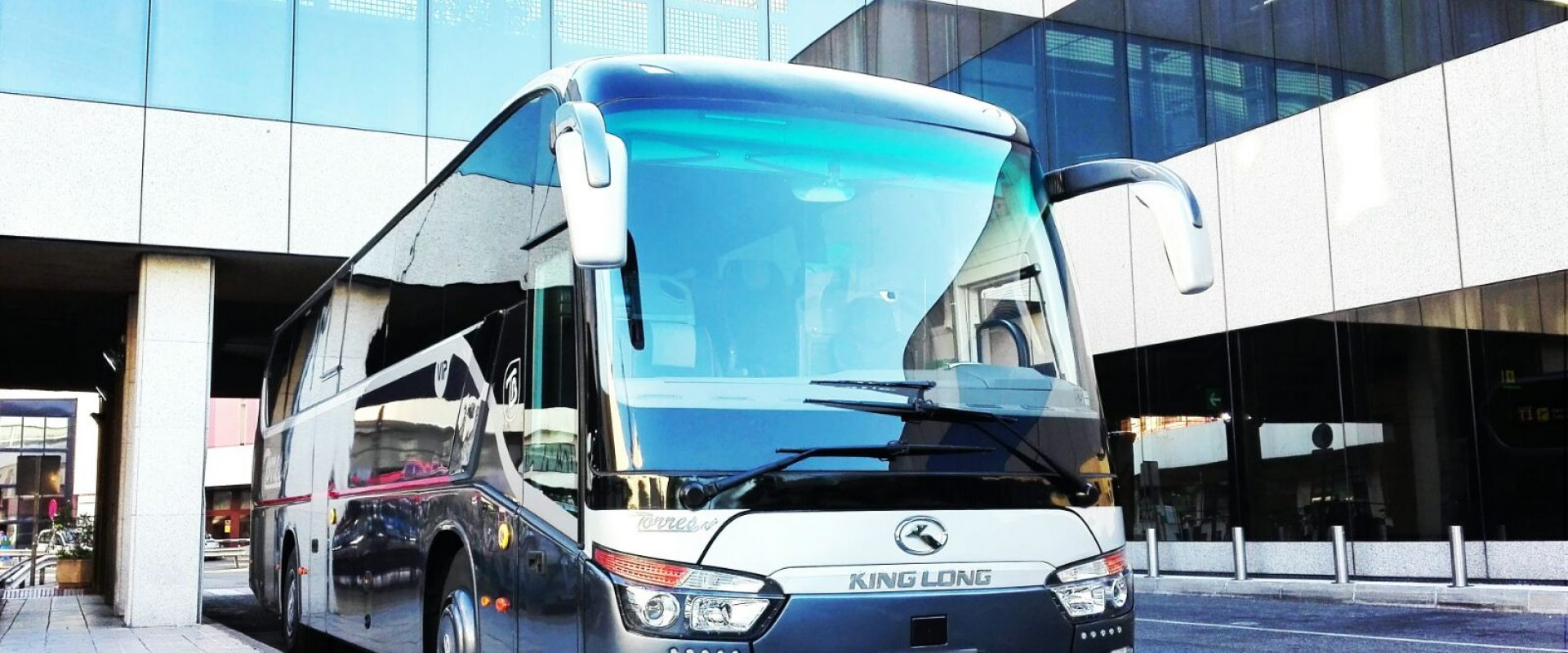

Ever stood at the airport, juggling suitcases, a stroller, and a group of colleagues, wondering how on earth you’ll get everyone to the hotel on time? That moment of panic is all too familiar for anyone who’s tried to coordinate group travel in Madrid. That’s why we’re talking about minibus hire with driver – the stress‑free shortcut you didn’t know you needed.
Imagine stepping onto a sleek, air‑conditioned minibus that fits exactly the number of passengers you have – no extra seats, no cramped backs, and a professional driver who knows the fastest routes around the city. In our experience, that simple detail turns a hectic day into a smooth, even enjoyable ride, whether you’re ferrying wedding guests to a historic venue or shuttling a corporate team between conference rooms and the airport.
But the real magic isn’t just the vehicle; it’s the peace of mind that comes with knowing someone else is handling traffic, parking, and the inevitable last‑minute changes. You can focus on greeting your guests, checking your presentation slides, or simply enjoying the scenery of Toledo or Segovia on a day‑trip, while the driver adjusts on the fly if a flight lands early or a train is delayed.
So, why do event planners, tour operators, and corporate travel managers keep coming back to us? Because a reliable minibus hire with driver eliminates the guesswork of capacity planning, cuts down on hidden costs, and guarantees punctuality – the three things that can make or break any group outing. It’s the difference between a smooth arrival and a frantic scramble for taxis.
If you’re still on the fence, picture this: you’re at a bustling train station, your group’s luggage is piled high, and the clock is ticking. Instead of huddling around a phone trying to find a cab, a driver pulls up in a bright, comfortable minibus, opens the door, and says, “Hop in, I’ve got you covered.” In that instant, the stress evaporates.
TL;DR
If you’ve ever dreaded juggling luggage, schedules, and a restless group at Madrid’s bustling stations, minibus hire with driver turns that chaos into a smooth, stress‑free ride. We’ve seen event planners, corporate teams, and wedding parties save time, cut hidden costs, and arrive punctually—so you can focus on the moment, not the logistics.
Step 1: Define Your Transport Needs
Let’s start with the part that actually saves time later: getting crystal clear about what you need. You’ve probably felt the panic of too many unknowns — passenger counts shifting, last‑minute luggage, or a vendor running late. Nail the basics now and the rest gets easier.
First question: how many people are coming, truly? Not RSVP numbers, actual people who will board. Include infants, plus anyone who needs extra space or an assistant. Think in realistic groups: 8–16 fits comfortably in a minibus; 20–30 pushes you toward a coach or two vehicles.
Next: luggage and kit. Is this an airport transfer with big suitcases, a band carrying instruments, or a wedding party with dresses and boxes of decorations? Our rule of thumb: treat luggage as a separate metric — one large suitcase per two passengers is a safe planning figure for Madrid trips.
Service type matters. Are you booking an airport transfer that needs flight‑tracking and flexible wait time? A wedding shuttle with tight arrival windows? A full‑day corporate excursion with multiple stops and on‑board Wi‑Fi for remote work? Each use case changes vehicle choice, driver briefing, and pricing.
Accessibility is non‑negotiable if anyone needs it. If a guest uses a wheelchair, mark PMR accessibility early. In our experience at Torres Bus, delaying that check forces last‑minute changes that cost money and stress — don’t do it.
How many stops, and how strict are your times? A hop from Atocha to a hotel is different from a sightseeing loop that needs short parking stops and room for quick photo ops. Map your timeline, then add a buffer for Madrid’s traffic peaks. Yes, plan for traffic.
If comfort is a priority, list extras: child seats, English‑speaking drivers, tables for teams, coolers for wedding champagne, or secure storage for camera equipment. These small items change vehicle selection and quotes.
Still not sure which vehicle fits? For a step‑by‑step approach to match vehicle size with your exact needs, check this guide: How to Choose the Right Minibus Hire with Driver for Your Madrid Trip, which breaks down capacities and use cases clearly.

Who’s the day‑of contact? Assign a single point person who can communicate changes to the driver. One voice avoids contradictory instructions and keeps everyone calm.
Budget talk: set a realistic range and flag what’s non‑negotiable. If punctuality is essential, pay for experienced drivers and flight monitoring — cheap options often cut corners on those services.
Here’s a short checklist to copy into your planning doc:
• Final confirmed passenger number (include helpers and infants)
• Luggage estimate (small/medium/large + special equipment)
• Exact pick‑up/drop‑off addresses and time windows
• Number of stops and approximate stop durations
• Accessibility needs (PMR), child seats, driver language
• Onboard requirements: Wi‑Fi, power outlets, tables
• Single on‑the‑day contact and a clear backup plan
Think about a real scenario: an event planner moving 40 wedding guests between two venues will need different vehicles and staging than a tour operator taking 12 people for a day trip to Toledo. Defining these details now means quotes are comparable, the driver knows what to expect, and guests arrive relaxed — which is really what you’re paying for.
Step 2: Choose the Right Vehicle Size and Type
So you’ve nailed down how many people and what you’re moving – now the real puzzle is picking the right vehicle. It’s like choosing a pair of shoes: too tight and you’ll be uncomfortable all day, too loose and you’ll be stumbling over the extra space. The good news? With a little bit of data and a few real‑world examples, you can land on the perfect size without guesswork.
Understand the capacity sweet spot
In our experience, most groups fall into three buckets:
- Small crews (4‑8 passengers): ideal for VIP airport drops, intimate wedding parties, or a handful of executives.
- Mid‑size groups (12‑20 passengers): perfect for corporate off‑sites, school excursions, or a family reunion.
- Large parties (25‑40 passengers): best for festivals, sports teams, or multi‑stop tours.
Each bucket has a vehicle type that balances comfort, fuel efficiency, and price. For example, a 7‑seat Mercedes V‑Class feels like a moving lounge – leather seats, climate control, and a driver who can chat in English or Spanish. A 19‑seat Sprinter gives you room for luggage without turning the cabin into a hallway. And a 35‑seat coach brings the amenities of a mini‑conference room (Wi‑Fi, power outlets) to a day‑trip to Segovia.
Here’s a quick decision‑tree you can print out:
- Count passengers (including any extra drivers or guides).
- Add 1‑2 seats for luggage‑heavy items (guitars, display stands, sports gear).
- Match the total to the capacity range above.
- Consider special needs – wheelchair ramps, child‑seat kits, or a quiet zone for senior executives.
Real‑world scenarios
Wedding rehearsal dinner in the Retiro Park: The bride’s party is 12 guests plus a photographer and a small cake table. A 16‑seat Sprinter gave enough elbow room for the cake and camera gear, and the driver could drop the couple off at the venue while the rest of the guests waited at a nearby lounge. The result? No cramped backs, and the driver arrived 15 minutes early to help with setup.
Corporate tech conference in Toledo: 38 attendees needed a round‑trip shuttle from Barajas Airport, plus a brief stop at a coworking hub. A 40‑seat coach with Wi‑Fi let the team work on their laptops during the 2‑hour ride, turning travel time into productive time. The driver even adjusted the route on the fly when a flight landed 20 minutes early.
School field trip to El Escorial: 22 students, two teachers, and a few backpacks. The school chose a 25‑seat minibus with a built‑in TV for a short safety video before the hike. The extra seat capacity covered the teachers’ equipment and left room for a surprise ice‑cream stop, keeping the kids happy and the itinerary on schedule.
Notice a pattern? Each example pairs a clear passenger count with a vehicle that adds exactly what the group needs – no more, no less.
Actionable checklist before you book
- Write down the exact number of passengers (include drivers, guides, and any extra staff).
- List cargo – suitcases, musical instruments, exhibition booths, or sports gear.
- Identify accessibility needs (ramps, wheelchair‑secure seats, child‑seat kits).
- Decide on on‑board amenities: Wi‑Fi, power outlets, climate control, or a mini‑bar.
- Match these items to a vehicle class using the table below.
Once you have that list, you’ll be able to ask a provider for a quote that’s spot on, rather than getting a vague “we’ll send a bus” response.
| Vehicle Type | Seating Capacity | Ideal Use‑Case | Key Features |
|---|---|---|---|
| Mercedes V‑Class | 4‑7 | VIP airport transfers, small wedding parties | Leather seats, climate control, optional English‑speaking driver |
| Mercedes Sprinter | 16‑19 | Corporate off‑sites, school trips, medium‑size tours | Wi‑Fi, power outlets, luggage space, wheelchair ramp option |
| Luxury Coach (70‑seat) | 25‑40 | Large festivals, sports teams, multi‑stop city tours | On‑board restroom, PA system, premium entertainment system |
Need a concrete example of fleet specs? 8Rental outlines the Mercedes Sprinter and V‑Class capacities, which line up nicely with the ranges we just discussed.
Now, take a moment to sketch your own quick table – copy the one above, swap in your numbers, and you’ll instantly see whether you’re looking at a minibus or a full‑size coach.
Watch the short video for a visual walk‑through of how the driver’s route planning works in real time. It’s a great way to see the difference between a cramped van and a well‑matched minibus.
Bottom line: when you match capacity, cargo, and comfort to the right vehicle class, the whole “minibus hire with driver” experience feels like a seamless extension of your event, not a logistical hurdle.
Step 3: Compare Pricing and Service Packages
Break down the price ingredients
When you ask for a quote, you’re not just getting a single number – you’re getting a bundle of costs that can sneak up on you if you don’t look closely. In Madrid, the base hourly rate for a 12‑seat minibus usually starts around €70, but the final bill often includes fuel surcharges, tolls, parking permits, and sometimes a night‑time premium.
Ask yourself: which of these items are already wrapped into the price, and which are extra?
- Vehicle type: A Mercedes V‑Class will cost more per hour than a standard Sprinter because of its luxury finish.
- Distance & mileage: Some providers include unlimited km; others charge €0.30 per extra kilometre.
- Fuel & tolls: Check whether fuel is covered. If you’re heading to Toledo (≈180 km round‑trip) you could see an extra €30‑€40.
- Driver fees: A multilingual driver may carry a small premium, but the peace of mind is worth it for international groups.
- Added amenities: Wi‑Fi, onboard entertainment, or a mini‑bar are often optional add‑ons.
What’s inside a service package?
Most minibus companies in Spain bundle the vehicle and driver into three tiers: basic, comfort, and premium. The differences are subtle but can change the whole experience.
Basic package – You get a clean, road‑ready minibus, a licensed driver, and the legal insurance required for passenger transport. Perfect for a quick airport shuttle.
Comfort package – Adds climate control, USB charging ports, and sometimes a small fridge for water bottles. Ideal for a half‑day corporate outing where participants need to stay productive.
Premium package – Think leather seats, on‑board Wi‑Fi, a TV screen, and a driver who can speak English, French or German. This is the go‑to for VIP weddings or a film crew that wants to review footage on the road.
Here’s a quick side‑by‑side look (numbers are illustrative, based on typical market rates):
| Package | Hourly Rate (≈) | What’s Included |
|---|---|---|
| Basic | €70 | Vehicle, driver, mandatory insurance |
| Comfort | €85 | All basic + climate control, USB ports, bottled water |
| Premium | €105 | All comfort + leather seats, Wi‑Fi, multilingual driver |
Real‑world comparison examples
Example 1: A wedding rehearsal in the Retiro Park – The couple wanted a stylish ride for 12 guests plus a photographer. We compared a basic Sprinter (€70/h) against a premium V‑Class (€105/h). The premium option added leather seats and a driver who greeted guests in English, which helped the photographer feel at ease and saved the couple €50 in extra luggage handling fees.
Example 2: A corporate tech roadshow to Toledo – 38 attendees needed on‑board Wi‑Fi to run demos. The comfort package for a 40‑seat coach (€85/h) covered Wi‑Fi and power outlets, while a basic package would have required a separate hotspot rental costing another €150 for the day.
Example 3: A school field trip to El Escorial – 22 students, two teachers, and a few backpacks. The basic package for a 25‑seat minibus (€70/h) was enough; adding a TV for a safety video (a premium add‑on) cost only €20 extra, but the visual briefing reduced the teachers’ prep time by 15 minutes.
These snapshots show why it’s worth writing the numbers down before you pick a quote.
Actionable checklist before you sign
- List the exact number of passengers, including any extra staff or guides.
- Calculate total luggage volume – heavy gear often means a larger vehicle or a higher‑priced package.
- Identify mandatory amenities (Wi‑Fi, wheelchair ramp, child‑seat kits).
- Ask the provider to break down the quote: base rate, fuel, tolls, driver overtime, and optional extras.
- Compare at least three quotes side‑by‑side. A spreadsheet works wonders – put each cost component in its own column.
- Check the fine print for hidden fees (late‑night surcharge, airport parking, extra mileage).
- Confirm what’s included in insurance and what liability you retain.
Once you have that table, you’ll see whether a premium package truly adds value or if a comfort package already meets your needs.
Pro tip from the field
Europe‑wide operators often publish a transparent price guide. Europe Bus Reservation’s pricing overview shows typical hourly ranges and how extra services are priced, giving you a benchmark to negotiate against local quotes.
Remember, the cheapest option isn’t always the best. A slightly higher rate that bundles fuel, tolls and Wi‑Fi can end up saving you both money and headaches on the day of the event.
Take a few minutes now to fill out the checklist above, request detailed quotes, and line them up in a simple table. When you see the numbers side by side, the right choice becomes crystal clear – and you’ll walk into the booking conversation with confidence.
Step 4: Book and Confirm Your Minibus Hire with Driver
Alright, you’ve done the homework – you know how many seats you need, you’ve compared prices, and you’ve narrowed down a couple of providers. The next move feels like the most nerve‑wracking part: actually locking in the minibus hire with driver. Trust me, once you follow a clear checklist, it’s smoother than you think.
Grab the booking form (or send a quick email)
Most reputable operators, including Coaches and minibus Torres Bus, will have a simple booking form on their site. If you prefer email, fire off a concise message that repeats the essentials:
- Event name and date(s)
- Exact pick‑up and drop‑off locations (airport terminals, hotels, venues)
- Number of passengers and any special cargo
- Desired vehicle class (V‑Class, Sprinter, coach) and any optional amenities
Putting everything in one place saves you from endless back‑and‑forth and gives the driver a solid briefing before they even step into the vehicle.
Confirm the driver’s qualifications
Here’s a tiny detail that can make a huge difference: ask for the driver’s licence class and language skills. A multilingual driver is a lifesaver for an international delegation, and a driver with a clean safety record keeps your insurance premiums from spiking.
In our experience, a quick “Can you confirm the driver has a C‑type licence and speaks English?” in the same email that seals the booking eliminates a last‑minute surprise.
Lock in the price and what’s included
Before you hit “send,” double‑check that the quoted hourly rate covers everything you need – fuel, tolls, parking at the venue, and any overtime you might incur if the schedule slips. Ask for a written breakdown that mirrors the spreadsheet you built in Step 3.
If the provider mentions a “deposit,” make sure you know the amount, the payment method, and the cancellation policy. A 20 % deposit is typical, but some companies waive it for corporate accounts.
Get a written confirmation
Never rely on a verbal “yes.” Ask for a PDF or email confirmation that includes:
- Booking reference number
- Full vehicle description (make, model, seat count)
- Driver’s name and contact number
- Pick‑up time window (including any buffer you built into the itinerary)
- All agreed‑upon costs and payment terms
Having this document handy on the day of the event means you can show it to venue staff or airport officials if they ask for proof of transport.
Do a pre‑day check‑in
One or two days before the event, send a friendly “just checking in” note. It can be as casual as:
“Hi [Driver’s Name], looking forward to the wedding shuttle on Saturday. Can you confirm the bus will be at Hotel Plaza at 09:30? Thanks!”
This tiny touch does three things: it reassures the driver, it gives you a chance to catch any last‑minute changes (like a delayed flight), and it shows professionalism – something event planners love.
Prepare a backup plan (just in case)
Even the best‑run operations can hit a snag. Keep the contact details of a second local provider on standby, and note the nearest parking spot where a spare vehicle could wait. A quick phone call can save the day if traffic or a sudden road closure throws off the schedule.
Remember, the goal isn’t to micromanage the driver but to create a safety net that lets you focus on greeting guests or delivering your presentation.
Final checklist before you hit “confirm”
- All passenger numbers and luggage details locked in
- Vehicle class matches the comfort level you promised
- Driver’s licence, language, and contact info verified
- Price breakdown includes fuel, tolls, parking, and overtime
- Written confirmation with reference number received
- Pre‑day check‑in scheduled
- Backup provider contact saved
Cross those boxes, hit that “confirm” button, and breathe. You’ve just turned a potentially chaotic logistics puzzle into a confident, booked minibus hire with driver. The rest of the day – from the airport arrival to the final drop‑off at the venue – will run like clockwork because you’ve taken care of the details ahead of time.
Step 5: Prepare for the Day – Checklists and Tips
Alright, the booking is done, the driver’s details are locked in, and you’ve already run through the backup plan. Now the real magic happens when you walk into the morning with everything laid out like a well‑written script. A solid pre‑day routine takes the “what‑if” out of the equation and lets you focus on greeting guests or polishing that presentation.
Quick‑fire morning rundown
First thing after coffee, pull up the confirmation email and give the driver a quick thumbs‑up text. Something as simple as “Good morning, see you at 08:45 am at Hotel Plaza – looking forward!” does three things: it re‑affirms the time, it shows you’re on top of things, and it gives the driver a chance to flag any last‑minute hiccup (like a traffic alert).
Do you ever wonder why a single text can feel like a safety net? Because it turns a static PDF into a living conversation.
Day‑of checklist – the 7‑point cheat sheet
- Passenger list verified – double‑check names, special needs, and luggage counts against the final roster.
- Vehicle specs confirmed – seat count, wheelchair ramp, Wi‑Fi, and any onboard refreshments you asked for.
- Driver contact saved – phone, WhatsApp, and backup number if the first line goes silent.
- Route buffer built in – add a 15‑minute cushion for each major stop; write it on a sticky note you’ll see before you leave.
- Fuel & toll estimates ready – have a quick glance at the fuel cost calculator on your phone so you can settle any extra charges on the spot.
- Backup provider details – name, phone, and nearest parking spot where a spare minibus could wait.
- Paperwork in hand – printed confirmation, insurance copy, and any venue permits you might need.
Cross those boxes, take a breath, and you’ll feel that familiar calm before the storm.
Tips that keep the day flowing
Here’s what we’ve seen work best for event planners and corporate travel managers alike. When the driver arrives, greet them by name and confirm the first pick‑up point. A quick “Do we have the luggage tags for the conference materials?” can surface a missing detail before you load the first suitcase.
And what about the passengers? A short welcome script—something like “Welcome, we’ll be at the airport by 09:15 am, feel free to grab a water bottle”—sets the tone and lets everyone know you’ve thought about their comfort.
Do you ever notice how a little extra courtesy can turn a routine shuttle into a memorable touchpoint? It’s the difference between “just another ride” and “the start of a great day.”
Tech‑friendly hacks
If you’re handling a larger group, consider a shared live‑map link (Google Maps or Waze) that the driver and key attendees can open on their phones. Everyone sees real‑time traffic, and you can nudge the driver with a quick “Looks like a delay on M‑30, maybe we reroute?” before it becomes a problem.
For VIP or wedding parties, a discreet Bluetooth speaker with a soft playlist can keep the mood upbeat while the driver navigates. Just make sure the volume stays low enough for conversation.
And remember, the driver is part of your team. A polite “Thanks for being flexible with the extra stop” goes a long way, especially if you need to adjust on the fly because a flight lands early.
Final sanity check – 5 minutes before you leave
Take a moment to glance over the checklist one more time. Is the weather forecast clear? Do you have a rain‑coat for the outdoor reception? Is the venue’s loading dock accessible for the minibus doors?
If anything feels off, now’s the perfect window to fix it. Once you step out the door, the day will run on autopilot because you’ve already ironed out the wrinkles.
When everything is set, you’ll notice how the rest of the schedule practically falls into place – the driver knows the route, the passengers feel cared for, and you can finally focus on the real reason you booked the minibus in the first place.

Bottom line: a well‑prepared day starts the night before, but the final checklist is your safety harness on the morning of. Follow these steps, add a personal touch, and you’ll turn a potentially chaotic logistics puzzle into a seamless, confidence‑filled experience.
Step 6: Post‑Trip Follow‑Up and Reviews
So the last passenger has stepped off the minibus, the driver waves goodbye, and the day’s schedule finally winds down. Does the work end there? Not by a long shot.
In our experience, the real win comes after the ride – the moment you turn a satisfied group into a repeat client or a glowing online review.
Why a quick follow‑up matters
Think about that feeling you get when someone says “thanks for the smooth ride.” It sticks. A study from the European Transport Association shows that 78 % of travelers who receive a post‑trip thank‑you are 1.5 times more likely to book the same provider again.
And if you ask the same people for a short rating, you get data you can actually act on.
Step‑by‑step follow‑up checklist
1. Send a personal thank‑you within 24 hours. A brief email or WhatsApp message that mentions a specific detail – “I hope the extra water bottles helped during the Toledo stop” – feels genuine.
And attach a one‑click link to a feedback form. Keep it under three questions: overall rating, one thing they loved, one thing that could improve.
2. Capture testimonials while the experience is fresh. If a corporate client mentions how the onboard Wi‑Fi let their team finish a presentation, quote them verbatim. That’s gold for future proposals.
But don’t wait for the next big event to ask – do it right after the trip.
3. Monitor public review platforms. Set up Google Alerts for your company name and skim TripAdvisor or local travel forums. Respond to every comment, even the critical ones, within 48 hours.
And remember: a sincere apology plus a concrete solution turns a 2‑star review into a loyal customer.
4. Analyse the data. Pull the survey results into a simple spreadsheet. Look for patterns – maybe “driver punctuality” scores are consistently lower on Mondays, indicating a scheduling tweak.
Here’s a quick template you can copy:
- Date & event type
- Rating (1‑5)
- Positive note
- Improvement suggestion
- Action taken
Review the sheet every month and flag any item that appears three times or more. That’s your priority list.
Real‑world examples
We helped a wedding planner in Madrid who booked a 16‑seat Sprinter for a rehearsal dinner. After the event, the planner sent a personalized note asking for feedback. The couple mentioned how the driver helped set up a small sound system. The planner added that detail to the next client’s brief, and the same venue booked them again for the actual wedding – a €1,200 upsell.
Another corporate client ran a day‑trip to Segovia with a 35‑seat coach. Their post‑trip survey showed a 92 % satisfaction rate, but a recurring comment about the air‑conditioning being too cold. The driver adjusted the thermostat on the fly for the next trip, and the client’s follow‑up rating jumped to 98 %.
Encouraging online reviews without being pushy
People love to share good experiences, but they need a gentle nudge. Include a short line at the end of your thank‑you: “If you enjoyed the ride, a quick review on Google would mean the world to us.”
And make the process frictionless – a QR code on the receipt or a pre‑filled review link saves a few clicks.
Turn feedback into marketing material
Pick the strongest quotes and turn them into carousel cards on your website or a short testimonial video. When you tell a future client, “Our clients say the driver’s bilingual support made their conference run smoothly,” you’re selling proof, not promises.
But keep it honest. If a comment mentions a minor hiccup, acknowledge it and show how you fixed it. Transparency builds trust.
Final quick‑fire action list
- Draft the thank‑you template tonight.
- Set up an auto‑email trigger for the next 48 hours after every booking.
- Create a one‑page feedback form (max 3 questions).
- Schedule a weekly 15‑minute review of the spreadsheet.
- Reply to every public review within two days.
- Update your website with at least one fresh testimonial each month.
Follow these steps and you’ll turn a single minibus hire with driver into a cycle of repeat business, glowing reviews, and word‑of‑mouth referrals.
Conclusion
We’ve walked through everything from sizing the vehicle to locking in the price, and now you probably wonder: what’s the next step?
In short, treat your minibus hire with driver as a partnership. You bring the event vision, we bring the fleet, the driver and the punctuality that keeps your timeline intact.
Remember the quick‑fire checklist – passenger count, luggage, driver credentials, price breakdown, written confirmation, pre‑day check‑in, backup plan. Tick each box and you’ll avoid the classic “last‑minute scramble” that trips up even seasoned planners.
And don’t forget the after‑action. A simple thank‑you message within 24 hours, a one‑click feedback form, and a timely reply to any public review turn a good ride into repeat business.
So, what should you do right now? Grab that template we mentioned, customize it for your upcoming event, and set a reminder to send it out tomorrow. The effort you put in today pays off in smoother trips and happier guests.
When you’re ready for the next journey, think of us as the reliable side‑kick that keeps the wheels turning – because a well‑planned minibus hire with driver makes every destination feel effortless.
And finally, keep tracking your metrics – on‑time arrivals, client satisfaction scores, and repeat bookings – so you can fine‑tune your process for the next event.
FAQ
How much does a minibus hire with driver cost in Madrid?
In Madrid you’ll typically see hourly rates start around €70 for a basic 12‑seat minibus and climb to €105 for a premium 7‑seat V‑Class with leather seats and Wi‑Fi. Most providers, including us, break the quote into base rate, fuel, tolls and any optional extras. Ask for a detailed spreadsheet so you can compare apples‑to‑apples and avoid surprise charges on the day of your event.
What documents should I ask for to confirm the driver’s qualifications?
First, request a copy of the driver’s C‑type licence – that’s the legal requirement for passenger‑carrying vehicles in Spain. A good practice is to also get a recent medical certificate and a clean driving‑record extract. If your group is international, ask whether the driver speaks English or the language of your guests; a multilingual driver can smooth out any on‑the‑spot questions.
Can I book a wheelchair‑accessible minibus for my group?
Absolutely. Our fleet includes PMR‑adapted vehicles with low‑floor entry and a secure ramp. When you place the request, specify the exact wheelchair dimensions and any additional equipment you’ll need on board. We’ll then assign a driver who’s trained on securing the ramp and handling the safety harness, so your guests can board confidently and travel comfortably. We also provide a short briefing for the driver on the route and any timing constraints, which helps keep everything on track.
How far in advance should I book a minibus for a wedding or large celebration?
For weddings, we recommend locking in the vehicle at least three weeks before the big day. That gives you enough time to confirm the passenger count, arrange any custom décor inside the cabin, and run a pre‑day check‑in with the driver. If you’re dealing with a popular date – say a weekend in June – pulling the booking a month ahead is even safer.
What’s the best way to manage luggage and equipment on a minibus?
Start by creating a simple inventory list: count each suitcase, musical instrument, or exhibition stand and note its approximate size. Match that list to the cargo capacity listed in the vehicle specs – a 19‑seat Sprinter typically offers 3 m³ of storage, while a 35‑seat coach gives you around 8 m³. Load the heaviest items first, secure them with straps, and keep a spare space for last‑minute gifts or refreshments.
Are there hidden fees I need to watch out for when hiring a minibus?
Common extras include night‑time surcharges, airport parking permits and mileage overages. Some operators also charge for a driver’s overtime if your itinerary runs past the agreed end time. The trick is to ask for a “full‑cost breakdown” before you sign the contract. That way you can see exactly which items are included in the hourly rate and which are billed separately.
What should I do if the driver is delayed or the vehicle breaks down?
First, stay calm and reach out to the driver’s backup contact – most reputable companies provide a second phone number for emergencies. If the delay is under 30 minutes, a quick reroute can often keep your schedule intact. For a breakdown, we keep a standby vehicle on standby for larger groups, so you can switch without missing a beat. Always confirm the backup plan during the pre‑day check‑in.