
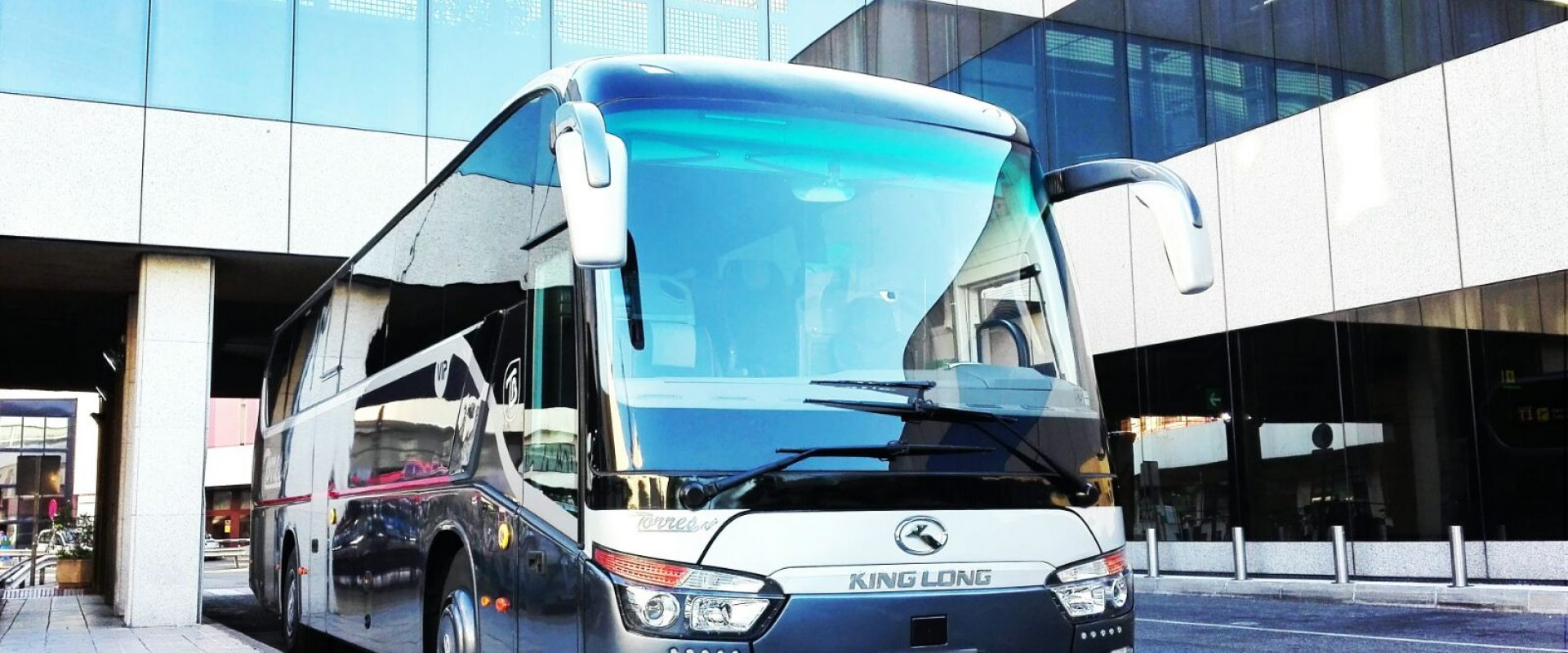

Picture this: you’ve just landed at Barajas, a group of colleagues or friends trailing behind you, and the clock is ticking for that important meeting or celebration. You’ve probably felt the panic of trying to juggle taxis, public transport, and a growing list of luggage.
That uneasy feeling is exactly why many people wonder how to book a private coach with driver in Madrid before they even set foot on the tarmac. It’s not just about getting from point A to B; it’s about arriving together, on time, and in comfort.
We’ll walk you through a simple, no‑nonsense process that turns that stress into a smooth, almost invisible transition. Think of it as a checklist you can pull out on your phone while you wait for luggage.
First, map out exactly what you need: the number of passengers, any special mobility requirements, and the schedule – whether it’s a quick airport hop or a full‑day sightseeing tour. Having those details in hand is the foundation for every later decision.
Next, match your needs to the right vehicle. Torres Bus, for example, runs everything from 7‑seat luxury vans to 70‑seat coaches, plus PMR‑adapted buses for wheelchair users. Choosing the right size saves money and avoids the awkward half‑empty bus feeling.
Then, verify the driver’s credentials and the company’s insurance. A reputable operator will gladly show you the driver’s license, vehicle registration, and proof of coverage – no hidden surprises. This step is especially crucial for corporate groups or wedding parties where safety is non‑negotiable.
Ask for a detailed quote that breaks down mileage, waiting time, fuel surcharge, and any optional extras like Wi‑Fi or onboard refreshments. A clear, written estimate prevents surprise fees when the invoice arrives.
Finally, lock in the reservation with a modest deposit and receive a confirmation email that includes the driver’s contact, vehicle plate, and a handy checklist for what to bring. A quick follow‑up a day before the trip can confirm any last‑minute changes.
Pro tip: book at least 48 hours in advance during peak travel seasons, and always ask for a direct line to the driver on the day of service – it saves a lot of back‑and‑forth. When you work with a local family‑owned fleet, you also get that personal touch, like a driver who knows the fastest lane to the conference centre.
So, the next time you need to get a group from the airport to a hotel, a stadium, or a historic town, you now know exactly how to book a private coach with driver in Madrid without the headache. Grab your phone, follow this checklist, and enjoy the ride.
TL;DR
Looking to skip airport chaos and land your group safely, here’s a cheat‑sheet on how to book a private coach with driver in Madrid. Just map your needs, pick the right sized vehicle, get a detailed quote, confirm the driver’s contact, and you’ll glide from Barajas to any venue hassle‑free.
Step 1: Determine Your Travel Needs and Budget
First thing’s first: you need to know exactly what you’re moving and how much you’re willing to spend. It sounds basic, but it’s the part that stops most people from ending up with a half‑empty coach or a surprise bill at the end of the day.
Ask yourself a few quick questions. How many passengers are you shuttling? Do any of them need a wheelchair‑accessible seat? What’s the luggage load – a couple of suitcases per person, sports gear, or maybe a few boxes of equipment for a film crew?
Write those numbers down. In our experience, a simple spreadsheet with columns for “Passengers”, “Special Needs”, “Luggage”, and “Estimated Hours” saves a lot of back‑and‑forth later on.
Budget basics you can’t ignore
Next, turn those numbers into a budget. Start with the obvious: the distance from Barajas to your venue. Add an hourly rate for any waiting time the driver might need to accommodate late flights or a post‑meeting coffee break.
Don’t forget the hidden costs – fuel surcharge, tolls, and optional extras like Wi‑Fi, on‑board refreshments, or a bilingual driver. A good rule of thumb is to add a 10‑15 % buffer for unexpected fees.
Here’s a quick checklist you can copy‑paste into your notes:
- Number of seats required (7‑seat van, 16‑seat minibus, 30‑seat coach, etc.)
- Mobility adaptations (PMR‑compliant vehicle?)
- Estimated mileage and travel time
- Waiting time allowance
- Fuel, tolls, and surcharge percentages
- Extras – Wi‑Fi, refreshments, luxury accessories
Speaking of luxury accessories, many travelers love to arrive looking polished. If you’re planning a VIP corporate shuttle, a sleek designer shoulder bag can make a subtle statement. Check out this guide on the pink designer shoulder bag for ideas that pair well with a premium coach experience.
Now that you have a rough figure, compare it to what the market typically charges. In Madrid, a 16‑seat minibus for an airport‑to‑hotel run usually sits between €120 and €180, while a full‑size coach can climb to €300 or more, depending on amenities.
When you’re juggling a corporate event or a wedding, remember that the cheapest option isn’t always the best. A slightly pricier coach with climate control and extra legroom can keep guests comfortable, which in turn reflects well on your event’s professionalism.
After you’ve nailed down the numbers, the next step is matching those needs to the right vehicle. That’s where a quick call to a local, family‑owned fleet like Torres Bus can clear up any doubts about capacity, accessibility, or driver qualifications.

Take a moment now to review your list. Does anything look off? Maybe you’ve over‑estimated luggage or forgotten a short stop for a museum tour. Adjust the figures, and you’ll walk into the booking conversation with confidence, knowing exactly what you need and how much you’re willing to invest.
Bottom line: a clear, written snapshot of passengers, special needs, mileage, and a budget buffer turns “I hope this works” into “I’ve got this covered”. Once you’ve completed this step, you’ll be ready to move on to selecting the perfect vehicle size and requesting a detailed quote.
Step 2: Choose the Right Coach Type and Capacity
Know your group size
First thing’s first – count the heads. A wedding party of 24, a corporate team of 12, or a school field trip of 48 each points to a different vehicle. If you’re unsure, grab a pen and write down every name on the guest list, then add a couple of extra seats for last‑minute changes. That simple spreadsheet saves you from the awkward moment when the driver shows up with a 16‑seat van and you’ve got 20 people waiting.
And don’t forget infants, strollers, or extra luggage. A family with a stroller might need a low‑floor minibus, while a sports crew hauling equipment will need a coach with a larger boot space.
Match capacity to comfort
Once you know the headcount, look at our fleet options. For groups of 7‑12, a luxury van gives you a cozy feel and easier parking in city streets. For 13‑25 passengers, a midsize coach strikes a balance between space and cost. Anything above 26 seats? Our 50‑ or 70‑seat coaches turn a long‑distance journey into a moving lounge.
In our experience, many event planners try to save a few euros by picking a smaller vehicle, only to end up paying extra for a second bus or for excessive waiting time. The math works out better when you choose the right size the first time.
Special needs and VIP touches
Do you have wheelchair‑bound guests? Our PMR‑adapted buses have ramps and secure straps, so you won’t have to scramble for a last‑minute solution. If you’re planning a VIP corporate outing, consider a coach with climate control, on‑board Wi‑Fi, and a mini‑bar. Those extras don’t just look fancy – they keep executives productive and guests comfortable.
Think about language too. A bilingual driver can make a difference for international delegations. It’s a small detail that turns a good experience into a memorable one.
Cost‑per‑seat calculations
Take the total quoted price and divide it by the number of passengers. A 20‑seat coach at €1,200 works out to €60 per head. If you tried to split a 70‑seat coach among 20 people, the per‑head cost would drop to €34, but you’d be paying for a lot of empty seats. Use a quick spreadsheet: total price ÷ passenger count = cost‑per‑seat. Compare that number across the vehicle options you’re considering.
Don’t forget hidden fees – waiting time beyond the agreed window, fuel surcharges, or tolls. Write them down in a column so you can see the true cost difference between a 16‑seat minibus and a 25‑seat coach.
Quick decision checklist
- Passenger count (include infants, luggage, equipment)
- Special accessibility or VIP requirements
- Desired comfort level (luxury van vs. standard coach)
- Estimated cost‑per‑seat after fees
- Driver language and extra services needed
Run through this list with your team or client, and you’ll have a clear picture of the right coach type and capacity. If the numbers still feel fuzzy, ask the provider for a side‑by‑side quote that breaks down each line item – that’s the fastest way to avoid surprise charges on the day of travel.
So, what’s the next move? Take your passenger count, match it to the vehicle tier that meets any special needs, run the cost‑per‑seat math, and lock in the coach that fits both budget and comfort. It’s a straightforward process, and once you’ve nailed the right size, the rest of the booking – driver credentials, insurance, and confirmation – becomes a breeze.
Step 3: Verify Licenses and Driver Credentials
Alright, you’ve sized the bus and nailed the price – now it’s time to make sure the person behind the wheel is legit. A missing licence or an expired insurance paper is the kind of surprise nobody wants on the day of a wedding or a corporate roadshow.
Ask for the driver’s licence and professional permit
First thing you should request a clear copy of the driver’s commercial licence (the “carta de conducir” for buses). In Spain the licence must be a “Clase D” or “Clase D1” depending on vehicle size. If the driver is also handling a VIP or corporate client, a “carta de conducir con autorización de transporte de viajeros” is the gold standard.
Ask them to show the licence in person or send a scanned copy. A quick glance at the expiry date, the licence number and the issuing authority (Dirección General de Tráfico) tells you if you’re dealing with a qualified professional.
Check the vehicle registration and roadworthiness documents
Next, ask for the vehicle’s registration certificate (Permiso de Circulación) and the ITV (Inspección Técnica de Vehículos) report. The ITV must be up‑to‑date – usually within the last six months for commercial coaches. This paper proves the bus has passed safety checks for brakes, lights and emissions.
Tip: a reputable company like Torres Bus will have a digital dashboard where you can view these documents instantly. If they can’t produce them, walk away.
Confirm insurance coverage
Every passenger‑transport operator in Spain is required to hold a civil liability insurance policy that covers at least €1 million per incident. Request a copy of the policy or the insurance certificate and verify the coverage dates match your travel window.
Don’t forget the “accident de viaje” add‑on if you’re transporting a large group – it protects passengers in case of a mishap during the journey.
Validate driver language skills and special requirements
If you need a bilingual driver for an international delegation, ask for a short video or a spoken sample. It’s a simple way to confirm fluency and confidence.
For groups with reduced mobility, make sure the driver has documented training on operating the wheelchair ramp and securing the chair. This is often listed on the driver’s competency sheet.
Quick verification checklist
| Item | What to Check | Why It Matters |
|---|---|---|
| Driver licence | Clase D / D1, expiry date, DGT number | Ensures legal authority to operate a coach |
| Vehicle registration & ITV | Current Permiso de Circulación, ITV report ≤6 months old | Guarantees roadworthiness and safety compliance |
| Insurance certificate | Liability coverage ≥€1 M, dates match trip | Protects you and passengers financially |
| Language & training | Bilingual sample, PMR‑handling certification | Delivers smooth communication and accessibility |
So, what should you do right after you get these papers? Put them side‑by‑side in a simple folder, mark any missing items in red, and send a quick “all clear” email to the provider. If anything looks off, ask for clarification immediately – it’s far easier than chasing a replacement driver at the last minute.
In our experience, the most common hiccup is an outdated ITV sticker. A quick phone call to the company’s fleet manager usually solves it, but only if you’ve asked for the document up front.
Finally, keep a digital copy of everything on your phone and a printed version in your travel folder. When you arrive at Barajas, you’ll have the driver’s licence, the bus plate number and the insurance details handy – just in case the airport security asks for proof.
By following these steps, you turn a potential risk into a checked box on your planning spreadsheet, and you can focus on the fun part: getting everyone from the airport to the venue on time and stress‑free.
Step 4: Request Quotes and Compare Services
Now that you know how many seats you need and you’ve checked the driver’s paperwork, it’s time to bring the numbers to life.
Getting a quote isn’t just about a price tag; it’s your first chance to see how transparent a provider really is.
Ask for a detailed, line‑by‑line estimate
Send a short email that lists every element you care about: mileage, waiting time, fuel surcharge, tolls, insurance, Wi‑Fi, and any special amenities like a mini‑bar or wheelchair ramp.
Here’s a template you can copy‑paste:
“Hi, we’re planning a group transfer from Barajas to the conference centre on 15 May, 12‑people, 2 luggage pieces each, with a bilingual driver and on‑board Wi‑Fi. Could you please send a detailed quote breaking down mileage, fuel, tolls, waiting time, and any extra fees?”
When the provider replies, make sure each line has a clear unit and a total. If you see “extra fees” without a description, flag it immediately.
Collect at least three quotes
Even if you have a favourite company, pulling three offers lets you spot hidden costs and gives you bargaining power.
In our experience, a midsize coach from a local family‑owned fleet usually lands in the €1,200‑€1,500 range for a 50‑km round‑trip, while a national chain might quote €1,800 because they bundle marketing fees.
Real‑world example: an event planner in Madrid needed a 20‑seat van for a wedding rehearsal. She got three quotes – €780, €845, and €950. After a quick call, the €845 provider dropped the fuel surcharge by €50, ending up the best overall value.
Build a comparison table
Put the numbers side by side in a simple spreadsheet. Use columns for:
- Base price
- Mileage charge
- Waiting time (per hour)
- Fuel & tolls
- Insurance coverage
- Extras (Wi‑Fi, wheelchair ramp, driver language)
- Total cost
- Notes column for qualitative factors – driver punctuality, vehicle age, or whether the company offers a 24‑hour support line.
Then add a “notes” column for qualitative factors – driver punctuality, vehicle age, or whether the company offers a 24‑hour support line.
Check the fine print
Look for cancellation policies. A 24‑hour notice fee of €100 is common, but some operators waive it if you’ve paid a deposit.
Also verify whether the quote includes “all‑inclusive” insurance. In Spain, a minimum of €1 million civil liability is mandatory, but a higher limit protects your group if anything goes wrong.
Ask the right follow‑up questions
Don’t be shy – a good provider will welcome clarification. Try questions like:
- “What happens if traffic adds more than 30 minutes to the journey?”
- “Can the driver pick us up at a different address if a flight is delayed?”
- “Is there a backup vehicle if the bus breaks down?”
When a company answers confidently, you’ve found a partner who’s used to handling the unpredictable nature of airport transfers.
Factor in the intangible
Sometimes the cheapest quote isn’t the smartest choice. A driver who speaks both Spanish and English can smooth communication for international guests, saving you awkward translation moments.
A coach with air‑conditioning and reclining seats will keep your group comfortable on a hot July day, which translates into better moods and fewer complaints.
Make a final decision and lock it in
Once you’ve weighted price against service, send a short confirmation email that restates the agreed total, the deposit amount, and the payment schedule.
Ask for a written confirmation that includes the driver’s name, vehicle registration, and a direct phone number. Keep that email in a folder titled “Madrid Coach Booking” – it’s your safety net on the day of travel.

Pro tip: set a reminder to re‑check the quote 48 hours before the trip. Prices can shift if fuel rates change, and a quick “just confirming the total” email can lock the original amount.
By following these steps, you turn the quote‑getting stage from a guessing game into a clear, data‑driven decision. You’ll know exactly what you’re paying for, avoid surprise fees, and walk into the pickup point with confidence.
Step 5: Book Online or By Phone and Confirm Details
Now that you’ve got the right vehicle and the paperwork in order, the next hurdle is actually locking the reservation. It sounds simple, but there are a few tricks that turn a “maybe” into a firm “yes” without any last‑minute panic.
Choose your booking channel
Most of our clients start on the phone because they like hearing a friendly voice confirm the details right away. A quick call lets you ask follow‑up questions – “What if my flight lands 30 minutes late?” or “Can the driver meet us at the arrivals hall?” – and get an immediate answer.
If you’re comfortable with a few clicks, the online portal does the same thing and also creates a digital paper trail. You’ll get an automated summary email the moment you hit “confirm”, which is handy if you need to forward the info to a colleague.
Pro tip: when you book online, look for a “live chat” widget. It’s basically a real‑time version of the phone call, and you can paste the quote you received earlier to make sure the numbers match.
Step‑by‑step checklist for the call or web form
- Say the exact date, time and pick‑up address (including terminal or gate if it’s an airport).
- State the drop‑off location with any special instructions (e.g., “use the loading dock at the conference centre”).
- Repeat the vehicle type you’ve chosen and confirm it has the amenities you need – Wi‑Fi, wheelchair ramp, bilingual driver, etc.
- Ask for the driver’s full name, mobile number and the bus’s registration plate.
- Confirm the total price, the deposit amount and the payment method (card, bank transfer or cash).
- Request a written confirmation that includes all the above details plus a 24‑hour contact for emergencies.
In practice, here’s how it plays out for a corporate client. Maria from a tech startup needed a 20‑seat coach for a product launch on a Tuesday morning. She called us, gave the flight number, and we immediately pulled the driver’s schedule. The agent wrote down the driver’s name, Carlos, and his direct line, then read back the total €1,350, €300 deposit, and the fact that the bus would wait up to 45 minutes after the scheduled arrival. Maria got an email with a PDF attachment that listed everything line‑by‑line – no hidden fees, no mystery charges.
Another example: an event planner arranging a wedding rehearsal wanted everything online because she was juggling three vendors at once. She used our booking page, selected the “Luxury Van” option, typed in the airport code and the hotel address, and clicked “confirm”. Within seconds the system generated a confirmation screen showing the driver’s contact, the vehicle plate “AB‑1234‑CD”, and a tiny note that said “Free waiting up to 30 minutes”. She printed that page and slipped it into her event folder.
Double‑check the details 24 hours before
Even after you’ve got that shiny confirmation, a quick “just confirming” email the day before can save you from a price shift or a driver’s schedule change. Most companies will gladly resend the quote if you ask, and it gives you a chance to verify the flight status one more time.
When you write that reminder, copy the original confirmation and add a line like “Please confirm the total amount and that the driver will still be Carlos on 12 May”. If you get a reply with “All good”, you can breathe easy. If something has changed, you still have time to negotiate or switch.
What to do if something looks off
Spot a typo in the address? Call right away. See a different driver name than you expected? Ask for clarification. A mismatch in the vehicle type? Insist on a written amendment before you pay the deposit. These small checks are your safety net; they’re easier than scrambling at the airport.
And remember, the confirmation email is more than a receipt – it’s the document you’ll show to security or the venue if they ask for proof of transport. Keep a digital copy on your phone and a printed version in a folder titled “Madrid Coach Booking”.
By following these simple, concrete steps, you turn the booking phase from a vague promise into a concrete plan that you can trust. In our experience, the groups that double‑check and keep a tidy record arrive at the pickup point with a smile, not a sigh.
Ready to lock in your coach? Rent a Bus for Madrid Airport Transfer and start the confirmation process today.
Step 6: Payment, Insurance, and Cancellation Policies
Alright, you’ve got the coach size, the driver’s licence, and the quote in hand. Now the real money talk begins, and that’s where a lot of travelers trip up.
Pick a payment method that fits your workflow
Most companies in Madrid accept credit cards, bank transfers, or even PayPal for smaller groups. If you’re a corporate planner, ask for an invoice so you can file it straight to accounting – it saves a back‑and‑forth email chain later.
Tip: put a small note in the email confirming the exact amount, the currency (euros), and the deadline for the deposit. A quick “We’ll transfer €300 by Friday” eliminates any guesswork.
What the insurance really means for you
Every reputable operator, including Torres Bus, carries a civil‑liability policy of at least €1 million. That number sounds big, but it’s the baseline the Spanish law requires for passenger transport.
Ask for a copy of the certificate before you sign anything. Look for the coverage dates matching your trip, and check whether the policy includes “accident de voyage” – an extra layer that protects passengers if something goes wrong on the road.
If you’re moving a wedding party or a high‑value corporate team, you might want to negotiate a higher limit. It’s a simple email: “Can we raise the liability to €2 million for added peace of mind?” Most family‑run fleets are happy to accommodate.
Decode the cancellation policy before you click “confirm”
Here’s where the fine print can bite. A typical clause says you can cancel up to 48 hours before departure for a full refund, but anything later might cost you 30‑50 % of the total. Some operators even charge a flat €100 fee if you cancel on the day of travel.
Write down the key dates in your calendar: the “free‑cancel” deadline, the “partial‑refund” window, and the final “no‑refund” cutoff. When you send a confirmation email, copy those dates right into the body – “We’re good for a full refund if you cancel by May 10, 2025.” It makes it crystal‑clear for both sides.
And remember: if the provider promises a “no‑penalty” change for flight delays, get that in writing. A vague “we’ll work with you” can turn into a costly surprise when the plane lands late.
Quick checklist before you hit “pay”
- Deposit amount and payment due date clearly stated.
- Full insurance certificate attached, covering the exact travel dates.
- Cancellation timeline broken into free, partial, and no‑refund periods.
- Contact details of the driver and a backup vehicle policy.
- Written acknowledgement from the provider that the quoted total won’t change unless you request extra services.
When you tick all those boxes, you’ve turned a potentially stressful step into a smooth part of how to book a private coach with driver in Madrid.
In our experience, a quick “just confirming everything is set” email the day before the trip saves you from last‑minute headaches. The driver will reply with a short “All good”, and you can relax knowing you’ve covered payment, insurance, and cancellation from every angle.
So, grab your spreadsheet, copy the checklist above, and send that final email. Once the deposit clears, you’re officially locked in – and the only thing left is to enjoy the ride.
Conclusion
We’ve walked through every piece of the puzzle, from sizing the coach to locking in the driver’s licence, so you can breathe easy when the day arrives.
Remember, the sweet spot is a clear checklist, a written quote, and a quick confirmation email the night before. Those three habits have saved our event‑planner clients countless headaches – and they work just as well for corporate roadshows or a wedding party.
So, what’s the next step? Grab that spreadsheet, copy the final checklist, and hit send. Once your deposit clears, you’re officially locked in and the only thing left is to enjoy the ride.
In our experience, a short “All set” reply from the driver is worth its weight in gold. It tells you the driver’s name, the plate number, and that the vehicle matches the amenities you asked for – Wi‑Fi, wheelchair ramp, or a mini‑bar.
Does this feel overwhelming? Not at all. Break it down into the same bite‑sized actions we’ve laid out, and you’ll see how simple “how to book a private coach with driver in Madrid” really is.
Ready to turn those plans into reality? Just follow the steps, keep the paperwork tidy, and let the road take you where you need to go.
FAQ
What’s the first thing I should do when I start to figure out how to book a private coach with driver in Madrid?
Start by writing down the basics: date, pick‑up and drop‑off addresses, number of passengers (including any infants or bulky luggage) and any special needs like wheelchair access or on‑board Wi‑Fi. A simple spreadsheet or notes app works fine.
Once you have that list, you can match it to the fleet sizes we offer – from 7‑seat luxury vans to 70‑seat coaches – and you’ll instantly see which vehicle tier fits your group.
How can I verify that the driver is qualified and the bus is safe?
Ask for a clear copy of the driver’s commercial licence (Clase D or D1) and the vehicle’s registration certificate plus the latest ITV inspection report. In Spain the ITV must be no older than six months for commercial coaches.
We always keep these documents on a digital dashboard, so you can view them instantly. If anything looks out of date, request an updated copy before you sign the contract.
What should I look for in a written quote to avoid hidden fees?
A good quote breaks every cost down line by line: base price, kilometre charge, waiting time, fuel surcharge, tolls, insurance, and any extras such as a mini‑bar or bilingual driver. Make sure the total includes “all‑inclusive” civil‑liability insurance (minimum €1 million).
Copy the numbers into a quick spreadsheet and compare at least three providers. The cheapest headline price often hides extra fees, so the line‑by‑line view is your safety net.
Can I change the pick‑up time if my flight is delayed?
Yes, but you need a clear policy up front. Ask the provider whether they offer a “free‑delay” clause and how long they’ll wait without charging extra. Most of our clients get a 30‑minute grace period built in, and any additional waiting time is billed per hour.
When you get confirmation, write the exact delay allowance into the email chain – that way you have written proof if the driver calls you on the day.
How do I handle accessibility needs, like a wheelchair‑bound passenger?
Look for a PMR‑adapted bus with a ramp and secure straps. Ask the driver for a short video or photo showing the ramp in action, and confirm they’ve received training on securing a wheelchair safely.
In our experience, a quick call to the fleet manager confirming the ramp’s recent inspection saves a lot of last‑minute scrambling at the airport.
What payment method works best for corporate bookings?
Most companies prefer a bank transfer followed by an invoice, because it integrates smoothly with accounting systems. Credit cards are fine for smaller groups, but always ask for a written receipt that lists the deposit amount, due date and the total agreed price.
Copy those details into a confirmation email and ask the provider to acknowledge them. A clear paper trail protects you if there’s a dispute later on.
What’s the best way to cancel or reschedule without losing a big chunk of money?
Check the cancellation timeline in the contract: usually you get a full refund up to 48 hours before departure, a partial refund (30‑50 %) up to 24 hours, and no refund after that. Write those dates into your calendar and set a reminder to send a “just confirming” email the day before the free‑cancel deadline.
If you need to shift the date, ask whether the provider can apply the deposit to a new booking – many family‑run fleets are flexible if you give them enough notice.