
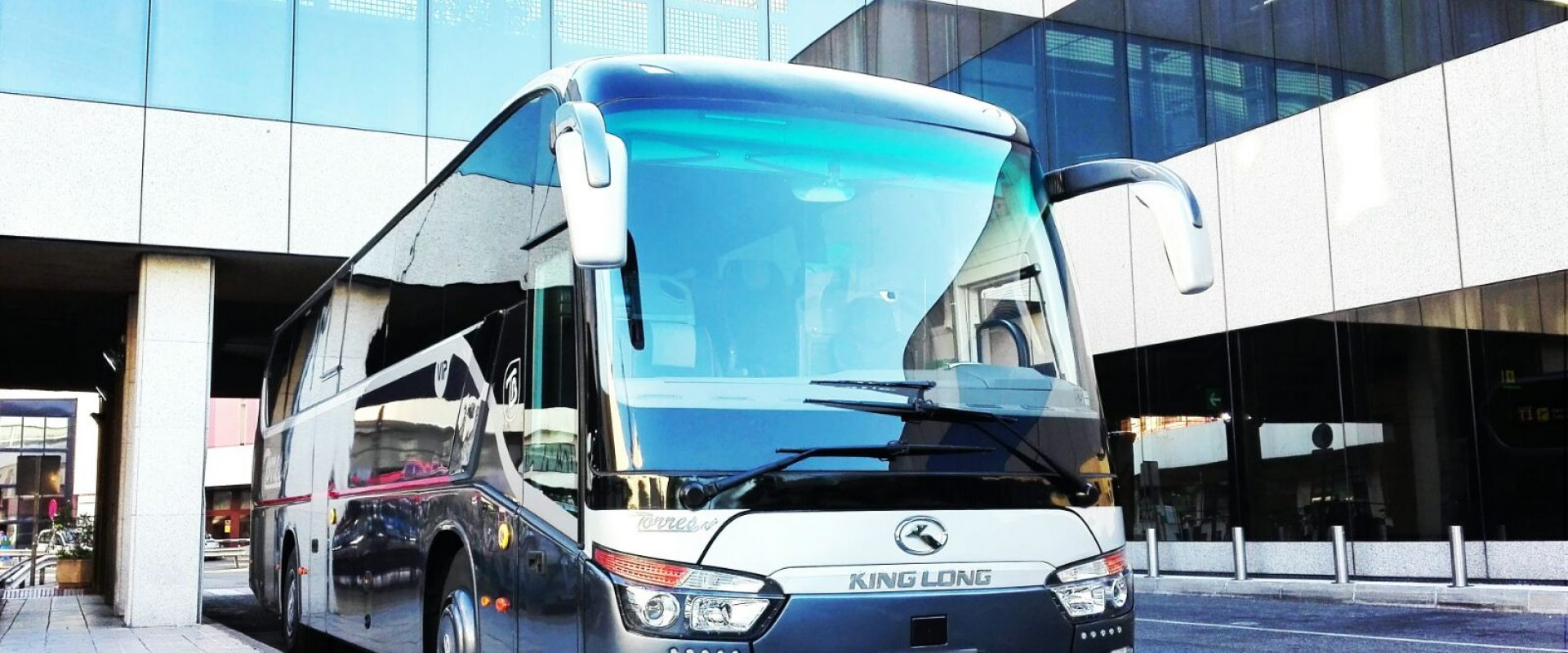

Ever found yourself juggling a wedding guest list, a corporate off‑site, and a last‑minute airport run, all while wondering how to get everyone from point A to B without turning it into a logistical nightmare?
If you’ve ever thought, “I wish there was a simple way to rent a comfortable, reliable bus in Madrid,” you’re not alone – many of us have stood at the curb, staring at a sea of tiny vans and wondering if there’s a better option.
That’s where the idea of alquilar autocar en Madrid comes in handy. Instead of patching together a fleet of cramped minibuses, you can book a single, modern coach that fits your group size, from an intimate 7‑seat van for a family reunion to a 70‑seat luxury bus for a big corporate tour.
Picture this: you’re on a sunny afternoon, the coach doors swing open, and your guests step onto plush seats with USB chargers, climate control, and even wheelchair‑accessible ramps if needed. The driver, a seasoned professional, handles the traffic while you focus on the event agenda.
Sounds too good to be true? It’s actually more affordable than you think because you pay for one vehicle, one driver, and a flat rate that covers fuel, insurance, and all the little extras that make a journey pleasant.
At Torres Bus, the family‑run company with over 30 years of experience, the process of alquilar autocar en Madrid is as easy as ordering a taxi. You call or fill out a quick online form, tell them the date, the number of passengers, and any special requirements – like a corporate logo on the side or a speaker system for a roadshow – and they handle the rest.
But what if you’re not sure which size coach you need? A good rule of thumb is to add one extra seat per ten passengers for comfort, or simply ask the team; they’ll suggest a vehicle that matches your itinerary, whether it’s a day trip to Toledo, an airport transfer to Barajas, or a multi‑day tour across Spain.
So, whether you’re planning a sleek corporate shuttle, a memorable wedding procession, or a school field trip, alquilar autocar en Madrid gives you the peace of mind that everyone arrives together, on time, and in style.
TL;DR
Alquilar autocar en Madrid skips the logistics nightmare, giving you one comfortable coach together that arrives on time, equipped with Wi‑Fi, USB chargers, and optional wheelchair access.
Just tell Torres Bus your date, passenger count, and any special needs; they handle everything so you can truly enjoy the journey peacefully today.
Step 1: Define Your Transport Needs
Before you even think about dialing a number, take a minute to picture the whole journey. Are you shuttling a bridal party from the hotel to the cathedral? Or maybe you’ve got a tech team hopping between conference rooms and the airport? The first thing we do when we help you alquilar autocar en Madrid is nail down exactly what you need, because every extra detail saves you time, stress, and sometimes a few euros.
1. Size up the crowd
Start with a headcount. Write down the number of guests, plus a safety cushion – we usually add one seat for every ten passengers. That little buffer prevents that awkward “sorry, we’re over capacity” moment when the doors close.
Real‑world example: Ana was planning a corporate off‑site for 38 employees. She booked a 40‑seat coach, which left two empty seats for last‑minute joiners and a wheelchair‑accessible space for her colleague with reduced mobility. The extra room felt like a thoughtful touch, and no one had to stand.
2. Map out the itinerary
Write down every stop, the start time, and the expected finish time. Include travel distance, because Torres Bus explains how pricing depends on distance and duration. A simple city hop might be a few hundred euros, whereas a multi‑day trek to Toledo adds fuel, driver meals, and possibly overnight parking.
Tip: If you have a flexible window, shift the start time by an hour or two. Off‑peak hours often shave a few hundred euros off the bill, especially in summer when demand spikes.
3. List special requirements
Do you need Wi‑Fi for a live presentation? USB chargers for phones? A wheelchair ramp? Maybe a speaker system for a wedding DJ? Write each need down, no matter how small.
For instance, a school field trip to Segovia required two wheelchair‑adapted seats and a built‑in PA system for the guide’s commentary. Torres Bus’s fleet includes PMR‑adapted coaches, so flagging that early guarantees a seamless experience.
4. Budget sanity check
Once you have the basics, sketch a rough budget. Remember the three cost drivers:
- Vehicle size and amenities (standard vs. VIP)
- Distance and service length
- Extra services (peajes, parking, driver diet)
Even a ballpark figure helps you decide whether a 16‑seat minibus or a 55‑seat coach makes sense. And because every company prices a bit differently, get at least three quotes before you sign.
5. Create a quick checklist
Here’s a cheat‑sheet you can copy‑paste into a note or email:
- Exact passenger count (incl. buffer)
- Full route with times and mileage
- Special equipment (Wi‑Fi, USB, wheelchair, audio)
- Desired vehicle class (standard, luxury, VIP)
- Preferred dates/times (flexible options?)
Having this list ready turns a vague phone call into a focused conversation, and you’ll get a quote that matches your reality, not a generic estimate.
And remember, the sooner you lock down these details, the better the price. Many providers, including Torres Bus, offer early‑bird discounts for bookings made weeks in advance.
Feeling a bit overwhelmed? That’s normal. Defining transport needs is the foundation that makes the rest of the process feel like a walk in the park rather than a maze.
Take a breath, grab a coffee, and run through the checklist. In a few minutes you’ll have a crystal‑clear brief that any coach company can turn into a smooth, on‑time ride for your whole group.

Step 2: Choose the Right Vehicle Size and Type
Okay, you’ve nailed down how many people are coming and where you’re going. The next puzzle piece is the vehicle itself – because a 7‑seat van feels cramped for a wedding party of 30, and a 70‑seat coach is overkill for a small corporate briefing.
So, what should you actually look at? It’s not just the seat count. Think about luggage space, accessibility, on‑board tech, and the vibe you want to create for your guests.
Know Your Passenger Load
Start with the hard numbers: total passengers plus a buffer. Most planners add one extra seat per ten guests to cover last‑minute add‑ons or a wheelchair space. If you have 42 guests, a 45‑seat coach gives you breathing room without feeling empty.
Don’t forget crew. Drivers need a break, and some tours require a guide. Adding a seat for a guide or a small sound‑system operator can save you a scramble later.
Match Vehicle Classes to Needs
Torres Bus groups its fleet into clear categories – from intimate 7‑seat vans for boutique groups, up to 70‑seat luxury coaches for big events. Choosing the Right alquiler autocar con conductor Madrid breaks down which class fits which scenario, so you can pick the sweet spot without guessing.
Standard minibuses (9‑15 seats) work great for school trips or airport shuttles where you only need a few suitcases. Mid‑size coaches (16‑34 seats) are the workhorse for day‑trips to Toledo or Segovia – they have enough room for luggage, a small kitchenette, and USB chargers. Full‑size coaches (35‑60 seats) shine at conferences, festivals, or multi‑day corporate roadshows where you want a lounge‑like atmosphere.
Real‑World Scenarios
Imagine Ana’s corporate off‑site: 38 employees, two laptops, a portable projector, and a few guests with reduced mobility. She chose a 40‑seat coach with a dedicated wheelchair‑adapted space and built‑in Wi‑Fi. The extra seats covered a late‑joining colleague, and the tech kit kept the presentation smooth.
Now picture Luis’ wedding reception: 55 guests, a bridal party that needs a few extra seats for grandparents, plus a sound system for the DJ. He went for a 60‑seat VIP coach equipped with a premium sound system and climate control. The guests arrived feeling like they were stepping into a moving lounge, and the driver could park right at the historic venue without a hassle.
For a university field trip to Ávila (about 30 students plus chaperones), a 34‑seat coach with extra luggage space and a rear‑view camera proved ideal – the driver could navigate narrow medieval streets safely, and the students had enough room to stretch.
Data‑Driven Decision
Pricing tables show that a full‑day hire of a 16‑seat minibus in Madrid typically ranges from €400 to €750, while a 40‑seat coach sits around €550‑€1,000 for an eight‑hour window, extra kilometres costing €1.50‑€3 per km according to recent price listings. Knowing these bands helps you match budget to vehicle size before you even call a provider.
Actionable Checklist
- Count passengers + 1 seat per 10 guests.
- Add a seat for driver break, guide, or extra equipment.
- Identify special needs: wheelchair access, Wi‑Fi, audio, climate control.
- Map luggage volume – a coach needs roughly 0.15 m³ per suitcase.
- Match your count to a vehicle class (van, minibus, mid‑size coach, full‑size coach).
- Cross‑check price ranges for your chosen class and calculate extra‑km cost.
- Request a detailed quote that lists all inclusions (driver meals, parking, tolls).
Once you tick these boxes, you’ll have a crystal‑clear brief that turns a vague phone call into a focused conversation – and you’ll land a bus that feels tailor‑made, not a one‑size‑fits‑all rental.
Bottom line: the right size and type isn’t just about seats; it’s about comfort, accessibility, and the little extras that make your group feel taken care of. Pick wisely, and your “alquilar autocar en Madrid” experience will glide as smoothly as the coach on the highway.
Step 3: Compare Pricing and Services
Now that you know how many seats you need and which vehicle class fits, the next thing that trips most planners up is making sense of the price sheet. It’s not just a line that says €750 – there are a handful of levers you can pull to get more value.
First, break the quote down into three buckets: base hire, distance‑related fees, and optional extras. The base hire is the flat rate for the vehicle and driver for the agreed time block. Distance fees cover any kilometres beyond the included mileage – most Madrid operators charge €1.50‑€3 per extra km. Optional extras can be anything from Wi‑Fi, onboard audio, climate control upgrades, to driver meals or parking permits.
Why does this matter? Because two companies can quote the same total price, but one might be charging you for Wi‑Fi that you don’t need, while the other bundles it in for free. Spotting those differences lets you trim the fat.
Here’s a quick way to compare:
| Provider | Base Hire (8‑hr) | Extra km rate | Included Extras |
|---|---|---|---|
| Provider A | €600 | €2.00 | Wi‑Fi + USB chargers |
| Provider B | €550 | €2.50 | None |
| Provider C | €620 | €1.80 | Wi‑Fi + Climate control |
Step‑by‑step, pull the numbers into a simple spreadsheet. List each provider, plug in your expected kilometres (say 120 km for a round‑trip to Toledo), and calculate the extra‑km charge. Add any add‑ons you actually need. The row with the lowest total is your starting point, but don’t stop there.
Second, look at service level. A lower price might hide a less experienced driver, older vehicle, or fewer safety checks. Torres Bus, for example, highlights a modern fleet with routine inspections and drivers trained in first‑aid – that peace of mind often justifies a few euros more per hour.
Real‑world example: Marta was organising a wedding shuttle for 45 guests. Provider X quoted €800 total but listed Wi‑Fi as an extra €80 and driver meals €30. Provider Y quoted €770 flat, with Wi‑Fi and meals already included. After doing the math, Marta saved €40 and avoided hidden fees by picking Y.
Third, ask about hidden costs. Toll fees, parking at the venue, and even a small “clean‑up” surcharge can pop up after you sign. Request a line‑item breakdown before you sign the contract. If the provider can’t give you one, that’s a red flag.
Tip: negotiate the mileage cap. If your itinerary includes a few detours, let the company know up front and see if they can raise the included kilometres for the same price. Many Madrid operators are happy to adjust the package rather than charge per kilometre.
Fourth, match services to your event’s vibe. A corporate roadshow might need a built‑in projector screen and premium sound, while a family reunion only needs comfortable seats and a restroom stop. Write down the must‑haves, then cross‑check each quote’s “included extras” column.
Checklist you can print and take to the phone call:
- Exact passenger count (including buffer)
- Total expected kilometres
- Required amenities (Wi‑Fi, audio, wheelchair access)
- Desired vehicle class
- Any discount codes or off‑peak windows
- Confirmation of all fees in writing
Finally, lock in the price with a written agreement that states the exact services, mileage allowance, and any agreed‑upon discounts. A signed quote protects you if the driver shows up with a different vehicle or if the kilometre count suddenly spikes.
Bottom line: comparing pricing isn’t just about the lowest number. It’s about aligning cost with the right mix of vehicle condition, driver professionalism, and the specific services that make your group feel taken care of. When you line those pieces up, alquilar autocar en Madrid becomes a smooth, predictable part of your event planning.
Step 4: Book the Bus and Verify Details
Alright, you’ve nailed the numbers, you’ve matched the vehicle, and the quote sits nicely on your desk. Now it’s time to lock it in – and that’s where the real peace of mind starts.
Pick the right moment to call
Most of us wait until the last minute because we think we’ll save a few euros. Trust me, that rush usually costs more in stress. Grab your checklist (the one you printed in Step 3) and give Torres Bus a call during their business hours. A calm, early‑morning chat means the driver’s schedule is still flexible and you’ll hear a clear “yes” rather than a rushed “maybe”.
And if you prefer typing, their online form works just as well – you get an instant confirmation email that you can print and file away.
Confirm the basics, then the extras
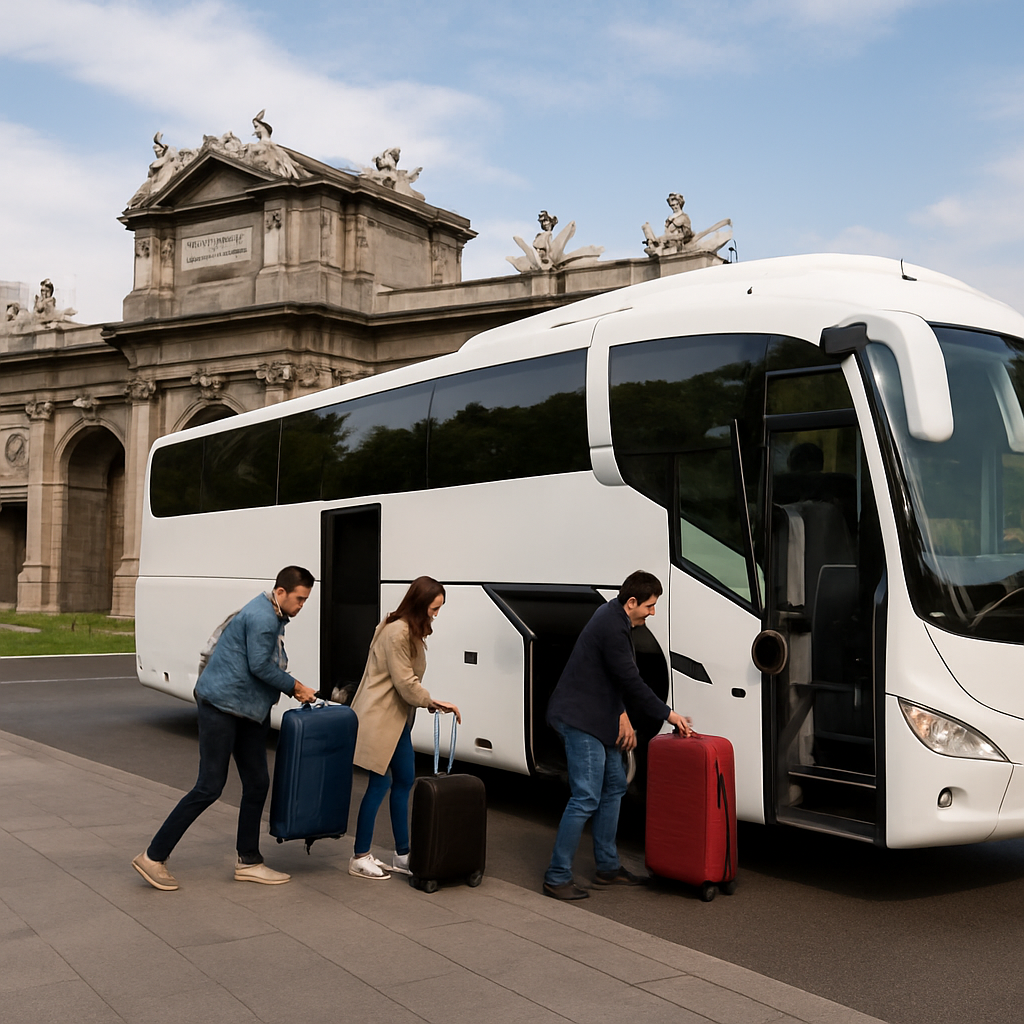
When the representative asks for details, repeat everything back: date, start‑time, exact passenger count, vehicle class, and any special amenities – Wi‑Fi, wheelchair ramp, climate control, even a speaker system for that wedding DJ. Saying it twice feels a bit redundant, but it catches the occasional typo before it becomes a day‑of surprise.
Ask them to spell out the mileage allowance. Some companies bundle 200 km, others give you 100 km and charge per extra kilometre. Knowing the exact number helps you budget for a detour to a nearby museum or a quick coffee stop.
Get it in writing – no “verbal only” myths
Here’s the part most people skip: a written agreement. It should list the vehicle registration, driver’s name, insurance coverage, and every fee you’ve agreed to – base hire, extra kilometres, driver meals, parking permits, and any discount you negotiated.
Print the PDF, sign it, and send it back. If you receive a PDF with blank spaces, call them back and ask for a fully completed version. A signed quote is your safety net if the driver shows up with the wrong bus or tries to add hidden charges later.
Verify the driver’s credentials
Torres Bus prides itself on professional drivers with first‑aid training and clean driving records. A quick question like, “Can I see the driver’s licence and insurance proof before the trip?” shows you’re serious about safety, and they’ll gladly share it – it’s part of their 24/7 support promise.
And while you’re at it, confirm the driver’s contact number. A quick text the night before can avoid a “I’m stuck in traffic” mystery on the day of the event.
Double‑check the vehicle condition
Ask for a photo of the actual coach that will be assigned to you. Modern fleets usually have spotless interiors, working USB ports, and clean restrooms. If you notice a dent or a missing seat, flag it now. Most companies will swap the bus without a hassle.
Remember, a well‑maintained bus isn’t just about looks – it’s about fuel efficiency and lower emissions. In fact, Torres Bus highlights that using energy‑efficient buses dramatically cuts CO₂ output and eases city congestion, making your trip greener and often cheaper according to their sustainability page.
Set a reminder for the final confirmation
Two days before the event, send a short “just confirming” email. Quote the booking reference, date, and pickup location. This tiny step forces the provider to reconfirm everything and gives you a chance to ask any last‑minute questions – like “Will the driver need a specific parking pass at the venue?”
If anything looks off, now’s the time to correct it. A quick tweak now saves you from a scramble on the day of the event.
What to do on the day of
Arrive at the pickup point a few minutes early, greet the driver, and do a rapid walk‑through. Check that the seats match the layout you approved, that Wi‑Fi lights up, and that the restroom is stocked. A thumbs‑up from you signals the driver that everything’s good to go.
Finally, keep the signed agreement in the passenger’s bag or on your phone. If a question pops up later – say, an unexpected toll – you have the paper trail to resolve it quickly.
Bottom line: booking isn’t just dialing a number; it’s a series of tiny checks that turn a good quote into a flawless experience. Follow these steps, and you’ll walk away knowing your group’s transport is locked, loaded, and ready to roll.
Step 5: Prepare for the Trip and Optimize the Experience
Confirm the details (and give yourself a safety net)
Now that your bus is booked and the driver’s name is on the contract, the real magic starts when you turn a plain ride into a smooth, worry‑free experience for every passenger.
Two days before the event, fire off a quick “just confirming” email. Quote the booking reference, date, pickup address, and ask for the driver’s direct phone number. This tiny step forces the provider to double‑check everything and gives you a chance to flag last‑minute questions – like whether the venue needs a special parking permit.
Does it feel a bit overkill? Think of it as a pre‑flight checklist; a short pause now saves you from a scramble on the day.
Test the tech before you board
Wi‑Fi, USB chargers, and the onboard PA system are the unsung heroes of a happy group. The night before, ask the driver to power on the bus and run a quick speed test on the Wi‑Fi. If the signal drops below a decent threshold, you can request a portable hotspot or an upgrade without the embarrassment of a dead connection mid‑presentation.
And while you’re at it, plug a phone into each USB port to make sure the cables actually work. A quick “plug‑and‑play” test prevents that awkward moment when someone’s phone dies during a wedding toast.
Fine‑tune comfort and layout
Arrive at the pickup point a few minutes early and do a rapid walk‑through. Check that the seat configuration matches the layout you approved – extra seats for grandparents, a wheelchair‑adapted space, or a small table for a speaker’s notes.
Take a seat yourself. Does the climate control keep the air at a comfortable 22 °C? Is the lighting bright enough for reading but not harsh for a nap? Small adjustments now (like moving the vent or asking the driver to set a different temperature) make the whole journey feel personalized.
Do you remember the last time a bus restroom was empty? Bring a few spare hand‑sanitiser packets and a small trash bag – it’s a tiny gesture that says you care about the little details.
Pack a traveler‑friendly kit
Create a “trip‑day kit” and stash it in a seat pocket or under the driver’s console. Include bottled water, a few energy bars, a printed itinerary, and a list of emergency contacts.
Don’t forget a few spare chargers and a power strip – groups love the ability to charge multiple devices at once. If you’re running a corporate roadshow, a portable speaker or a mini‑projector can be a lifesaver for a last‑minute presentation.
Plan for traffic and the unexpected
Madrid rush hour can turn a 30‑minute ride into a half‑hour delay. Sketch a backup route on your phone, and share it with the driver ahead of time. Ask the driver to keep you posted if traffic builds up – a simple text can let you adjust the agenda without panic.
What if the bus encounters a flat tyre? Most modern coaches have a spare wheel and a basic tool kit, but it doesn’t hurt to ask the company for their protocol. Knowing the plan ahead of time turns a potential crisis into a quick, almost unnoticed hiccup.
Communicate, confirm, and close the loop
On the day, send a final “good morning” message with the exact pickup time and a friendly reminder to bring any tickets or IDs. Keep the signed agreement in the passenger’s bag or saved on your phone – it’s your proof if a toll or unexpected fee shows up later.
After the journey, a short thank‑you note to the driver and a quick feedback survey to Torres Bus help you lock in any lessons for the next trip. That follow‑up not only shows appreciation but also gives the company a chance to fine‑tune its service for future bookings.
Bottom line: the difference between a “just okay” ride and a truly memorable experience lies in the tiny, intentional steps you take before the wheels even turn. By confirming details, testing tech, fine‑tuning comfort, packing smart, and having a traffic backup plan, you’ll walk away knowing that every passenger arrived relaxed, on time, and ready for the event that follows.
Conclusion
After walking through every step—from sizing your group to confirming the driver’s licence—you can see why a smooth ride starts long before the engine turns.
When you choose to alquilar autocar en Madrid with a family‑run company like Torres Bus, you’re not just booking a vehicle; you’re gaining a partner who handles the nitty‑gritty so you can focus on the event itself.
Remember the little habits that made the difference: a quick “good morning” message, a photo of the assigned coach, and a backup route for rush‑hour traffic. Those tiny actions turn a potential headache into a seamless experience.
So, what’s the next move? Grab the checklist you built in the earlier steps, give Torres Bus a call, and lock in your dates. A signed agreement and a friendly chat with the driver will give you that peace of mind you’ve been craving.
In short, the secret sauce is preparation mixed with a trustworthy provider. Do it, and your guests will arrive relaxed, on time, and ready to enjoy whatever comes after the journey.
Ready to make your next event hassle‑free? Just reach out, share your itinerary, and let Torres Bus craft a custom travel plan that fits your budget and timeline. It’s that easy.
FAQ
How do I choose the right bus size for my event in Madrid?
Start by counting every passenger, then add a buffer of one seat per ten guests for last‑minute changes or equipment. Next, think about luggage – roughly a suitcase needs 0.15 m³ of space.
If you have 38 guests, a 40‑seat coach gives you two empty seats and room for a wheelchair‑adapted spot, which many planners find reassuring. Torres Bus’s fleet ranges from 7‑seat vans up to 70‑seat luxury coaches, so you can match capacity without overpaying for empty seats.
What documents and licences does the driver need for alquilar autocar en Madrid?
Spanish law requires the driver to hold a valid Class B licence with a passenger‑transport endorsement (CIT) and a recent medical certificate. The company must also provide proof of insurance, vehicle registration, and a safety inspection report dated within the last six months.
When you receive the contract from Torres Bus, ask for copies of the driver’s licence, the bus’s technical inspection (ITV) and the insurance policy; having them in hand before the day eliminates surprises.
Are there any hidden fees I should watch out for when renting a coach in Madrid?
Many renters are surprised by extra charges for tolls, parking permits at venues, and driver meals on long trips. Some companies also add a “clean‑up” surcharge if the bus is returned with trash or excessive wear.
To avoid these surprises, request an itemised quote that lists mileage allowance, expected toll routes, and any optional services. Confirm whether the driver’s meals, overnight accommodation or standby fees are included, and ask the provider to waive small cleaning fees if you promise a quick cabin check before departure.
Can I request special amenities like Wi‑Fi, wheelchair access, or a sound system?
If you need Wi‑Fi for a live presentation, a wheelchair ramp for a guest with reduced mobility, or a premium sound system for a wedding DJ, just mention it when you request the quote. Torres Bus can equip most of its 40‑seat and larger coaches with high‑speed internet, USB charging stations and built‑in PA systems, while its PMR‑adapted buses come with a hydraulic ramp and secure wheelchair tie‑down points.
Confirm the exact model that will be assigned so you can verify that the amenities are installed before the day.
How far in advance should I book a bus for a wedding or corporate event?
The safest bet is to book at least four weeks ahead for weddings or corporate roadshows, because the most popular dates fill up quickly, especially in the spring and summer tourism peak.
If you’re planning a weekday airport transfer or a small school outing, you can often secure a bus with just 48‑hour notice, but you’ll lose the chance to negotiate discounts or request a specific coach model. Always lock in the reservation with a signed agreement and a modest deposit to guarantee the vehicle you need.
What is the typical pricing structure for hiring a coach in Madrid?
Most Madrid operators charge a flat base rate for the hired hours plus a per‑kilometre fee for any distance beyond the included allowance. For a 40‑seat coach, the base hire for an eight‑hour day usually sits between €550 and €1,000, while extra kilometres cost €1.50‑€3 each.
Add‑ons such as Wi‑Fi, onboard audio or a driver’s overnight meal are often bundled for an extra €50‑€150. Request a detailed quote that breaks down each line item so you can compare offers side‑by‑side.
What safety measures does Torres Bus implement for passenger protection?
Torres Bus follows a strict safety protocol that includes daily vehicle sanitisation, mandatory driver first‑aid training and a pre‑trip safety inspection recorded in the driver’s logbook. All coaches are equipped with seat belts, fire extinguishers and an emergency exit plan clearly posted inside the cabin.
For groups with children or seniors, the company can provide extra handrails and non‑slip flooring. Ask the provider to share the latest inspection certificate and the driver’s safety record before you sign – it’s a quick step that gives you peace of mind.