
Picture this: you’ve just finished coordinating a massive corporate retreat, the train tickets are booked, the hotel rooms are set, and now you’re staring at a blank spreadsheet wondering how to get a hundred people from the airport to the conference center without turning it into a logistical nightmare.
Does the idea of juggling dozens of taxis or trying to squeeze everyone onto a cramped minivan make you cringe? That’s exactly why more planners are choosing to alquilar autobus en Madrid – a single, comfortable ride that keeps the whole group together and on schedule.
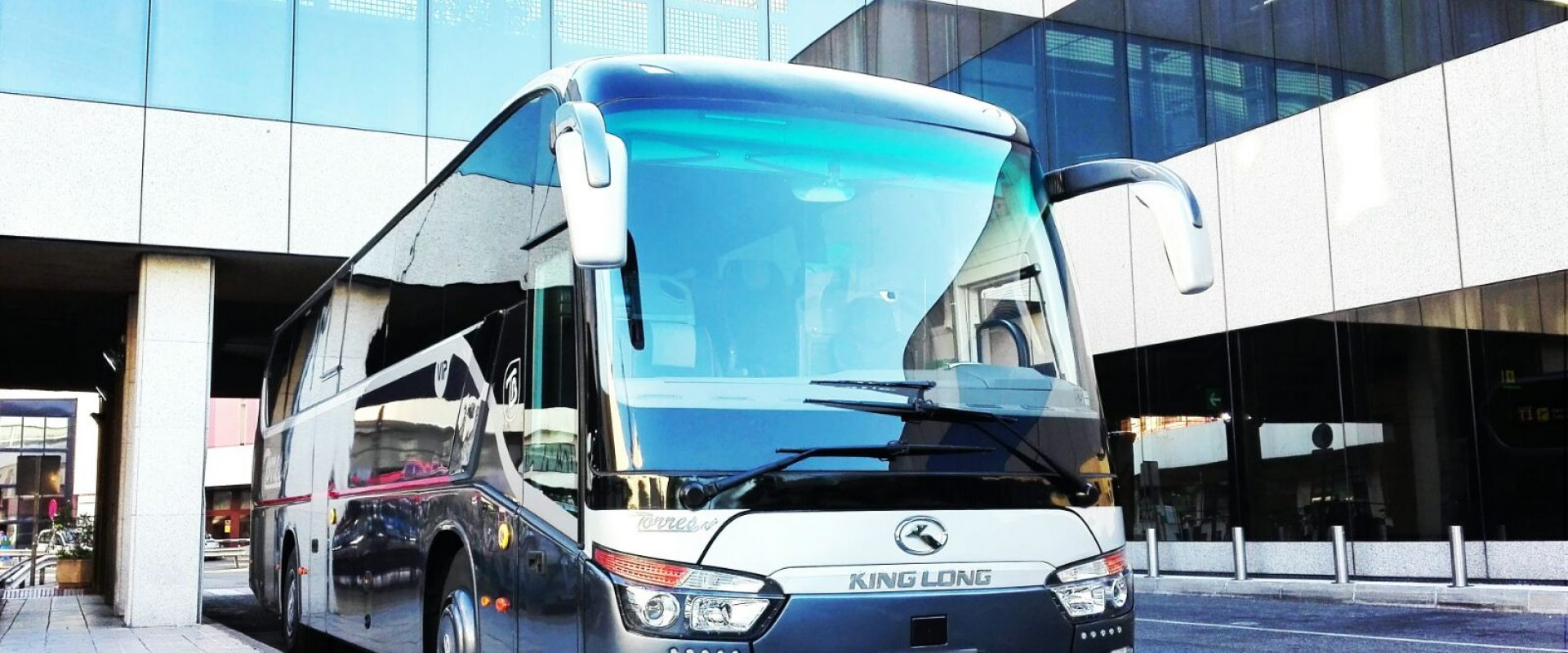
When you hire a bus from a seasoned family business like Torres Bus, you’re not just getting a vehicle; you’re getting a driver who knows the fastest lanes around Barajas, the quiet streets that avoid rush‑hour snarls, and the little tricks that make a journey feel like a smooth cruise.
And the best part? You get to pick the size that fits your crowd, whether it’s a sleek 7‑seat van for a boutique wedding party or a 70‑seat coach for a university field trip to Toledo. No more awkward seat‑shuffling or endless phone calls to coordinate multiple rides.
Think about the peace of mind that comes with a single invoice, a single point of contact, and a promise of punctuality that Torres Bus has built over three decades. It’s the kind of reliability you’d expect from a friend you trust to drive you home after a night out.
But you might wonder, “Is a luxury coach really worth the extra cost for a simple airport transfer?” In most cases, the answer is a resounding yes, because the time you save – and the stress you avoid – translates into productivity and smiles for everyone on board.
Let’s be honest: group travel can feel chaotic, especially when you’re juggling schedules, dietary needs, and special accessibility requirements. Torres Bus even offers vehicles adapted for reduced mobility, so no guest feels left out.
So, if you’re ready to stop worrying about who’s driving which car and start focusing on the event itself, the solution is simpler than you think. Alquilar autobus en Madrid gives you the freedom to plan the details you love, while the experts handle the road.
In the next sections we’ll walk you through the exact steps to choose the right bus, compare pricing, and lock in a booking that fits your budget. Stick around – we’ve got plenty of practical tips and real‑world examples coming up.
TL;DR
Alquilar autobus en Madrid with Torres Bus means a single, comfortable ride that keeps your group together, saves time, and eliminates the stress of juggling multiple vehicles.
Just compare sizes, request a quote, and lock in your booking today – you’ll arrive relaxed, on schedule, and ready to enjoy the event.
Step 1: Determine Your Transport Needs
Before you even think about calling a driver, pause and ask yourself: what exactly does the group need to get from point A to point B? It sounds simple, but the answer shapes every later decision – from the size of the vehicle to the amenities you’ll request.
First, write down the core purpose of the trip. Is it a corporate conference shuttle, a wedding party moving between venues, a school field trip to Toledo, or an airport transfer for 30 guests? Each scenario carries its own set of priorities – punctuality for business, comfort for celebrations, accessibility for schoolchildren.
1. Count the heads (and the wheels)
Grab a spreadsheet or a quick notebook and list every attendee. Don’t forget the driver! If you have 45 people, a 50‑seat coach will give you a little breathing room, whereas a 25‑seat minibus would force a second vehicle and double the coordination hassle.
Real‑world example: A tech startup in Madrid booked a 16‑seat van for a product demo in Segovia. Half the team showed up early, and the van was cramped. The next time they doubled the capacity to a 32‑seat coach, the ride felt relaxed and the demo ran on schedule.
2. Map the itinerary and timing
Plot the exact pick‑up and drop‑off points on a map. How many stops? How far between them? Traffic peaks matter – a morning airport run from Barajas to the city centre is very different from an evening wedding convoy crossing the Ring Road.
Tip: Use a free traffic app to simulate the route at the planned time. If the estimate exceeds your buffer by more than 15 minutes, consider a larger vehicle or an alternative route.
3. Identify special requirements
Do any passengers need wheelchair access? Is there a need for on‑board Wi‑Fi for a live‑streamed presentation? Some groups appreciate extra luggage space for sports equipment or exhibition stands.
Torres Bus offers PMR‑adapted coaches and coaches with built‑in Wi‑Fi, so flag those needs early – it avoids last‑minute surprises.
4. Set a budget ceiling
Know the maximum you’re willing to spend per person. Remember, the cheapest 7‑seat van can end up more expensive than a single 50‑seat coach once you factor in extra driver fees, fuel, and the hidden cost of coordinating multiple rides.
According to industry trends, larger coaches often deliver a lower cost‑per‑seat ratio, especially for trips over 100 km.
5. Choose the right vehicle class
Now match the data you’ve gathered to a vehicle type:
- 7‑12 seats: luxury van – ideal for small executive groups.
- 16‑25 seats: minibuses – perfect for school outings or boutique weddings.
- 30‑50 seats: standard coach – best for corporate shuttles, large families, or multi‑stop tours.
- 70 seats: full‑size coach – only when you truly have a crowd the size of a concert audience.
For a deeper dive on matching vehicle classes to specific events, check out How to Choose the Best Bus Rental Madrid Services for Your Group Travel Needs. It walks you through the decision tree step by step.
Once you’ve answered these five checkpoints, you’ll have a crystal‑clear brief to hand to Torres Bus. The driver will know exactly how many seats, which amenities, and what timing you expect – and you’ll avoid the classic “we need another bus” scramble.
Here’s a quick checklist you can paste into your notes:
- Total passenger count (incl. driver)
- Trip purpose and key priorities
- Pick‑up/drop‑off locations and number of stops
- Special accessibility or tech needs
- Budget per seat
Cross each item off, and you’ll feel confident that you’ve truly determined your transport needs before you even pick up the phone.
And remember, the right bus isn’t just about capacity – it’s about peace of mind. When you know the exact fit, you can focus on the event itself, not on logistics.
Step 2: Choose the Right Vehicle Size and Type
Now that you’ve nailed down how many heads you need to move, the next question is: what kind of ride actually feels right? It’s tempting to grab the first coach you see, but the sweet spot usually sits somewhere between capacity, comfort, and the quirks of your itinerary.
Match size to purpose, not just numbers
Think about the vibe of your event. A corporate roadshow that includes on‑board Wi‑Fi and a few quick power‑outlet breaks will feel a lot smoother in a 30‑seat standard coach with reclining seats. A wedding party that wants to arrive in style, maybe with a few bottles of champagne already chilled, will love the plush feel of a 16‑seat luxury van.
Here’s a quick mental checklist:
- Is the group mostly sitting for a long haul? Go bigger, more legroom.
- Do you need extra storage for equipment, luggage, or catering supplies? Choose a vehicle with a dedicated cargo bay.
- Any accessibility requirements? Opt for a PMR‑adapted coach that offers a low‑floor ramp.
Real‑world snapshot: A university department booked a 50‑seat coach for a day‑trip to Segovia. Half the students wanted to bring musical instruments, so the coach’s extra luggage compartment saved them from scrambling for a second van.
Step‑by‑step sizing process
- Start with your headcount. Add the driver, then round up to the nearest vehicle class (7‑12, 16‑25, 30‑50, 70 seats).
- Factor in baggage. Rough rule: one large suitcase per passenger equals about 0.2 m³ of cargo space. If you exceed the standard load, bump up a class.
- Check amenities. Does your itinerary call for Wi‑Fi, on‑board entertainment, or a mini‑bar? Not all vehicles have those extras.
- Run a quick cost check. Larger coaches often have a lower cost‑per‑seat, especially for trips over 100 km. CheckMyBus explains how bulk pricing works across providers.
- Confirm accessibility. If anyone needs wheelchair access, lock in a PMR‑adapted coach before you finalize the quote.
Vehicle type cheat‑sheet
| Size (seats) | Best fit for | Key perks |
|---|---|---|
| 7‑12 | Executive shuttles, small wedding parties | Luxury upholstery, climate control, optional Wi‑Fi |
| 16‑25 | School outings, boutique tours | Spacious luggage area, easy boarding, optional wheelchair ramp |
| 30‑50 | Corporate conferences, multi‑stop city tours | On‑board power outlets, premium audio, larger restroom |
| 70 | Large festivals, concert crews, pilgrimage groups | Maximum capacity, multiple aisles, high‑capacity luggage storage |
Notice how each tier adds a layer of convenience that aligns with a specific event type. It’s not just about fitting everyone in – it’s about making the journey part of the experience.
Pro tip from the road
When you call Torres Bus, ask for a “capacity buffer” of at least two seats. Those extra spots become lifesavers if a last‑minute guest shows up or if a piece of equipment takes up more space than you anticipated.
Another insider trick: request a short “test run” of the on‑board Wi‑Fi before the day of a live presentation. A quick 5‑minute check at the depot can prevent a dreaded “no signal” moment halfway to your venue.
Bottom line: the right vehicle size and type turn a logistical headache into a smooth, confidence‑boosting part of your event plan. Follow the steps, use the cheat‑sheet, and you’ll walk into the booking call with Torres Bus knowing exactly what you need – no surprises, just a perfect fit.
Step 3: Get Accurate Pricing and Quotes
Why the price conversation matters
When you finally know the size of the bus you need, the next thing that can make your stomach flip is the quote. A vague “we’ll call you back” or a surprise surcharge at the end of the trip can turn a smooth plan into a headache. That’s why getting a clear, detailed price upfront is the real game‑changer for anyone who wants to alquilar autobus en Madrid without hidden surprises.
Think about the last time you booked a hotel room and the “resort fee” appeared after checkout. You felt a sting, right? The same principle applies to group transport – transparency builds trust, and trust keeps your event on schedule.
Step‑by‑step: How to lock in a reliable quote
1. Gather the basics before you call. Write down the headcount (including the driver), the exact pick‑up and drop‑off addresses, the date and time, and any extra stops. Jot down any must‑have amenities – Wi‑Fi, power outlets, wheelchair ramp, or extra luggage space. Having this checklist in front of you saves the back‑and‑forth that drags out the quoting process.
Pro tip: add a “buffer seat” and a few extra kilometres to your numbers. It’s the little cushion that prevents a later “we need to add €50 for extra miles” email.
2. Ask for a line‑item breakdown. A solid quote will list the vehicle rental, driver fees, fuel allowance, mileage, any tolls, parking permits, and optional extras. If a provider lumps everything into a single figure, request the details – you’ll instantly see where you can negotiate, like swapping a premium sound system for a simple speaker.
Example: A corporate client in Madrid needed a 30‑seat coach for an airport‑to‑conference shuttle. By asking for a line‑item quote, they discovered the “premium Wi‑Fi” was €30 per hour, which they dropped because the onboard laptops could use mobile hotspots instead.
3. Compare at least three offers. Even if you have a favorite company, pulling three quotes lets you see market norms. Look for patterns – most providers charge a similar base rate for a 50‑seat coach, but one might include a complimentary driver meal while another adds a €50 parking surcharge.
When you compare, keep the same variables each time: same vehicle class, same distance, same number of stops. That way you’re truly comparing apples to apples.
4. Verify what’s included in “fuel” and “kilometres”. Some companies set a kilometre limit (e.g., 200 km) and charge per extra kilometre. Others bundle fuel into a flat rate. If your itinerary includes a scenic detour to El Escorial, ask how that will be billed. Knowing this ahead of time stops the “we ran out of fuel credits” surprise.
Real‑world scenario: A wedding planner booked a 16‑seat luxury van for a ceremony in the historic centre of Madrid. The initial quote seemed cheap, but the provider later added €1.50 per extra kilometre for a route that actually stretched 250 km. By clarifying the kilometre allowance early, the planner switched to a different operator and saved €120.
5. Confirm driver costs and legal requirements. In Spain, a driver’s wage is usually included for trips under nine hours. If you exceed that, a second driver is mandatory by law, which adds a predictable cost. Ask the provider to state the driver’s hourly rate and any overtime charges.
Tip: If you’re planning a multi‑day tour, ask whether the driver’s accommodation and meals are covered or if you need to budget for them separately.
6. Look for seasonal discounts or early‑booking incentives. Many bus firms lower their rates for weekday trips or for bookings made more than a month in advance. If your event is flexible, shifting the date by a day can shave off a noticeable chunk of the bill.
For instance, a tech startup moved their team‑building day from a Friday to a Monday and negotiated a 10 % discount on a 25‑seat minibus because the provider had lower weekday demand.
Quick quote checklist
- Exact passenger count (including driver)
- Pick‑up / drop‑off addresses and times
- Number of stops and total kilometres
- Desired amenities (Wi‑Fi, wheelchair access, luggage space)
- Line‑item price breakdown (vehicle, driver, fuel, tolls, extras)
- Policies for extra kilometres, overtime, and second driver
- Any discounts for early booking or off‑peak days
Print this list, fill it out, and keep it on hand when you call Torres Bus. You’ll walk into the conversation with confidence, and the provider will respond with a quote that matches your expectations.
What to do once you have the quote
Take a moment to review each line. Does the fuel allowance cover your planned route? Are the driver’s working hours compliant with Spanish regulations? If anything feels fuzzy, ask for clarification – a reputable company will explain without hesitation.
When everything checks out, ask for a written confirmation that includes the quote reference number and the validity period (usually 30 days). Sign the contract, pay the deposit, and set a reminder to reconfirm the day before the trip.
And finally, keep a copy of the final quote in a shared folder with your event team. That way, if a question pops up on the day of travel, you have the numbers at your fingertips.
Getting accurate pricing isn’t just about saving euros; it’s about protecting your timeline, your budget, and your peace of mind. Follow these steps, and you’ll turn the quote stage from a guessing game into a straightforward, stress‑free part of your event planning.
Step 4: Verify Licenses, Insurance, and Safety Standards
Now that you’ve nailed the quote, the next thing that can make your stomach drop is finding out whether the company you’re about to trust actually meets the legal and safety requirements in Spain.
Do you ever wonder what happens if the bus you booked doesn’t have the proper paperwork? A missing licence could mean fines, delayed departures, or—worst case—being forced off the road.
Here’s the quick‑check checklist we use before we ever hand you the keys to a coach. Treat it like a pre‑flight safety walk‑through, but for wheels.
Verify the operating licence
In Spain every bus operator must hold a valid “tarjeta de transporte” that proves they’re authorised to run passenger services. Ask the provider to show you a copy before you sign anything. If they can’t produce it on the spot, that’s a red flag you shouldn’t ignore.
Torres Bus lists its licence status openly on its website and can email you the current certificate; that little document saves you a lot of headaches later. Torres Bus explains the required licences and insurance
Ask for insurance proof
Two policies matter most: civil liability insurance that covers third‑party damage, and passenger‑occupant insurance that protects everyone inside the bus. Both are mandatory in Spain, and the provider should hand you a certificate that spells out the coverage limits.
When you request these documents, compare the amounts to the size of your group. For a 50‑seat coach, you’ll want at least €1 million per passenger in the occupant policy – that’s the level Torres Bus carries as standard. Torres Bus explains the required licences and insurance
Confirm safety inspections and equipment
Every bus must pass a periodic technical inspection that checks brakes, tyres, lights, and emergency exits. Ask for the latest inspection report – it should be dated within the past six months.
Don’t forget the small but crucial details: seat belts for every passenger, clearly marked emergency doors, and a working fire‑extinguisher. A quick visual scan while the driver shows you the vehicle can reveal missing belts or a blocked exit, and you can request a different coach before the day arrives.
If you’re planning a multi‑day tour, make sure the driver’s work‑time limits are respected and that a second driver is on standby for trips longer than nine hours. Spain’s regulations require a fresh driver after that threshold, and the cost is usually baked into the quote.
So, how do you know you’ve covered all the bases? Walk through the checklist with the driver, ask for the paperwork, and double‑check the dates before you sign the contract.

If any document is missing or looks outdated, don’t sign anything until you’ve gotten a fresh copy. You can also call the Dirección General de Tráfico (DGT) to verify the operator’s licence number – it’s a quick free check that many planners skip.
- License (tarjeta de transporte) – current and visible
- Civil liability insurance – minimum €1 million coverage
- Passenger‑occupant insurance – at least €1 million per seat
- Latest technical inspection report (≤6 months old)
- Functional seat belts, emergency exits, fire extinguisher
By ticking each of these items off, you turn a potentially risky hire into a confident, compliant partnership with Torres Bus, and you can focus on the fun part of your event.
Step 5: Book, Confirm, and Prepare for Your Trip
Alright, you’ve figured out the size, the price, and the paperwork. Now it’s time to actually lock that bus down and make sure nothing falls through the cracks on the day of the event.
First thing’s first: put your request in writing. A quick email or a formal quote request that lists the exact headcount, pickup address, drop‑off location, date, time, and any must‑have extras (Wi‑Fi, wheelchair ramp, extra luggage space) becomes your safety net. It’s the paper trail you’ll point to if a driver shows up with the wrong vehicle.
1. Seal the deal with a written contract
When Torres Bus sends you a quote, ask for a PDF that breaks down every line – vehicle rental, driver fee, fuel allowance, mileage, tolls, and optional services. Look for these key clauses:
- Payment schedule: usually a 30 % deposit, the rest due 7 days before departure.
- Cancellation policy: note any non‑refundable fees and the deadline for a full refund.
- Driver work‑time limits: confirm that a second driver is included for trips over nine hours, as required by Spanish law.
Got it? Great. Sign, scan, and send it back. Keep a copy in a shared folder so your whole team can reference it.
So, what if you’re juggling several events at once? Create a simple spreadsheet that tracks each contract’s deposit due date, final payment due date, and confirmation deadline. A quick glance will tell you if anything’s slipping.
2. Get instant confirmation (and why it matters)
In the past, you might have waited days for a phone call. Today you can lock in a reservation in seconds through online booking portals that connect you directly to local operators. One platform even lets you see real‑time availability and receive an instant confirmation email — a tiny but huge peace‑of‑mind boost for any planner.According to Dispo’s online booking system, you can secure a bus and get confirmation within a minute, which cuts the back‑and‑forth that usually drags on for hours.
Does that sound like a time‑saver? Absolutely. It also gives you a timestamped record that you can cite if anything goes awry.
3. Double‑check the details a day before
Give the driver a quick call 24 hours before the trip. Verify:
- Vehicle registration number and seat count.
- Driver’s name and contact number.
- Pick‑up location exactness (e.g., “Gate B3 at Barajas, 09:30 am”).
- Any special requests (extra blankets, wheelchair ramp activation).
Ask the driver to send a photo of the bus and the licence plate. A picture is worth a thousand words – you’ll instantly know if the coach matches the class you paid for.
Here’s a quick script you can copy‑paste into your phone:
“Hey [Driver Name], just confirming our booking for [date] – 50 seats, pickup at [address] at 09:30, drop‑off at [venue] around 12:00, with Wi‑Fi and a wheelchair ramp. Can you send a photo of the bus and the licence plate? Thanks!”
4. Prepare the on‑board experience
Now that the bus is booked, think about the journey itself. A few minutes of prep can turn a plain ride into a branded experience.
- Seating plan: write down who sits where, especially if you have VIP guests or speakers who need easy access to the aisle.
- Welcome kit: a small water bottle, a printed itinerary, and a QR code link to the event app can be handed out as passengers board.
- Connectivity check: if you’re relying on the bus’s Wi‑Fi, test it a day early. Ask the driver to turn it on for a quick 5‑minute trial run.
Even a tiny gesture like a “Welcome aboard” sign can make the group feel taken care of.
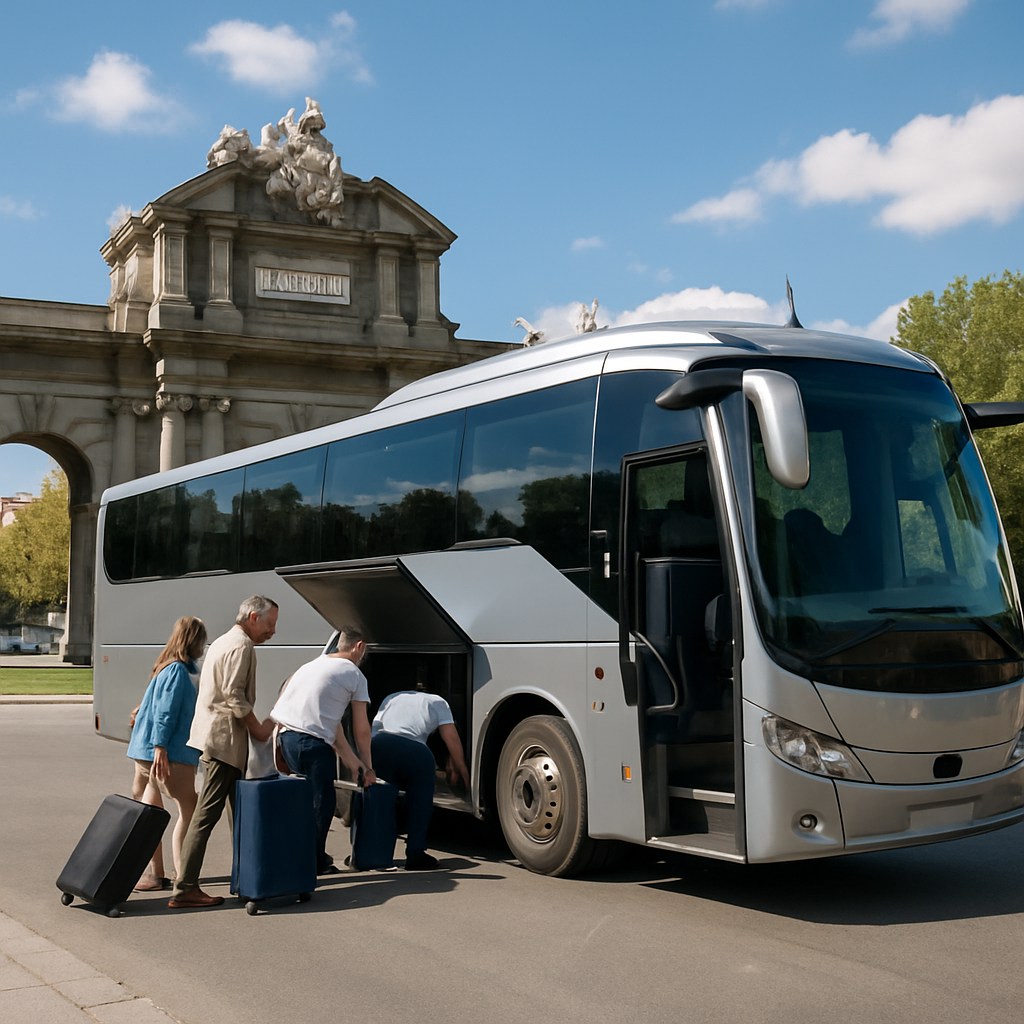
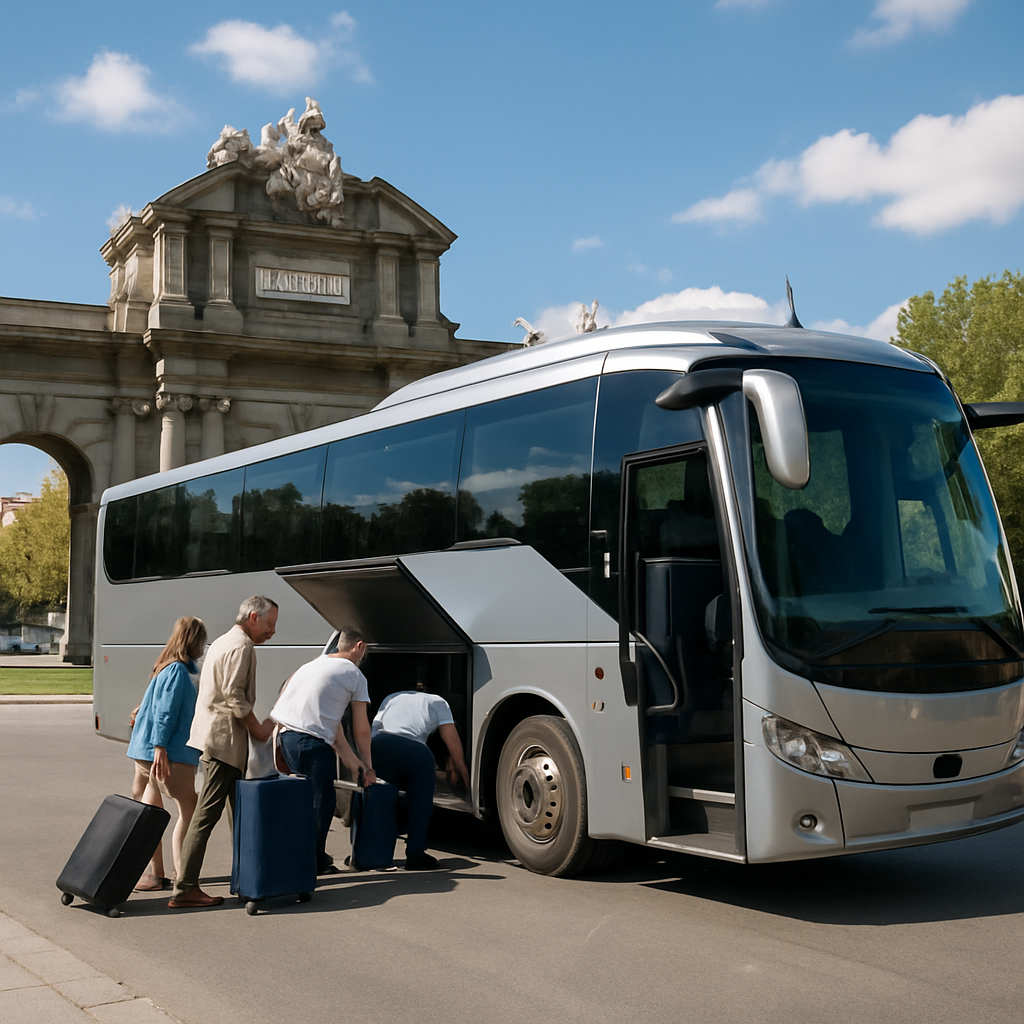
What about luggage? If you have bulky equipment – think sound gear for a concert crew or sports bags for a team – confirm the cargo space in the driver’s pre‑trip checklist. Torres Bus usually allocates a dedicated storage compartment, but it never hurts to ask for a visual confirmation.
5. Set up contingency plans
Nothing goes wrong, but it’s smart to have a backup. Ask the provider what their policy is for a delayed vehicle – do they have a spare bus on standby? Keep the contact number of a local taxi service handy, just in case the driver hits unexpected traffic and you need a quick bridge between the airport and the hotel.
And remember the weather. In Madrid, summer heat can be brutal, so verify that the air‑conditioning is fully functional. A quick “is the AC working?” call the day before can spare you sweaty passengers.
Finally, mark the day on your calendar with a reminder to thank the driver after the trip. A simple “thanks for a smooth ride” goes a long way toward building a lasting partnership for future events.
Bottom line: booking, confirming, and prepping isn’t just paperwork – it’s the glue that holds your whole transport plan together. Follow these steps, keep a checklist, and you’ll walk into the day feeling confident, not frantic.
Conclusion
We’ve walked through every piece of the puzzle, from sizing your group to locking in a crystal‑clear quote, so you can finally breathe easy about alquilar autobus en Madrid.
Think back to that moment when you imagined the bus pulling up, doors opening, and everyone stepping inside feeling like a well‑orchestrated crew. That vision isn’t a fantasy – it’s the result of a simple checklist and a few quick calls.
Remember to double‑check the licence, insurance, and a buffer seat; ask the driver for a photo of the coach a day before; and keep a one‑page summary of your must‑have amenities. Those tiny habits turn “maybe” into “absolutely.”
So, what’s the next move? Grab that email template you’ve been saving, plug in your headcount, dates, and special requests, and hit send to Torres Bus. Their 30‑year track record means you’re not just renting a vehicle, you’re gaining a partner who cares about punctuality and comfort.
If you’re still on the fence, picture the relief of arriving at your venue without a single hiccup, while your guests chat about the smooth ride instead of traffic woes. That’s the real payoff.
Take the plunge today, lock in your bus, and let the journey become the highlight of your event.
Enjoy it.
FAQ
How do I know which bus size is right for my group when I want to alquilar autobus en Madrid?
Start by writing down every headcount – guests, staff, and the driver. Then add a buffer seat or two; that little wiggle room saves you from last‑minute scrambling.
Next, think about luggage. If each person brings a large suitcase, you’ll need roughly 0.2 m³ of cargo per passenger, which pushes you up one class.
Finally, match the total to Torres Bus’s vehicle categories – 7‑12 seats for intimate executive trips, 16‑25 for boutique weddings, 30‑50 for corporate shuttles, and 70 for festival crews. When the numbers line up, you’ve got the perfect fit.
What documents should I ask for before confirming the rental?
Ask for three things: the operating licence (tarjeta de transporte), a civil‑liability insurance certificate, and the latest technical inspection report (no older than six months).
The licence proves the company is legally allowed to carry passengers, the insurance shows coverage per seat – aim for at least €1 million per passenger – and the inspection confirms brakes, tyres, seat belts, and fire extinguishers are all up to code.
Request these PDFs via email and keep them in a shared folder; you’ll thank yourself if anything looks off on the day of the trip.
Can I get Wi‑Fi and power outlets on the bus, and how do I verify they work?
Torres Bus offers Wi‑Fi and power sockets on most of its 30‑seat coaches and larger vehicles. When you request a quote, list those amenities as “must‑haves.”
Before the journey, ask the driver to do a quick 5‑minute test run of the Wi‑Fi at the depot. A screenshot of the connection status saved on your phone is a simple sanity check.
If the signal drops, you can swap to a mobile hotspot or ask for a backup router – better to know ahead than scramble mid‑route.
How much does it typically cost to alquilar autobus en Madrid for a day trip?
Pricing depends on vehicle size, distance, and extras. A 16‑seat van for a 120‑km round‑trip might start around €300‑€350, while a 50‑seat coach covering the same mileage could be €600‑€750.
Don’t forget to factor in fuel surcharges, tolls, and driver overtime if you’re on the road past nine hours. Asking for a line‑item quote lets you see where you can trim costs – for example, swapping premium Wi‑Fi for a personal hotspot.
Getting three quotes and comparing the breakdown usually reveals a sweet spot that balances comfort and budget.
What’s the cancellation policy if my event date changes?
Torres Bus typically asks for a 30‑day notice for a full refund, a 14‑day notice for a 50 % refund, and anything later may incur a non‑refundable fee.
Make sure the contract spells out the exact dates and any penalties for “force‑majeure” events like strikes or extreme weather. Having that clause in writing protects you from surprise charges.
If you suspect a date might shift, negotiate a flexible clause up front – it’s easier than trying to renegotiate after you’ve signed.
Are there options for passengers with reduced mobility?
Absolutely. Torres Bus runs PMR‑adapted coaches with low‑floor ramps, wheelchair‑secure straps, and wider aisles. When you book, flag the need early so they can assign the right vehicle.
Ask for a photo of the ramp and the interior layout before the day arrives; a quick visual confirms the bus meets the accessibility standards you expect.
Having the right coach not only complies with Spanish law but also ensures every guest feels welcome and safe throughout the journey.
What’s the best way to confirm the booking the day before the trip?
Give the driver a quick call 24 hours ahead. Verify the vehicle registration, seat count, pick‑up address, and any special requests like extra blankets or a wheelchair ramp.
Ask the driver to text you a photo of the bus and the licence plate – a single image tells you you’re getting exactly what you paid for.
Finally, confirm the driver’s contact number and let your team know the final details. A short checklist sent in a group chat keeps everyone on the same page and eliminates last‑minute surprises.