
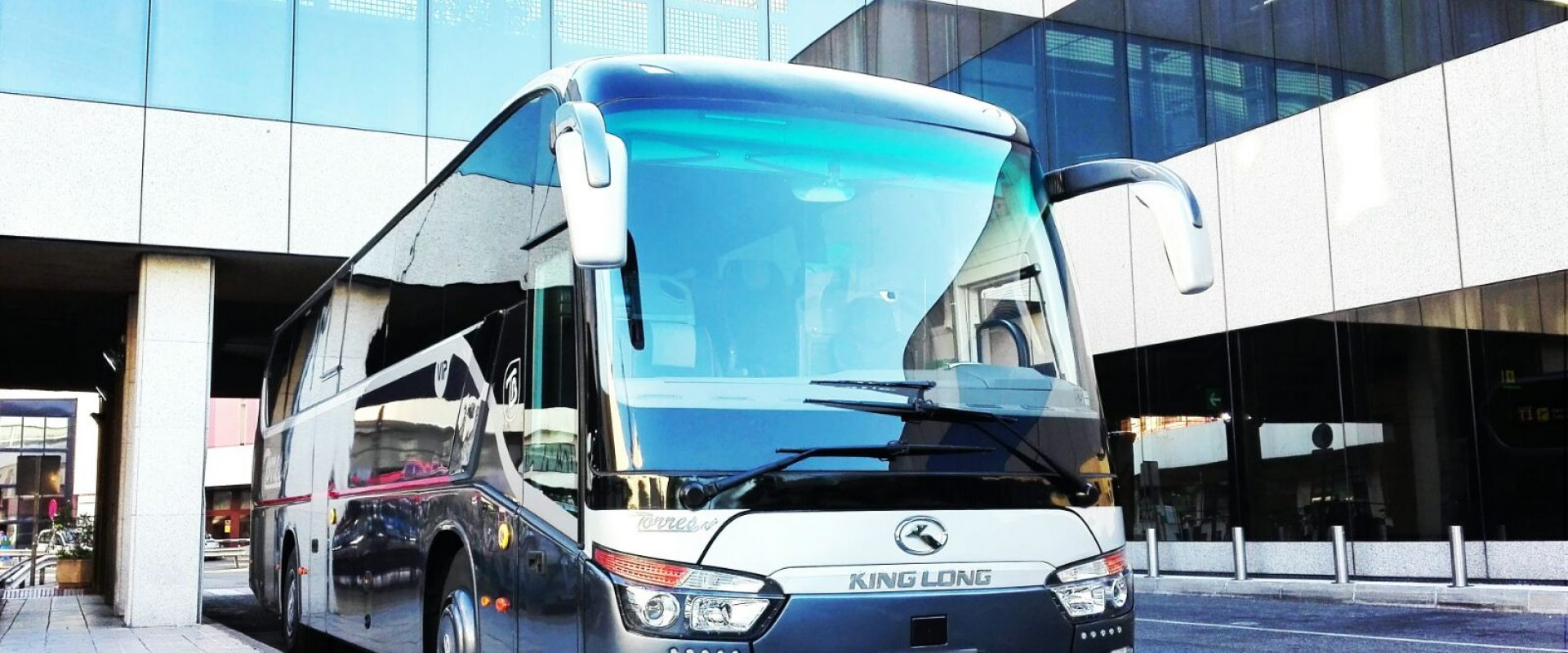

Picture this: you’re juggling a wedding guest list, a corporate off‑site, or a day‑trip to Toledo, and the clock is ticking.
You’re staring at a spreadsheet, trying to figure out how much to rent a bus for a day without blowing your budget or ending up with too many empty seats.
In moments like that, the biggest question isn’t just the price tag—it’s whether the bus will arrive on time, keep everyone comfortable, and make the whole experience feel seamless.
We’ve been helping event planners, tour operators, and companies in Madrid for over three decades, so we know the little details that turn a simple quote into a reliable plan.
First, the base rate usually depends on three things: the size of the vehicle, the distance you’ll travel, and the length of time you need it. A 12‑seat minibus for a six‑hour city tour can start around €250, while a 50‑seat coach for a full‑day excursion to Segovia often lands in the €600‑€800 range.
But those numbers are just the starting point. Add‑ons like a dedicated driver who speaks English, extra mileage beyond the agreed route, or a wheelchair‑accessible lift can shift the total by a few hundred euros.
So how do you keep the cost under control? Here’s a quick checklist:
- Know your exact itinerary – start‑stop times, parking locations, and any detours.
- Pick the smallest vehicle that fits all passengers comfortably; a cramped bus kills morale.
- Ask for an all‑inclusive quote that bundles driver fees, fuel, and any tolls.
- Book early – last‑minute hires often carry a premium.
- Check for discounts if you’re booking multiple trips or a recurring service.
Imagine you’re organizing a corporate retreat for 30 people. Instead of guessing, you call a local provider, share your schedule, and they give you a flat‑rate that covers the coach, driver, and fuel. No surprise invoices, no hidden fees – just one clear number.
That’s the peace of mind we aim to give our clients. By understanding the factors that shape the price, you can compare offers confidently and choose the option that best fits your event’s vibe and budget.
Ready to stop the guesswork? Let’s dive deeper into the exact cost breakdowns, hidden fees to watch out for, and tips to squeeze the best value out of your daily bus rental.
TL;DR
If you’re wondering how much to rent a bus for a day, expect a price between €250 and €800 depending on size, distance and services.
Add-ons like English‑speaking drivers, mileage or wheelchair lifts can push the total a few hundred euros, so get an all‑inclusive quote early to avoid surprises.
Step 1: Define Your Transport Needs
Picture this: you’ve just confirmed a wedding reception for 80 guests, and the only thing missing is a smooth ride from the hotel to the venue. Before you start hunting for a price, pause and ask yourself what the journey actually looks like.
First off, how many people are you moving? It sounds obvious, but we’ve seen planners book a 12‑seat minibus for a group of 30 and end up scrambling for extra seats at the last minute. Write down the exact headcount, including any kids, senior relatives, or crew members. If you’re unsure, add a buffer of two‑three seats – it’s cheaper than paying a surprise surcharge for a late‑arrival coach.
Know Your Group Size and Comfort Level
For corporate retreats, a 25‑seat coach often feels cramped when you throw in laptops and coffee carts. A 35‑seat vehicle gives breathing room and keeps morale high. For a wedding, think about luggage for dresses, suits, and gifts – a 50‑seat coach with extra luggage space can save you a second vehicle.
And if you have guests with reduced mobility, remember that Torres Bus offers PMR‑adapted vehicles. No need to worry about wheelchair lifts later; it’s just another line on the checklist now.
Map Your Itinerary
Next, sketch out the route. Is it a straight‑line airport transfer, or do you have multiple stops – a museum, a lunch venue, and a historic site? Each extra stop adds mileage and potentially waiting time for the driver.
Write down the start‑stop times, parking zones, and any detours you anticipate. When you hand this to a provider, they can give you an all‑inclusive quote instead of a vague “hourly rate” that balloons with extra kilometers.
Here’s a quick tip: pull up a Google Map, plot the waypoints, and note the total distance. If the trip exceeds the provider’s standard mileage allowance, you’ll know exactly how much extra to budget.
Special Requirements and Add‑Ons
Do you need an English‑speaking driver for an international delegation? A Wi‑Fi hotspot for a corporate workshop? Or perhaps a printed itinerary that passengers can flip through while on the road. For that, a reliable online print service like JiffyPrintOnline can whip up professional‑looking schedules in minutes.
If your event includes live music or a cultural performance, you might want to source talent from a trusted pool. The Cuban artists directory is a handy resource for finding authentic performers who can travel with you on the same coach.
Don’t forget extra comforts: bottled water, onboard charging ports, or a small cooler for snacks. These little touches keep passengers happy and can be bundled into the final quote.
Once you have these three pillars – headcount, route, and special needs – you’ve essentially defined your transport requirements. From there, you can compare quotes with confidence, knowing you’re not overlooking hidden costs.
Now that you’ve nailed down the basics, the next step is to translate those numbers into a realistic budget. Keep your list handy; a clear brief makes the quoting process faster and helps you avoid last‑minute surprises.

Remember, the goal isn’t just to find the cheapest price – it’s to secure a bus that fits your group like a glove, arrives on time, and makes the whole day feel effortless. When you’ve defined your needs, you’ll be ready to ask the right questions and get a quote that truly reflects the service you deserve.
Step 2: Choose the Right Service Type
Alright, you’ve got your headcount and itinerary nailed down. The next question is – what kind of ride actually fits the vibe of your event? It’s easy to get lost in a sea of jargon like “coach”, “minibus”, or “VIP shuttle”. Let’s break it down together, so you can pick the service that feels right without over‑paying.
Standard coach vs. minibus – when size matters
If you’re moving a corporate team of 25‑30 people from a hotel to a conference centre, a 30‑seat coach usually wins. You get comfortable reclining seats, air‑conditioning, and enough luggage space for laptops and briefcases. In our experience, a coach of this size costs roughly €650‑€720 for a full day, depending on mileage.
But imagine you’re organizing a boutique wedding with 12 guests and a few photographers. A minibus (12‑16 seats) feels more intimate, saves fuel, and typically runs €100‑€200 cheaper per day. The Coach Hire Madrid guide walks you through the exact seat‑to‑price ratios.
VIP‑style services – adding that wow factor
Some events deserve a little sparkle. A luxury van with leather upholstery, a mini‑bar, and on‑board Wi‑Fi can turn a simple airport transfer into a memorable first impression. Expect a modest surcharge of €50‑€100 per day, but the extra comfort often pays off when you’re impressing high‑net‑worth clients or celebrity talent.
For example, a film‑production crew we helped last summer needed a silent‑engine minibus for a location shoot outside Madrid. The extra €120 for a sound‑proof cabin saved them hours of post‑production audio cleanup – a classic case of paying a little more to avoid a bigger headache later.
Special needs and accessibility
If any passenger uses a wheelchair or has reduced mobility, you’ll want a PMR‑adapted vehicle. These buses come with ramps and secure tie‑down points. The price bump is usually around €150‑€250 per day, but the peace of mind is priceless.
Think of a school field trip to the Prado where a few students need a lift. Booking an adapted minibus ahead of time avoids last‑minute scrambling and ensures compliance with Spanish accessibility regulations.
Language‑savvy drivers
International delegations often appreciate an English‑speaking driver. It’s a small extra cost – €50‑€100 per day – but it smooths out border checks and makes announcements clear for non‑Spanish speakers. For a tech conference in Segovia with attendees from Germany and the UK, that little expense kept the schedule on track.
How to compare service types in practice
Here’s a quick three‑step cheat sheet you can copy into your notes:
- List the core need: transport comfort, brand impression, accessibility, language.
- Match each need to a service tier: standard coach, luxury van, adapted minibus, English‑speaking driver.
- Ask for a line‑item quote that separates base rental, add‑ons, and mileage.
When you receive the quote, check that the total aligns with your budget ceiling. If the driver fee seems hidden, ask for a clear breakdown – most reputable operators, like Torres Bus, include driver, fuel, and the first 200 km in the headline price.
Real‑world pricing snapshots
According to industry data from GOGO Charters, daily rates for a 30‑seat coach in Europe hover between €600 and €800, with mileage overages adding €1.50‑€2.00 per km. Meanwhile, 8Rental reports that their all‑inclusive quotes for a 20‑seat minibus in Madrid start at €450 per day, fuel and driver included.
Take a tech startup that booked a 20‑seat minibus for a two‑day hackathon in Toledo. Their base cost was €900, plus €120 for extra mileage – a total that stayed under their €1,200 budget because they locked in the rate three months ahead.
Back‑up plan: what if you need to switch?
Sometimes the itinerary changes. If you need to upgrade from a minibus to a coach at the last minute, most companies will charge a “upgrade fee” – usually 10‑15% of the original price. To protect yourself, ask about the upgrade policy before you sign the contract.
And a quick tip: keep a list of local alternatives (even a few smaller operators) in case your primary provider runs into a vehicle issue. Having a backup can save you from a costly scramble.
Finally, while you’re sorting logistics, don’t forget the visual side of your event. A professional photographer can capture the journey itself – Alfapics offers high‑end corporate headshots that pair perfectly with a polished transport experience.
And when the day arrives, you’ll need printed itineraries, name tags, or even custom bus stickers. A quick order from JiffyPrintOnline can have everything ready to hand out at the loading zone.
Step 3: Collect and Compare Quotes
Now that you know what size vehicle you need, the next hurdle is actually getting the numbers on the table. It can feel a bit like shopping for a new car – you’ve got the specs in mind, but every dealer throws in a different “special” that makes the price jump.
First thing you should do is ask each provider for an all‑inclusive line‑item quote. That means you get a breakdown for the base rental, driver fee, fuel allowance, mileage overage, any required permits, and taxes. When the numbers are laid out side‑by‑side, you’ll instantly see who’s hiding fees in the fine print.
Step‑by‑step checklist for collecting quotes
- Gather your headcount, itinerary, and any special requirements (wheelchair lift, English‑speaking driver, Wi‑Fi).
- Send a short email template to 3‑5 local operators. Include:
• Date and start‑time
• Total kilometres (estimated)
• Vehicle size you’re after
• Extras you need
Ask them to reply with a PDF or Excel sheet that separates each cost element. If they can’t provide a detailed breakdown, flag it – vague totals usually hide unexpected charges.
And here’s a quick tip: request the quote in euros and ask if there’s a “early‑bird” discount for booking 30+ days ahead. Many Madrid‑based fleets, including Torres Bus, reward planners who lock in the date early.
Real‑world example: corporate off‑site in Segovia
Imagine you’re organizing a day‑trip for 28 employees. You email three operators and receive these headline numbers:
- Provider A: €720 total, includes driver, fuel, first 200 km, and Wi‑Fi.
- Provider B: €680 total, but mileage overage is €3 per extra kilometre after 150 km.
- Provider C: €750 total, all‑inclusive, but adds €50 for a “premium” driver.
When you map the route – Madrid‑Segovia is about 92 km one way, so round‑trip is 184 km – Provider B’s mileage limit is too tight. Adding just 20 km of a museum stop would push the cost up by €60, making it effectively €740. Suddenly Provider A looks the most reliable, even if it’s €40 pricier.
In our experience, the cheapest quote often ends up costing more in hidden fees. That’s why we always cross‑check each line item.
Benchmark data you can use
According to average charter bus pricing in the United States, a full‑size coach runs roughly $1,100‑$1,900 per day, while a minibus sits around $990‑$1,710. Converting to euros gives you a ballpark that helps you spot outliers in the Madrid market – if a local quote jumps to €1,200 for a 30‑seat coach, ask what’s driving that spike.
Remember, those figures are for a “bare‑bones” rental. Add‑ons like a wheelchair‑adapted ramp (+€150‑€250), an English‑speaking driver (+€50‑€100), or on‑board Wi‑Fi (+€30‑€70) are normal and should appear clearly in the quote.
How to compare quotes side‑by‑side
Open a simple spreadsheet. Create columns for:
- Base rate
- Driver fee
- Fuel allowance
- Mileage overage (rate per km)
- Extras (Wi‑Fi, lift, premium driver)
- Total cost
Then use a formula to calculate the projected total based on your actual kilometre count. Highlight any line where the cost per km exceeds €2.00 – that’s a red flag in the Spanish market.
Once you have the numbers, rank the providers on two axes: total cost and transparency. The winner is the one with the lowest “effective” cost and the clearest breakdown.
Negotiation pointers
Don’t be shy about asking for a discount once you’ve done the math. Say something like, “We’ve received a €50 lower quote from another operator; can you match it?” Most companies, especially family‑run fleets like Torres Bus, will either match or throw in a free extra (maybe a bottle of water for each passenger).
If you anticipate changes – say, adding a last‑minute stop – ask for a “price‑lock” clause. That way, the quote stays fixed even if the itinerary shifts, and you avoid surprise upgrade fees.
And finally, always get the agreement in writing. A PDF contract that mirrors the spreadsheet protects both you and the driver on the day of the event.
By following these steps, you’ll turn a confusing maze of numbers into a clear, confidence‑boosting decision. You’ll know exactly how much to rent a bus for a day, why each euro is there, and how to keep the budget on track without sacrificing comfort or safety.
Step 4: Factor in Additional Fees and Discounts
Okay, you’ve got a base price on the spreadsheet, but the real story usually hides in the fine print. Those extra line items can turn a €700 day into a €950 surprise if you’re not paying attention.
So, what should you be looking out for? Think of it as a checklist – each tick saves you a few euros and a lot of stress later on.
Typical hidden fees you might encounter
1. Mileage overage. Most operators include a set kilometre allowance (often 200 km). Every extra kilometre can cost €1.50‑€3.00 depending on the vehicle size.
2. Driver overtime. If your itinerary runs past the agreed end‑time, you’ll usually see a per‑hour charge. In Madrid, it’s common to see €30‑€45 per extra hour.
3. Parking and tolls. Some companies bundle these, others list them separately. A round‑trip toll from Madrid to Segovia can add €20‑€30.
4. Cleaning or “extra‑service” fees. Special requests – like a mini‑bar, onboard Wi‑Fi, or a silent‑engine cabin for a film crew – often carry a flat surcharge of €50‑€120.
Does any of that look familiar? If you’ve ever received a PDF that ends with a “miscellaneous” line, you’ve probably been there.
Discounts you can ask for
Don’t assume the quoted price is the final price. Here are a few levers you can pull.
Early‑bird booking. Locking in a date 30 days or more ahead can shave 5‑10 % off the total. It’s a common practice among family‑run fleets like Torres Bus.
Multiple‑day or repeat‑client discount. If you’re planning a series of trips – say, a weekly corporate shuttle – ask for a “package” rate. You might see €100‑€150 off each day.
Group size discount. When you’re renting a 50‑seat coach for 45 passengers, many operators will offer a volume discount because the bus isn’t running at full capacity.
Seasonal promotions. Off‑peak months (November‑February) often have lower rates. A quick “Do you have any seasonal offers?” can reveal hidden savings.
What’s the easiest way to capture all of this? Put it in a simple table and compare each quote side‑by‑side.
| Fee / Discount | Typical Cost or Savings | Tip to Negotiate |
|---|---|---|
| Mileage overage | €1.50‑€3.00 per km | Ask for a higher kilometre allowance or a flat‑rate cap. |
| Driver overtime | €30‑€45 per extra hour | Confirm exact end‑time and request a “price‑lock” clause. |
| Early‑bird booking | 5‑10 % off total | Book 30 days ahead and mention the discount up front. |
Now that you have the numbers, walk through a quick sanity check.
Step 1: Add up the base rate, then plug in the most likely mileage extra. Step 2: Estimate any overtime you might need (always add a buffer). Step 3: Subtract any discounts you’ve secured. The result is your “effective daily cost.”
Imagine you’re organizing a wedding shuttle for 40 guests. The base quote is €800. You expect 30 km beyond the included 200 km, so that’s €75 extra. You’ll need the driver for an extra hour, adding €35. However, you booked three weeks in advance and got a 7 % early‑bird cut (€56). Your final figure lands at €864 – well within a €900 budget.
One more thing: always request the agreement in writing. A PDF that mirrors the spreadsheet protects you and the driver on the day of the event.
Bottom line? Factoring in those hidden fees and hunting down discounts turns a vague quote into a crystal‑clear budget. It takes a few extra minutes now, but it saves you headaches (and euros) later.
Step 5: Book Smartly and Save
Okay, you’ve crunched the numbers, you’ve picked the right vehicle, and you’re staring at that final quote. Now the real trick is turning a good deal into a great one without pulling your hair out.
So, how do you book smartly and actually save a few euros (or more) while keeping everything legit?
Lock in the date early
In our experience, the biggest price drop comes from simply giving the operator a heads‑up. Booking 30 days or more ahead usually unlocks a 5‑10 % early‑bird discount. It’s the same psychology you see with airline tickets – the earlier you commit, the lower the risk for the company, so they’re happy to reward you.
If you’re juggling multiple events, try to batch them. A two‑day conference in Segovia followed by a weekend team‑building trip can be quoted as a package, and most family‑run fleets love to shave a flat fee off the total.
Bundle services for a flat rate
Ask for an all‑inclusive package that rolls driver fees, fuel, mileage allowance, and any extra perks (Wi‑Fi, wheelchair lift, English‑speaking driver) into one line item. When you see “€850 total” instead of “€500 base + €200 fuel + €150 driver,” you instantly know what you’re paying.
Here’s a quick checklist you can copy‑paste into an email:
- Base vehicle rental
- Driver fee (including overtime cap)
- Fuel allowance (first 200 km)
- Any add‑ons (Wi‑Fi, lifts, premium seats)
- Taxes and fees
When the provider replies with a single total, you’ve already avoided hidden line items.
Negotiate a price‑lock clause
It might sound like a lawyer‑talk term, but it’s really simple: you ask the contract to state that the quoted amount won’t change even if your itinerary shifts a little. A modest “price‑lock” clause (usually a €20‑€30 fee) protects you from surprise upgrade costs if you add a short stop or need an extra hour of driver time.
Ask yourself: “What would happen if we needed an extra 15 km?” If the answer is “we’ll call you back for a new quote,” you need that clause.
Use a checklist to avoid hidden fees
Before you hit “send,” run through this short list:
- Is mileage overage clearly priced per kilometre?
- Do they charge driver overtime by the hour or by the minute?
- Are parking, tolls, and city permits included?
- Is there a cleaning or “extra‑service” surcharge?
- Do they require a refundable deposit, and is that amount stated?
If any answer is vague, ask for a concrete figure. A transparent operator will pop the numbers into the PDF without hesitation.

Leverage repeat‑client perks
Once you’ve booked once, you’ve earned a little bargaining chip. Many Madrid‑based fleets, including Torres Bus, keep a “loyalty” sheet for planners who come back month after month. Typical perks include €50 off the next booking, a complimentary bottle of water per passenger, or even a free upgrade to a larger vehicle if you’re short‑staffed.
Don’t be shy – send a quick “thanks for the last trip, can we discuss a loyalty discount for the upcoming event?” email. It’s often enough to trigger a smile and a better rate.
One more thing that saves headaches: lock in payment terms that work for you. A modest 20 % deposit is standard, but ask if you can pay the balance by card a week before the event. Credit‑card protection gives you a safety net if the bus suddenly becomes unavailable. While you’re at it, skim recent client reviews on Google or TripAdvisor – a pattern of on‑time arrivals or hidden fees will show up quickly, and you can steer clear of operators with a spotty track record.
Final quick‑action list
- Confirm the exact date and lock it 30 days early.
- Request an all‑inclusive quote with one total line.
- Add a price‑lock clause for itinerary wiggle room.
- Cross‑check the checklist for hidden fees.
- Ask about loyalty discounts or future‑booking credits.
When you follow these steps, you’ll turn a “maybe €900” estimate into a confident, budget‑friendly plan. And the best part? You’ll spend less time worrying about money and more time enjoying the event itself.
Conclusion
We’ve walked through the whole journey—from figuring out how many seats you actually need to locking in a price‑lock clause—so you can finally answer the question, how much to rent a bus for a day, without breaking a sweat.
Remember, the base rate is only the starting line. By using the quick‑action list we built earlier, you can spot those hidden costs before they surprise you.
And here’s a thought: what if you booked the same coach a month early and asked for a loyalty discount? In our experience at Coaches and minibus Torres Bus, early‑bird planners often shave 5‑10 % off the total, turning a tight budget into a comfortable margin.
What to take away
- Pick the smallest vehicle that meets comfort and accessibility needs.
- Request an all‑inclusive quote with a single total line.
- Negotiate a price‑lock clause and ask for any early‑booking or repeat‑client discounts.
- Cross‑check mileage allowances and driver overtime rates.
So, are you ready to turn that vague estimate into a solid, confidence‑filled plan? Grab your checklist, send those emails, and let the bus arrive on time, on budget, and ready to make your event shine. Need a hand? Our team is just a call away.
We’re here whenever you need that extra reassurance.
FAQ
How much does it cost to rent a bus for a day in Madrid?
Pricing depends on size, distance and extras. A 12‑seat minibus for a typical six‑hour city tour starts around €250, while a 50‑seat coach for a full‑day excursion can be €600‑€800. Add mileage over the included 200 km (usually €1.5‑€3 per km), driver overtime, or optional Wi‑Fi and you’ll see the total climb a few hundred euros. In practice most event planners budget €700‑€950 for a comfortable day‑trip, leaving room for any hidden fees.
What factors influence the daily bus rental price?
The three biggest levers are vehicle capacity, mileage allowance and any add‑ons. Bigger coaches need more fuel and a higher driver fee, so a 30‑seat coach will usually be €100‑€150 more than a 12‑seat minibus. Most operators include the first 200 km; every extra kilometre costs €1.5‑€3 depending on size. Extras like an English‑speaking driver, wheelchair lift, on‑board Wi‑Fi or a luxury interior add €50‑€150 each. Seasonal demand also matters – booking in off‑peak months can shave 5‑10 % off the headline rate.
Are there hidden fees I should watch out for?
Yes, the fine print can hide mileage overage, driver overtime, parking or toll reimbursements, and cleaning surcharges. Most contracts include a set kilometre allowance – usually 200 km – and then charge €1.5‑€3 per extra kilometre. If your itinerary runs past the agreed end‑time, drivers often bill €30‑€45 per hour. Some companies list parking, tolls or city permits as separate line items, and a ‘extra‑service’ fee can appear for things like a mini‑bar or silent‑engine cabin. Ask for a flat‑rate cap on each of these items before you sign.
Can I get a discount for booking early or multiple trips?
Absolutely. Most family‑run fleets in Madrid, including Torres Bus, reward planners who lock in dates 30 days or more ahead with a 5‑10 % discount. If you’re arranging a series of trips – for example a corporate roadshow that needs a bus every Thursday – ask for a package rate; you can shave €100‑€150 off each day. Repeat‑client perks are common too, so mention any previous rentals when you negotiate.
How do I compare quotes to find the best value?
Start by creating a simple spreadsheet with columns for base rate, driver fee, fuel allowance, mileage overage per kilometre, and every add‑on you need. Plug in your actual itinerary – for a Madrid‑Toledo‑Segovia loop you’ll be around 200 km – and let the sheet calculate the projected total. Then rank each provider on two axes: total cost and transparency. A quote that’s €20 cheaper but hides extra kilometre charges will quickly become more expensive once you add the overage.
What should be included in an all‑inclusive bus rental quote?
An all‑inclusive quote should list a single total that covers the vehicle, driver’s shift (including any overtime cap), fuel for the agreed kilometre allowance, any mandatory permits, tolls, parking and the exact price of every extra you asked for – Wi‑Fi, wheelchair lift, English‑speaking driver or luxury interior. When everything sits on one line you can instantly see whether the price fits your budget without hunting for hidden line items later.
Is it worth paying more for a VIP or luxury bus?
If your event hinges on first‑impressions – a high‑end wedding, a film crew, or a corporate client tour – the extra €50‑€150 per day for a luxury interior, on‑board Wi‑Fi and an English‑speaking driver often pays for itself in comfort and professionalism. For a straightforward city tour, a standard coach gives you everything you need for less. We usually recommend matching the service tier to the audience’s expectations and the budget you’ve set.