
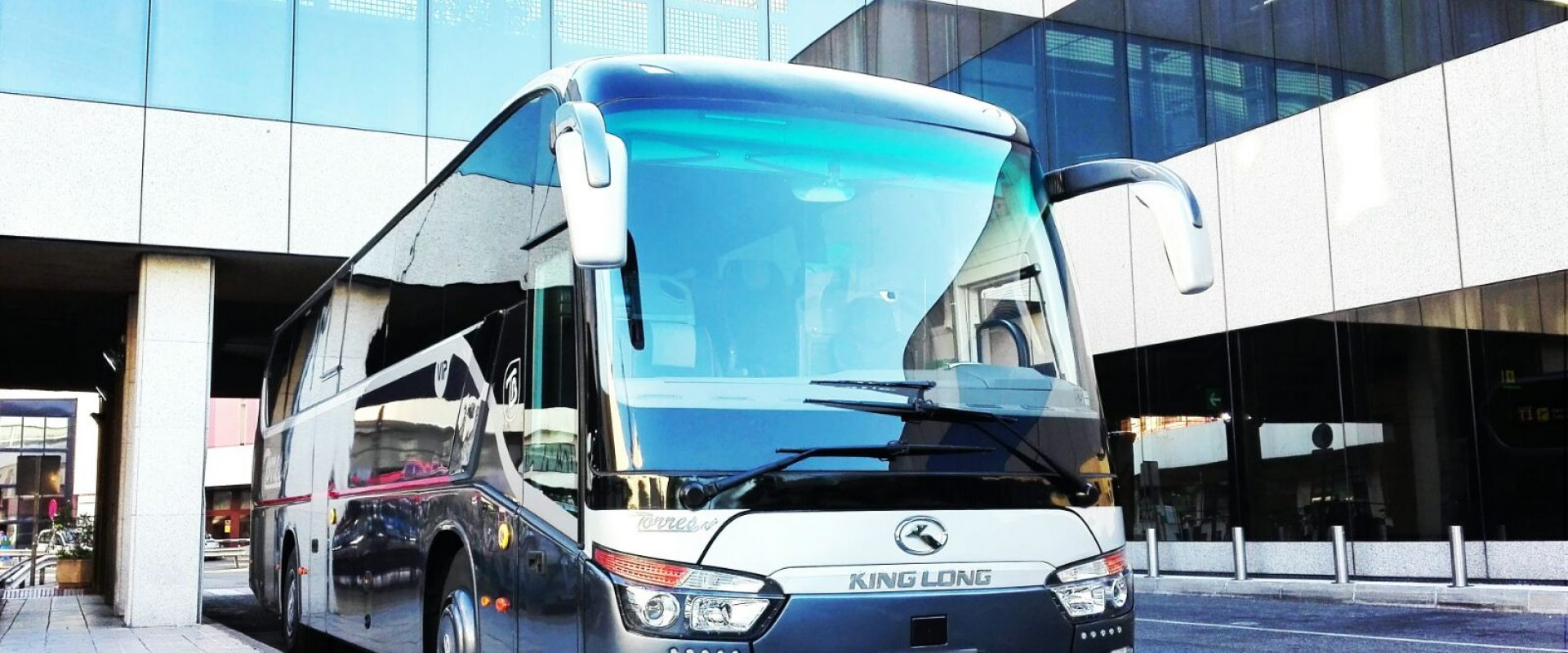

Picture this: you’ve just booked a venue for a wedding in the heart of Madrid, the guest list is swelling, and you’re suddenly hit with the question, “how much does it cost to rent a bus?”
It’s a moment that feels both exciting and a little nerve‑wracking – you want everything to run smoothly, but you also don’t want the transport bill to surprise you later.
In our 30‑year run as a family‑owned transport firm, we’ve seen the same worry pop up for event planners, corporate teams, and even small groups heading to a pilgrimage. The truth is, the price isn’t a one‑size‑fits‑all number; it’s a mix of vehicle size, distance, season, and the level of service you need.
Let’s break it down together. A 7‑seat luxury van for a short airport shuttle might start around €80‑€100 per round‑trip, while a 50‑seat coach for a full‑day excursion to Toledo can range from €350 to €500, depending on mileage and any extra stops.
And what about those special requests? Adding a wheelchair‑accessible ramp, a dedicated driver who speaks English, or a refreshment service will adjust the cost, but usually only by a modest percentage.
So, how do you keep the budget in check? First, map out the exact itinerary – every pick‑up, drop‑off, and estimated travel time. Second, decide on the vehicle class that matches your group size and comfort expectations. Third, ask for a detailed quote that spells out fuel, driver fees, and any optional extras.
Most of the time, the biggest surprise comes from hidden fees like tolls or overtime charges. That’s why we always provide a transparent breakdown up front, so you know exactly what you’re paying for.
Ready to get a clear picture of the cost for your next trip? Think of it as a simple checklist: group size, route, dates, and any add‑ons. Once you have those, a quick call to a trusted provider – like Torres Bus – will give you a solid estimate without any guesswork.
Let’s dive deeper into each cost factor in the sections that follow, so you can plan with confidence and keep the focus on enjoying the journey.
TL;DR
Choosing the right bus in Madrid depends on group size, route distance, and any extra services, so expect prices from around €80 for a small minivan up to €500 for a full‑size coach.
Just give us seat count, itinerary, dates and any special requests for a clear quote and no hidden fees.
Step 1: Define Your Trip Requirements
Picture this: you’ve just nailed down the venue for a wedding in central Madrid, and now the biggest question buzzing in your head is, “how many seats do we really need and how much will that cost?” That moment is where the budgeting magic starts, and it’s also where most planners stumble – because they skip the very first, essential step.
First, grab a pen (or open a note app) and write down the exact number of passengers. Not “about 30” – the precise count. Include the driver, any special‑needs guests, and even the caterer if they’ll be traveling with you. A clear headcount is the foundation of every cost estimate.
Next, think about the journey itself. Are you shuttling guests from a hotel to the ceremony, or is this a full‑day excursion to Toledo? List every pick‑up and drop‑off, the expected departure times, and the total mileage. The longer the route, the more fuel and driver hours you’ll need, which directly influences the price.
Now, ask yourself: what extras are non‑negotiable? Maybe you need a wheelchair‑accessible ramp, a bilingual driver, or a mini‑bar for the bride’s party. Jot these down because every addition adds a line‑item to the quote. In our experience, a small request like a bottled‑water station usually adds only a few euros per passenger, but it can be a game‑changer for comfort.
Here’s a quick checklist to keep you on track:
- Exact passenger count (including driver)
- All pick‑up/drop‑off locations and times
- Estimated total distance (km)
- Desired vehicle class (minivan, 16‑seat mini, 50‑seat coach)
- Special services (accessibility, language, refreshments)
Once you have this spreadsheet‑style list, you’ll find it a lot easier to compare quotes. And if you’re wondering where to see real‑world pricing examples, our Rent a Bus for Madrid Airport Transfer guide breaks down costs by vehicle size and distance, giving you a solid benchmark before you even pick up the phone.
But let’s not forget the little details that can bite you later. Do you need to account for tolls on the highway to Segovia? Will the driver be on‑call after midnight, triggering overtime fees? Write those questions next to each line item – it forces the provider to be transparent.
And here’s a pro tip: create a simple visual map of your route. A quick sketch on a napkin or a Google Maps screenshot helps the driver understand the logistics and can even shave off unnecessary detours, saving you both time and money.
When you walk through these steps, the dreaded question “how much does it cost to rent a bus?” becomes less of a mystery and more of a calculated answer. You’ll have a clear, itemised list to hand over to any reputable provider, and you’ll know exactly which numbers are negotiable and which are fixed.
Finally, think about the paperwork. A written brief that includes all the points above not only speeds up the quoting process but also protects you from hidden fees later on. It’s like giving the driver a GPS – everyone knows the destination and the route.
So, take a deep breath, pull out that notebook, and start filling in the blanks. You’ll be amazed at how much smoother the rest of the planning feels once the trip requirements are crystal clear.

Step 2: Choose Bus Size & Seating Capacity
Now that you’ve pinned down how many people are traveling, the next puzzle is picking the right size vehicle so you don’t end up paying for empty seats or cramming everyone in.
In Madrid we work with a fleet that runs from 7‑seat luxury vans all the way up to 70‑seat coaches, and each step up brings a different price bracket, comfort level, and cargo space.
So, how do you decide? Start with three quick questions:
1. How many passengers actually need a seat?
Count every guest, colleague, or pilgrim – even the driver’s seat counts if you’re planning a round‑trip. A group of 12? You’re looking at a 16‑seat minibus or a 12‑seat luxury van, not a 50‑seat coach.
2. How much luggage or equipment will you carry?
Every extra suitcase eats into the usable seating. A standard 16‑seat Sprinter can handle roughly 16 pieces of luggage, while a 30‑seat coach gives you a bit more wiggle room for sport gear or musical instruments.
3. What level of comfort does the event demand?
Wedding guests often expect a VIP feel – leather upholstery, climate control, maybe a mini‑bar. Corporate executives may need Wi‑Fi and power outlets. A simple school field trip can get by with basic seats and a sturdy floor.
Here’s a real‑world snapshot: a corporate client in Madrid needed transport for 32 employees to a conference in Segovia. At first they asked for two 16‑seat minibuses, which would have cost about €1,200 total. We suggested a single 30‑seat coach instead. Not only did the per‑seat price drop by roughly 15 %, but the extra space let everyone spread out laptops and coffee mugs without feeling cramped.
Another example: a wedding planner was moving 20 guests from the ceremony venue to a reception hall across town. Because the couple wanted a “first‑class” vibe, we recommended a 7‑seat luxury van with a driver who also acted as a concierge, handling luggage and greeting guests. The upgrade added just €120 to the base price, but the wow factor was priceless – the bride even mentioned it in her thank‑you notes.
When you’ve answered those three questions, you can map the answers onto a simple decision table. Below is a quick reference that shows the most common size categories, typical seating capacity, and the price range you’ll see when you ask “how much does it cost to rent a bus” in Madrid.
| Bus Size | Seating Capacity | Typical Cost Range (per day) | Best Use Cases |
|---|---|---|---|
| Luxury Van | 7‑9 seats | €80‑€120 | VIP airport transfers, small bridal parties |
| Mini‑bus (Sprinter) | 12‑19 seats | €120‑€200 | Corporate outings, school trips, small tours |
| Coach | 30‑50 seats | €250‑€450 | Large weddings, day‑trips to Toledo, conference shuttles |
Notice the jump in price between a 19‑seat minibus and a 30‑seat coach? That’s where the per‑seat math becomes handy. Multiply the number of seats you actually need by the average per‑seat rate (often €8‑€12 for a day trip). If you need 25 seats, the ball‑park cost sits around €200‑€300, which lines up with the coach range in the table.
If you want a deeper dive into the pricing mechanics of minibuses, the minibus hire pricing details page breaks down hourly versus daily rates and shows how extra services – like a multilingual driver or onboard refreshments – affect the final quote.
Ready to put this into practice? Follow these actionable steps:
- Open a spreadsheet and list your total headcount, luggage pieces, and comfort must‑haves.
- Match those numbers to the table above – pick the smallest vehicle that meets all three criteria.
- Contact at least two providers (including Torres Bus) and request a quote that itemises fuel, driver fees, and any optional extras.
- Compare the per‑seat cost and look for hidden fees like tolls or overtime.
- Confirm accessibility needs early – if you need a wheelchair‑friendly ramp, add it before the quote is finalized.
And remember, the cheapest option isn’t always the smartest one. A slightly larger coach might save you money per seat and give you the breathing room you need for a smooth, on‑time journey.
Take a moment after watching the video to jot down the exact seat count you need, then run it through the checklist above. You’ll have a solid answer to the lingering question: “how much does it cost to rent a bus for my event?” before you even pick up the phone.
Step 3: Get Accurate Pricing Quotes
Alright, you’ve done the homework – you know how many seats you need, what luggage you’ll carry, and the vibe you want. Now it’s time to turn that checklist into a real number on the page. Getting a clear, itemised quote is the only way to answer the burning question: how much does it cost to rent a bus without any nasty surprises later.
Start with a simple request template
Instead of scribbling a vague email, pull up a fresh document and list the basics:
- Exact seat count (including driver if it’s a round‑trip)
- Pick‑up and drop‑off locations, plus any intermediate stops
- Dates and times – be clear about early‑morning or late‑night windows
- Special services (wheelchair ramp, multilingual driver, onboard refreshments, Wi‑Fi, etc.)
When you feed this straight‑to‑the‑point brief to a provider, you’ll get back a spreadsheet‑ready quote rather than a paragraph of “we’ll discuss details later.”
Contact at least two providers
Even if you already have a favourite (like Torres Bus), a quick phone call or email to another reputable company gives you a benchmark. You’ll see how fuel surcharges, driver‑hour rates, and optional extras differ. This little bit of competition often squeezes the price down by 5‑10 %.
Pro tip: ask each provider to break the total into line items – fuel, driver fee, tolls, overtime, and any ancillary costs. When the numbers sit side by side, hidden fees pop out like a sore thumb.
Watch out for common hidden costs
We’ve seen planners shocked by a €50 toll surcharge that wasn’t mentioned until the final invoice. Same with overtime: if your itinerary runs past the agreed‑upon hours, some companies charge a flat €25 per extra hour, others go by a per‑kilometre rate. Make sure the quote states the exact cut‑off time and the rate for any extension.
Don’t forget insurance. A basic liability cover is usually included, but if you’re transporting valuable equipment (cameras for a film crew, musical gear for a concert) you’ll need an extra clause. Ask for the cost up front and note it in your spreadsheet.
Use a quick cost‑per‑seat calculator
Once you have two or three line‑item quotes, do a simple per‑seat math. Divide the total (excluding optional add‑ons you don’t need) by the number of seats you’ll actually use. If one quote shows €12 per seat and another €9, the cheaper option probably gives you more room to negotiate on extras.
Here’s a mini‑example: a wedding planner needed 20 seats for a ceremony shuttle. Provider A quoted €350 total, including a €30 toll and €20 for a mini‑bar. Provider B quoted €320, but listed a €15 fuel surcharge and €10 for a driver‑language premium. Both break down to roughly €16 per seat, but Provider B leaves €15 to play with if you decide to add a wheelchair ramp later.
Confirm accessibility and compliance early
If you have guests with reduced mobility, ask specifically for a PMR‑approved vehicle and request a photo of the ramp. Some companies charge a flat €40 for the ramp, others include it in the base price. Getting that detail in writing prevents a last‑minute scramble.
And remember: the cheapest vehicle on paper might not meet your accessibility needs, which could lead to penalties or unhappy guests.
Seal the deal with a written agreement
When you’ve chosen the best quote, ask the provider to send a PDF contract that mirrors the line‑item breakdown you received. Sign, keep a copy, and double‑check the dates, seat count, and any extra services. A signed agreement is your safety net if the driver shows up late or forgets the refreshments you specifically asked for.
Finally, give yourself a 24‑hour window to review the contract before you confirm. If something feels off, ask for clarification – it’s easier now than on the day of the event.
By following this step‑by‑step process, you’ll turn the vague idea of “how much does it cost to rent a bus” into a concrete number you can budget against. No surprises, no hidden fees, just a clear path to getting your guests where they need to be, comfortably and on time.
Step 4: Understand Additional Fees & Discounts
So you’ve nailed the base price and you’re feeling good—until you glance at the fine print and wonder, “what else am I paying for?” That moment is where most event planners get caught off guard, and it’s why we spend a few minutes demystifying the extra line items that can pop up on any bus rental invoice.
First, remember that the headline number you see on a quote is usually just the vehicle and driver. Everything else—fuel, tolls, overtime, even a little “airport surcharge”—gets added later. Knowing what each charge means lets you decide whether it’s a legitimate cost or a negotiable add‑on.
Fuel surcharges
In Spain, fuel prices fluctuate daily, so many companies include a “fuel surcharge” to protect themselves from sudden spikes. It’s usually calculated as a flat € per kilometre or a percentage of the base fare. If your itinerary is short and the bus runs mostly in the city, you can ask to cap the surcharge at a realistic rate, or even request a fuel‑included price up front.
Imagine you’re planning a wedding shuttle from the hotel to the ceremony venue—just 15 km total. A €0.30/km fuel surcharge adds €4.50, which is peanuts compared to the overall cost, but it still shows up on the invoice. A quick question to the provider, “Can we lock fuel at today’s price?” often does the trick.
Tolls and mileage
Tolls are another hidden culprit, especially on routes that cross the M‑30 or head out to Toledo. Some operators bundle tolls into the quote; others list them separately. Ask for a detailed toll estimate based on your exact route, and verify it against an online toll calculator.
For a corporate roadshow that snakes through several highways, tolls can easily climb to €30‑€50. Knowing this ahead of time lets you decide whether to route around toll roads or budget for them explicitly.

Overtime and extra stops
Most contracts define a “standard day”—usually eight hours of service. Anything beyond that is billed as overtime, often at a flat €25‑€35 per extra hour or a per‑kilometre rate. If you anticipate a late‑night after‑party drop‑off, build that hour into your original quote instead of treating it as an surprise.
One of our recent clients scheduled a concert crew transfer that ran two hours over. Because we had already discussed a €30 overtime fee, the final bill was crystal clear and the crew didn’t have to scramble for cash on the spot.
Seasonal and weekend premiums
Summer festivals, Christmas markets, and big sports events push demand higher, and many companies add a 10‑15 % premium for peak days. It’s not a hidden fee—just a price adjustment. Still, you can negotiate a lower rate if you book early or agree to a flexible date window.
Think about a pilgrimage group traveling in May. Booking three months ahead gave them a 12 % discount compared to a last‑minute request, saving them a few hundred euros.
Discounts you can ask for
Don’t assume the quoted price is final. Here are a few discounts that often go unmentioned: bulk‑seat discounts for groups over 30, repeat‑customer credits, and “off‑peak” savings for early‑morning or late‑evening trips. When you request a written quote, add a line like, “Please include any applicable discounts for repeat business or large groups.”
We’ve seen event planners secure a 5 % discount simply by mentioning that they’re also planning a follow‑up corporate outing two months later. It’s a tiny ask that can translate into real savings.
Quick checklist to avoid surprise fees
- Ask for a line‑item breakdown that lists fuel, tolls, driver overtime, and any surcharges.
- Confirm whether tolls are included or billed separately.
- Set a clear cut‑off time for overtime and get the exact hourly rate.
- Inquire about seasonal premiums and ask if an early‑booking discount applies.
- Request any bulk‑seat or repeat‑client discounts in writing.
- Get everything in a PDF contract and review it at least 24 hours before signing.
By walking through each of these extra cost categories, you turn the vague question “how much does it cost to rent a bus?” into a concrete, predictable budget. You’ll know exactly where each euro is going, and you’ll feel confident that no surprise charges will ruin your event day.
Step 5: Compare Providers & Book Confidently
Now that you’ve got a clear, line‑item quote in hand, the real fun begins – figuring out which company gives you the best bang for your buck without any nasty surprises.
Gather at least three offers
Even if Torres Bus is your go‑to, a quick call to another local operator helps you see how the market prices fuel, overtime and tolls. Request the same spreadsheet‑ready format from each provider – identical seat count, same pick‑up/drop‑off points, identical dates. When the numbers line up, you’ll spot the outliers instantly.
Does one company bundle tolls while another lists them separately? Does a competitor charge €0.35 /km for fuel versus a flat €30 fee? Those differences can add up to a hundred euros or more.
Check the fine print for hidden fees
Take the PDFs and scan for anything that reads “additional charges may apply.” Look for:
- Overtime clauses – is the cut‑off 8 hours or 10 hours?
- Extra‑stop fees – does the driver charge per additional pick‑up?
- Parking or city‑center surcharges – especially for airport or train‑station drops.
If the language is vague, fire off a clarification email. “Just to be clear, does the €25 overtime rate apply after 8 am or after the agreed 8‑hour window?” A prompt answer saves you a nasty invoice later.
Factor in service quality
Price is only half the story. A €10‑per‑seat quote sounds great until the driver shows up an hour late, the air‑conditioning sputters, or the Wi‑Fi never connects. In our experience, providers that give you a dedicated point of contact and a detailed contract tend to be more reliable.
Ask for references – not glossy testimonials, but a quick phone call to a recent client. Real‑world feedback on punctuality, cleanliness and driver professionalism is worth more than a few euros saved.
Run the per‑seat math
Take the total cost (excluding optional extras you don’t need) and divide by the number of seats you’ll actually use. For example, a 30‑seat coach quoted at €420 equals €14 per seat. If a 50‑seat bus costs €560, that’s €11.20 per seat – a lower per‑seat price even though the headline number is higher.
When you compare, keep your must‑haves in mind: wheelchair ramp, multilingual driver, on‑board refreshments. If a cheaper offer skips the ramp you need, it’s a non‑starter.
Negotiate the final terms
Now that you know the market range, it’s time to ask for a little wiggle room. A simple, “We’ve received a €50 lower quote from another company; can you match or beat it?” works surprisingly often. Mention any repeat‑business potential – many providers will throw in a 5 % discount for a second booking.
Don’t forget to lock in the discount in writing. Add a line to the contract: “A 5 % repeat‑client discount is applied to the total amount as agreed on
Seal the deal with a PDF contract
When you’ve settled on the provider, ask them to send a PDF that mirrors the itemised quote you reviewed. Double‑check these three items before you sign:
- Seat count and vehicle class match your spreadsheet.
- All fees – fuel, tolls, overtime, insurance – are listed with exact amounts.
- Cancellation policy and any penalties are clearly spelled out.
Sign, store the file in a folder labelled “Bus Rental – Event [Date]”, and share a copy with your team. A 24‑hour review window is a good habit – if something feels off, you still have time to renegotiate.
Bottom line? Comparing providers isn’t just about the lowest number. It’s about aligning price, transparency and service quality so you can book confidently, knowing the bus will show up on time, run smoothly and stay within budget.
FAQ
How much does it cost to rent a bus for a day trip from Madrid?
For a typical day‑trip – say Madrid to Toledo or Segovia – you’re looking at a 30‑ to 50‑seat coach. In our experience the total usually lands between €250 and €450, depending on mileage, fuel surcharge, and any extra stops. If you’re travelling with fewer than 20 people, a 12‑seat minibus can bring the price down to roughly €120‑€200. Always ask for a line‑item quote so you can see exactly what’s included.
What hidden fees should I watch out for when booking a bus?
Hidden fees love to pop up in the fine print. Common ones are fuel surcharges (often €0.30‑€0.35 per kilometre), tolls on highways, overtime if the itinerary runs past the agreed‑upon hours, and sometimes a city‑centre surcharge for airport or train‑station drops. Ask the provider to list each of these separately and set a clear cut‑off time for overtime – that way you won’t be surprised by a €50 extra charge later.
Can I get a discount if I’m booking multiple trips or a repeat event?
Absolutely. Many operators, including us, offer bulk‑seat discounts for groups over 30, and a repeat‑client credit of 5 % is pretty common. It helps to mention that you have another event in a few months when you request the first quote. Get the discount written into the contract and double‑check that the same rate applies to any add‑ons you might add later.
Is it cheaper to rent a larger coach than several smaller minibusses?
Usually, yes. A single 30‑seat coach often works out to a lower per‑seat cost than two 12‑seat minibusses, especially once you factor in driver fees and fuel. For example, a 30‑seat coach at €350 spreads to about €11.70 per seat, whereas two 12‑seat minibusses at €200 each total €400, which is €16.70 per seat. The larger vehicle also gives you more room for luggage and comfort.
Do I need to pay extra for wheelchair‑accessible vehicles?
Most providers include a ramp or lift as part of the base price for PMR‑approved coaches, but some charge a flat €40‑€50 fee. It’s worth confirming early – a missing ramp can turn a smooth trip into a legal headache. Ask for a photo of the ramp and make sure the accessibility feature is listed in the line‑item breakdown before you sign the contract.
How far in advance should I book a bus for a wedding or corporate event?
We recommend securing your vehicle at least 4‑6 weeks ahead, especially for peak seasons like summer festivals or holiday periods. Early booking often unlocks a 10‑15 % seasonal discount and gives you ample time to lock in the exact itinerary, driver language preferences, and any on‑board amenities like Wi‑Fi or refreshments. If your dates are flexible, even a small shift can save a few hundred euros.
Conclusion
We’ve walked through everything you need to answer the dreaded question—how much does it cost to rent a bus—without getting lost in jargon.
Remember, the real cost is a mix of seat count, vehicle class, fuel, tolls and any add‑ons like wheelchair ramps or Wi‑Fi. A quick spreadsheet that multiplies seats by the average per‑seat rate (usually €8‑€12 for a day trip) gives you a solid ballpark before you even call a provider.
So, what should you do next? Grab that simple table we suggested earlier, plug in your headcount, and reach out to at least two operators for itemised quotes. Compare per‑seat numbers, check for hidden fees, and make sure accessibility needs are written into the contract.
In our experience, booking 4‑6 weeks ahead not only locks in the price but often unlocks a seasonal discount. And if you’re planning multiple trips, ask for a bulk‑seat or repeat‑client discount—it’s usually a quick win.
Bottom line: a transparent, line‑item quote plus a little math lets you control your budget and avoid surprises on the day of the event.
Ready to turn those numbers into a stress‑free ride? Contact Torres Bus for a personalised, no‑obligation quote and keep your guests moving smoothly.