
Ever found yourself juggling a dozen suitcases, a handful of eager guests, and a ticking clock, wondering how on earth you’ll get everyone from the airport to the hotel without a single panic moment?
It’s a scenario that many event planners, wedding couples, and corporate travel coordinators know all too well – the stress of coordinating group transport in a bustling city like Madrid.
That’s where alquiler microbus con conductor Madrid steps in, turning a logistical headache into a smooth, worry‑free ride.
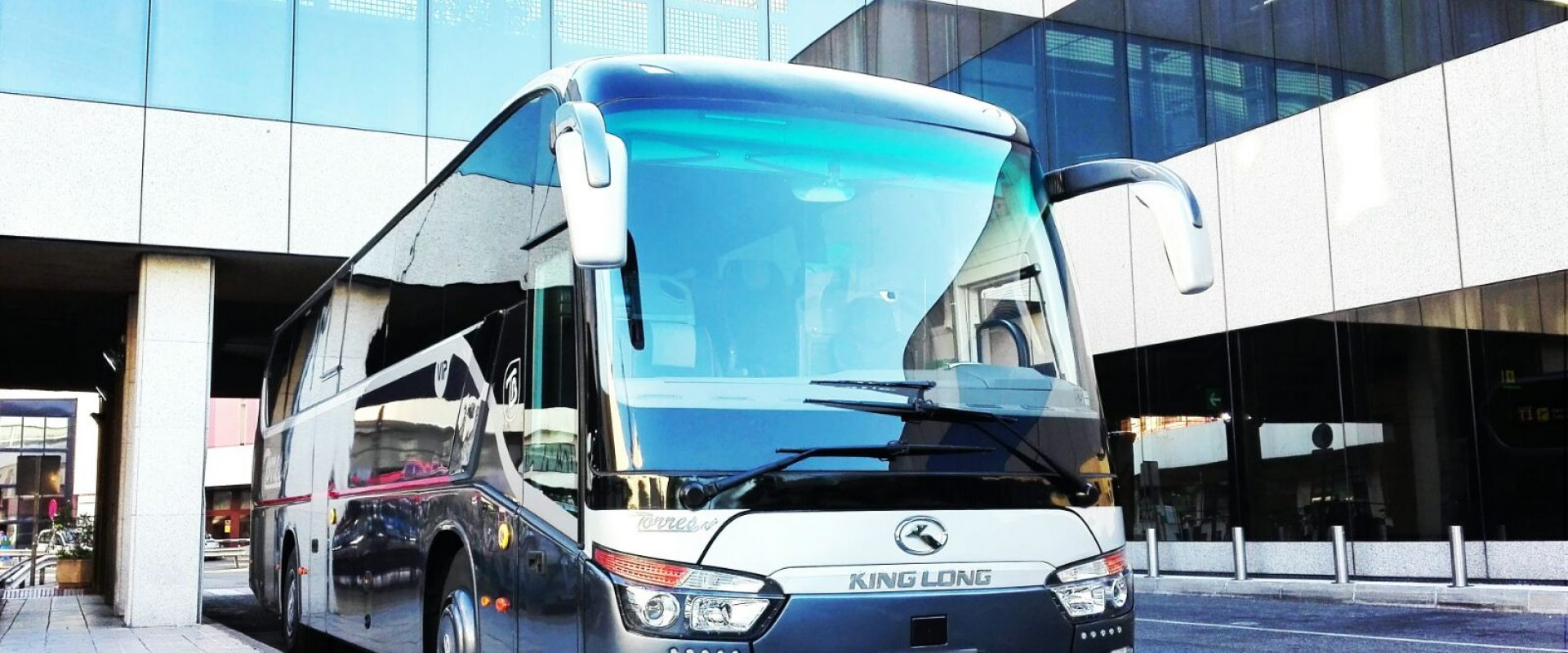
Imagine a modern, climate‑controlled vehicle, a professional driver who knows the shortcuts, and a fleet that can seat anywhere from seven to twenty‑five passengers – all ready to arrive on time, every time.
Torres Bus, a family‑owned company with more than three decades of experience, knows Madrid’s streets like the back of its hand and treats each group as if it were its own family.
So, whether you’re planning a wedding convoy, a corporate off‑site, or a school field trip to Toledo, you probably wonder: will the driver be punctual, will the seats be comfortable, and will the price be transparent?
In the next few sections we’ll walk through exactly how to choose the right microbus, what questions to ask your driver, and how to lock in a deal that respects both your budget and your guests’ comfort.
Ready to take the guesswork out of group travel and enjoy Madrid without the stress? Let’s dive in and discover how the right alquiler microbus con conductor can make your event run like clockwork.
What’s even better? Many clients tell us they’ve saved hours of planning time because our driver handles everything from door‑to‑door coordination to real‑time traffic updates.
Stay with us, and by the end you’ll have a clear checklist, insider tips, and confidence to book the perfect microbus that turns any Madrid outing into a seamless experience.
TL;DR
Choosing the right alquiler microbus con conductor Madrid means getting a punctual, comfortable ride that fits your group size and budget without hidden fees always.
Follow our quick checklist, ask the right questions, and book Torres Bus for stress‑free travel that turns any Madrid outing into a seamless, memorable experience.
Understanding Your Needs: Choosing the Right Microbus Capacity and Features
Ever stood in the airport lobby, staring at a spreadsheet of guest names and wondering if a seven‑seat van can really fit the whole crew plus three suitcases each? Yeah, I’ve been there. The good news is you don’t have to guess—you can match the microbus to the vibe of your event.
First thing’s first: size matters, but not just for the number of seats. A microbus, minibus and midibus each have their own sweet spot. A microbus typically seats up to nine people, including the driver, and measures about 4‑5 metres long according to industry definitions. A minibus stretches to around 8 metres and can carry up to 30 passengers, while a midibus sits between 8‑11 metres for groups that have outgrown a minibus but don’t need a full‑size coach.
How many seats do you really need?
Start by counting heads, then add a buffer for luggage, equipment or that extra cup of coffee you all love. If you’re moving a wedding party of 18 plus a couple of grandparents with suitcases, a 16‑seat microbus gives you breathing room without feeling cramped. For a corporate off‑site of 25 people, a 25‑seat microbus hits the sweet spot – you avoid the awkward “stand‑up‑and‑hold‑on” moments that happen on a too‑small vehicle.
Here’s a quick cheat‑sheet you can paste into your planning doc:
- 7‑9 seats: intimate family trips, airport‑to‑hotel shuttles for small groups.
- 12‑16 seats: wedding escorts, small sports teams, corporate breakout groups.
- 20‑25 seats: medium‑sized conferences, school field trips, city tours.
- 30+ seats: large corporate events, concert crews, multi‑family gatherings.
But seat count is just the start. Think about the journey itself. Will you be cruising on the highway or navigating narrow Madrid streets? A shorter wheelbase microbus slides through alleys more easily, while a longer vehicle offers extra legroom for longer trips.
Feature checklist – what should you ask for?
When you call Torres Bus, they’ll walk you through a menu of add‑ons. Below are the most common features that separate a “just‑a‑van” from a truly comfortable ride.
- Climate control: A fully air‑conditioned cabin keeps everyone happy whether you’re heading to a summer wedding in Retiro or a winter corporate retreat.
- Wi‑Fi & charging ports: Essential for presenters, photographers, or anyone who can’t live without a meme break.
- Wheelchair‑accessible ramps: If you have guests with reduced mobility, look for a vehicle adapted for PMR (personas con movilidad reducida).
- Entertainment system: Some luxury Sprinter‑class microbuses come with built‑in screens – perfect for kids on a day‑trip to Toledo.
- Separate luggage compartment: Keeps the passenger area clutter‑free.
One provider notes that their Sprinter‑class microbus offers “high‑level details” and a luxury feel that can elevate a VIP transfer according to the vehicle specs. That’s the kind of upgrade that turns a simple shuttle into a first‑class experience.
Now, picture this: you’ve booked a 16‑seat microbus, the driver greets you by name, the climate is perfect, the Wi‑Fi is humming, and everyone settles in with a smile. That’s the moment you’ll remember, not the logistics headache.
To make the decision even easier, grab a pen and run through this tiny worksheet before you call a quote:
- Count your guests and add 10‑15% for luggage.
- Match that number to the capacity chart above.
- Pick three must‑have features (climate, Wi‑Fi, accessibility).
- Ask the provider if those features are standard or extra.
If the answer feels clear, you’re ready to lock in your microbus. If you’re still on the fence, think about the “what‑if” scenarios: a sudden rainstorm, an extra‑large suitcase, or a last‑minute guest. A slightly larger vehicle with extra storage can save you from a scramble later on.
Remember, the right microbus isn’t just about numbers; it’s about the feeling of confidence when the driver says, “We’re all set, let’s go.” That peace of mind is what turns a chaotic group move into a smooth, memorable part of your Madrid adventure.
Step‑by‑Step Process to Book a Microbus with Driver in Madrid
So you’ve decided a microbus is the way to go, but the thought of actually booking one can feel a bit like standing at a crossroads with a map upside‑down. Trust me, you’re not alone – most planners hit that moment of “where do I even start?” Let’s walk through it together, step by step, so you end up with a driver who knows the back streets of Madrid like the inside of his own kitchen.
1️⃣ Clarify the basics: group size, dates, and must‑have features
First, write down the hard numbers: how many passengers, how much luggage, and whether you need wheelchair access or a Wi‑Fi hotspot. Add a 10‑15% buffer for unexpected guests or oversized suitcases – it’s a tiny extra that saves a lot of scrambling later. Jot these details on a sticky note or a quick Google Doc; having them in front of you will make every subsequent call feel purpose‑driven.
Real‑world tip: For a wedding convoy of 22 guests plus two grandparents with large suitcases, I chose a 25‑seat microbus. The extra seats gave us breathing room, and the driver could stash the luggage in a separate compartment, keeping the passenger area tidy.
2️⃣ Reach out for quotes – keep it focused
When you call Torres Bus, have your checklist ready. Ask for a quote that includes the driver’s fee, meals, and any overnight hotel stays – Torres Bus includes those costs upfront, so there are no surprise line‑item emails later. Most companies respond within 24 hours; you’ll get a clear price breakdown and a short description of the vehicle.
Pro tip: Request the quote in writing (email is perfect). That way you can compare side‑by‑side with any other offers you might be considering.
3️⃣ Verify the driver’s credentials and insurance
In Spain, any driver transporting more than nine passengers must hold a professional licence (carta de conductor de transporte). Ask the provider for proof – a copy of the licence and the vehicle’s insurance certificate. A reputable company like Torres Bus will gladly share these documents without hesitation.
Example: I once booked a microbus for a corporate off‑site and the driver showed me his licence, insurance, and a quick safety checklist he runs before every trip. That extra layer of confidence made the whole team relax.
4️⃣ Confirm the vehicle’s features
Now that you know the price and the driver, double‑check the cabin amenities. Does it have climate control? Are USB ports within reach of every seat? Is there a ramp for reduced‑mobility guests? If any of these are “optional,” ask about the additional cost and decide if it’s worth it for your group.
For a day‑trip to Toledo with a photography crew, I insisted on a microbus with built‑in charging stations and a rear‑facing monitor for reviewing shots on the go. The driver set it up before we left the hotel, and the whole crew stayed powered all day.
5️⃣ Review the contract and cancellation policy
Before you sign, skim the contract for two key items: the cancellation window (most providers allow a full refund up to 48 hours before departure) and any fuel‑or‑kilometre surcharges. If something feels vague, ask for clarification – a transparent contract is a sign of a trustworthy operator.
Remember, a solid contract protects both you and the driver, especially if Madrid traffic throws an unexpected delay your way.
6️⃣ Pay the deposit and lock in the date
Once everything checks out, pay the deposit (usually 20‑30% of the total). Most companies accept bank transfer or credit card. Keep the receipt in your email folder; you’ll need it if you have to reference the booking later.
Quick tip: Ask the driver for a direct phone number and a backup contact at the office. That way, if the weather changes or you need a last‑minute tweak, you have a human on the other end instantly.
7️⃣ Do a final pre‑trip checklist
One day before the ride, run through this short list:
- Confirm the pickup address and time with the driver.
- Verify that the vehicle’s climate control is set to a comfortable temperature.
- Check that Wi‑Fi and charging ports are active.
- Ensure any accessibility equipment is installed correctly.
- Send a quick “thank you” message to the driver, reinforcing the friendly vibe.
Following this routine turns a potential hiccup into a smooth, confidence‑boosting moment for everyone.
If you want a broader view of everything you should consider when hiring a minibus with a driver, check out Everything You Need to Know About Minibus Hire Madrid with Driver. It breaks down the same steps with extra case studies you might find useful.
And there you have it – a clear, human‑focused roadmap that takes you from “I need a bus” to “We’re on the road, windows down, music playing, and everyone’s smiling.” The key is to treat the booking like a conversation, not a transaction, and you’ll walk away with a driver who feels more like a friend than a service.
Comparing Pricing Models and Hidden Costs
When you start looking at alquiler microbus con conductor Madrid options, the first thing that catches your eye is the price. But a low number on the quote doesn’t always mean you’re getting the best deal.
Let’s break down the three most common pricing models you’ll see in the market, and then shine a light on the hidden fees that can pop up if you’re not paying attention.
Flat‑rate vs. hourly vs. all‑inclusive packages
Flat‑rate quotes are appealing because they give you one number for the whole trip. You know exactly what you’ll pay whether the traffic slows you down or the party arrives a few minutes early.
The downside? Many providers base the flat rate on an assumed average mileage and time. If your route takes longer than expected, you might get a “fuel surcharge” added later.
Hourly rates charge you for every hour the vehicle is on the road, usually with a minimum block of time. This model is flexible for events that could stretch, like a wedding ceremony followed by a reception at a different venue.
Watch out for “extra‑hour” fees that kick in as soon as you cross the minimum threshold. Some companies round up to the next full hour, turning a 3‑hour‑and‑10‑minute trip into a 4‑hour bill.
All‑inclusive packages bundle the driver’s fee, fuel, tolls, parking, and sometimes even Wi‑Fi or refreshments into one price. It sounds like a no‑surprise solution, and it often is—if you read the fine print.
Hidden costs can still hide in the details: mileage caps, “overnight hotel” allowances for the driver, or extra charges for climate‑control upgrades if you need them on a scorching summer day.
Typical hidden costs to watch
1. Fuel surcharges – Even with a flat rate, a provider may add a per‑kilometre fee if the odometer exceeds a set limit.
2. Parking and toll fees – Some quotes exclude city tolls or parking in central Madrid, and they’ll bill you later.
3. Driver overtime – If your itinerary runs late, the driver may need to stay beyond the contracted hours, and that overtime can be pricey.
4. Cleaning or extra‑equipment fees – A request for additional USB ports, a portable Wi‑Fi hotspot, or a deep‑clean after a night‑time event can add a line‑item you didn’t anticipate.
5. Cancellation penalties – Most contracts have a 48‑hour window for a full refund, but if you cancel after that, you could lose 50 % of the deposit.
Do you see the pattern? The biggest surprise often comes from “what’s not included” rather than the headline price.
So, how do you keep the budget under control?
- Ask for a detailed cost breakdown before you sign anything.
- Confirm whether fuel, tolls, and parking are already baked into the quote.
- Check the driver’s overtime policy and see if there’s a cap you can negotiate.
- Request a written list of any optional add‑ons and their exact prices.
When you compare two providers side by side, use a simple checklist. That way you’ll spot the “extra‑hour” clause in one offer and the “fuel surcharge” in another, and you can decide which hidden cost you’re more comfortable handling.
Remember, the cheapest headline price isn’t always the cheapest overall. A slightly higher flat‑rate that includes everything you need can end up saving you both money and headaches.
Below is a quick visual summary to help you line up the options.
| Pricing Model | What’s Usually Covered | Common Hidden Costs |
|---|---|---|
| Flat‑rate | Driver, vehicle, basic fuel | Fuel surcharge, mileage cap, extra‑hour fees |
| Hourly | Driver time, vehicle use | Rounding‑up hours, overtime, parking/tolls |
| All‑inclusive package | Driver, fuel, tolls, parking, Wi‑Fi | Equipment upgrades, cleaning fees, cancellation penalties |
Take a moment now to write down which model feels most natural for your event. If you’re planning a wedding with a set timeline, a flat‑rate or all‑inclusive package often feels safest. For a corporate roadshow that might shift venues, an hourly rate gives you the wiggle room you need.
And finally, always ask the provider to walk you through the contract line by line. A quick 15‑minute chat can reveal a hidden cost before it becomes a surprise on the invoice.
Armed with this comparison, you’ll be able to choose a pricing structure that matches your budget and your peace of mind.

Top Scenarios for Hiring a Microbus in Madrid
1. Weddings and wedding receptions
We all know the panic that hits when the bridal party needs to travel together, especially if the ceremony is in a historic venue and the reception is across town. An alquiler microbus con conductor Madrid lets you move seven to sixteen guests in comfort, with a professional driver who knows the best routes around traffic spikes near the city centre. You can focus on the vows while the driver handles the parking.
Tip: ask for a vehicle with climate control and a small bar‑area – it turns a simple ride into a mini‑pre‑party.
2. Corporate roadshows and off‑site meetings
Imagine a morning presentation at a coworking hub in Chamartín, followed by an afternoon workshop in the historic centre. Jumping between locations in a regular taxi wastes time and money. A microbus gives you a mobile office: Wi‑Fi, power outlets, and enough space for laptops and presentation material.
We’ve seen teams load up a 25‑seat bus, hold a quick brainstorming session on the way, and arrive refreshed because the driver kept a steady pace and avoided the rush‑hour bottlenecks.
3. Airport transfers for groups
Whether it’s a sports team heading to Barajas or a family reunion flying in from abroad, coordinating dozens of individual rides is a logistical nightmare. With a hired microbus, everyone meets at a single pick‑up point, the driver handles luggage, and you all land at the terminal together.
Pro tip: request a “meet‑and‑greet” service – the driver waits at arrivals with a sign, so no one gets lost in the crowds.
4. School trips and educational outings
Field trips to Toledo, Segovia or the Royal Palace become safe, structured adventures when a driver familiar with school‑group regulations is in charge. You can count on seat belts, a clear safety checklist, and a driver who knows how to keep a noisy bunch under control.
Ask for a vehicle with a rear‑view monitor – teachers love being able to see what’s happening out the back while they supervise the students.
5. Cultural festivals and concert tours
Madrid’s vibrant festival calendar means crews, equipment, and fans often need to move quickly from one venue to another. A microbus with a spacious loading area can carry instruments, lighting rigs, or even a small stage set‑up, while the driver coordinates with venue staff to secure quick loading zones.
One organizer told us they saved hours by avoiding multiple truck rentals and instead used a single 30‑seat microbus with a built‑in ramp.
6. Religious pilgrimages and group pilgrimages
For pilgrimages to nearby sanctuaries or day‑long processions, comfort and accessibility are non‑negotiable. Many microbuses are equipped with wheelchair ramps and extra‑wide doors, ensuring that elderly or reduced‑mobility participants travel with dignity.
Make sure to confirm the driver’s experience with group prayer stops – a little extra patience goes a long way.
7. Private tours and sightseeing excursions
When you want to explore Madrid’s hidden gems – the La Latina tapas trail, the Royal Botanic Garden, or a sunset view from Casa de Campo – a microbus offers a flexible itinerary. The driver can act as a local guide, suggest off‑the‑beaten‑path spots, and park in those narrow historic streets where larger coaches can’t go.
Don’t forget to request a vehicle with a panoramic roof; it turns every photo stop into a Instagram‑worthy moment.
So, which of these scenarios matches your next event? Whatever the reason, hiring a microbus with a professional driver in Madrid gives you peace of mind, a touch of luxury, and the freedom to enjoy the journey as much as the destination.
Legal, Insurance and Accessibility Considerations
When you’re planning a group trip, the last thing you want is a surprise from the regulator or a claim that could stall the whole day. That’s why getting clear on the legal, insurance and accessibility side of alquiler microbus con conductor Madrid is as important as picking the right vehicle.
Understanding the legal framework
First off, any microbus that carries passengers in Spain must hold an official national licence for transport with a driver. This licence guarantees that the operator complies with the European Union’s road‑safety directives, from driver work‑hour limits to vehicle inspections.
In practice, that means you should ask the provider for a copy of the licence number and verify it with the Dirección General de Tráfico. A reputable company like Torres Bus will have the licence displayed on the vehicle and can show you the latest ITV (technical inspection) certificate on request.
Another legal piece is the driver’s qualifications. In Madrid, professional drivers need a “carné de conducir” class D and a “certificado de aptitud profesional” (CAP) that proves they’ve undergone regular medical checks and training on passenger safety. When you book, request proof of both – it’s a tiny step that saves you a lot of headaches later.
Insurance essentials you can’t ignore
Even with a licence, accidents happen. That’s why unlimited liability insurance is a non‑negotiable requirement. It protects you, the passengers, and the driver against third‑party claims, vehicle damage and personal injury.
According to Coche con Conductor’s corporate overview, their fleet carries unlimited liability insurance and complies fully with European transport regulations, which is the benchmark you should expect from any microbus hire in Madrid.
Ask your provider for a copy of the insurance policy and check that it covers:
- Third‑party bodily injury up to €1 million.
- Vehicle damage, including vandalism or weather‑related incidents.
- Passenger personal accident coverage.
- Optional “collision deductible waiver” if you want to avoid out‑of‑pocket costs after a minor bump.
Don’t forget to confirm who pays the deductible – sometimes the client, sometimes the operator. Clarify it in writing before you sign the contract.
Accessibility: making sure everyone can ride
Madrid’s public transport law (Ley 2/2011) obliges operators to provide “vehículos adaptados” for people with reduced mobility (PMR). For a microbus, that usually means a low‑floor entry, a hydraulic ramp, and extra‑wide doors.
Real‑world example: a cultural festival organizer hired a 30‑seat microbus with a built‑in ramp for a group that included senior citizens and a wheelchair‑bound musician. Because the ramp could be deployed in under ten seconds, the crew unloaded the equipment and the performer without missing a beat.
When you’re vetting a bus, ask these specific questions:
- Is the ramp operable by the driver alone, or does it need a second person?
- Are the seat belts and restraint systems suitable for children and adults of all sizes?
- Is there a dedicated space for a wheelchair that can be secured with tie‑down straps?
- Do the doors open automatically, reducing the risk of a stuck entrance on a busy street?
Some operators also offer “assistive staff” – a trained attendant who can help passengers board and settle. It’s a small extra cost that can make a huge difference in comfort and safety.
Actionable checklist before you sign
Grab a pen and run through this quick list. It only takes a couple of minutes, but it protects your budget, reputation and peace of mind.
- Verify the vehicle’s national transport licence and ITV certificate.
- Confirm the driver holds a class D licence and CAP certification.
- Request a copy of the unlimited liability insurance policy; check coverage limits and deductible responsibilities.
- Ask for proof of accessibility features – ramp capacity, wheelchair tie‑down, and door operation.
- Clarify who is responsible for any extra fees (ramp maintenance, assistive staff, insurance deductible).
- Get all answers in writing and attach them to the contract as an amendment.
By ticking these boxes, you turn a potentially risky hire into a smooth, worry‑free experience. And when the day arrives, you’ll be able to focus on the fun – whether that’s a wedding procession, a corporate roadshow, or a pilgrimage – knowing the legal, insurance and accessibility pieces are already taken care of.
Conclusion
After scrolling through all the scenarios—from wedding processions to corporate roadshows—you’ve probably felt that mix of excitement and a tiny knot of doubt about the nitty‑gritty.
Remember, the peace of mind comes from three simple pillars: a valid transport licence, unlimited liability insurance, and genuine accessibility features like ramps and tie‑down straps. When those boxes are checked, the rest of the day just flows.
That’s the magic of a well‑managed alquiler microbus con conductor Madrid hire: you focus on the celebration or the agenda, while the driver and the bus handle safety, punctuality, and comfort.
So, what’s the next move? Do you already have a shortlist of providers, or are you still weighing options?
Take a minute now to run through the checklist one more time—license, driver credentials, insurance copy, accessibility proof, and written cost terms. If anything feels fuzzy, ask for clarification before you sign.
When you’re ready, reach out to Torres Bus. Their 30‑year track record means you’ll get a modern, VIP‑ready microbus and a driver who treats your group like family.
Imagine the relief of arriving at your venue on time, everyone settled, and you still have a moment to enjoy a coffee before the first toast. That’s the difference a professional alquiler microbus con conductor Madrid can make – no surprises, just smooth sailing.
FAQ
What should I look for in the licence of an alquiler microbus con conductor Madrid?
First, ask for the national transport licence number and double‑check it with the Dirección General de Tráfico. The licence proves the operator meets EU safety directives, including regular vehicle inspections (ITV). Also request a copy of the latest ITV certificate – it’s the proof that the bus has passed mechanical checks and is road‑legal for passenger service.
Is unlimited liability insurance really necessary for a group hire?
Absolutely. Unlimited liability insurance shields you, the passengers, and the driver from third‑party claims if something goes wrong. Look for coverage that includes at least €1 million for bodily injury, vehicle damage, and personal accident protection. Ask who pays the deductible – some companies absorb it, others pass it to you – and get that detail in writing before you sign.
How can I verify that the driver is qualified and experienced?
Ask for a copy of the driver’s class D licence and the Certificado de Aptitud Profesional (CAP). Those documents show the driver has passed medical exams and specific passenger‑safety training. A quick call to the company to confirm the driver’s years of experience with group transport – especially for schools or weddings – adds extra peace of mind.
What accessibility features should a microbus have for wheelchair users?
Look for a low‑floor entry, a hydraulic ramp that one person can operate, and a dedicated wheelchair space with secure tie‑down straps. Wide doors that open automatically reduce the risk of getting stuck in traffic. If you have seniors or people with limited mobility, ask whether the bus includes handrails, adjustable seat belts, and an attendant who can help with boarding.
Can I get a price estimate without committing to a full contract?
Yes – most reputable operators will give you a detailed quote after you share the route, passenger count, and any special requests (like a ramp or a panoramic roof). The estimate should break down mileage, driver fees, fuel surcharge, and any optional extras. Use that figure to compare a few providers, but always ask for the terms in writing before you lock anything in.
What’s the best way to handle last‑minute changes to the itinerary?
Keep a clear line of communication with the driver or dispatch office – a quick phone call or WhatsApp message works best. Confirm any additional stops, extra passengers, or timing shifts at least a few hours ahead. Most companies have a flexible policy for minor adjustments, but they may charge a small fee for major changes, so clarify that up front.
How far in advance should I book my microbus for a wedding or corporate event?
For popular dates – like weekend weddings or big conferences – aim to book at least six weeks ahead. That gives the operator enough time to secure the exact vehicle you need and ensure the driver’s schedule aligns. If you’re on a tighter timeline, call the provider directly; many have standby fleets that can accommodate last‑minute requests, though the price may be a bit higher.