
Let’s be honest, planning a group trip in Spain can feel like juggling flaming torches while riding a scooter.
You’ve got a mix of excitement, deadlines, and that nagging fear that someone’s luggage will get left behind or a bus will show up late.
That’s exactly why coach hire Spain is more than just a line on a spreadsheet – it’s the peace of mind that lets you focus on the fun parts.
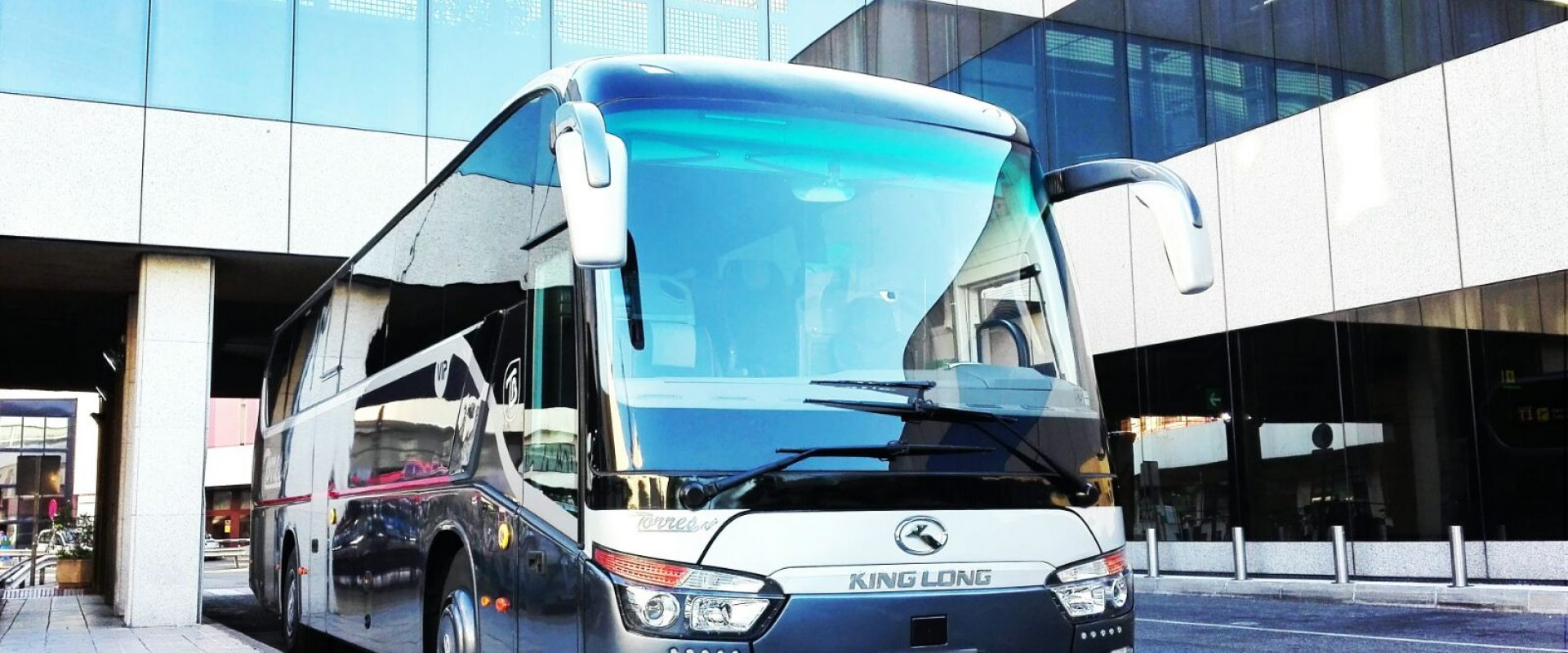
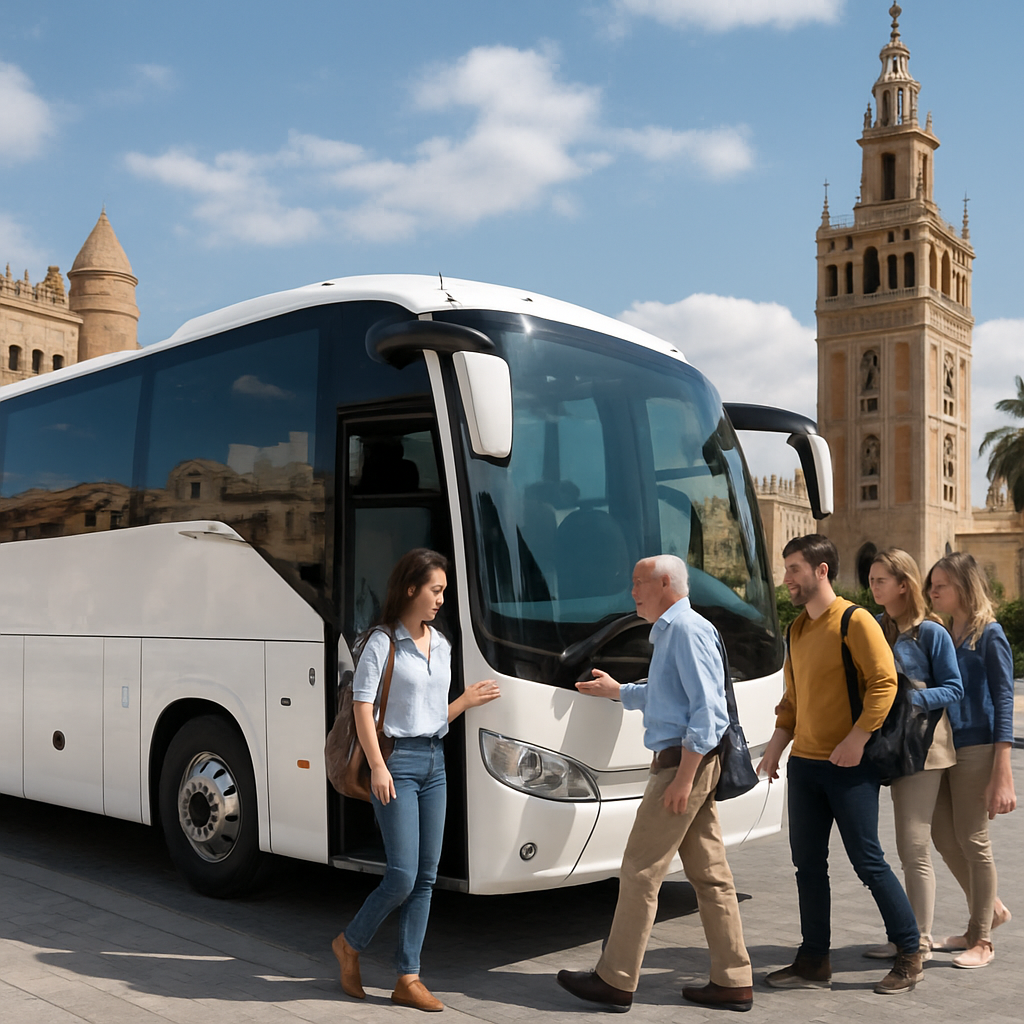
Imagine the moment you step off the plane at Madrid‑Barajas, and a sleek, climate‑controlled coach is waiting, driver smiling, doors opening like a welcome mat. No frantic search for taxis, no scrambling for a dozen cabs.
And when the day turns into an evening celebration—maybe a wedding in a historic villa or a corporate gala in the city centre—your guests glide in on a comfortable, spacious vehicle that feels more like a lounge than a bus.
But it’s not just about luxury; it’s about reliability. With a family‑run company that’s been perfecting passenger transport for over three decades, you get punctuality backed by seasoned drivers who know the shortcuts around traffic bottlenecks.
So, what does a good coach hire experience actually look? First, a clear, upfront quote that matches the size of your group—whether you need a 7‑seat minibus for a small team or a 70‑seat coach for a school trip. Second, flexibility to tailor the itinerary, from airport transfers to day‑long excursions to Toledo, Segovia, or a concert venue.
And here’s a little secret most planners overlook: many services now offer vehicles adapted for reduced‑mobility passengers, so everyone feels included without extra hassle.
When you choose a trusted partner for coach hire Spain, you’re not just renting a vehicle; you’re gaining a partner who anticipates the little details that keep your event running smoothly.
Ready to take the stress out of group travel? Let’s dive in and explore how the right coach can turn a logistical headache into a seamless, memorable journey.
TL;DR
Looking for stress‑free group travel in Spain? Coach hire Spain gives you a modern, climate‑controlled fleet, punctual drivers, and flexible itineraries—from airport pickups to day trips in Toledo or Segovia.
Choose Torres Bus for personalized service, accessibility options, and the peace of mind that turns any event into a seamless, memorable journey.
Step 1: Define Your Transport Needs
Picture this: you’ve just booked a venue in Madrid for a corporate summit, and the next morning you realize you still need to move 60 people from the airport to the hotel, then on to the conference room. Sounds stressful, right? That’s exactly why the first thing you should do is sit down and map out every transport need before you even think about quotes.
Start by asking yourself three simple questions: Who’s traveling? When do they need to be where? And what special requirements might they have? Write the answers on a whiteboard or a digital note – the act of putting them in front of you makes hidden details surface.
Next, break the group down into logical clusters. For a wedding you might have the bride’s family, the photographer crew, and the guests. For a school trip you’ll have teachers, chaperones, and students with varying luggage sizes. Each cluster often matches a vehicle size.
Match group size to vehicle capacity
Torres Bus offers a fleet that ranges from 7‑seat minibuses to 70‑seat coaches. A 24‑seat minicoach is perfect for a medium‑sized corporate breakout, while a full‑size 70‑seat coach works wonders for a university field trip. The key is to avoid over‑booking a tiny minibus that will leave people cramped, and also avoid the opposite – an oversized coach that wastes fuel and money.
Here’s a quick checklist you can copy‑paste into your planning doc:
- Number of passengers (include drivers)
- Average luggage weight per person
- Any wheelchair or reduced‑mobility needs (PMR‑adapted vehicles are available)
- Desired onboard amenities – Wi‑Fi, reclining seats, climate control
Once you have those numbers, you can use a simple formula: total passengers ÷ seats per vehicle = number of vehicles needed, then round up. For example, 58 guests ÷ 50‑seat coach = 1.16 → round up to 2 coaches if you want extra space for luggage.
Timing is everything
Map out a timeline down to the minute. If your flight lands at 09:30, factor in customs, baggage claim, and a buffer for traffic. A common mistake is assuming a 30‑minute transfer will always be enough; in Madrid rush hour, you might need 60 minutes. Write the exact departure and arrival times for each leg – that’s the data your driver will use to plan the most efficient route.
Real‑world example: A tech conference in Barcelona booked a morning airport pickup for 45 delegates. By adding a 15‑minute buffer and scheduling the coach to leave the hotel at 12:00 instead of 11:45, they avoided a costly delay when a roadworks detour popped up.
Special needs don’t have to be an afterthought
Think about accessibility early. If you have a senior guest who uses a walker, request a PMR‑adapted coach now – it’s easier to allocate the right vehicle before the day of the event. Also consider dietary preferences for on‑board snacks; a simple note to the driver can turn a bland ride into a pleasant experience.
Another tip: ask the driver if they can provide a quick “welcome tour” of the coach’s features (USB ports, climate zones). That small gesture builds trust and reduces confusion later.
Budget sanity check
When you have a clear list of vehicle types, number of trips, and timing, you can request a detailed quote. Ask the provider to break down fuel, driver wages, tolls, and any extra services (like a meet‑and‑greet at the airport). Compare the total cost per passenger – a 70‑seat coach might look pricey, but the cost per head could be lower than two smaller minibuses.
Don’t forget to ask about mileage limits. Some companies include unlimited kilometers, which is a lifesaver if your itinerary includes a day trip to Toledo or Segovia.
By the time you finish this step, you’ll have a spreadsheet that looks something like this:
Vehicle | Seats | Passengers | Luggage | Amenities | Cost (€) | Notes
---|---|---|---|---|---|---
Coach 70 | 70 | 58 | 58 pcs | Wi‑Fi, AC | 1,200 | Main conference day
Minibus 16 | 16 | 12 | 12 pcs | None | 350 | Airport pickup
Having that visual makes the next step – contacting the coach hire company – feel like you’re ordering a pizza, not negotiating a contract.
And if you’re wondering where to see the full range of vehicle options, check out coach bus and minibus options on Torres Bus’s site – it’s a handy reference when you’re sizing up your group.
Ready to put those numbers into action? Grab your timeline, fire up that spreadsheet, and you’ll be one step closer to a smooth, stress‑free journey.
Step 2: Choose the Right Coach Size and Type
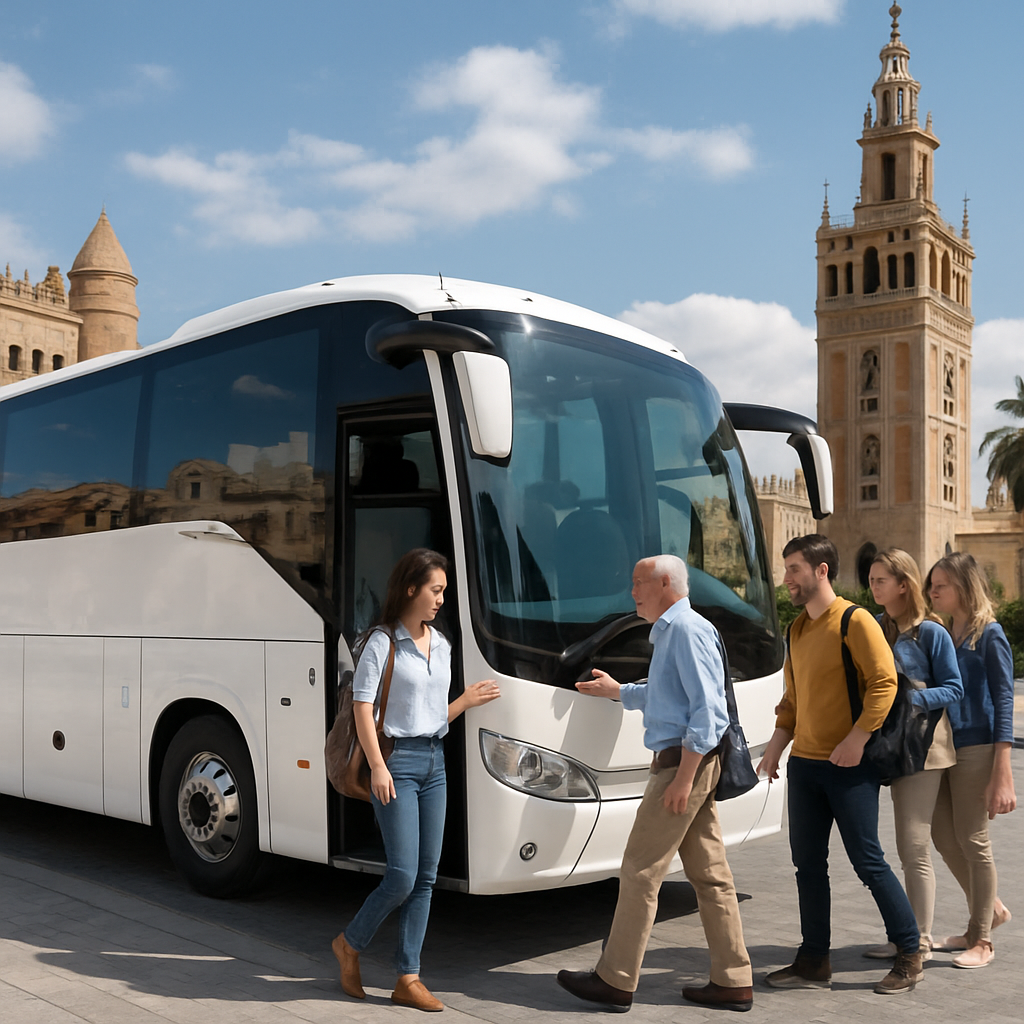
Now that you’ve got the numbers on paper, the next question is: how big should the vehicle actually be? It’s tempting to grab the first coach you see, but the sweet spot lives somewhere between “just enough room” and “paying for empty seats”.
Start with capacity, not price
Take your total passenger count (including drivers) and add a safety margin for unexpected guests or last‑minute luggage upgrades. A good rule of thumb is to add 10 % – that way a group of 58 becomes 64, which pushes you toward a 70‑seat coach instead of a 50‑seat one. The extra seats aren’t wasted; they give you breathing room for coffee cups, souvenir bags, or a surprise extra speaker.
Match vehicle class to trip length
For a half‑day city tour, a comfortable 16‑seat minibus with easy step‑in doors might be all you need. But for a full‑day excursion to Toledo or a multi‑stop corporate roadshow, you’ll want the amenities that come with a full‑size coach – reclining seats, onboard Wi‑Fi, and a separate luggage compartment. According to the definition of a coach, these vehicles are built for longer distances and usually include extra comforts like climate control and under‑floor storage as described on Wikipedia.
Know the fleet options
Torres Bus offers a range from 7‑seat minibuses up to 70‑seat coaches. If you’re still unsure which size fits, look at the typical seat ranges you see in the market: many providers list vehicles from 16 to 53 seats for example, a 24‑seat mini‑coach is a popular sweet spot for midsize groups. That bracket often balances cost per passenger with enough space for luggage and a few on‑board extras.
Real‑world examples
- Wedding party of 30. The couple booked a 24‑seat mini‑coach for the ceremony transport and a 16‑seat minibus for the rehearsal dinner. The mini‑coach’s extra luggage area handled the bridal party’s dress boxes, while the smaller bus kept the dinner crew intimate.
- Corporate conference of 58. The planner opted for a 70‑seat coach with Wi‑Fi and power outlets. Because the event ran from 9 am to 6 pm, the coach’s restroom and climate zones kept attendees comfortable, and the extra 12 seats were used for on‑the‑spot registrations.
- School field trip of 42. A 50‑seat coach was chosen, leaving room for three teachers and a wheelchair‑adapted spot. The driver could load the luggage racks while the teachers settled the kids, and the trip finished on time.
Actionable checklist
Before you call Torres Bus, run through this quick list:
- Count every passenger (including drivers, guides, and any backup staff).
- Add 10 % buffer for “just‑in‑case” guests.
- Decide on amenities: Wi‑Fi, power, restroom, climate zones.
- Match vehicle length to itinerary length – longer trips need more comfort.
- Note any accessibility needs – PMR‑adapted coach or wheelchair lift.
- Calculate cost per seat versus total cost; sometimes a bigger coach is cheaper per head.
When you’ve ticked those boxes, you’ll know whether a 16‑seat minibus, a 24‑seat mini‑coach, or a full‑size 70‑seat coach is the right fit. The next step will be to lock in the dates and get a detailed quote – but you’ll do that with confidence, because you’ve already matched size to need.
Tip: ask the driver for a quick walk‑through of the vehicle before the first departure. Seeing the luggage space, seat recline, and USB ports in person often reveals a mismatch you might have missed on paper.
Remember, the right size isn’t just about numbers – it’s about the experience you want your guests to have. A comfortably sized coach lets conversation flow, prevents the dreaded “standing-room only” panic, and shows you’ve thought of every detail. So take the checklist, compare the options, and lock in the perfect coach for your Spanish adventure.
Step 3: Compare Pricing and Services
Alright, you’ve narrowed down the size of the coach you need – now it’s time to stare at the numbers and the extras. This is the part where you decide whether you’re getting a good deal or just paying for a fancy logo on the door. Let’s break it down together, so you can feel confident that the coach hire Spain quote you’re eyeing actually matches the value you expect.
What you’re really paying for
It’s easy to look at a headline price and think, “Wow, that’s cheap!” but the devil’s in the details. A basic daily rate might cover the vehicle and driver, yet most providers bundle things like fuel surcharge, tolls, insurance, and on‑board amenities into the final invoice.
For example, a 12‑ to 16‑seat minibus in Spain typically costs between €100 and €150 per day, according to a recent industry comparison. That figure often includes a driver, basic insurance, and a modest mileage allowance – but not Wi‑Fi, climate‑zone control, or a PMR‑adapted ramp.
So ask yourself: is that extra €20 per day for Wi‑Fi worth it for a corporate roadshow? Or would a wheelchair‑friendly lift be non‑negotiable for a school trip? Your answer will shape the package you chase.
Service bundles to watch
Most coach companies, including Torres Bus, offer tiered service bundles:
- Essential: driver, basic insurance, and a single‑kilometer allowance.
- Comfort: adds air‑conditioning, onboard restroom, and a few power outlets.
- Premium: throws in Wi‑Fi, individual USB ports, climate zones, and optional PMR adaptations.
Don’t be fooled by a “premium” label that only adds a fancy name to the same old seats. Compare the actual features side by side – that’s where the table below helps.
Quick cost‑vs‑comfort cheat sheet
| Option | Typical Daily Rate (€) | Included Services | Notes |
|---|---|---|---|
| 16‑seat minibus | 120‑150 | Driver, basic insurance, limited mileage, air‑conditioning | Great for small families or boutique weddings; low per‑head cost. |
| 24‑seat mini‑coach | 180‑220 | Driver, insurance, Wi‑Fi, power outlets, restroom | Balances comfort and price for corporate outings or school trips. |
| 70‑seat full‑size coach | 350‑400 | Driver, unlimited mileage, Wi‑Fi, climate zones, PMR‑adapted ramp | Best for large conferences or multi‑day tours; lower cost per seat. |
Notice how the per‑seat cost drops as you move up the size ladder, but the total spend climbs. That’s why the “right” answer always hinges on your group’s composition and itinerary length.
Here’s a quick checklist to run through when you get a quote:
- Is fuel included or a separate surcharge?
- What’s the mileage limit – unlimited or per‑kilometer charge?
- Do you get a driver‑only rate for extra hours, or is overtime baked in?
- Which amenities are part of the base price, and which are add‑ons?
- Is there a clear policy for cancellations or last‑minute changes?
Ask the provider to break each line item down in writing. A transparent quote saves you from nasty surprise invoices after the trip.
And remember, the cheapest option isn’t always the smartest. A cramped minibus might save €50 a day, but if your guests are sweating in a non‑air‑conditioned cabin on a July Madrid route, you’ll end up paying for bottled water, extra breaks, and a disgruntled crowd.
Bottom line: line up the features you can’t live without, match them to the size you need, and then compare the total cost‑per‑head. When the numbers line up with the experience you want, you’ve nailed the pricing part of coach hire Spain. Ready to lock in a quote? Grab the checklist, call your favorite provider, and watch the numbers finally make sense.
Step 4: Book and Confirm Your Coach Hire Spain Service
Okay, you’ve done the math, you know the right size, and the price looks decent. Now it’s time to actually lock the coach in – and that can feel a bit like signing a secret pact with a stranger. Don’t worry, we’ll walk through it together so you end up with a solid confirmation and zero last‑minute panic.
Gather the paperwork before you call
First thing’s first: have a one‑page brief ready. List the dates, pick‑up and drop‑off locations, total passenger count, any special amenities (Wi‑Fi, wheelchair ramp, extra luggage space), and your budget ceiling. Having that on screen while you talk to the provider shows you’re organized and cuts down on back‑and‑forth emails.
Pro tip: copy the exact wording of the quote you received into the brief. When the driver repeats the numbers, you’ll instantly spot a typo or an omitted surcharge.
Make the call – or use the online form
Torres Bus loves a quick phone chat, but they also have a clean online booking form. If you’re a night‑owl, the form lets you attach the brief as a PDF, so the sales rep can review it before they call you back. Either way, ask these three questions straight away:
- Is fuel included, or will there be a separate surcharge?
- What’s the mileage policy for day trips outside the core itinerary?
- How does the cancellation or amendment policy work if your flight is delayed?
Those answers usually appear in the fine print, but hearing them in plain language saves you a surprise invoice later.
Confirm the driver’s credentials
It’s easy to forget, but the driver is the face of your whole experience. Ask for the driver’s name, licence class, and years of experience on Spanish highways. A seasoned driver will know the best route around the M‑30 rush hour and can even suggest a quick coffee stop in a hidden plaza if you have a long journey.
When you get the driver’s details, send a short “welcome” email to the whole group with a photo of the coach (Torres Bus usually provides one) and the driver’s contact number. It turns a logistics task into a friendly introduction.
Seal the deal with a written contract
Never rely on a verbal agreement – ask for a PDF contract that breaks down every line item: vehicle type, hourly rate, fuel, tolls, insurance, and any extra services like on‑board refreshments. Look for a clause that states the exact start‑time and the grace period for late arrivals.
Once you’ve reviewed it, sign electronically and ask the provider to send a confirmation email with a unique booking reference. Bookmark that email; you’ll need the reference when you check in at the airport or train station.
Double‑check everything the night before
Give the booking reference a quick search in your inbox a day before departure. If the email says “coach will arrive at 09:45”, compare that to your flight arrival time and add a 30‑minute buffer for customs. If the times don’t line up, call the provider ASAP – they can often adjust the pick‑up window without extra cost.
Real‑world example: A wedding planner in Seville had a flight landing at 10:15 am but the coach was scheduled for 09:30. By confirming the night before, they nudged the driver to 10:45, avoided a frantic scramble, and the bride made it to the ceremony with time to spare.
What to do on the day of pick‑up
When you arrive at the meeting point, look for the Torres Bus logo on the side of the vehicle and the driver’s name on the door placard. Greet the driver, confirm the passenger list, and hand over any special instructions (e.g., “keep the AC a bit cooler for the senior guests”).
Take a quick photo of the license plate – it’s a tiny habit that can be a lifesaver if you need to track the coach later.
Final checklist before you say “¡Vamos!”
- Booking reference saved and printed.
- Driver’s name, licence, and contact verified.
- All amenities confirmed (Wi‑Fi, USB, wheelchair ramp).
- Fuel and mileage policy understood.
- Cancellation policy noted in case of unexpected changes.
Cross those off, and you’ll walk away feeling confident that your coach hire Spain service is locked in, confirmed, and ready to roll.
And that’s it – you’ve turned a potentially stressful negotiation into a smooth, human‑to‑human exchange. Now sit back, enjoy the ride, and let the coach do the heavy lifting.

Step 5: Prepare for Your Trip and Maximize Value
Double‑check the little things before you board
We all know that panic‑inducing moment when you arrive at the meeting point and the driver’s name doesn’t match the badge you were handed. It’s a tiny detail, but it can turn a smooth start into a scramble.
Grab your booking reference, the driver’s licence number, and the vehicle plate. Pop them into a quick note on your phone. If anything looks off, fire off a text or call the provider right away. A minute of verification saves an hour of chaos.
Pack a travel‑ready checklist
Think of your trip like a road‑trip playlist – you want every track (or item) in the right order.
Here’s a cheat‑sheet you can copy‑paste into a note app:
- Booking reference (saved and printed)
- Driver’s name, licence, contact
- Fuel policy and mileage limits
- Accessibility needs (wheel‑chair ramp, extra luggage space)
- On‑board amenities you’ve asked for (Wi‑Fi, power sockets, refreshments)
- Cancellation or amendment clauses
Tick each box the night before. If you spot a missing piece, give the coach hire Spain team a quick shout. It’s way easier to tweak a quote than to renegotiate on the day.
Run a “what‑if” scenario
Imagine the worst‑case: traffic jam, sudden rain, a passenger who forgot their passport.
Ask yourself: do I have a buffer in the schedule? Do I know the nearest petrol stations? Do I have a backup contact at the destination?
Write down the answers. For example, add a 15‑minute cushion after a morning flight landing at Madrid‑Barajas. If the flight is delayed, you’ve already accounted for it and the driver can wait without stress.
Communicate the plan to your crew
Even if you’re the only organiser, your guests appreciate a heads‑up.
Send a short email or WhatsApp with the coach’s make and model, a photo of the bus (Torres Bus usually shares a pic when you confirm), the driver’s name, and the pickup spot. Include a line like, “If you see a blue Mercedes‑Sprinter with a ‘Torres Bus’ logo, that’s us.”
When people recognize the vehicle, they’re less likely to wander off and more likely to stay together – a win for timing and morale.
Leverage on‑board amenities for extra value
Got Wi‑Fi? Let the group know they can use it to pull up itineraries, share photos, or even charge devices if you’ve arranged USB ports.
If you’ve asked for a mini‑fridge, suggest a quick snack break around the halfway point. Small comforts turn a plain ride into a mini‑experience, and guests will thank you later.
And if you have a PMR‑adapted coach, remind the driver to demonstrate the ramp to any mobility‑focused passenger. It’s a moment of reassurance that shows you’ve thought of everyone.
Final walk‑through on the day
When you step outside the airport, do a quick visual sweep: is the logo on the side of the bus the same you saw in the confirmation email? Does the driver have the name badge you were given?
Take a photo of the license plate – it’s a tiny habit that can become a lifesaver if you need to track the coach later.
Now, do a brief “seat check”: are the seat belts working? Is the climate control set to a comfortable temperature? If something feels off, let the driver know before you load the luggage.
Turn the ride into a value‑add
While the bus rolls toward the venue, cue a short welcome spiel. Mention the route highlights – maybe a quick glimpse of the historic city centre through the windows, or a fun fact about the region you’re heading to.
It’s amazing how a few friendly words can shift the vibe from “just a transport” to “a curated part of the event”.
Bottom line: a few extra minutes of prep, a checklist, and clear communication turn a routine coach hire Spain experience into a smooth, memorable journey that feels personal, not just logistical.
Conclusion
So, you’ve walked through everything from sizing the coach to sealing the booking, and you can already picture that sleek, climate‑controlled bus pulling up at the airport.
Remember the little habits that made the difference: a photo of the license plate, a quick seat‑belt check, and a friendly “welcome” spiel while the wheels start turning. Those tiny steps turn a routine hire into a smooth, memorable experience.
What’s the biggest takeaway? Planning isn’t about crunching numbers alone – it’s about building confidence for your guests. When you add a 10 % buffer, confirm the driver’s name, and double‑check the amenities, you’re essentially gifting peace of mind.
And yes, a bit of flexibility goes a long way. If traffic snarls or a flight delay pops up, the extra cushion you built into the schedule lets you adapt without scrambling.
Now it’s time to put the plan into action. Grab that checklist, fire off the final email to Torres Bus, and watch the journey unfold exactly the way you imagined.
Need a hand polishing the last details? Reach out to the Torres Bus team – they love turning last‑minute questions into seamless solutions.
With everything set, you can relax, enjoy the ride, and focus on what really matters – the event itself.
FAQ
How do I choose the right coach size for my group in Spain?
Start by counting every passenger – include drivers, guides, and any last‑minute guests. Add a 10 % buffer so you’ve got room for extra luggage or a surprise speaker. Then match that total to Torres Bus’s seat ranges: 7‑16 for intimate tours, 24‑50 for midsize events, and 70 for large conferences. A quick division (people ÷ seats) tells you how many vehicles you need, and you can round up to keep everyone comfortable.
What amenities can I expect from Torres Bus coach hire Spain?
Torres Bus outfits its fleet with climate‑controlled cabins, reclining seats, USB ports, and Wi‑Fi on most coaches. For longer trips you’ll get an onboard restroom and separate luggage compartment, while minibuses often include air‑conditioning and basic power outlets. If you need a mini‑fridge, onboard refreshments, or extra seat‑back screens, just flag it when you request the quote – they’ll add it as an optional package.
Are there options for passengers with reduced mobility?
Absolutely. Torres Bus offers PMR‑adapted coaches that feature wheelchair ramps, lowered floors, and secure tie‑down points. When you book, specify the exact mobility needs – whether it’s a wheelchair, walker, or a passenger who needs extra space for a medical device. The driver will receive a brief on how to operate the ramp safely, and the coach’s interior layout is designed to keep aisles clear for easy movement.
How far in advance should I book a coach for an airport transfer?
For peak travel periods – summer holidays, major festivals, or big conferences – aim to lock in your coach at least four to six weeks ahead. Even during quieter months, a two‑week window gives the scheduler enough time to assign the right vehicle and driver. If your flight details are still tentative, let Torres Bus know; they can hold a provisional slot and confirm once your itinerary is solid.
What’s included in the price – fuel, tolls, driver?
The base rate covers the vehicle, a professional driver, and basic insurance. Most quotes from Torres Bus also include fuel for the planned route, but if you decide to add extra mileage or a detour, they’ll add a transparent surcharge. Tolls are usually listed separately, so you know exactly what you’re paying. Always ask for a line‑item breakdown so there are no surprise fees after the trip.
Can I make changes to the itinerary on the day of travel?
Yes, Torres Bus is pretty flexible. Minor tweaks – like shifting a pickup by 15 minutes or adding a quick stop for coffee – can be approved on the spot, often without extra cost. Bigger changes, such as adding an extra leg or swapping vehicles, may incur a small amendment fee, but the team will walk you through the options. It’s a good habit to confirm any changes the night before, just to keep everyone on the same page.
What safety measures does Torres Bus have for group travel?
Safety is a top priority. Every driver holds a commercial licence, undergoes regular training, and knows the local traffic patterns around Madrid and beyond. Coaches are equipped with seat‑belt reminders, emergency exits, and regular mechanical inspections that meet EU standards. For COVID‑era peace of mind, the fleet is cleaned between jobs, and drivers carry first‑aid kits. Ask the dispatcher for the driver’s licence number and the vehicle’s inspection certificate if you want that extra reassurance.