
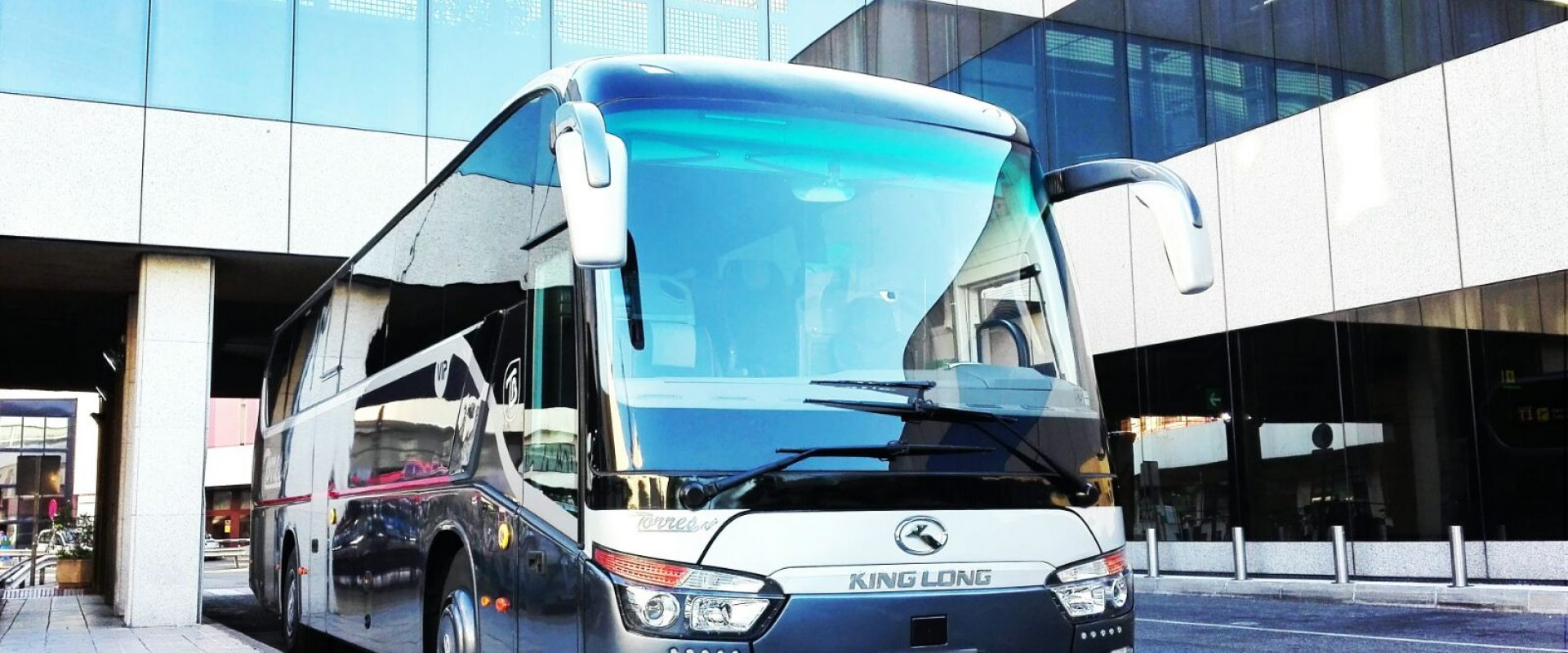
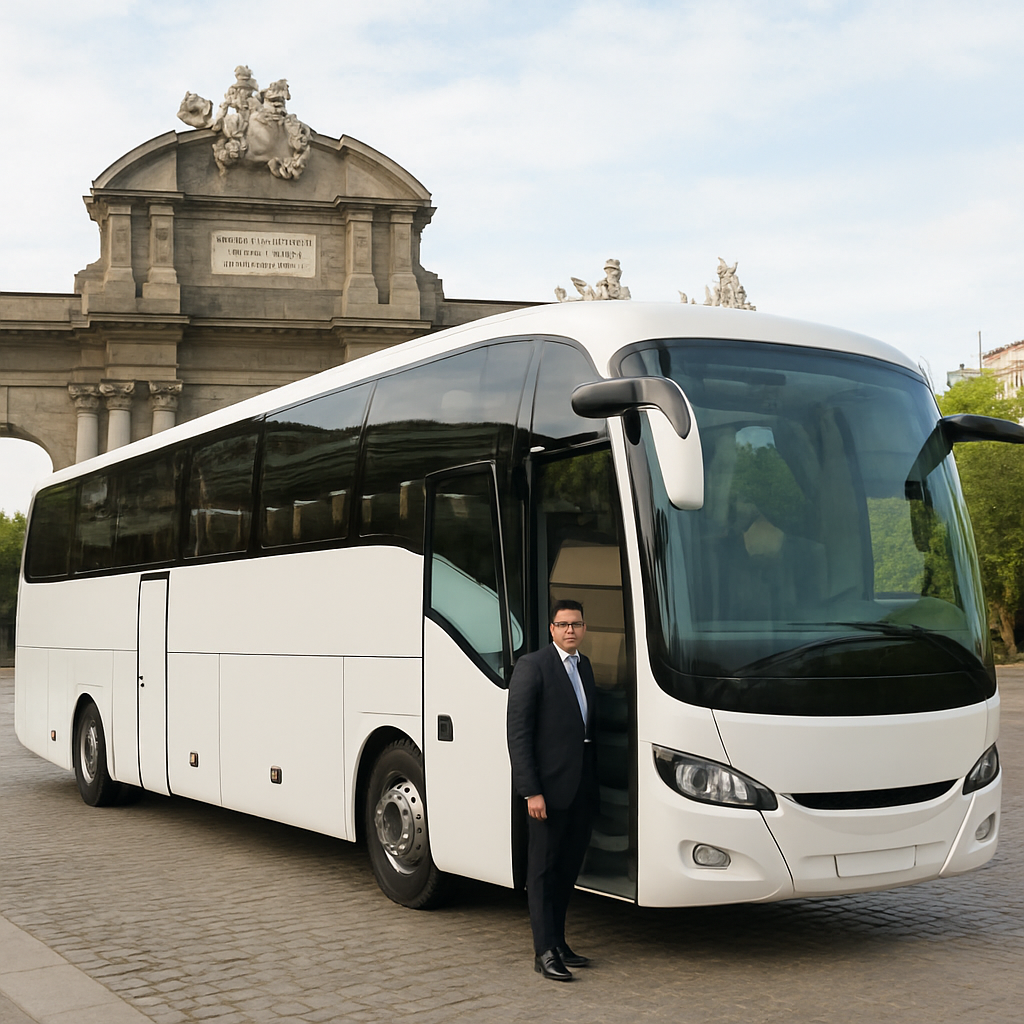
Picture this: you’ve just booked a wedding venue in Seville, the guest list is swelling, and the idea of shuttling everyone from the airport to the ceremony feels like a logistical nightmare.
What if I told you there’s a smoother way? With coach hire in spain, you can turn that panic into peace of mind, because a single, comfortable vehicle does the heavy lifting for you.
In our experience at Torres Bus, we’ve helped event planners move groups of ten to seventy people from Madrid‑Barajas to a historic castle, and the feedback is always the same: they never realized how easy it could be.
But why choose a coach over a few taxis? First, capacity. A 50‑seat coach replaces dozens of cabs, cutting costs and carbon footprints. Second, reliability – a professional driver knows the fastest routes, the toll shortcuts, and the parking tricks that strangers miss.
Imagine you’re a corporate client organizing a roadshow across the Basque Country. Instead of juggling multiple rentals, you book a single coach, set a schedule, and let the driver handle the logistics while you focus on the presentation.
And it’s not just big groups. A 12‑seat minibus works wonders for a family reunion or a school field trip to Toledo, offering enough room for luggage, snacks, and that inevitable chatter about the scenery.
So, where do you start? First, list your dates, destinations, and passenger count. Then, reach out to a local provider who can match the right vehicle to your needs – and ask about wheelchair‑accessible options if you have guests with reduced mobility.
Bottom line: coach hire in spain isn’t a luxury reserved for tour operators; it’s a practical tool for anyone who wants to travel together, stay on budget, and enjoy the journey as much as the destination. Ready to give it a try?
TL;DR
Coach hire in Spain lets you move groups—from wedding guests to corporate teams—comfortably, affordably, and with a single driver handling every detail.
We’ve seen planners save time, cut costs, and reduce stress by booking a suitable bus or minibus, so you can focus on the event instead of the logistics.
Understanding Coach Hire Options in Spain
When you start thinking about moving a group around Spain, the first question is usually: do I need a big coach or would a smaller minibus do the trick? The answer depends on a handful of factors that most planners overlook until the last minute.
Types of vehicles you can hire
In Spain you’ll find everything from 7‑seat luxury vans perfect for a VIP wedding party, up to 70‑seat coaches that can handle a corporate roadshow across the Basque Country. A typical fleet will also include 12‑seat minibuses for school trips, 16‑seat microbuses for family reunions, and specially adapted vehicles for reduced‑mobility guests.
What’s nice about a coach hire in spain is that the same company often offers both the big coach and the tiny minibus, so you can keep the branding consistent and the driver familiar with your itinerary.
Our own fleet at Torres Bus, for example, lets you pick a vehicle that matches the exact headcount, luggage space, and comfort level you need, without paying for empty seats.
Seeing a coach in action on video can clear up a lot of doubts – you get a feel for the interior layout, the seating arrangement, and even the extra amenities like Wi‑Fi or on‑board toilets.
How to choose the right size
Start by writing down the total number of passengers, then add a cushion of 5‑10 % for unexpected guests or extra luggage. If you have 45 confirmed attendees, a 50‑seat coach is a safe bet; if you’re only moving 15 people, a 12‑seat minibus keeps things cosy and cost‑effective.
Don’t forget to think about the journey itself. Long‑distance trips across Andalusia benefit from a coach with reclining seats and a restroom, while a short hop between Madrid‑Barajas and a nearby hotel is fine with a van.
Another trick is to ask the provider whether they can swap vehicles mid‑trip if your needs change. Flexible operators will let you upgrade or downgrade without a huge penalty.
Special considerations
If you have guests with reduced mobility, look for a PMR‑adapted coach. These vehicles have ramps, wheelchair‑secure straps, and extra space for caregivers – something you’ll rarely find in a regular rental.
For events that need branding, many companies offer vinyl wraps or magnetic signs. It’s a subtle way to turn your transport into a moving billboard for a wedding or a product launch.
And because you’ll be handling paperwork, a quick search for “coach hire Spain checklist” will point you to useful resources. One handy list I keep bookmarked is on PlugnCarry’s store site, where they’ve compiled a printable PDF you can take to any provider.
If you need marketing material for your own event, sites like Jiffy Print Online let you design custom seat‑back cards or itinerary flyers that match your theme.
Finally, for cultural events or music festivals that involve international artists, you might want to read up on local booking agencies. A great example is the guide on how to choose the ideal musical booking agency for Cuban artists in Europe, which also touches on transport logistics for touring crews.
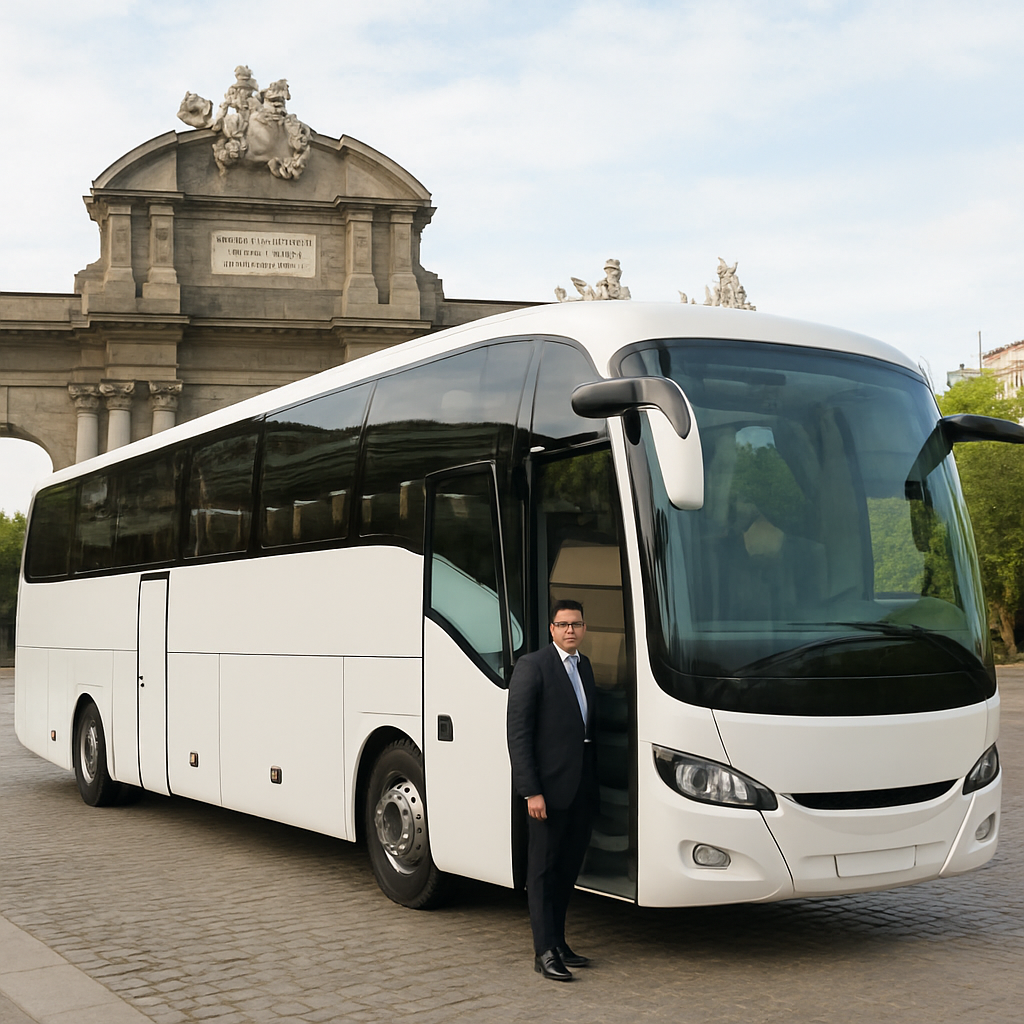
Bottom line: the right coach hire option comes down to passenger count, trip length, accessibility needs, and branding goals. By mapping those variables early, you’ll avoid last‑minute surprises and keep your budget on track.
How to Choose the Right Coach for Your Needs
You’ve felt that knot in your stomach looking at a list of vehicle options, right? It’s the same feeling event planners get when they open a spreadsheet of dozens of coaches. The good news? You don’t have to solve this puzzle blind.
Step 1 – Size up the group (and the gear)
Start by counting every person who’ll be on board – guests, staff, drivers, even the photographer who’s lugging a tripod. Then add the big‑ticket items: wedding dresses, camera rigs, sports equipment, or a few extra suitcases for a weekend getaway. A 12‑seat minibus is perfect for a bridal party plus a handful of gifts, while a 20‑seat coach works nicely for a corporate keynote crew that needs a little extra room for laptops and coffee machines.
Does your itinerary include narrow medieval streets in Toledo? A smaller vehicle can dodge the cobbles without a hitch. If you’re heading to a modern conference centre in Madrid with ample parking, a larger coach saves you the headache of multiple trips.
Step 2 – Map the route and timing
Look at the distance between pick‑up points and the time windows you have to meet. Long‑haul trips across the Basque Country often benefit from a coach with a restroom and on‑board Wi‑Fi, because passengers will be online and need a break. Short, punchy shuttles between a hotel and a venue can get away with a minibus that has just a few extra seats for luggage.
Ask yourself: Will the driver need to navigate toll roads? Do you need a “meet‑and‑greet” sign at the airport? Those details can tip the scales toward a provider that bundles fuel and tolls into one transparent price.
Step 3 – Accessibility and comfort features
If any guest uses a wheelchair, a PMR‑adapted coach with a low floor and secure wheelchair racking is non‑negotiable. For a VIP client list, think leather upholstery, power outlets, and a mini‑fridge – those little luxuries turn a simple transfer into a brand experience.
On the other hand, a school field trip to the Alhambra only needs sturdy seats and plenty of luggage space for backpacks. The key is matching the amenity level to the event’s vibe.
Step 4 – Budget vs. value
It’s tempting to chase the cheapest quote, but hidden fees (fuel surcharges, driver overtime, tolls) can balloon the total. Look for all‑inclusive pricing and ask for a detailed breakdown before you sign.
In our experience, a mid‑size 16‑seat coach often hits the sweet spot for a mixed‑size group – it’s big enough to avoid multiple trips, yet small enough to keep the cost per passenger reasonable.
Step 5 – Verify driver credentials and language skills
International delegations appreciate a driver who can speak English or the client’s native language. A quick phone check can save you an awkward moment at the gate.
And don’t forget insurance – a reputable operator will provide a copy of their liability coverage and vehicle inspection report.
Quick comparison table
| Vehicle type | Best for | Key considerations |
|---|---|---|
| 12‑seat minibus | Small weddings, film crews, tight city streets | Low floor for equipment, easy parking, limited luggage space |
| 20‑seat coach | Corporate roadshows, conference speakers, school trips | Wi‑Fi, extra luggage compartment, comfortable seats for longer rides |
| 50‑seat luxury coach | Large festivals, VIP tours, multi‑day excursions | On‑board restroom, power outlets, premium interior, higher cost per seat |
So, what’s your next move? Grab a pen, list the five criteria that matter most for your event, and then match them against the three rows above. Reach out to a few providers, request their spec sheets, and compare the all‑inclusive prices.
When you’ve narrowed it down, ask for a short trial run – even a 30‑minute test drive can reveal how the driver handles the route and how the seats feel after a few kilometres. That little extra step often separates a smooth day from a day‑long scramble.
Bottom line: choosing the right coach isn’t about picking the biggest vehicle; it’s about aligning size, amenities, accessibility, and cost with the unique rhythm of your event. With a clear checklist and a quick look at the table, you’ll feel confident that the coach you hire will keep everyone happy, on time, and ready to enjoy the journey.
Step-by-Step Process to Book Coach Hire in Spain
1. Pinpoint exactly what you need
Before you even think about a provider, write down the basics: how many passengers (including drivers), how much luggage, any wheelchair‑access requirements, and the vibe you want – sleek VIP, rugged day‑trip, or simple shuttle.
Then add the route details. Is the road narrow medieval streets in Toledo? Or a high‑speed toll highway between Madrid and Bilbao? Knowing the terrain helps you decide whether a 12‑seat minibus or a 20‑seat coach is the sweet spot.
Pro tip: create a quick spreadsheet with columns for «Seats», «Luggage space», «Accessibility», «Wi‑Fi/Power», and «Estimated cost». It makes the next steps feel less like guesswork.
2. Scout local operators (including Torres Bus)
Now start a short list of reputable companies that serve the region you’re traveling in. In our experience, family‑run fleets with a 30‑year track record, like Torres Bus, tend to have well‑maintained vehicles and clear communication channels.
When you reach out, ask for a spec sheet that shows seat layout, boot capacity, and any extra amenities (on‑board restroom, mini‑bar, USB ports). If you need a PMR‑adapted coach, request a photo of the ramp and the secure wheelchair rack.
3. Request detailed, all‑inclusive quotes
Ask each operator for a line‑item quote that includes:
- Vehicle hire per day or per kilometre
- Fuel surcharge (or a flat‑rate fuel inclusion)
- Driver overtime and any night‑stay fees
- Insurance coverage and licence numbers
- Optional extras – Wi‑Fi, catering support, meet‑and‑greet signage
Seeing everything laid out prevents surprise fees when the invoice arrives.
4. Vet the provider
Take the quotes and cross‑check a few things: Is the company registered with the Spanish traffic authority? Do they publish a recent vehicle inspection report? Look for reviews that mention punctuality and driver professionalism – those are the real deal‑makers.
Ask the driver directly about language skills if you have an international delegation. A simple “Can you speak English or French?” call can save a lot of awkward moments at the airport.
5. Seal the deal with a clear contract
Once you’ve chosen the best fit, ask for a written contract. It should spell out the pick‑up and drop‑off times, the exact route, the agreed‑upon price, and the cancellation policy. Most operators ask for a 20‑30 % deposit; make sure the remaining balance is due only after the service is rendered.
Tip: add a clause for a “trial run” – a 30‑minute test drive on the actual route. It’s a tiny extra cost that can reveal whether the driver knows the toll shortcuts and whether the seats stay comfortable after a few kilometres.
6. Coordinate the pre‑trip details
Two days before the event, send a confirmation email that includes:
- The exact addresses (including gate numbers for airports or train stations)
- The name of the person who will meet the driver
- Any special signage you want on the vehicle
- Contact numbers for both the driver and your on‑site coordinator
If you’re traveling with a group of 45 wedding guests from Seville to a historic castle, you might ask the driver to wait with a sign that reads “Smith Wedding Party”. For a corporate roadshow across the Basque Country, a simple “Torres Bus – Conference Group” badge works just as well.
7. Have a backup plan
Even the best‑planned trips can hit a snag – traffic, weather, or a last‑minute vehicle issue. Keep the contact details of a secondary local operator on standby, and make sure your event timeline includes a 15‑minute buffer for each transfer.
Real‑world snapshot: A film crew in Valencia once lost a camera rig to a missed turn. Because they had a second 12‑seat minibus on call, the crew re‑routed within an hour and kept the shoot on schedule.
Quick checklist you can copy‑paste
- ✔ Count passengers + luggage + crew
- ✔ Define accessibility needs
- ✔ Map route and note narrow streets or toll roads
- ✔ Request all‑inclusive quotes (fuel, driver, insurance)
- ✔ Verify licence, insurance, and driver language
- ✔ Sign a contract with clear cancellation terms
- ✔ Schedule a trial run or short test drive
- ✔ Send a final confirmation email with contacts and signage
- ✔ Keep a backup operator’s phone handy
Follow these steps, and booking coach hire in Spain will feel less like a gamble and more like a smooth, predictable part of your event plan.
Cost Factors and Pricing Guide for Coach Hire in Spain
When you start looking at the price tag for coach hire in Spain, the first thing that pops up is: «Why does it feel like a mystery?» The truth is, there are a handful of clear‑cut cost drivers that, once you understand them, turn the whole process from guessing game to a simple checklist.
1. Base daily or per‑kilometre rates
Most operators quote either a flat daily fee or a per‑kilometre charge. A 12‑seat minibus might sit around €120‑€180 per day, while a 50‑seat luxury coach can easily climb to €600‑€800 for a full‑day charter. The difference isn’t just size – it’s the level of comfort, climate control, on‑board restroom, and sometimes Wi‑Fi.
What we’ve seen in practice: a wedding planner in Seville booked a 30‑seat coach for a 6‑hour ceremony day and paid €350 total because the quote bundled fuel, driver overtime, and a mini‑fridge. If they had taken the per‑kilometre route, the cost would have jumped by almost 30%.
2. Fuel surcharge and mileage
Spain’s fuel prices fluctuate, so many companies add a fuel surcharge of €0.10‑€0.15 per kilometre. The trick is to ask whether the surcharge is a flat rate or a real‑time fuel‑price adjustment. For long‑haul trips across the Basque Country, that can mean an extra €80‑€120 on top of the base fee.
Tip: request a “fuel‑included” quote. It may look higher upfront, but it shields you from surprise price spikes on the day of travel.
3. Toll roads and parking fees
Spain’s autovías have tolls, especially on the AP‑7 and AP‑68 corridors. A typical Madrid‑Bilbao roadshow will incur €30‑€45 in tolls per vehicle. Some operators include tolls in the all‑inclusive price; others bill them separately.
Actionable step: map your route on a toll calculator (e.g., via the Spanish Ministry of Transport) and add that figure to your budget before you request quotes.
4. Driver labour costs
Driver wages are regulated, but overtime can add up fast. A standard 8‑hour shift is usually covered in the daily rate, while anything beyond that incurs €20‑€30 per extra hour. Night‑time or weekend work often carries a premium of 25‑50%.
Real‑world example: a film crew in Valencia needed a midnight pickup. The operator quoted a €200 driver‑overtime surcharge, which was actually cheaper than hiring a separate night‑shift driver.
5. Insurance and licence fees
All reputable coaches carry third‑party liability insurance, but some operators charge a small administrative fee (≈€15‑€25) to cover paperwork. This is usually non‑negotiable, but it’s worth confirming that the insurance covers passenger injuries and cargo (like camera gear).
6. Optional extras that can bite
Wi‑Fi, power outlets, on‑board restrooms, and premium seating are often listed as “add‑ons.” A Wi‑Fi package might be €50‑€80 per day, while a restroom installation on a smaller minibus can add €100‑€150.
Ask yourself: do you really need a restroom for a 30‑minute shuttle? Probably not. Cutting unnecessary extras is the easiest way to shave off 10‑15% of the total.
7. Seasonal demand spikes
Summer festivals in Barcelona or the Holy Week processions in Seville can push prices up 20‑30% because demand outstrips supply. If you can be flexible with dates, you’ll often negotiate a better rate.
Pro tip: book at least 4‑6 weeks in advance for peak season, and ask for a price‑lock guarantee.
Putting it all together – a quick pricing worksheet
1. Choose vehicle type and note base rate.
2. Calculate kilometres × fuel surcharge.
3. Add estimated tolls.
4. Include driver overtime (if needed).
5. Add insurance admin fee.
6. List any optional extras you truly need.
7. Apply a 10% buffer for seasonal fluctuations.
When you total those rows, you’ll have a transparent, all‑inclusive figure that you can compare across providers.
For a deeper dive into how each factor plays out in real quotes, check out our Coach Hire Spain: Complete Guide to Renting Buses and Minibuses. It breaks down sample invoices for weddings, corporate roadshows, and school trips, so you can see exactly where the numbers come from.
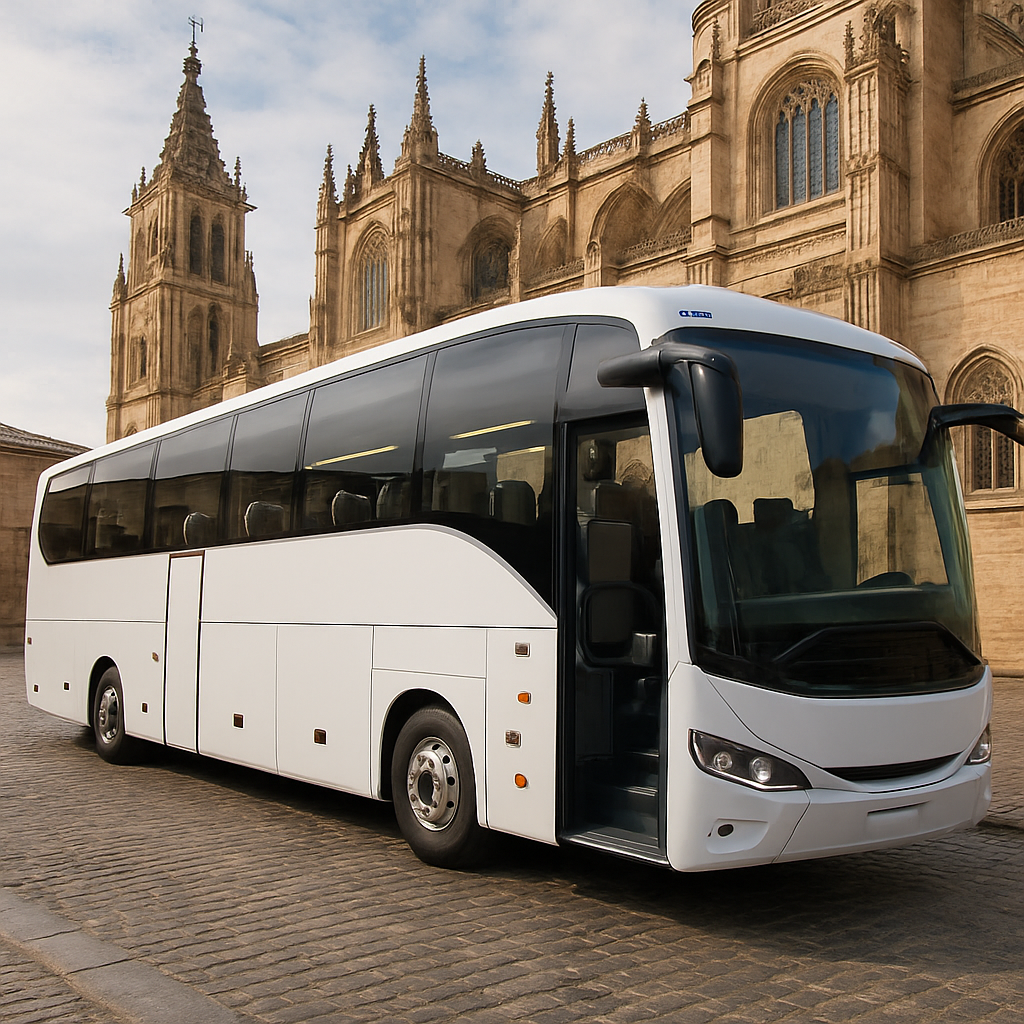
Bottom line: the price of coach hire in Spain isn’t a mystery – it’s a collection of transparent line items. By understanding each component, you can negotiate smarter, avoid hidden fees, and keep your event budget on track. So grab that worksheet, run a few numbers, and you’ll walk into the negotiation with confidence, knowing exactly what you’re paying for.
Top Destinations and Tour Packages with Coach Hire in Spain
When you start dreaming about a group getaway, the first thing that pops into most people’s heads is the destination – not the logistics. And that’s exactly where coach hire in spain becomes your secret weapon.
Think about the classic routes that tourists keep talking about: a sunrise in Granada’s Alhambra, the marble streets of Segovia, the wine‑filled hills of La Rioja, or the coastal charm of Costa Brava. Each of these spots shines brighter when you can move a whole party together, without the headache of coordinating dozens of cars.
Why certain hotspots work best with a coach
1. Historic cities with limited parking – places like Toledo, Ávila or Córdoba have narrow medieval lanes where a minibus can slip in, but a convoy of taxis gets stuck. A 12‑seat coach lets you drop everyone at the main gate, then park the vehicle safely nearby.
2. Long‑distance scenic routes – the drive from Madrid to Santiago de Compostela covers 600 km of rolling hills and vineyards. A comfortable coach with on‑board Wi‑Fi turns those miles into a moving lounge, letting passengers enjoy the view, catch up on work, or simply relax.
3. Event‑centric towns – during the Feria de Abril in Seville or the San Fermín festival in Pamplona, the local streets are packed. Having a dedicated coach means you control your schedule, avoid the crush, and keep your group together for the whole celebration.
Sample tour packages that really click
Weekend cultural immersion – Madrid → Toledo → Segovia → Madrid
Day 1: Pick up at a Madrid hotel, head to Toledo (≈ 75 km). A 35‑seat coach gives room for backpacks and a guide‑led walk through the cathedral. Lunch at a local tavern, then a short 90‑minute drive to Segovia. The coach’s climate control keeps everyone comfortable as you marvel at the aqueduct.
Day 2: Early start for a 300 km round‑trip to Ávila’s walls, with a stop at a vineyard for a tasting. The driver knows the best toll‑free shortcuts, saving you both time and money.
What you’ll love: all‑in‑one pricing (fuel, tolls, driver) and no need to book separate taxis for each stop.
Three‑day corporate roadshow – Basque Country
Day 1: Bilbao airport arrival, a 20‑seat coach shuttles the team to the hotel, then on to the conference centre. On‑board power outlets let the sales team prep their presentations while the scenery rolls by.
Day 2: A day‑trip to San Sebastián’s beachfront. The coach’s low‑floor design makes loading promotional kits a breeze, and the driver can navigate the narrow Old Town streets without a hitch.
Day 3: Finish in Vitoria‑Gasteiz, with a quick stop at a local winery for a networking lunch. Because the same driver stays with you for the whole stretch, you avoid the “who’s driving today?” confusion.
Actionable checklist for planning your own coach‑based itinerary
- ✔ Identify the top three destinations you want to hit and map the total kilometre count.
- ✔ Match vehicle size to passenger + luggage needs – a 12‑seat minibus for intimate tours, 35‑seat coach for larger groups.
- ✔ Ask the provider whether fuel is included; if not, calculate €0.12 × total km as a buffer.
- ✔ Look up toll costs on the Spanish Ministry of Transport site and add them to your budget.
- ✔ Confirm driver language skills if you have an international crew.
- ✔ Request a short “test run” on the first leg of the route – it reveals any parking or navigation quirks before day one.
In our experience, planners who run this quick checklist cut unexpected expenses by about 15 % and enjoy smoother days on the road.
So, whether you’re pulling together a wedding party heading to a historic castle in Seville, a school group exploring the Roman ruins of Tarragona, or a corporate team chasing leads across the Basque Country, coach hire in spain lets you turn a collection of destinations into a seamless adventure. Pick a route, pick a coach, and let the journey become part of the experience itself.
Conclusion
After walking through the options, you probably feel a bit more confident about the idea of coach hire in spain.
Think back to that moment when you imagined a wedding party arriving together, or a corporate team stepping off a bus right at the conference hall. Those pictures become a lot less stressful once you have a clear checklist and a reliable provider.
Remember the three quick rules we kept circling: match the vehicle size to people and luggage, lock in an all‑inclusive quote (fuel, tolls, driver), and always run a short test drive. If you tick those boxes, you’ll avoid the surprise fees and the “who’s driving today?” confusion.
So, what’s the next step? Grab a pen, list your top three destinations, and reach out to a local operator with those details. Ask about wheelchair‑adapted coaches if you need them, and confirm language skills for any international guests.
When the coach pulls up on day one, you’ll notice the difference – everything runs like a well‑rehearsed scene, and you can finally enjoy the journey as part of the event.
Ready to turn your next group trip into a smooth, memorable experience? Coach hire in spain is waiting to take you there.
FAQ
How much does coach hire in Spain typically cost?
The price depends on size, distance and extras. A 12‑seat minibus for a day‑trip usually runs €120‑€180, while a 50‑seat luxury coach can be €600‑€800 for a full day. Most operators break it down into a base daily rate plus fuel surcharge (around €0.10‑€0.15 per km) and any tolls. Ask for an all‑inclusive quote so you can compare apples‑to‑apples and avoid surprise fees, and night‑time or weekend rates may add a small premium.
What paperwork do I need to have ready when I book a coach?
Usually you’ll need a copy of your ID or passport, the event schedule, and a clear list of passenger names and any special requirements (wheelchair, pet, extra luggage). The operator will also ask for your company’s tax ID if you need an invoice, plus a signed contract that outlines pick‑up times, route and payment terms. Having these documents ready speeds up the confirmation and avoids last‑minute back‑and‑forth.
Can I book a wheelchair‑accessible coach for guests with reduced mobility?
Yes, you can. Spain’s PMR‑adapted coaches come with a low‑floor ramp, secured wheelchair racking and extra handrails. When you request one, tell the provider the exact number of wheelchair users and any accompanying assistants so they can allocate the right amount of space. Most family‑run fleets, like ours, keep a few of these vehicles ready year‑round, and they’re priced the same as a standard coach of similar size.
How far in advance should I reserve a coach for a wedding or large event?
For a wedding or any large celebration, we recommend locking in the coach at least six to eight weeks before the big day. That window gives the operator time to secure the exact vehicle, arrange any custom branding or décor, and confirm driver availability during peak summer months. If you’re planning a spring ceremony, booking three months ahead provides extra cushion for any last‑minute guest list changes.
Do the drivers speak English or other languages for international groups?
Most professional drivers in Spain speak at least basic English, and many are fluent in French, German or Italian, especially in tourist‑heavy regions like Madrid and Barcelona. When you book, simply ask for a driver with the language skills you need and confirm it in the contract. It’s a quick question that can save you awkward misunderstandings at the airport or train station.
What exactly is covered in an all‑inclusive quote?
An all‑inclusive quote bundles the vehicle hire, fuel (or a fixed fuel surcharge), driver wages, tolls, insurance and any agreed‑on extras such as Wi‑Fi, power outlets or onboard restroom. It should also list mileage limits and any overtime fees so you know exactly what you’re paying. Ask the provider to send the breakdown in writing; that way you can compare offers side‑by‑side without hidden line items popping up later.
What’s the policy if the coach arrives late or the booking gets cancelled?
If the coach arrives later than the agreed pick‑up time, reputable operators will either provide a replacement vehicle at no extra cost or adjust the hourly rate to reflect the lost time. Most contracts include a cancellation clause that allows you to cancel up to 48 hours in advance with a full refund; anything later may incur a 20‑30 % fee. Always read that section carefully and keep the driver’s contact handy on the day.