
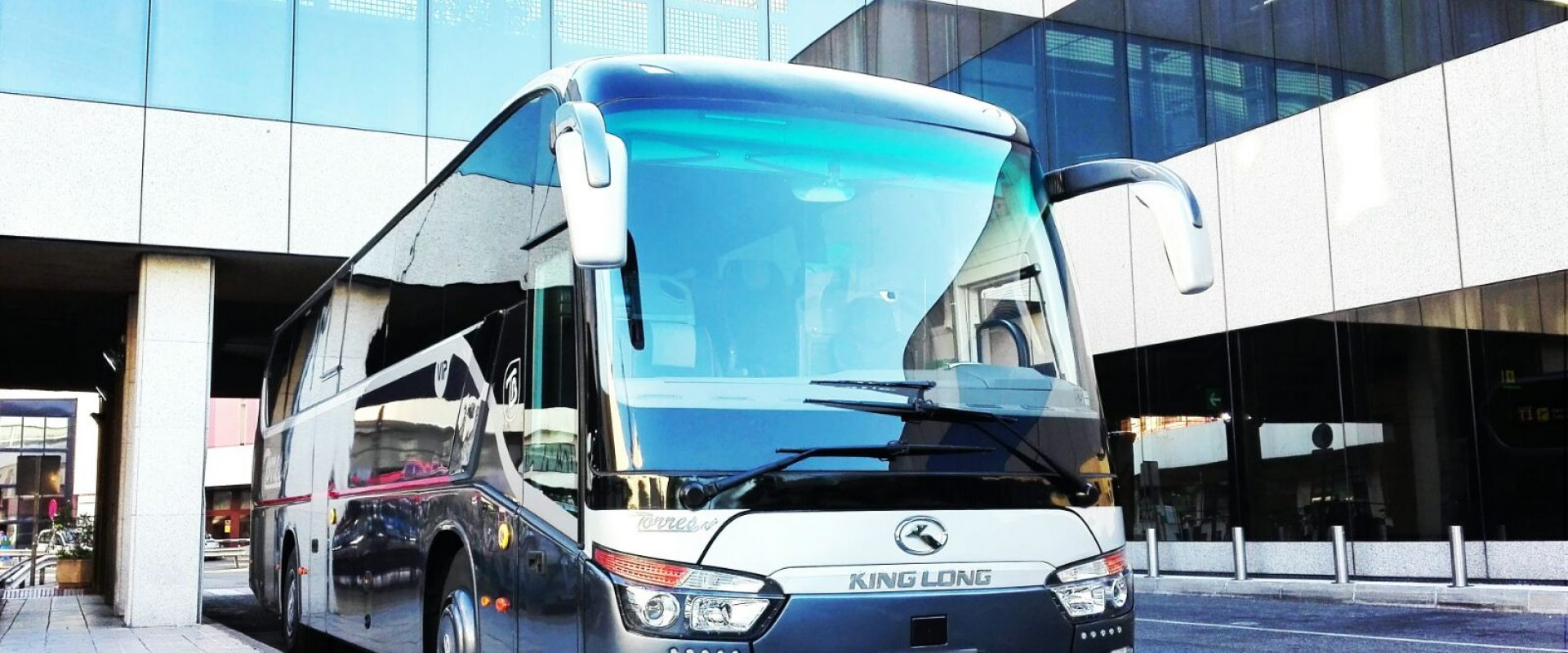

Picture this: you’re standing at the bustling Plaza de Cibeles, tickets in hand, and the clock is ticking for your group to hop on a bus that will whisk you away to Toledo for a day of history.
But the real challenge isn’t the destination—it’s finding reliable coach hire in madrid that feels like a private lounge on wheels, arrives on time, and knows how to keep everyone comfortable.
In our experience, the little things make the biggest difference: a driver who greets you by name, USB chargers at every seat, and a climate‑control system that adjusts to the summer heat of the capital.
That’s why event planners, tour operators, and corporate teams often ask us for a quick checklist before they sign a contract.
First, confirm the vehicle size matches your headcount – a 12‑seat minibus works for a small wedding party, while a 45‑seat coach is perfect for a university field trip.
Second, ask about accessibility: many of our coaches are equipped with ramps and secure wheelchair spots, so you don’t have to worry about a guest with reduced mobility being left out.
Third, double‑check insurance and driver qualifications – a licensed chauffeur with a clean record not only protects you legally but also adds that extra layer of peace of mind you crave after a long day of meetings.
Finally, think about extras that turn a plain ride into a memorable experience: on‑board Wi‑Fi for your presenters, bottled water for the tourists, or a curated playlist that matches the vibe of a corporate roadshow.
So, whether you’re coordinating a wedding convoy, shuttling a sports team to the Bernabéu, or planning a day trip to Segovia, the right coach hire in madrid can be the quiet hero that keeps everything running smoothly.
Stick with us, and we’ll walk you through each step, from picking the perfect vehicle to confirming the itinerary, so you can focus on enjoying the journey instead of stressing over logistics.
TL;DR
Choosing the right coach hire in madrid means getting a punctual, comfortable ride that matches your group size, budget, any special needs, and peace of mind.
We’ll walk you through vehicle options, accessibility tips, insurance checks, and extra perks so you can focus on enjoying the journey, not the logistics.
Core Service Overview: Types of Coach Hire in Madrid
When you start thinking about coach hire in madrid, the first question that usually pops up is: what kind of vehicle actually fits my group? And the answer isn’t one‑size‑fits‑all. From sleek minibusses that glide through narrow streets to full‑size luxury coaches that feel like a moving lounge, Madrid’s fleet has something for every occasion.
Let’s break it down by the most common categories you’ll encounter. First up, the minibus – usually 7 to 16 seats. It’s perfect for a small wedding party, a boutique corporate off‑site, or a school field trip where you want everyone to stay together but don’t need a massive bus. Think of it as the compact car of group transport – easy to maneuver, quick to load, and still offers amenities like USB charging and air‑conditioning.
Mid‑Size Coaches (17‑30 Seats)
When your headcount nudges past the minibus limit, the mid‑size coach steps in. These are the workhorses for day‑trips to places like Toledo or Segovia. They often come with optional Wi‑Fi, extra luggage racks, and sometimes even a small kitchenette for coffee breaks. If you’re an event planner juggling a corporate conference with a handful of breakout sessions, a 25‑seat coach gives you the flexibility to split groups without hiring multiple vehicles.
Do you ever wonder why some tours feel cramped even though the bus isn’t full? It’s usually a matter of seat layout and storage. Look for coaches with staggered seating and overhead compartments – they make the ride feel roomier and keep personal items out of the aisle.
Full‑Size Luxury Coaches (31‑70 Seats)
Now, for the big picture: full‑size coaches are the go‑to for large groups – think university excursions, sports teams heading to the Bernabéu, or a multi‑day corporate roadshow across Spain. The luxury versions come equipped with individual reading lights, climate control zones, and sometimes even on‑board entertainment screens. It’s the kind of ride where you could actually get some work done or relax with a movie without feeling like you’re on a crowded commuter bus.
In our experience, the biggest mistake is overlooking accessibility. Many of our full‑size coaches are fitted with ramps and dedicated wheelchair spaces, complying with European PMR standards. If you have guests with reduced mobility, ask the provider to confirm those features upfront – it saves a lot of last‑minute scrambling.
So, how do you pick the right tier? Here’s a quick checklist:
- Group size: 1‑6 = minibus, 7‑30 = mid‑size coach, 31+ = full‑size coach.
- Trip length: Day trips can get by with basic amenities; overnight or multi‑day trips benefit from extra comfort features.
- Special needs: Accessibility, Wi‑Fi, power outlets, climate zones.
- Budget: Minibusses are the most economical, but a luxury coach can be cost‑effective when you factor in the need for multiple vehicles.
And remember, the cheapest option isn’t always the best value. A slightly pricier coach with Wi‑Fi and charging ports might save you the hassle of bringing separate power banks for every participant.
Want a deeper dive into vehicle options and pricing tips? Check out our Comprehensive Guide to Coach Hire in Madrid for a side‑by‑side comparison of each class.
Beyond the vehicle itself, think about the little extras that turn a plain ride into a memorable experience. Some companies offer on‑board bottled water, custom playlists, or even branded seat covers. If you’re coordinating a wedding convoy, a coordinated color scheme can add that personal touch without breaking the bank.
And for event planners who need to hand out tickets, itineraries, or promotional flyers, a reliable printing partner can make a world of difference. A quick visit to JiffyPrintOnline can get you custom‑printed materials that look professional and keep your guests informed.
Imagine you’re leading a group of tourists through the historic streets of Madrid, and everyone pulls out their phones to snap the Royal Palace. With a coach that has built‑in Wi‑Fi, they can instantly share their photos, keeping the excitement alive throughout the journey.
On the flip side, if you’re shuttling a film crew between locations, you might need extra space for equipment. Many of our full‑size coaches have configurable storage bays that can accommodate gear without compromising passenger comfort.
Here’s a scenario you might recognize: you’ve booked a mid‑size coach for a corporate retreat, but on the day of departure, a few extra guests show up. Because you chose a flexible vehicle with optional seat extensions, the driver can quickly add a couple of seats without needing a second bus. That’s the kind of peace of mind that turns a stressful logistics puzzle into a smooth ride.
While the video above walks you through the booking process, let’s not forget the importance of insurance and driver qualifications. A licensed chauffeur with a clean record isn’t just a legal checkbox – it’s a reassurance that your group is in safe hands, especially during night trips or rainy seasons.
Finally, a quick tip for those who love a little visual flair: a well‑designed itinerary board inside the coach can keep everyone on schedule and excited about the next stop. It’s a small detail, but it adds a professional touch that guests notice.
Whether you’re planning a simple airport transfer or a multi‑day cultural tour, understanding the types of coach hire in Madrid helps you match the right vehicle to your specific needs. The right choice saves time, money, and headaches – leaving you free to enjoy the journey itself.

How to Choose the Right Coach for Your Group Size and Budget
When you finally pin down the itinerary, the next puzzle is matching the right coach to your headcount and pocket. It sounds simple until you realize a 12‑seat minibus feels cramped for a wedding party of 25, while a 45‑seat coach leaves half the seats empty and the price tag soaring. So, what’s the sweet‑spot?
First, get a solid headcount. Add the driver, then any extra travellers – a photographer, a wheelchair, a couple of kids with stroller kits. Jot that number down; we’ll call it your “base load.”
Step 1 – Size up the group
If your base load is 8‑15, a minibuss or a small coach (7‑20 seats) usually makes sense. Between 16‑30, look at a standard 30‑45‑seat coach – it offers enough room for luggage without feeling cavernous. Anything over 30? A large coach (45‑70 seats) or even two linked vehicles can keep costs per seat down.
Here’s a quick cheat sheet:
- Minibus (7‑20 seats): agile, cheaper, perfect for boutique tours or intimate weddings.
- Standard coach (30‑45 seats): the workhorse for corporate road‑shows, school trips, or day‑excursions.
- Luxury/VIP coach (20‑35 seats): leather, Wi‑Fi, power outlets – ideal for high‑end client transport.
- Large coach (45‑70 seats): best for festivals, sports crews, or multi‑day national trips.
We’ve seen event planners cut 15 % of their transport budget simply by swapping a 50‑seat coach for a 35‑seat VIP model when the group size allowed it.
Step 3 – Match the budget
Ask yourself three questions: What’s the total budget? How much are you willing to spend per passenger? And are there any “must‑have” extras that could push the price?
In our experience, a minibus runs roughly €80‑€120 per day, a standard coach €150‑€250, and a VIP coach €250‑€400, all depending on mileage and season. If you’re booking for a corporate conference, consider the per‑seat cost rather than the flat fee – the extra comfort can actually boost productivity on board.
Tip: Request a detailed quote that breaks down fuel, driver overtime, and optional amenities. That way you can see exactly where you could shave €10‑€20 per seat.
Step 4 – Factor in extras and accessibility
Do you need wheelchair ramps, extra luggage space, or on‑board Wi‑Fi? These features add a few euros per hour but can save headaches later. For a pilgrimage group, a ramp‑compatible coach is non‑negotiable; for a tech summit, reliable Wi‑Fi is priceless.
Don’t forget small comforts: USB chargers at every seat, bottled water, or a Bluetooth speaker. They’re cheap add‑ons that raise the perceived value of the journey.
Step 5 – Confirm flexibility and cancellation policies
Travel plans change. Look for providers that allow date shifts or seat reductions without a steep penalty. A flexible contract can be the difference between a smooth trip and a costly surprise.
Putting it all together, here’s a quick checklist you can print out:
- Base load (including driver and extras)
- Vehicle tier that fits the load
- Per‑seat cost versus total budget
- Essential amenities (accessibility, Wi‑Fi, power)
- Flexibility clause in the contract
When you tick each box, you’ll walk away with a coach hire in madrid that feels like it was sized just for your group – no wasted seats, no surprise fees, and a comfortable ride for everyone.
Step‑by‑Step Booking Process for Coach Hire in Madrid
Picture this: you’ve just nailed the itinerary for a corporate roadshow, a wedding convoy, or a school trip, and now the biggest question is – how do you actually lock down the coach?
We’ve been doing this for over three decades, so let’s walk through the exact steps we follow at Torres Bus. Grab a coffee, follow along, and you’ll have a solid booking in hand before the sun sets over Plaza Mayor.
Step 1 – Pinpoint the core requirements
First, write down the basics: number of passengers (including driver), date, departure and arrival points, and any special needs – wheelchair ramps, extra luggage, on‑board Wi‑Fi, or a mini‑bar for a wedding toast.
Ask yourself: are you moving a tech team that needs power outlets for laptops, or a pilgrimage group that can’t do without a ramp? The answer will dictate the vehicle tier and any add‑ons.
Step 2 – Choose the right vehicle class
Based on the headcount, match the group to a vehicle size. Here’s a quick cheat sheet:
- 7‑12 seats – agile minibuses, perfect for boutique tours or small families.
- 13‑30 seats – standard coaches, the workhorse for most corporate or school trips.
- 31‑45 seats – luxury/VIP coaches, ideal when you want leather seats, Wi‑Fi, and a concierge driver.
- 46‑70 seats – large coaches for festivals, sports crews, or multi‑day excursions.
If you’re unsure, we always recommend a “seat‑per‑budget” test: divide your total transport budget by the number of travelers and see which class stays under your target per‑seat cost.
Step 3 – Gather detailed quotes
Now it’s time to reach out for quotes. A good quote breaks down fuel, driver overtime, insurance, and every optional amenity. Ask the provider to send a spreadsheet – the clearer the line items, the easier you can spot where to shave €10‑€20 per seat.
Tip: request a “price‑per‑kilometre” figure and compare it against your planned mileage. Madrid traffic can add unexpected kilometers, especially if you’re stopping at multiple attractions.
Step 4 – Verify driver credentials and insurance
Everything hinges on a qualified driver. Make sure the company supplies a copy of the driver’s licence, a clean driving record, and proof of commercial insurance that covers passengers, cargo, and third‑party liability.
We always ask for a short bio of the driver – a friendly greeting can set the tone for the whole journey.
Step 5 – Confirm flexibility and cancellation terms
Plans change. Look for clauses that allow date shifts, seat reductions, or even a full cancellation with minimal penalty. A flexible contract can save you a hefty surprise fee if a speaker drops out or a wedding venue moves the ceremony.
Ask the provider: “What’s the latest I can adjust the passenger count without extra cost?” and write that answer down.
Step 6 – Lock in the itinerary and extras
Send a final confirmation email that lists every detail: pickup location, exact time, route, required stops, and any on‑board services (water bottles, USB chargers, Wi‑Fi speed). Attach a copy of the driver’s contact number so your team can reach them directly on the day.
If you need a mini‑bar, a speaker system, or a custom playlist, spell it out now. Most companies, including us, can accommodate a curated music list that matches the vibe of a corporate launch or a wedding reception.
Step 7 – Do a quick pre‑trip checklist
One night before the trip, run through this short list:
- Vehicle registration and insurance copies on file.
- Driver’s contact and arrival time confirmed.
- All accessories (chargers, water, signage) packed.
- Accessibility equipment inspected and functional.
A quick call to the depot to confirm the bus is at the depot and ready can prevent a last‑minute scramble.
Step 8 – On the day – brief the driver
When the coach rolls up, greet the driver, confirm the route, and point out any special stops. A friendly “thank you” and a quick rundown of the schedule goes a long way toward a smooth ride.
And that’s it – you’ve turned a potentially stressful logistics puzzle into a clear, manageable process.
Remember, the magic isn’t just in the vehicle; it’s in the details you capture early and the communication you keep open. Follow these steps, and your coach hire in Madrid will feel less like a chore and more like a seamless part of the experience.
Key Features Comparison: Standard vs. VIP Coach Hire
When you’re juggling a corporate roadshow or a wedding convoy, the line between «good enough» and «wow factor» often comes down to the coach you choose. Does a plain standard coach meet your needs, or is the extra polish of a VIP coach worth the investment?
Seating and Comfort
Standard coaches typically offer cloth seats with basic recline and a shared air‑conditioning vent. They’re great for getting a group from point A to B, but you might notice cramped legs on a two‑hour trip.
VIP coaches swap the fabric for leather or premium fabric, add individual seat controls, and often include extra legroom. One of our clients – a tech startup hosting a product demo in Segovia – told us the difference was «like moving from a regular office chair to an ergonomic one». That comfort kept their team fresh for the presentation.
On‑board Technology
Standard models usually provide a basic PA system and maybe a single Wi‑Fi hotspot. If you need to charge a laptop for a conference call, you’ll be fighting for the nearest outlet.
VIP coaches come equipped with high‑speed Wi‑Fi, USB‑C and power‑point ports at each seat, and a dedicated entertainment screen. In a recent wedding shuttle, the bride’s family streamed a live playlist without a hiccup, keeping the vibe upbeat from the hotel lobby to the ceremony.
Driver Experience and Service
All our drivers are professional, but VIP hires often pair you with a “concierge driver” who greets passengers by name, offers route suggestions, and handles last‑minute stops without a fuss.
Standard coaches still get a reliable driver, yet the personal touch isn’t guaranteed. If you’re on a tight schedule, that extra attentiveness can shave minutes off your itinerary.
Additional Amenities
Think mini‑bar, bottled water, on‑board speaker, or even a small fridge. Standard coaches might offer a water pitcher, but nothing more.
VIP coaches can include a stocked minibar, climate‑controlled compartments for sensitive equipment, and a premium sound system. A sports team we worked with liked the ability to keep their recovery drinks chilled during a 3‑hour trip to a match.
Pricing Perspective
Standard coach rates in Madrid hover around €150‑€250 per day, depending on mileage. VIP coaches run €250‑€400, reflecting the added comforts.
But look at the per‑seat cost: if you have 20 passengers, a VIP coach might actually be cheaper per head than a larger standard coach you’d need to fill. Run the numbers – the extra comfort often translates to higher productivity or a smoother event flow.
Real‑World Decision Tree
1. Ask yourself: is the journey part of the experience? If the answer is yes – think weddings, executive client transports, or high‑profile tours – VIP is the safe bet.
2. If the trip is purely functional – a school outing or a logistics run – a standard coach will get the job done without blowing the budget.
3. Check your client’s expectations. Corporate clients often expect Wi‑Fi and power at every seat; event planners may want that luxury feel to match a venue’s décor.
Checklist Before You Book
- Seat type: cloth vs. leather, recline angle, legroom.
- Tech: Wi‑Fi speed, power ports, AV system.
- Driver service level: standard vs. concierge.
- Amenities: minibar, climate control, speaker.
- Budget per seat: calculate total cost ÷ passenger count.
By ticking these boxes you’ll avoid surprise fees and end up with a coach that fits the vibe of your event.
Quick Comparison Table
| Feature | Standard Coach | VIP Coach |
|---|---|---|
| Seating | Cloth, basic recline, shared climate | Leather/premium fabric, individual controls, extra legroom |
| Tech | Basic PA, optional Wi‑Fi | High‑speed Wi‑Fi, USB‑C & power points at each seat, entertainment screen |
| Driver | Professional driver | Concierge driver, name greeting, flexible routing |
| Amenities | Water pitcher | Mini‑bar, climate‑controlled storage, premium sound system |
Bottom line: if your event’s success hinges on first impressions, the VIP coach turns a simple transfer into a moving lounge. If you’re focused on moving a crowd efficiently and economically, the standard coach does the job just fine. Either way, Torres Bus can match the right vehicle to your exact needs – just let us know your priorities and we’ll handle the rest.
Top Destinations for Day‑Trip Excursions from Madrid by Coach
Imagine you’ve just dropped a group of eager tourists off at the hotel, and now they’re asking, “Where can we go for a perfect day‑trip without the headache of parking?” The answer is usually a coach that lets everyone relax, snap photos, and actually enjoy the scenery.
Because a coach gives you a moving lounge, you can pack a full itinerary into a single day – no rush, no luggage juggling, and no missing out on the highlights. Below are the four classic day‑trip gems that our clients love, plus a bonus spot that’s starting to get buzz.
Toledo: History on Wheels
Just 70 km south of Madrid, Toledo feels like stepping into a medieval storybook. With a coach, you can arrive early, wander the winding streets, then hop back on for a relaxed ride back before sunset. The key perk? Everyone stays together, so the guide can keep the group synced and the driver can avoid the narrow alleys that cars hate.
We often see event planners loading a standard 30‑seat coach for a school group, then swapping to a VIP coach for a corporate retreat – the extra legroom means the senior executives can still work on laptops while the kids snap selfies at the Alcázar.
Segovia: The Aqueduct and the Wow Factor
Segovia’s Roman aqueduct and fairy‑tale castle are the kind of sights that look amazing on a phone screen, but even better in real life. A coach lets you park right at the Plaza del Azoguejo, so you don’t waste time hunting a spot on a narrow hill.
Because the journey itself is part of the experience, many tour operators schedule a quick coffee stop at a local café along the A‑6. The driver can pull over safely, the group stretches, and you all return refreshed for the castle view.
El Escorial: Spiritual Retreat Without the Stress
El Escorial is a massive royal palace‑monastery that spreads over a hilltop. Walking tours take a couple of hours, but the bus ride up offers panoramic shots of the Sierra de Guadarrama. A coach with a large luggage compartment means you can bring a picnic basket, a portable speaker, and even a few folding chairs for a relaxed lunch in the gardens.
Families with seniors love the wheelchair‑compatible coaches we have in the fleet – the ramp deploys smoothly, letting grandparents explore the basilica without a scramble.
Ávila: Walls That Talk
For corporate teams, we recommend a VIP coach with on‑board Wi‑Fi so the sales crew can prep for the afternoon meeting while the rest of the group enjoys the historic ambience.
Bonus: Cuenca’s Hanging Houses
If you’ve got an extra hour, the UNESCO‑listed town of Cuenca is a hidden gem. The winding road up the gorge is a driver’s delight, and the coach’s large windows turn the ascent into a scenic show. Because it’s a longer trip (about 2 hours each way), a comfortable seat and power outlet become a real plus – especially if you’re traveling with photographers who need to charge batteries.
So, which spot feels right for your group? Think about the vibe you want: history, romance, spiritual calm, or a surprise off‑the‑beaten‑path adventure. Then match it to the right coach size and amenities – standard for pure sightseeing, VIP when you need work‑time or extra comfort.
Travelers often wonder whether a big tour company or a self‑drive rental is smarter. A thread on the Rick Steves forum shows many solo travelers opting for a coach because it avoids parking hassles and lets them focus on the sights rather than the road.
Bottom line: a well‑chosen coach turns a simple day‑trip into a seamless experience. You pick the destination, we handle the wheels, and everyone gets to soak in the culture without a single traffic jam ruining the mood.
Conclusion
After we’ve walked through vehicle types, budgeting tips, booking steps and top day‑trip spots, the picture should be clear: the right coach hire in madrid can turn a logistical headache into a smooth, enjoyable experience.
Think back to that moment when you imagined the group stepping off a bus in Segovia, breathless from the view, not stressed about parking. That’s the feeling we aim to deliver every time we roll out a coach.
So, what’s the next move? First, lock in your headcount, then match it to the vehicle tier we discussed – minibuses for intimate groups, standard coaches for school trips, VIP for corporate or wedding shuttles. Second, request a detailed quote that breaks down fuel, driver overtime and any extras you need, like wheelchair ramps or on‑board Wi‑Fi.
Remember, flexibility matters. Choose a provider that lets you adjust seats or dates without a penalty – it saves you money and nerves if plans shift.
Finally, give your driver a quick briefing on the day’s schedule and any special stops. A friendly “thank you” and clear instructions set the tone for a punctual, comfortable ride.
Ready to make your next group journey effortless? Reach out, and let us handle the wheels while you enjoy the sights.
FAQ
How do I figure out the right coach size for my group in Madrid?
Start by counting every passenger – include the driver, any guides, and extra gear like cameras or strollers. Add one or two seats for luggage if you’re heading out for a day‑trip. Then match that total to the vehicle tiers we talked about: 7‑20 seats for minibusses, 30‑45 for a standard coach, 20‑35 for a VIP model. A quick tip is to add a 10 % buffer; it protects you from last‑minute walk‑ins and keeps the ride comfy.
What paperwork should I ask for before I sign a coach hire contract?
Ask for a copy of the driver’s commercial licence and a clean driving‑record summary – that’s your safety net. You also need proof of insurance that covers passenger liability, cargo and third‑party damage. Request the vehicle registration and any required permits for the routes you’ll take, especially if you’re crossing city limits or entering historic zones. Having these documents on file lets you spot red flags before you’re on the road.
Are there hidden fees I need to watch out for with coach hire in Madrid?
Beyond the base rate, most providers add a fuel surcharge that reflects the day’s mileage, especially if you plan multiple stops. Overtime charges kick in if the driver works past the agreed‑upon hours, and parking or toll receipts are usually passed through. Extras like Wi‑Fi, bottled water or a minibar can be itemised per passenger, so ask for a line‑by‑line quote. Knowing these items up front saves surprise invoices.
How flexible are cancellation or date‑change policies?
Flexibility varies, but many companies offer a grace period of 48 hours for a full refund and allow seat reductions up to a week before departure without penalty. During peak season (May‑September) the window shrinks, so lock in your date early or negotiate a clause that lets you shift the trip by a day or two for a small admin fee. Always get the policy in writing.
Can I request a wheelchair‑accessible coach or other special equipment?
Absolutely. Accessible coaches come with a ramp or lift, secure wheelchair tie‑down points and extra room for caregivers. When you request one, ask to see a photo of the interior layout and confirm the ramp’s operating speed – a slow ramp can add minutes at each stop. Most providers will also equip the bus with handrails and priority seating, making the journey smooth for everyone.
What’s the difference in amenities between a standard coach and a VIP coach?
Standard coaches usually have cloth seats, basic air‑conditioning and a single PA system. VIP coaches step it up with leather or premium fabric, individual seat controls, high‑speed Wi‑Fi, USB‑C ports at each seat, and sometimes a mini‑bar or climate‑controlled storage for delicate equipment. If you need to run a presentation on the road or want the feel of a moving lounge for a wedding shuttle, the VIP upgrade pays for itself in comfort and productivity.
When should I book my coach to guarantee availability for a popular event?
For anything during the high‑tourist months or around major festivals, aim to book at least four to six weeks ahead. Corporate roadshows and wedding seasons can fill up even faster, so a two‑month lead time is safest. Early booking not only locks in the vehicle you want but also gives you room to negotiate extras and lock in a favorable cancellation clause.