
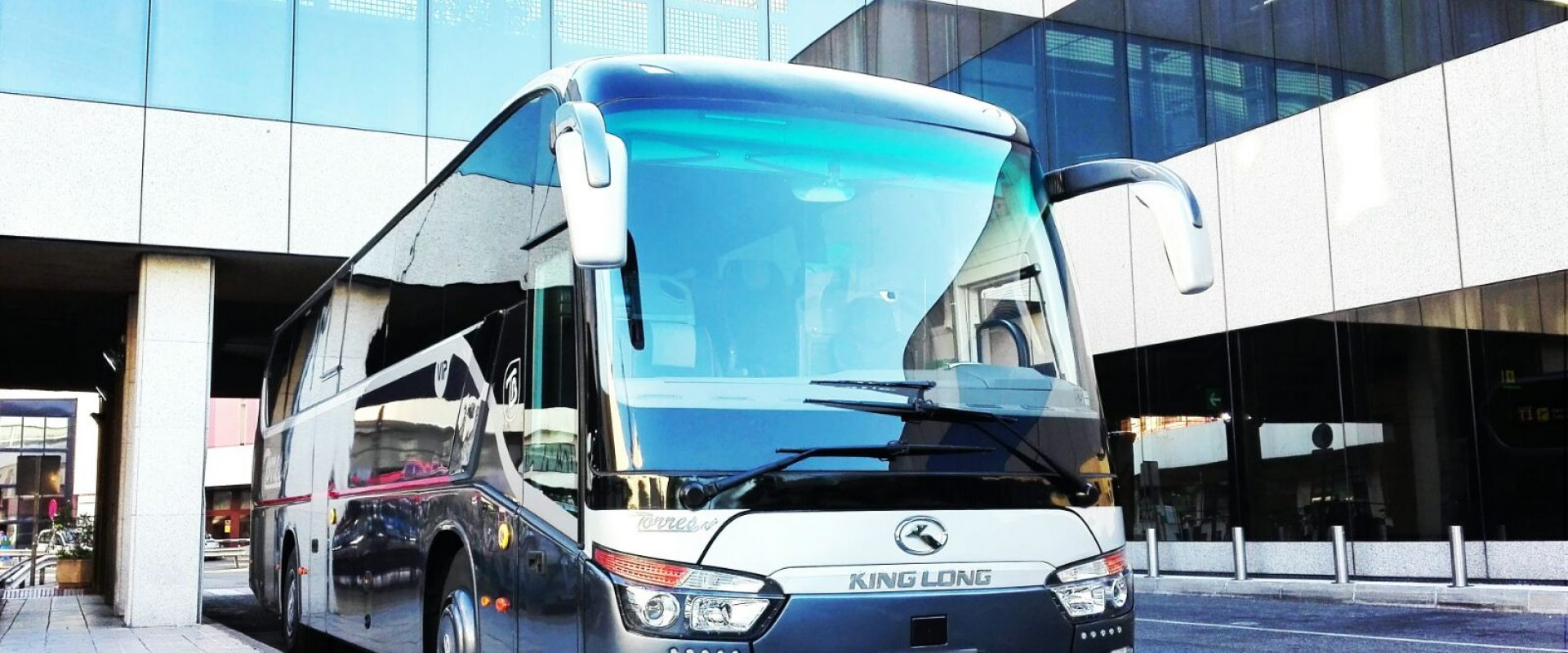

Picture this: you’ve just landed at Barajas, a group of friends or colleagues waiting, luggage in tow, and the clock is ticking. You know the feeling of juggling taxis, public transit, and a growing sense of stress, all while trying to keep the vibe upbeat.
That’s exactly why the phrase alquiler minibus madrid con conductor pops up in our heads when we talk about group travel in the capital. Instead of a chaotic scramble, you get a single, comfortable vehicle with a professional driver who knows the city’s shortcuts and the best coffee stops for a quick breather.
In our experience, event planners love this peace of mind for weddings – imagine the bride’s family arriving together, relaxed, and ready to celebrate. Corporate teams appreciate the punctuality for airport transfers, especially when a board meeting starts at 9 am and the last thing they need is a missed flight.
And it’s not just about getting from point A to B; a minibus with a driver becomes a rolling lounge where conversations flow, ideas spark, and the journey itself feels like part of the event. We’ve seen groups head out for a day‑trip to Toledo, laugh over tapas on the way, and arrive back in Madrid refreshed enough to tackle the evening’s agenda.
So, if you’re wondering whether hiring a minibus with a driver is worth the investment, think about the hidden costs of missed connections, scattered groups, and the stress that steals the joy from any outing. What you gain is time, safety, and a tailor‑made experience that lets you focus on the reason you’re traveling in the first place.
Ready to ditch the taxi roulette and treat your group to a seamless ride? Let’s explore how you can pick the right size, check the driver’s credentials, and lock in a schedule that matches your itinerary.
TL;DR
Hiring an alquiler minibus madrid con conductor gives you stress‑free group travel, turning every airport drop or wedding shuttle into a comfortable, on‑time experience.
We’ll help you pick the right size, confirm driver credentials, and lock a schedule so you can completely enjoy the journey and focus on your event.
Step 1: Determine Your Transport Needs
First thing’s first – what’s the real reason you’re hunting for an alquiler minibus madrid con conductor? Is it a wedding party that needs to arrive together, a corporate crew catching an early flight, or a school trip to the historic towns outside Madrid? Pinpointing the core need clears the fog and stops you from over‑booking or, worse, under‑booking.
Think about the size of your group. Do you have 8 friends heading to a tapas crawl, or a 60‑person delegation for a conference? The difference between a 12‑seat microbus and a 50‑seat coach isn’t just seats; it’s luggage space, comfort level, and the kind of driver experience you’ll get. In our experience, a quick headcount (including any extra gear like strollers or musical equipment) saves a lot of last‑minute scrambling.
Map out the itinerary
Write down every stop, the expected departure times, and any wiggle room you might need. A simple spreadsheet does wonders. If you’re shuttling between Barajas Airport and a hotel, factor in traffic peaks – a 30‑minute buffer can be the difference between a smooth check‑in and a rushed apology.
And ask yourself: will you need a driver who speaks English for an international group? Do you require wheelchair‑accessible seating for a senior‑friendly outing? Those details shape the vehicle choice and driver credentials you should request.
Budget vs. comfort
Let’s be real – the cheapest option isn’t always the smartest. A cramped minibus might save a few euros, but if your guests are cramped for three hours, that saved money turns into bad vibes. Consider the total cost of ownership: fuel, tolls, driver fees, and any extra services like Wi‑Fi or on‑board refreshments.
One tip that works for event planners is to treat the transport budget as a line item in the overall event budget. That way you can justify a slightly higher spend for a more premium vehicle that keeps everyone happy and on time.
When you’ve nailed down size, schedule, and budget, it’s time to compare providers. Everything You Need to Know About Minibus Hire Madrid with Driver offers a solid checklist that many of our clients find handy.
Now, let’s talk sustainability. If you’re keen on reducing your carbon footprint, consider routing software that optimises fuel use. Selene – Your AI‑Powered EV Assistant can help you plan the most efficient route, especially if you’re open to an electric‑powered minibus for shorter hops around the city.
For those planning a multi‑day adventure that ends with a seaside villa visit, you might also want to think about the next leg of the journey. A quick look at a luxury property guide can spark ideas for combining transport with a stay. A Complete Guide to Buying Villas for Sale Marbella shows how a seamless travel experience can extend beyond Madrid.
Below is a quick checklist you can copy‑paste into your notes:
- Group size (including luggage)
- Required vehicle type (microbus, coach, accessible)
- Pick‑up and drop‑off locations
- Time windows and traffic buffers
- Language and special driver requirements
- Budget ceiling vs. comfort priorities
- Optional sustainability tools
Having this list in front of you when you call a provider turns a vague conversation into a focused negotiation.
Here’s a short video that walks you through the typical questions you should ask a minibus hire company before you sign the contract.
Notice how the driver’s knowledge of local shortcuts can shave off precious minutes. Ask for a sample route plan – that’s a good litmus test for professionalism.

Finally, trust your gut. If a company feels rushed or vague, keep looking. The right partner will gladly walk you through each detail, answer all “what if” scenarios, and make you feel like you’re working with a friend who knows the city inside out.
So, with your transport needs crystal clear, you’re ready to move on to the next step: verifying driver credentials and locking in the schedule.
Step 2: Choose the Right Minibus Size and Configuration
Ever stared at a fleet chart and felt your brain melt, wondering whether a 12‑seat van or a 30‑seat coach is the sweet spot for your group? You’re not alone – we all have that moment when the numbers stop making sense and the logistics start looking like a puzzle.
First thing’s first: write down the exact headcount, then add a safety cushion of two to three seats. Those extra spots are lifesavers for unexpected guests, oversized luggage, or that last‑minute photographer who shows up with a big rig.
Next, think about the journey’s rhythm. A short airport shuttle that lasts 30‑45 minutes usually thrives with a compact 7‑ or 12‑seat vehicle – you keep the cabin intimate, loading and unloading is quick, and fuel consumption stays low. A half‑day city tour with multiple stops, however, benefits from a larger layout that lets passengers stretch, maybe even set up a small coffee station.
Step‑by‑step sizing checklist
- Count passengers (including drivers).
- Add 10 % for luggage and equipment.
- Identify any special‑needs seats (wheelchair ramps, child seats).
- Map the stops – the more doors you open, the more time you need for boarding.
- Consider comfort level: recline seats, USB ports, Wi‑Fi – these features usually appear on minibuses with 16 seats or more.
Does that checklist feel overwhelming? Take a breath. Let’s walk through a couple of real‑world scenarios that show how the same numbers can lead to different choices.
Scenario 1: Corporate off‑site in Segovia
A tech startup booked a day‑trip for 22 employees from Barajas to Segovia, with a quick lunch stop in Ávila. They opted for a 25‑seat minibus. Why not two 12‑seat vans? The single vehicle meant one driver, one bill, and a consistent climate control setting – crucial when the team is discussing product roadmaps on the move. The extra five seats covered a few large suitcases and a portable whiteboard.
Key takeaway: when you need a mobile meeting room, consolidate into the smallest vehicle that still leaves room to breathe.
Scenario 2: Wedding rehearsal dinner for 38 guests
An event planner arranged two 20‑seat minibusses instead of a single 40‑seat coach. The split allowed the bridal party to sit together, while the elderly parents rode in the vehicle with a lower floor and a built‑in wheelchair ramp. The planner also saved €300 because the two minibusses used less fuel than a full‑size coach that would have sat half empty.
Lesson learned: passenger comfort and accessibility can outweigh the simplicity of a single larger bus.
Now, let’s talk configuration. Most of our fleet offers three main layouts:
- Standard seating – rows of forward‑facing seats, best for short hops.
- Executive layout – seats face each other, sometimes with a small table, perfect for brainstorming sessions or family gatherings.
- Hybrid – a mix of forward seats and a rear lounge area, ideal for multi‑hour tours where you want a place to set down coffee cups and guidebooks.
Which layout feels right for you? If your group will be discussing work, the executive layout cuts down on neck strain and encourages collaboration. If you’re shuttling a sports team that needs space for equipment, the hybrid with a rear storage nook works wonders.
Here’s a quick action plan you can run through on a coffee break:
- Grab a pen and your headcount list.
- Mark any accessibility needs – a wheelchair ramp adds about 2 meters to vehicle length, so you might need a 16‑seat model.
- Choose a layout that matches the event vibe – formal vs. casual.
- Check the vehicle’s amenities (USB, Wi‑Fi, air‑conditioning) against your group’s tech expectations.
- Ask the driver if they can suggest a route that maximizes fuel efficiency; in Madrid rush hour, a slightly larger bus can actually save time by reducing the number of stops.
And remember, the right size isn’t just about numbers; it’s about the experience you want to create. A cramped 7‑seat van for a 12‑person team will feel like a sardine can, while a spacious 30‑seat coach for a group of eight can feel oddly luxurious – and that extra cost might not be justified.
In short, match the headcount, luggage, accessibility, and vibe to the smallest vehicle that still delivers comfort. Once you’ve locked that down, the rest of the booking – driver credentials, schedule, and price – falls into place like a well‑planned itinerary.
Step 3: Compare Service Packages and Pricing
Now that you’ve nailed the size, it’s time to look at the money side of things. In our experience, the biggest surprise isn’t the headline price – it’s what’s hidden behind it. So let’s pull the curtain back and compare the usual packages you’ll see when you search for alquiler minibus madrid con conductor.
Why a side‑by‑side look matters? Because two quotes that both say “€350 for a half‑day” can actually deliver very different experiences. One might include fuel, driver overtime, and a Wi‑Fi hotspot; the other could be charging extra for every kilometre over 50 km. The difference can be the gap between a smooth ride and a scramble for cash at the last stop.
Step‑by‑step comparison checklist
Grab a notebook or open a spreadsheet and run through these items for every quote you collect:
- Base vehicle price (per hour or per half‑day)
- Included mileage – how many kilometres are covered before a surcharge?
- Fuel policy – full‑to‑full, or do you pay a per‑litre markup?
- Driver hours and overtime – is the driver’s break time factored in?
- Additional amenities – Wi‑Fi, USB ports, climate control, bottled water.
- Special‑needs equipment – wheelchair ramps, child seats, luggage racks.
- Night or weekend premiums – many firms add 20‑30 % after 9 pm.
- Insurance and liability coverage – is it included or an optional extra?
- Cancellation policy – how much do you lose if plans shift?
Once you have a row for each provider, you’ll see which one gives the best bang for your buck. Does the lower price come with a hidden fuel surcharge? Or does the slightly higher quote already bundle Wi‑Fi and a bilingual driver?
Real‑world cost snapshots
Let’s walk through three typical scenarios you might be planning.
1. Corporate off‑site (12‑seat minibus, 4 hours) – A mid‑range provider quoted €260 incl. driver, fuel up to 80 km, and free Wi‑Fi. A low‑cost competitor said €210 but added €0.30 per extra kilometre and €15 for Wi‑Fi. If you travel 120 km, you end up paying €290, which is actually more than the first quote.
2. Wedding shuttle (20‑seat executive layout, full‑day) – One vendor offered €480 all‑inclusive, covering a lunch stop, a portable coffee bar, and a driver who can speak English and Spanish. Another quoted €420 but required a €50 night‑surcharge and €30 per extra stop. For a day with two stops, the total climbs to €500.
3. School field trip (30‑seat, morning‑only) – A family‑run fleet charged €300 flat, with a 10 % discount for groups of three schools booking together. A larger operator listed €340, but included a free guidebook and a safety briefing that would otherwise cost €40 extra.
What do these numbers tell you? The cheapest headline isn’t always the cheapest overall. Look for the package that aligns with the services you actually need.
Quick decision table
| Feature | Standard Package | Premium Package |
|---|---|---|
| Base price (half‑day, 12 seats) | €250 | €320 |
| Included mileage | 70 km | 150 km |
| Wi‑Fi & USB | Extra €20 | Included |
| Driver overtime | €30 per hour | First 2 hrs free |
| Accessibility equipment | Add €40 | Included |
Use the table as a quick reference when you’re on the phone or reading a PDF. If the premium package only costs €15‑20 more per hour but saves you from paying for Wi‑Fi, mileage, and driver overtime, it usually wins the cost‑benefit test.
Expert tip: ask for a “price per passenger” breakdown
When you ask a provider to split the total cost by the number of seats, you instantly see whether you’re over‑paying for empty space. For a 25‑seat bus at €500, that’s €20 per passenger. If you only have 12 guests, the per‑person cost jumps to €42 – a good signal that a smaller vehicle would be smarter.
Another little trick is to request a “what‑if” scenario. Say you add a last‑minute stop or a few extra suitcases. A transparent provider will recalculate on the spot, showing you the exact impact.
Finally, remember that price isn’t everything. Reliability, driver professionalism, and the ability to adapt on the day can save you hours of stress – and that’s priceless when you’re juggling a wedding timeline or a corporate deadline.
Take these steps, fill out the checklist, and you’ll walk away with a clear picture of which package truly fits your budget and your event’s vibe. Happy comparing!
Step 4: Booking Process and What to Expect
You’ve finally nailed down the size, the price and the vibe – now the real fun begins: actually booking the alquiler minibus madrid con conductor. It can feel a bit like juggling, but with a clear checklist you’ll breeze through it.
Gather Your Details
First, pull together the nitty‑gritty. Write down the exact pick‑up address, the drop‑off point, dates, times and any intermediate stops. Jot the number of passengers (including the driver), luggage volume and special‑needs items like a wheelchair ramp or child seats. Having this on a single sheet makes the next call feel like a conversation, not a scavenger hunt.
Contact the Provider
Give Torres Bus a call or drop a short email. In our experience, a quick “Hey, I need a minibus for X people on Y date, can you send a quote?” gets you a response in under an hour. Be ready to answer a few follow‑up questions – they’ll want to confirm mileage, whether you need Wi‑Fi, or if you prefer a bilingual driver for an international group.
Ask for a written quote that breaks down every line item: base fee, mileage allowance, driver hours, fuel policy and any optional extras. This is the moment you can spot hidden fees before they become a surprise.
Take a minute after the video to double‑check the numbers. Does the mileage cap cover your planned route? Is there a clear overtime rate for the driver if your schedule runs late? If something feels vague, ask for clarification right away.
Confirm the Quote
Once the numbers look good, hit “accept” – usually by replying “I confirm the booking as per the attached quote.” At this point most companies will ask for a small deposit, often 10–20 % of the total. A bank transfer or credit‑card payment is standard; keep the receipt in your folder alongside the checklist.
- Verify the deposit amount and the deadline for the final payment.
- Make sure the contract names the driver and the vehicle registration.
- Check the cancellation policy – a 48‑hour notice window is common, but some providers charge a fee for same‑day changes.
Lock In the Reservation
After the deposit clears, you’ll receive a confirmation email with a reference number. Save that number – you’ll need it if you have to tweak the itinerary later. Most firms also send a PDF itinerary that lists pick‑up times, contact numbers and a brief “what to bring” reminder (like a copy of your ID for the driver).
Pro tip: add the reservation to your calendar with an alert 30 minutes before each pick‑up. It’s amazing how often a simple reminder prevents a missed shuttle.
What Happens on the Day
On the day of travel, the driver will usually arrive a few minutes early, introduce themselves and confirm the passenger list. They’ll handle luggage, open the doors for you and keep an eye on traffic to stay on schedule. If you’ve asked for a “what‑if” scenario – say an extra stop for coffee – the driver can adjust on the fly, because the contract already covers mileage and time buffers.
Don’t forget to inspect the vehicle briefly: check the seats, air‑conditioning and that the Wi‑Fi router is working. A quick “everything looks good” saves you from any awkwardness later.
After the journey, you’ll get a short follow‑up asking for feedback. A quick rating helps the company keep its standards high, and it gives you a chance to note anything that could be improved for next time.
In a nutshell, the booking process is just a series of small, predictable steps. Gather your details, get a clear quote, lock in the reservation with a deposit, and know what to expect on the day. Follow the checklist, and you’ll turn what could feel like a logistics nightmare into a smooth, stress‑free part of your event.
Step 5: Tips for a Smooth Ride and After‑Service
So the minibus is parked, the doors swing open, and you’re ready to step out. But what if the real test isn’t the ride itself, but how you handle the little moments that happen before, during, and after the journey? In our experience, a few simple habits turn a good trip into a flawless one.

Before you board: the pre‑ride checklist
- Confirm the pickup address and exact time with the driver at least 24 hours ahead. A quick WhatsApp or email reminder cuts down on mis‑communication.
- Ask the driver to run a brief vehicle walk‑around with you. Check air‑conditioning, seat adjustments, and that the Wi‑Fi hotspot lights up.
- Make a note of any special‑needs items – wheelchairs, child seats, or extra luggage – and verify that the bus is equipped before you arrive.
Why does this matter? One of our corporate clients once arrived at Barajas only to discover the driver had forgotten the wheelchair ramp. A 15‑minute delay turned a smooth morning into a rushed scramble. By confirming the detail in advance, they saved both time and embarrassment.
During the ride: keeping the vibe relaxed
Think about it this way: the minibus is a moving lounge, not a cramped taxi. Here are three habits that keep the atmosphere easy‑going.
- Let the driver know your preferred music volume early on. Most of our drivers will adjust the playlist or keep the cabin quiet if you’re on a conference call.
- Encourage passengers to use the USB ports and Wi‑Fi for quick work or entertainment. When the signal drops, a quick “can we reset the router?” saves everyone from awkward silence.
- Plan one short stop for coffee or a restroom break. A 5‑minute pause at a trusted café can boost morale and give the driver a breather.
Real‑world example: A wedding planner booked a 20‑seat executive layout for a rehearsal dinner shuttle. By asking the driver to pull over at a local patisserie for a quick espresso, the bridal party arrived at the venue feeling refreshed, and the driver reported a smoother traffic flow thanks to the brief detour.
After the ride: the after‑service loop
When the doors close behind the last passenger, the job isn’t quite finished. A quick after‑service routine helps you lock in the positive experience and gives the provider a chance to improve.
- Complete the feedback form within 24 hours. Mention anything that stood out – a friendly driver, spotless seats, or a missed amenity.
- If you noticed a minor issue (e.g., a seat that didn’t recline), email the company with a photo. Most providers will offer a small discount on your next booking.
- Store the reservation reference in a spreadsheet alongside the date, passenger count, and any special requests. When you need another minibus, you can copy‑paste the details and avoid re‑typing everything.
One of our repeat corporate customers saved €150 on a follow‑up booking simply because they highlighted a “fuel surcharge” they hadn’t expected the first time. The provider adjusted the contract and the client walked away happy.
Pro tip: create your own mini‑SOP
It sounds a bit formal, but a three‑step SOP (Standard Operating Procedure) takes only five minutes to draft and pays off every time you book a minibus.
1. Pre‑ride: confirm details, inspect vehicle, note special needs.
2. In‑ride: set music, use amenities, schedule a short stop.
3. Post‑ride: submit feedback, document issues, archive reference.
Print this on a sticky note and keep it by your laptop. When the next event rolls around, you’ll have a ready‑made checklist that eliminates last‑minute panic.
Does all this sound like a lot? Not really. Each bullet point is a tiny habit that adds up to a smoother, more professional experience – whether you’re shuttling a tech team to a conference or a wedding party to the ceremony.
Bottom line: a smooth ride starts with clear communication, stays smooth with small comfort tweaks, and ends with a quick feedback loop. Follow these steps, and you’ll turn every alquiler minibus madrid con conductor booking into a stress‑free highlight of your event.
Step 6: Payment Options, Cancellation Policies, and Insurance
When you’re ready to lock in your alquiler minibus madrid con conductor, the paperwork can feel a bit intimidating. Trust me, we’ve been there – a handful of numbers, a few signatures, and suddenly you’re wondering if you’ve missed something important.
Payment usually comes in three flavors: bank transfer (no fee, takes a day), credit‑card (instant, 2 % surcharge) or an online portal that folds any fee into the quoted price.
Pick the one that fits your workflow. Credit‑card gives you an immediate receipt for expense reports. Bank transfer saves a few euros for tight budgets. The portal is perfect for last‑minute confirmations.
Payment Options
Here’s a trimmed checklist you can paste into your notes:
- Preferred method – note any surcharge.
- Deposit (usually 10‑20 % of total).
- Due dates for deposit and final payment.
- Invoice details – company name, tax ID.
Keep that sheet handy when you talk to the office; it avoids the classic ‘I didn’t know there was a surcharge’ surprise.
Understanding Cancellation Policies
Cancellation terms are where hidden costs live. A typical Madrid minibus quote offers 48 hours free cancellation; after that you lose about 25 % of the price, and a same‑day change can bite 50 %.
Imagine you’ve booked a shuttle for a wedding and the ceremony moves two hours later. With a 24‑hour policy you’d pay a penalty; with a 48‑hour clause you’re still safe.
Ask for a one‑page PDF that spells out the free‑cancellation window and the exact penalty percentages. Those two lines save you endless back‑and‑forth emails.
Pro tip: if your event is weather‑dependent, negotiate a flexible clause that lets you shift the date without extra cost.
Insurance Basics
Spanish law requires every licensed minibus to carry civil liability insurance of at least €1 million. That covers third‑party damage if the bus bumps a car or a curb.
At Torres Bus the civil liability is already included in the quoted price, so you won’t need a separate policy. If you want extra peace of mind you can add passenger accident insurance – roughly €2 per person – which pays for medical costs if someone is injured during the ride.
Corporate clients often have their own fleet insurance that extends to hired vehicles. A quick email to your risk manager can confirm you don’t need duplicate coverage – just ask the provider for a certificate of insurance.
When you scan the contract, look for ‘civil liability’ and ‘passenger accident insurance’. If they’re missing, request them before you sign – it’s easier to add a line now than to argue later.
Final Checklist Before You Sign
Run through this short list before you hit ‘accept’:
- Deposit amount and method – note any surcharge.
- Cancellation window – 48 h free, then 25 %.
- Insurance coverage – civil liability €1 M, optional passenger €2 each.
- Mileage/fuel – full‑to‑full or fixed km.
Having those items on one page turns a dense contract into a clear roadmap. You’ll know exactly what you’ll pay, when you can cancel, and how you and your passengers are protected. You’ll feel confident that nothing hidden will surprise you on the day of travel.
So you can focus on the fun part – watching your group glide through Madrid, stress‑free. Enjoy the ride and let the driver take care of the rest.
Conclusion
We’ve walked through everything you need to feel confident booking an alquiler minibus madrid con conductor – from sizing the vehicle to checking insurance and locking in the deposit.
So, what’s the final takeaway? First, treat the checklist like a safety net; it catches the hidden fees and last‑minute surprises that can ruin a smooth ride.
Second, remember that the right driver makes all the difference. In our experience, a courteous, bilingual driver who knows Madrid’s shortcuts can shave minutes off a journey and keep the mood relaxed.
And if you’re still unsure, ask for a quick “what‑if” scenario. A simple email asking how an extra stop or extra luggage will affect the price often reveals hidden costs before you sign.
Finally, keep a one‑page summary of the agreement – deposit amount, cancellation window, insurance limits, mileage policy – tucked in your project folder. When the day arrives, you’ll be able to focus on the fun part: watching your group glide through the city, stress‑free.
Ready to put the plan into action? Reach out, grab that quote, and let the driver take care of the road while you enjoy the ride.
And remember, a well‑planned minibus hire isn’t just about transport – it’s about giving your guests a seamless, memorable experience that sets the tone for the whole event.
FAQ
What does “alquiler minibus madrid con conductor” actually include?
When you book a minibus with a driver in Madrid, you get the vehicle, a licensed bilingual driver, fuel up to the agreed kilometre limit, basic insurance and any standard amenities like air‑conditioning, USB ports and Wi‑Fi (if you asked for them). The driver also handles luggage, opens doors and keeps an eye on traffic so you can relax. Anything beyond the agreed mileage or extra stops will be billed separately, so confirm those details up front.
How can I avoid hidden fees in my minibus hire?
First, ask for a line‑by‑line quote that spells out base price, mileage allowance, fuel policy, driver overtime and any optional extras. Second, check the cancellation window – a 48‑hour free‑cancel period is common, but some providers charge 25 % after that. Third, request a “what‑if” scenario for extra stops or extra luggage; a transparent company will recalculate on the spot. Write those numbers into your checklist and you’ll spot surprises before they bite.
What size minibus should I choose for a wedding rehearsal of 38 guests?
For a group of 38, two 20‑seat minibuses work better than a single 40‑seat coach. Splitting the party lets the bridal party sit together, gives older guests easier access with lower‑floor ramps, and often saves €300 on fuel because the buses run fewer kilometres overall. Make sure each bus has the amenities you need – maybe a small coffee table for the toast – and confirm wheelchair accessibility if required.
Can I request a bilingual driver and why does it matter?
Yes, you can. A driver who speaks both Spanish and English smooths communication, especially for international groups arriving at Barajas Airport or touring historic sites where signage is in Spanish. In our experience, bilingual drivers can answer quick questions about nearby cafés, suggest scenic detours and keep the itinerary on track without language delays. Just add “bilingual driver” to your request and verify it in the written quote.
What insurance coverage comes with the minibus and do I need extra?
Spanish law requires every minibus to carry civil liability insurance of at least €1 million – that’s already included in the price. If you want extra peace of mind, you can add passenger accident insurance for around €2 per person; it covers medical costs if anyone gets hurt during the ride. Check the contract for the exact wording “civil liability” and ask for a certificate if you’re unsure.
How far in advance should I book my minibus for a corporate off‑site?
Ideally, secure the vehicle 2–3 weeks before the event. This gives you enough time to lock in the driver, confirm the exact pick‑up and drop‑off points, and run a “what‑if” cost scenario for extra stops or luggage. If you’re planning a peak‑season event (May‑June or September‑October), book a month ahead to avoid limited availability and possible price hikes.
What are the key items to include in my pre‑ride checklist?
Write down the exact addresses, dates and times, passenger count (including driver), luggage volume and any special‑needs equipment like wheelchair ramps or child seats. Verify the mileage limit, fuel policy and Wi‑Fi availability. Send this one‑page sheet to the driver the day before – most drivers will do a quick walk‑around with you, confirming air‑conditioning, seat adjustments and that the Wi‑Fi router lights up. A short check now prevents surprises later.